Key Takeaways
-
Confirm before booking whether the quote covers carrying units from inside the home, stairs, long carries, disconnection, and recycling or disposal fees to avoid surprise charges.
-
Disconnect safely first: turn off and drain the washer, unplug electric dryers, and have a qualified person shut off gas dryers, since gas-line work should not be a DIY task.
-
Ask where appliances go and whether working units can be donated or resold before recycling; non-working machines usually go to scrap-metal or appliance recyclers.
-
Expect typical washer-and-dryer removal costs around $75 to $250, with paired jobs often $95 to $150, and get a written or confirmed quote that accounts for stairs, access, and local disposal fees.
-
Bundle the removal with other cleanouts like garages, move-outs, or yard debris in one visit, but keep appliances separate from yard waste so each material goes to the right outlet.
-
Tell the hauler about refrigerators, freezers, or window AC units in advance, since refrigerant-containing appliances need special handling that laundry machines do not.
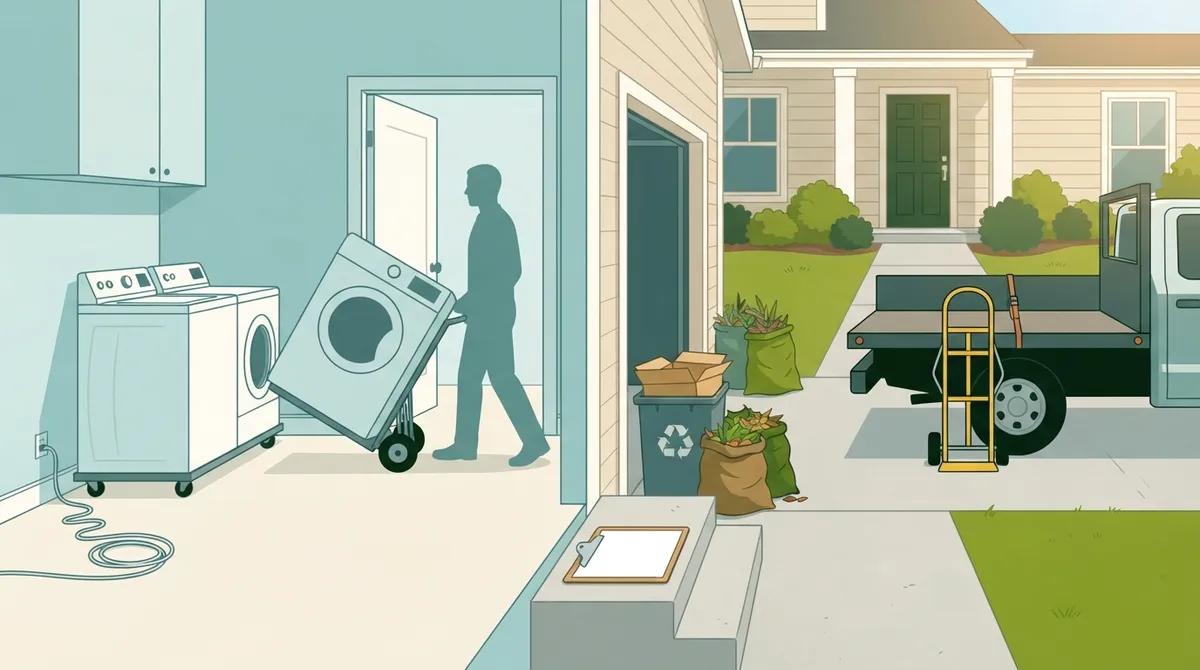
Let’s be honest: nobody wakes up excited to haul a washer and dryer out of the house. These machines are heavy, awkward, and they never seem to fit through the door the way they went in. If you have an old pair sitting in the garage, a dead dryer in the laundry room, or a set left behind after a move, you are definitely not alone.
The good news? Washer and dryer removal does not have to wreck your back or your weekend. With a little prep and the right help, you can clear them out safely and get your space back. In this friendly guide, we will walk through 10 simple tips for a smooth, stress-free removal in 2026. Whether you are a busy homeowner, a property manager turning over a unit, a real estate agent staging a listing, or a senior downsizing a longtime home, these tips will save you time, money, and sore muscles.
Here at Wayne & Sons Landscaping & Junk Removal, we have spent over 15 years helping Brandon, Florida neighbors with jobs just like this one. So grab a cup of coffee, and let’s make this easy.
1. Know What Washer and Dryer Removal Actually Includes
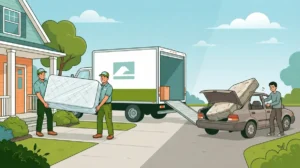
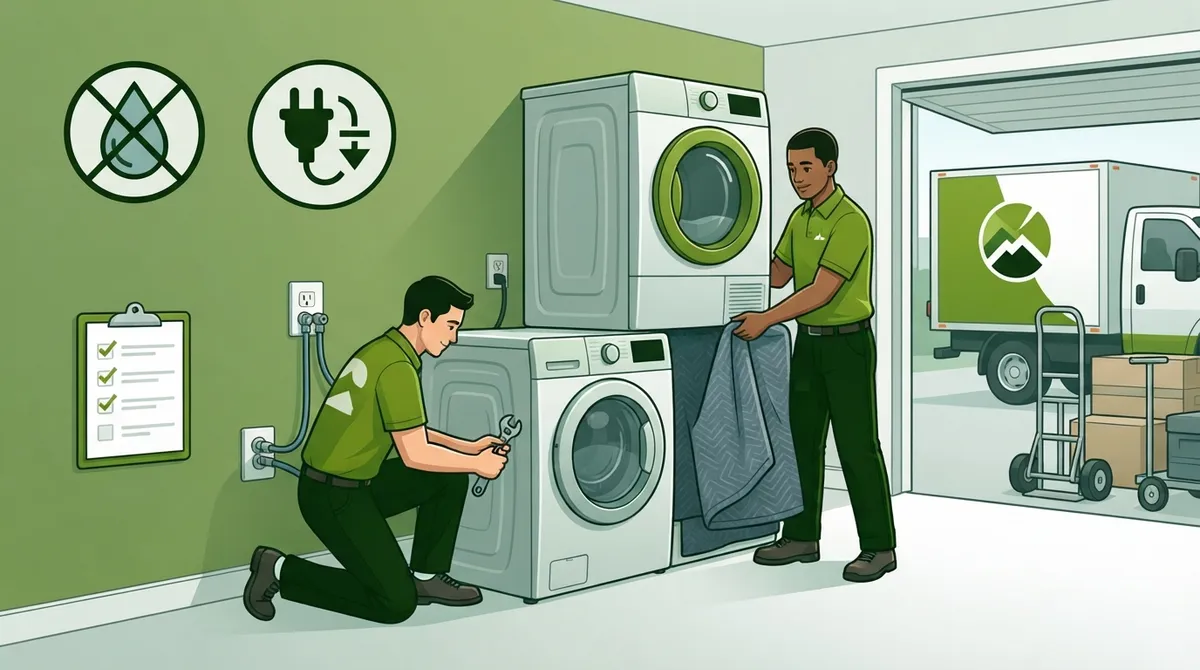
In the junk removal world, washer and dryer removal means a crew collects your unwanted laundry appliances, carries them out, and transports them for reuse, recycling, or disposal. Simple enough, right? But the details matter, and they can change your final bill.
Before you book, ask a few friendly questions so there are no surprises:
- Does the quote include carrying the units out from inside the home?
- Are stairs, tight hallways, or long walks to the truck covered?
- Is disconnecting the units part of the service?
- Are recycling or disposal fees already included?
A good hauler will be happy to answer every one of these. Clear answers upfront mean no awkward conversations later.
2. Check If Your Machines Still Work
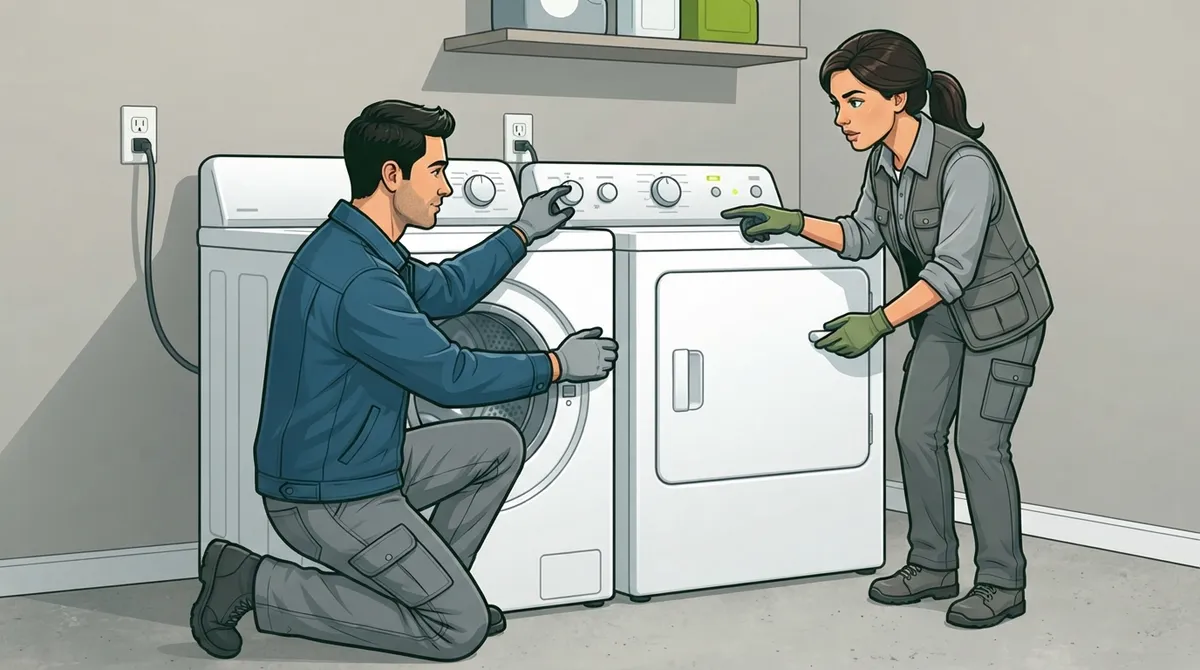
Before you toss anything, take a quick look at the condition of your appliances. Working machines in safe, usable shape may be great candidates for donation or resale. Someone in your community might be thrilled to have them.
Machines that no longer run usually go to scrap-metal or appliance-recycling facilities. According to the U.S. Environmental Protection Agency’s Appliances Quick Start Guide, discarded major appliances can be valuable sources of scrap metal, and some contain materials that need proper handling before recycling or disposal. That is one more reason to use a hauler who cares where your stuff ends up.
When you call a junk removal company, ask where the appliances go and whether reuse is possible before recycling. It is a simple question that tells you a lot about the company.
3. Disconnect Everything Safely Before Pickup
A little prep goes a long way. Before the crew arrives, take these steps to keep things safe and leak-free.
- Washer: Turn off the water supply, unplug the unit, disconnect the hoses, and drain any leftover water.
- Electric dryer: Simply unplug it and pull it gently away from the wall.
- Gas dryer: Have the gas supply shut off and disconnected by a qualified person. Please do not attempt gas-line work unless you are trained to do it.
- Vent hose: Detach the dryer vent and clear out any lint while you are at it.
- Clear the path: Move rugs, decor, and anything else the crew might trip over.
Safety first, always. If you are not comfortable with any of these steps, a licensed plumber or appliance technician can help.
4. Understand What Affects the Price
Everyone wants to know the cost, so let’s talk about it. A 2026 junk-removal pricing article reports roughly $75 to $250 for washer-and-dryer removal, with many paired jobs landing around $95 to $150. Your actual price will depend on your provider and your location.
Here is a quick look at what usually moves the number up or down:
| Factor | How It Affects Your Quote |
|---|---|
| Number and size of units | More or larger machines take more space and labor |
| Stairs or tight access | Extra effort can add to the cost |
| Distance to the truck | Longer carries mean more labor |
| Already disconnected or at the curb | Easier access often keeps the price lower |
| Local disposal charges | Recycling and disposal fees vary by area |
Always get a written or confirmed quote, and ask about any extra charges. Transparent pricing is the sign of a company you can trust. You can also read how we think about this in our guide on how to budget for junk removal costs in 2026.
5. Compare Your Removal Options
You have more choices than you might think. Each one has its place, depending on your schedule, budget, and how much lifting you want to do yourself.
| Option | Best For | Things to Consider |
|---|---|---|
| Full-service junk hauler | Busy folks who want it all handled | Crew carries, loads, and hauls away |
| Appliance recycler or scrap collector | Non-working units | Pickup rules and schedules vary |
| Municipal bulky-item program | Budget-minded homeowners | Eligibility, fees, and dates vary by locality |
| Retailer haul-away | Buying a new set | Usually tied to a replacement purchase |
| Self-haul to a transfer station | DIY-ers with a truck | You do the lifting and driving |
If you want to self-haul, a 2026 pricing comparison lists roughly $15 to $40 in transfer-station fees where local facilities accept the appliances. Just remember that transport, tools, and a helper are extra considerations. For many people, pro junk removal beats DIY hauling once they count their own time and effort.
6. Don’t Confuse Washers and Dryers With Refrigerators
Here is a handy fact that clears up a lot of confusion. Washers and dryers generally do not contain refrigerants. EPA refrigerant-recovery rules apply to appliances that do, such as refrigerators and air conditioners, not ordinary laundry machines.
Why does this matter? If your cleanout also includes an old fridge, freezer, or window AC unit, those items need special handling under applicable refrigerant rules. Let your hauler know about everything upfront so they can plan properly. If you have more appliances to clear, our post on what really happens to your old appliance after pickup explains the whole journey.
7. Plan Ahead for Stairs, Tight Spaces, and Garages
Laundry rooms are rarely built with big, bulky exits in mind. Narrow doorways, tight corners, and staircases can turn a simple job into a puzzle.
Here are a few easy ways to make the crew’s job smoother:
- Measure the doorways and hallways if access looks tricky.
- Remove doors from hinges if they block the path.
- Clear furniture and boxes out of the way.
- Tell the hauler about stairs or long walks ahead of time.
Mentioning these details when you book helps the crew arrive prepared with the right tools and enough hands. It also keeps your quote accurate. Many of our customers also pair this with a garage cleanout while the truck is already on site.
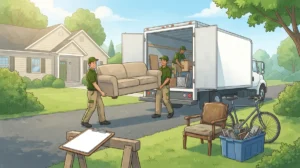
8. Bundle It With a Bigger Cleanout
Here is a money-saving, time-saving idea: do not stop at the washer and dryer. If you are already scheduling a pickup, why not clear everything out at once?
Washer and dryer removal pairs beautifully with other jobs, including:
- Rental turnovers and move-out cleanups
- Garage, shed, or storage clearing
- Estate cleanouts and downsizing projects
- Renovation and demolition cleanup
- Old furniture removal and exterior debris
For property managers and landlords, this is a game changer. One crew, one visit, and the unit is ready for the next tenant. For real estate agents, it clears space fast so a home shows its best. And for contractors, it keeps the job site tidy and moving on schedule.
9. Keep Appliances Separate From Yard Waste
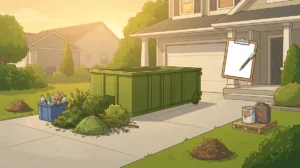
If you are a landscaping client, this tip is for you. When your yard cleanup and appliance removal happen on the same day, keep the piles separate. Appliances should not be mixed with yard waste or construction debris.
Why? Each type of material goes to a different outlet. Metal appliances head for recycling or scrap, while branches and clippings go elsewhere. Sorting early makes loading faster and helps your hauler send everything to the right place.
Here at Wayne & Sons, we handle both sides of the property. Our crews do landscaping services and junk removal in Brandon, so we can clear the old machines and tidy the yard in a single trip. That means fewer phone calls, fewer trucks, and a lot less hassle for you.
10. Pick a Hauler You Can Trust
The last tip might be the most important. Choosing a reliable company makes everything else easier. Look for a hauler who is upfront about pricing, careful with your home, and honest about where your items end up.
Here is a quick checklist to help you decide:
- Licensed and experienced: Years in business and proper licensing show real commitment.
- Clear estimates: You should know the cost before the work starts.
- Careful handling: Floors, walls, and doorframes deserve protection.
- Responsible disposal: Ask about reuse and recycling.
- Great reviews: Real neighbors share real experiences.
You can see what Brandon neighbors say about us on our reviews page, or read feedback on Thumbtack. You can also visit us on Google — Wayne & Sons Landscaping & Junk Removal to see how customers around the Tampa Bay area rate our service. We are proud to be a local, family-style business serving communities across Brandon, Valrico, Riverview, FishHawk, Apollo Beach, Seffner, Ruskin, and beyond.
Who Benefits Most From Professional Removal?
Almost everyone, honestly. But a few groups tell us this service is a lifesaver:
- Busy homeowners: You get your weekend back and skip the heavy lifting.
- Downsizing seniors and elderly residents: No lifting, no stress, and a kind crew that handles it all.
- Property managers and landlords: Faster unit turnovers and happier tenants.
- Real estate agents: Cleared spaces help listings look their best.
- Contractors and renovators: Old appliances out, project back on schedule.
- Small business owners: A clean, welcoming space for customers.
If you are not sure which group you fall into, that is okay! If an old washer and dryer is in your way, we can help.
Why Local Matters in Brandon, FL
Brandon is a wonderful community in Hillsborough County, and neighbors here like doing business with people they can trust. You can learn a little more about the area on the Brandon, Florida page. Local haulers know the neighborhoods, the traffic patterns, and the local disposal rules, which keeps your pickup smooth and on time.
Because we are based right here, we can often work around your schedule and arrive when it suits you. And with transparent, upfront estimates and a satisfaction-guaranteed approach, there are no unpleasant surprises. Just friendly faces and an empty laundry room.
If you are also thinking about boosting your online presence as a local service business, resources like SEO Rocket can help get your company in front of the neighbors who need you most.
Ready to Say Goodbye to Your Old Washer and Dryer?
Washer and dryer removal is one of those jobs that looks small on a to-do list but feels huge when you are staring at the machines. With the 10 tips above, you can prep safely, avoid surprise costs, and pick the right option for your situation. No sore backs, no truck rentals, and no stress.
Ready to take it off your plate? Contact us today for a clear, upfront estimate, or call us or text us at 813-452-1570. We will take care of the heavy lifting so you can enjoy your space again. We are honored to serve Brandon and the surrounding communities, and we cannot wait to help you.
FAQs
Q: How much does it cost to have a washer and dryer removed?
A: A 2026 pricing article reports roughly $75 to $250, with many paired jobs around $95 to $150. Your price depends on the number of units, stairs, access, and local disposal fees, so always ask for a clear quote first.
Q: Will a junk removal company take a washer and dryer from inside my home?
A: Yes, most full-service crews will carry the machines out from inside your home, including from laundry rooms and garages. Just confirm that stairs and tight access are included in your quote so there are no surprises.
Q: Do I need to disconnect the washer and dryer before pickup?
A: It helps a lot! Turn off the water, drain the hoses, and unplug the washer, and unplug an electric dryer. For a gas dryer, have a qualified person safely shut off and disconnect the gas line, since that is not a DIY job.
Q: Where do old washers and dryers go after removal?
A: Working units in safe condition may be donated or resold, while non-working machines usually go to scrap-metal or appliance-recycling facilities. Ask your hauler where your appliances end up so you know they are handled responsibly.
Q: Can I donate or recycle a working washer and dryer?
A: You sure can! Working machines in good, safe shape are often great for donation or resale, and non-working units can be recycled for their metal. Check local options and eligibility, since availability and rules vary by area.
Our Service Area