Key Takeaways
-
Always obtain written authorization from the lender or servicer before removing any furniture, appliances, or belongings from a foreclosed property to avoid legal liability and comply with state abandoned-property laws.
-
Create a detailed written scope of work for every foreclosure cleanup job specifying what's included (interior trash-out, exterior debris, lawn care, tree services) to prevent billing disputes and ensure compliance with appraisal requirements.
-
Don't treat foreclosure cleanups like standard junk removal jobs—they involve specific documentation requirements, disposal rules, and coordination with preservation companies that differ from regular residential cleanouts.
-
Include comprehensive exterior maintenance in your cleanup plan: mowing, edging, hedge trimming, fallen branch removal, and driveway sweeping, since neglected yards tank curb appeal and are specifically tracked in HUD guidance.
-
Hire only licensed and insured contractors with proper credentials to handle sensitive foreclosure properties; verify insurance coverage and licensing before work begins to protect all parties involved.
-
Document every step with before-and-after photos, itemized invoices, and completion reports to protect yourself and the contractor if questions arise about the property's condition or work quality later.
Foreclosure filings are on the rise across the country, with ATTOM reporting 367,460 U.S. properties hit with foreclosure filings in 2025, a 14% jump from the year before. If you’re a lender, REO agent, property manager, or investor dealing with a vacant property, you already know the pressure to get it clean, safe, and market-ready fast. But here’s the thing: foreclosure cleanup services are not the same as a regular junk pickup. Get it wrong, and you could face legal headaches, wasted money, or a property that still won’t pass inspection.
At Wayne & Sons Landscaping & Junk Removal, we’ve spent over 15 years helping folks throughout Brandon, Florida and nearby communities tackle messy properties the right way. Whether you’re managing one bank-owned home or a whole portfolio, avoiding these common mistakes will save you time, money, and stress. Let’s walk through the 14 biggest foreclosure cleanup mistakes we see, and how to steer clear of them.
1. Skipping Authorization Before Removing Anything
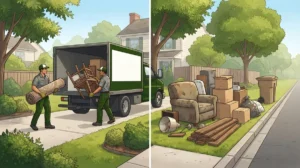
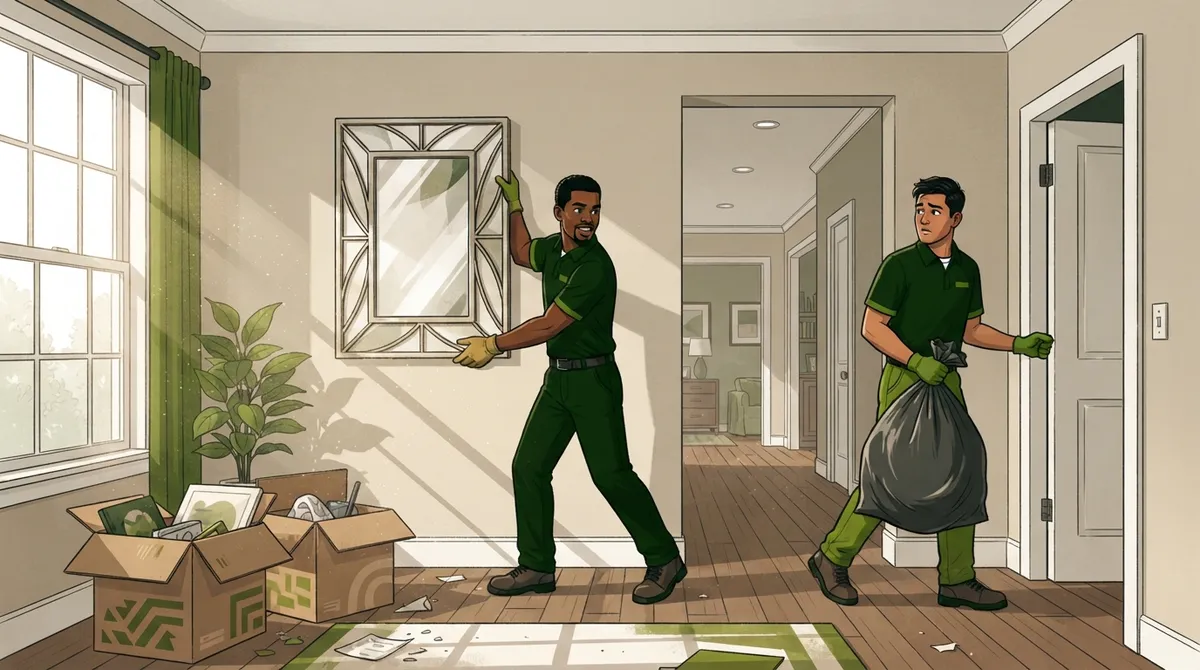
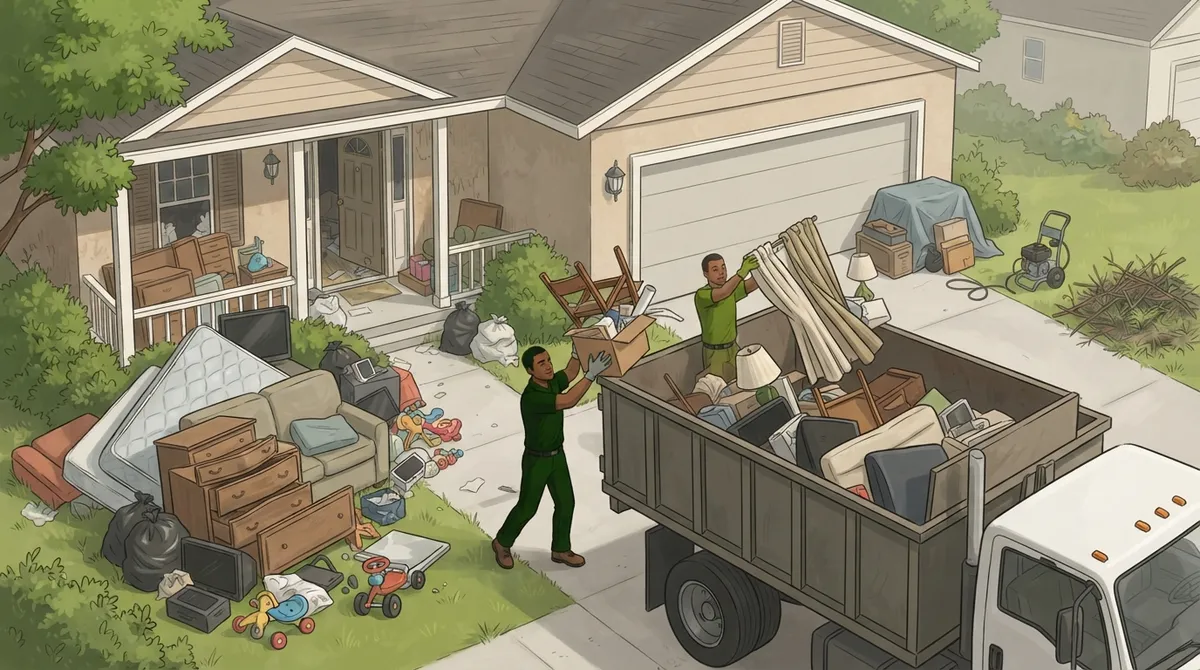
This is the biggest mistake of all. Never remove furniture, appliances, or personal belongings from a foreclosed property without written authorization from the lender, servicer, or REO asset manager. Abandoned-property laws vary by state, and removing items too soon can create legal trouble for everyone involved. A trustworthy contractor always confirms who owns the authority to approve removal before a single item leaves the house.
2. Treating Every Foreclosure Like a Standard Junk Job
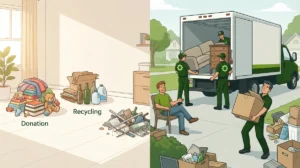
Regular junk removal in Brandon is straightforward — a homeowner wants stuff gone. Foreclosure cleanouts are different. They often involve documentation requirements, specific disposal rules, and sometimes coordination with property preservation companies. Treating it like a basic haul-away job can lead to missed steps that cause delays during appraisal or listing.
3. Not Getting a Written Scope of Work
A verbal agreement doesn’t protect anyone. Every foreclosure cleanup job should start with a written scope covering exactly what’s included: interior trash-out, exterior debris removal, lawn maintenance, and any preservation tasks. This keeps expectations clear and avoids billing disputes later.
4. Forgetting the Exterior Cleanup
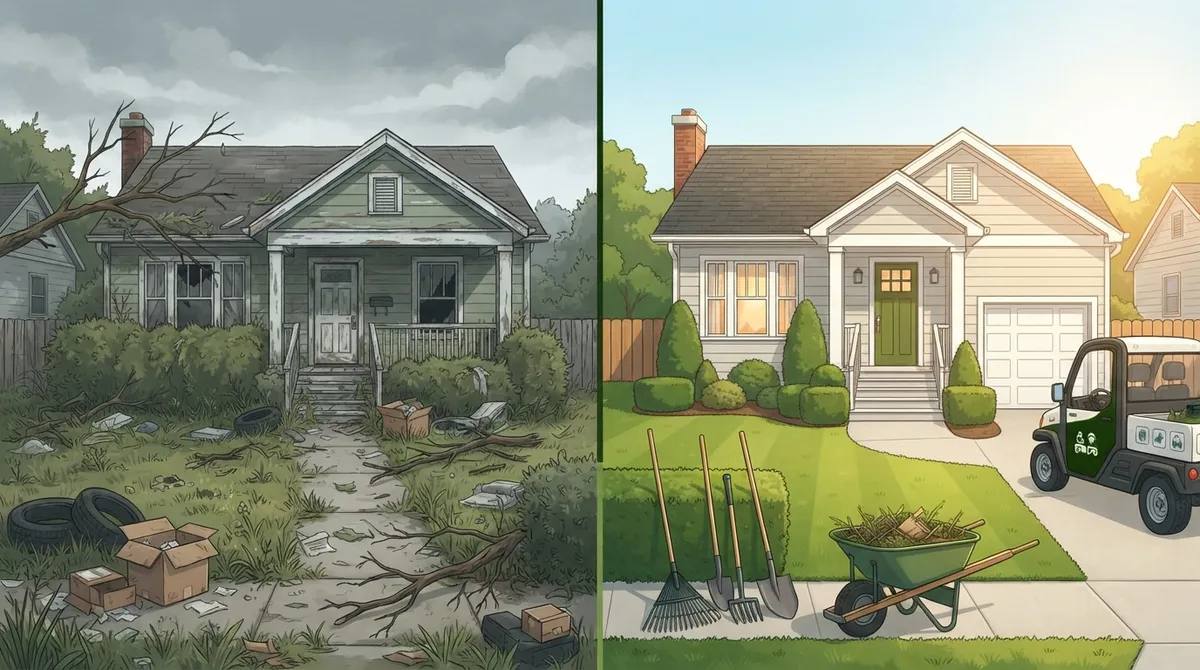
Interior trash-outs get a lot of attention, but neglected yards can tank curb appeal fast. HUD guidance identifies grass cutting and debris removal as separate cost categories because they matter that much. A proper foreclosure cleanup includes:
- Mowing and edging overgrown lawns
- Trimming hedges and shrubs that have gone wild
- Removing fallen branches and storm debris
- Sweeping driveways, sidewalks, and patios
- Clearing weeds from flower beds and walkways
Our teams handle everything from hedge trimming in Brandon to full landscaping services so a property looks cared-for, not abandoned.
5. Ignoring Palm Trees and Overgrown Vegetation
In Florida, palm trees and thick vegetation can grow out of control fast when a home sits vacant. Overgrown palms can hide storm damage or even become a safety hazard during hurricane season. Professional palm tree trimming keeps the property safer and more attractive for potential buyers.
6. Missing Storm Debris After Weather Events
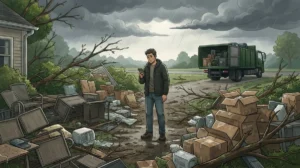
Florida storms don’t care whether a house is occupied or vacant. Downed branches, damaged fencing, and scattered debris pile up quickly on foreclosed properties nobody is watching. If a hurricane or heavy storm rolls through, storm debris removal in Brandon should happen right away, not weeks later when the property gets inspected.
7. Hauling Debris to the Wrong Disposal Site
Not all disposal facilities accept every kind of waste. Construction debris, yard waste, and household junk often go to different facilities, and local rules can vary by county. A contractor who doesn’t understand compliant disposal practices can leave you exposed to fines or added costs down the road.
8. Underestimating Furniture and Appliance Removal
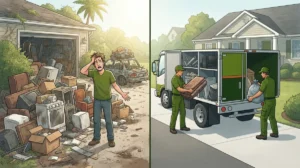
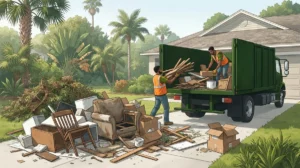
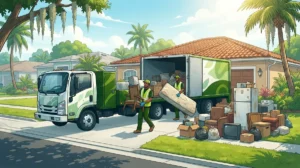
Foreclosed homes are often left with couches, mattresses, broken appliances, and years of clutter. This kind of furniture removal in Brandon takes more labor and hauling capacity than people expect. Underestimating the volume of debris leads to surprise costs and missed deadlines.
9. Not Taking Before-and-After Photos
Documentation matters more in foreclosure work than almost any other cleanup job. Photos protect the contractor and the client if questions ever come up about the property’s condition. A professional workflow always includes:
- Initial inspection with photos
- Written scope of work approval
- Before-and-after documentation of every area
- Itemized invoice showing labor, hauling, and disposal costs
- Final walk-through and completion report
10. Overlooking Hazardous Materials
Some vacant homes hide bigger problems than junk — mold, chemicals, sharps, or even structural damage. A responsible foreclosure cleanup crew knows the difference between ordinary debris and hazardous material that needs a licensed specialist. Never let a contractor mix hazardous waste in with regular junk loads or call basic cleanup “remediation” when it isn’t.
11. Hiring an Uninsured or Unlicensed Crew
Foreclosure properties can involve sensitive legal and financial stakes. Hiring a crew without proper insurance and licensing puts everyone at risk if something goes wrong. Wayne & Sons operates under license #G21000055178, and we carry the insurance coverage lenders and property managers expect to see.
12. Assuming Debris-Only Cleanup Is Enough for Demolition Sites
Some foreclosed properties have partial demolition or structural damage that needs specialized handling. Regular trash-out crews aren’t always equipped for this level of work. If a property needs it, proper demolition cleanup in Brandon should be scoped separately from routine junk hauling.
13. Forgetting Down Trees and Dead Vegetation
Dead or leaning trees on a vacant property are a liability nobody wants to inherit. Buyers, inspectors, and appraisers notice this stuff immediately. Getting down tree removal in Brandon handled early prevents bigger problems (and bigger bills) later.
14. Choosing Price Over Reliability
It’s tempting to go with whoever quotes the lowest number, but foreclosure cleanup jobs are time-sensitive. Lenders and investors need vacant properties secured and market-ready fast. A missed deadline or sloppy job can cost far more than what you saved on a cheap quote. Look for a company with transparent, itemized pricing and a track record of finishing on time.
What a Quality Foreclosure Cleanup Should Include
Every property is different, but a solid foreclosure cleanup service generally covers the same core categories. Here’s a quick breakdown of what to expect:
| Service Category | What’s Typically Included |
|---|---|
| Interior Trash-Out | Furniture, appliances, abandoned belongings, broom-swept finish |
| Exterior Debris Removal | Yard waste, construction debris, vehicles, junk piles |
| Lawn & Landscape Care | Mowing, edging, weeding, hedge trimming, sweeping paved areas |
| Tree Services | Down tree removal, palm trimming, storm debris cleanup |
| Documentation | Before-and-after photos, itemized invoice, completion report |
| Specialty Handling | Hazardous material referral, demolition debris, structural issues |
According to a HUD property-preservation schedule, the maximum allowance is often capped, while categories like debris removal and grass cutting are billed separately. Requirements can change, so it’s smart to confirm the current guidance for any HUD or investor-backed assignment before assuming reimbursement figures.
Why Local Experience Matters for Foreclosure Properties
Vacant homes in different parts of Tampa Bay come with different challenges. A property in Apollo Beach might have overgrown palms after a storm. A home in Riverview might have a jungle of hedges nobody’s touched in a year. Local crews who know the area understand these patterns and can move faster because they’ve seen it before.
Wayne & Sons has served communities including Apollo Beach, FishHawk, Gibsonton, Riverview, Ruskin, Seffner, Sun City Center, Valrico, and Wimauma for over 15 years. That kind of local knowledge helps us spot issues fast, whether it’s a hidden drainage problem or a hazard tree that needs attention before an inspection.
How Foreclosure Cleanup Costs Are Typically Structured
Nobody likes surprise bills, especially on properties already tied up in a foreclosure process. Pricing depends on several factors:
- Total volume and weight of debris
- Property size and access, including stairs
- Distance to approved disposal or recycling facilities
- Condition of the lawn and vegetation
- Urgency of the timeline
- Whether recurring lawn maintenance is needed after the initial cleanout
A transparent quote separates labor, hauling, disposal, and any specialty handling so there are no surprises later. Wayne & Sons keeps pricing straightforward and affordable, with detailed estimates before work ever begins.
Getting Started with a Foreclosure Cleanup Company
If you’re managing a distressed property, don’t wait until closing week to figure out cleanup logistics. The sooner an inspection happens, the sooner you’ll know what’s needed. Here’s a simple process to follow:
- Confirm authorization and ownership status before contacting a contractor
- Request an on-site inspection with photo documentation
- Get a written scope of work and itemized quote
- Schedule interior trash-out and exterior debris removal together when possible
- Ask about ongoing lawn maintenance if the property will sit vacant longer
- Request a final completion report before listing or appraisal
We also recommend checking reviews before hiring anyone. You can read what past clients say on our reviews page, browse our before-and-after gallery, or see what our Brandon-area customers say on Visit us on Google — Wayne & Sons Landscaping & Junk Removal. Wayne & Sons is also listed on Thumbtack, where you can compare service ratings from real customers.
If your job involves a lot of overgrown grass, a good old-fashioned lawn mower pass is often just the first step before deeper cleanup begins. And if you’re coordinating multiple services for a client — say, someone needing both yard work and personal wellness support during a stressful move — local partners like Mobile Area Massage of Tampa Bay can help ease the transition for families dealing with relocation stress.
Final Thoughts on Foreclosure Cleanup Services
Foreclosure cleanup isn’t just about hauling junk away. It’s about protecting property value, following the rules, and getting a home ready for its next chapter. Avoiding these 14 mistakes will save you time, money, and a whole lot of headaches, whether you’re managing one property or dozens across Tampa Bay.
Wayne & Sons Landscaping & Junk Removal has spent 15 years helping lenders, agents, and property managers throughout Brandon and the surrounding area get vacant properties market-ready. From lawn care to full trash-outs, we handle it with transparent pricing and a team that shows up when we say we will. Ready to get your foreclosure property cleaned up right? Contact us today, or give us a call at 813-452-1570 to talk through your project.
FAQs
Q: What is included in foreclosure cleanup services?
A: It usually covers interior trash-out, exterior debris removal, lawn mowing, hedge trimming, and hauling away furniture or appliances left behind. Some jobs also include documentation like before-and-after photos and a final completion report, so everyone knows the property is truly ready to show.
Q: How much does a foreclosure cleanout cost?
A: Costs vary a lot depending on debris volume, property size, and how overgrown the yard has gotten. We always recommend getting a written, itemized quote so you can see exactly what you’re paying for labor, hauling, and disposal, without any surprise fees later.
Q: Who pays for foreclosure cleanup after a foreclosure?
A: This depends on the situation, but it’s typically the lender, servicer, or investor who now holds the property. Some HUD-backed loans have specific reimbursement guidelines, so it’s smart to confirm who’s responsible before work begins.
Q: Can a junk removal company remove furniture and belongings from a foreclosed home?
A: Yes, but only with proper written authorization from the lender, servicer, or authorized property manager first. Removing items without that approval can create legal problems, so a trustworthy company always checks before touching anything inside the home.
Q: What landscaping services are needed for a foreclosed or bank-owned property?
A: Most vacant properties need mowing, edging, hedge trimming, and removal of fallen branches or storm debris. Palm tree maintenance is also common in Florida, since overgrown palms can hide damage and hurt curb appeal fast.
Our Service Area