Key Takeaways
-
Trim hedges 3-4 times per year in Town N Country’s warm Florida climate to prevent overgrowth, pest problems, and costly corrections; spring is ideal for new growth, summer for shape maintenance, and light fall trimming prepares shrubs for cooler months.
-
Never remove more than one-third of a shrub’s total growth in one session as it causes significant stress, dieback, leaf loss, and potential plant death; trim gradually and allow recovery between sessions.
-
Use sharp, clean tools and trim when foliage is dry to make clean cuts that prevent disease entry; dull or dirty blades crush stems and spread fungal infections between plants.
-
Cut hedges with a slight taper—wider at the base and narrower at top—rather than flat-topped to ensure sunlight reaches lower branches and prevents bare, sparse growth over time.
-
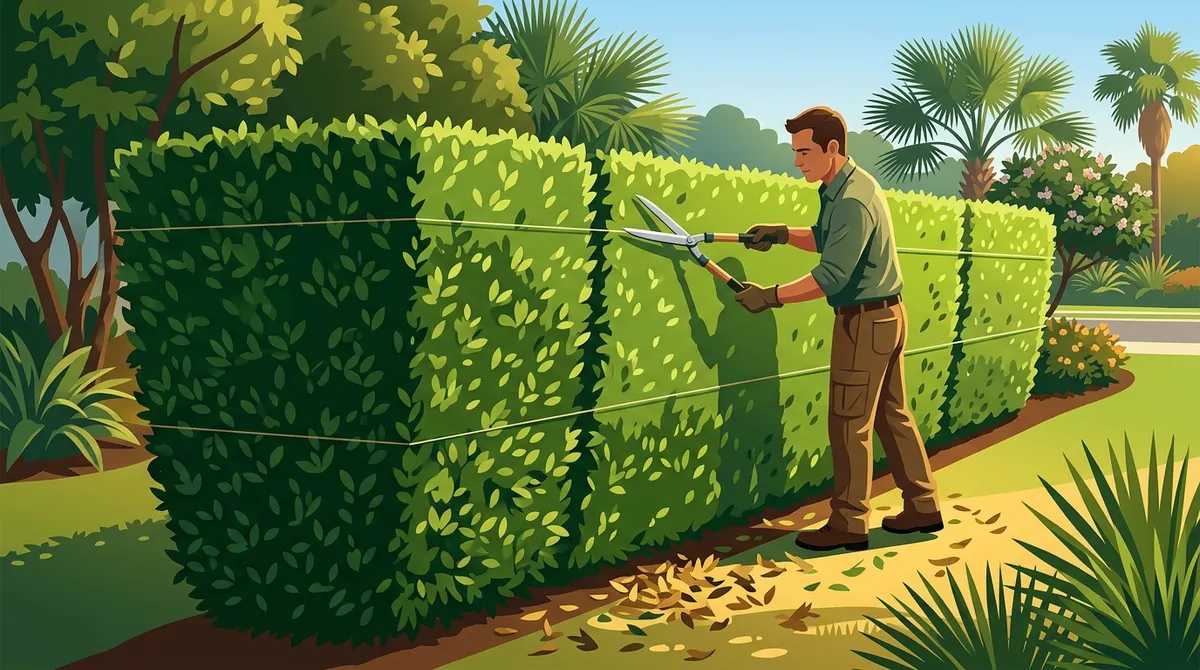
Step back every few minutes during trimming to assess overall shape and symmetry from a distance; plan your desired height, width, and shape before beginning and use string lines as guides for consistent results.
-
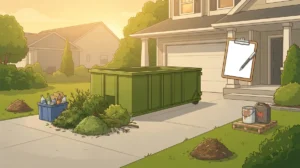
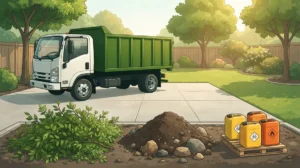
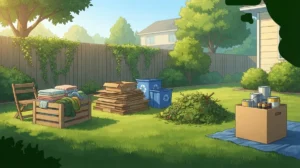
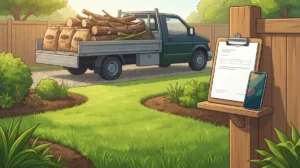
Combine hedge trimming with professional junk removal and debris cleanup in a single service visit to efficiently handle clippings, prevent lawn damage and pest attraction, and maintain a cohesive landscaping maintenance strategy.
Your hedges say a lot about your property. Overgrown, uneven, or poorly trimmed shrubs can drag down your curb appeal and even harm your plants’ long-term health. For homeowners, property managers, and real estate professionals in the Town N Country area, getting hedge trimming right is essential — not just for looks, but for the health of your landscaping investment.
Whether you manage a rental property, are preparing a home for sale, or simply want a well-kept yard, avoiding common hedge trimming mistakes can save you time, money, and frustration. This guide walks through 14 critical mistakes that can damage your hedges, hurt your property’s appearance, and cost you more in the long run. If you want expert results without the guesswork, professional hedge trimming services in Brandon and surrounding areas are just a call away.
Why Hedge Trimming Matters in Town N Country
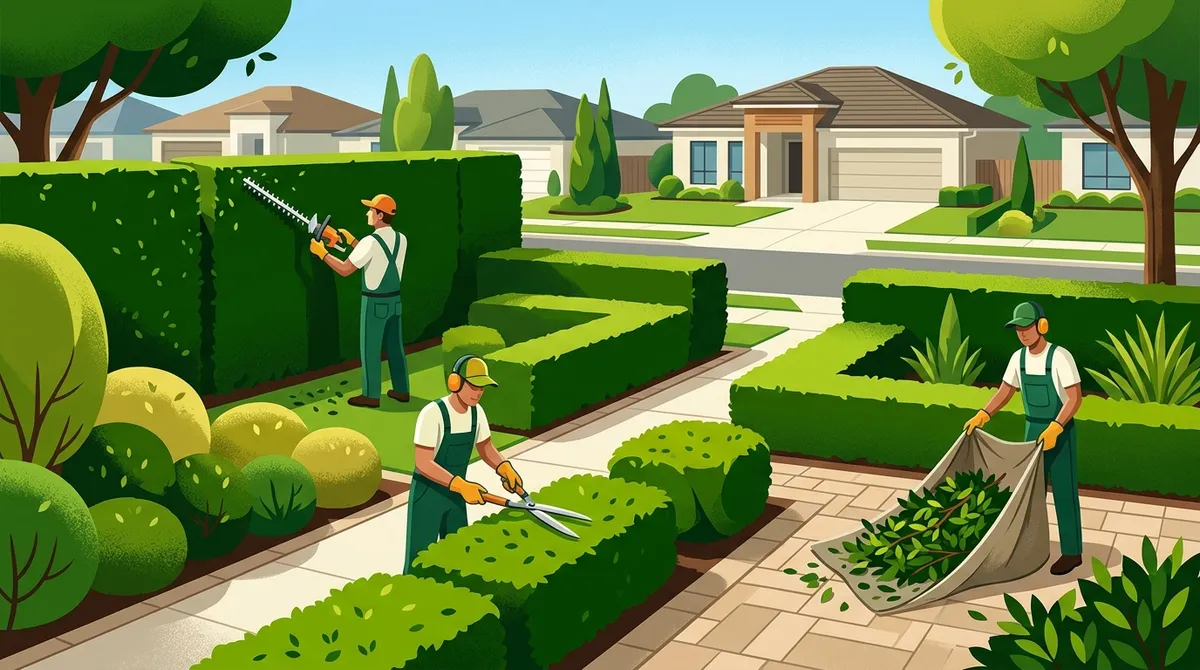
Town N Country is a vibrant, family-friendly community in the greater Tampa Bay area. Properties here benefit from Florida’s warm climate — but that same climate means hedges and shrubs grow fast and require consistent maintenance. Most shrubs need trimming 3–4 times per year to maintain their shape and health. Skipping maintenance leads to overgrowth, pest problems, and costly corrections later.
Professional landscaping services can keep your hedges looking sharp year-round, but even if you prefer a DIY approach, knowing what NOT to do is just as important as knowing the right techniques.
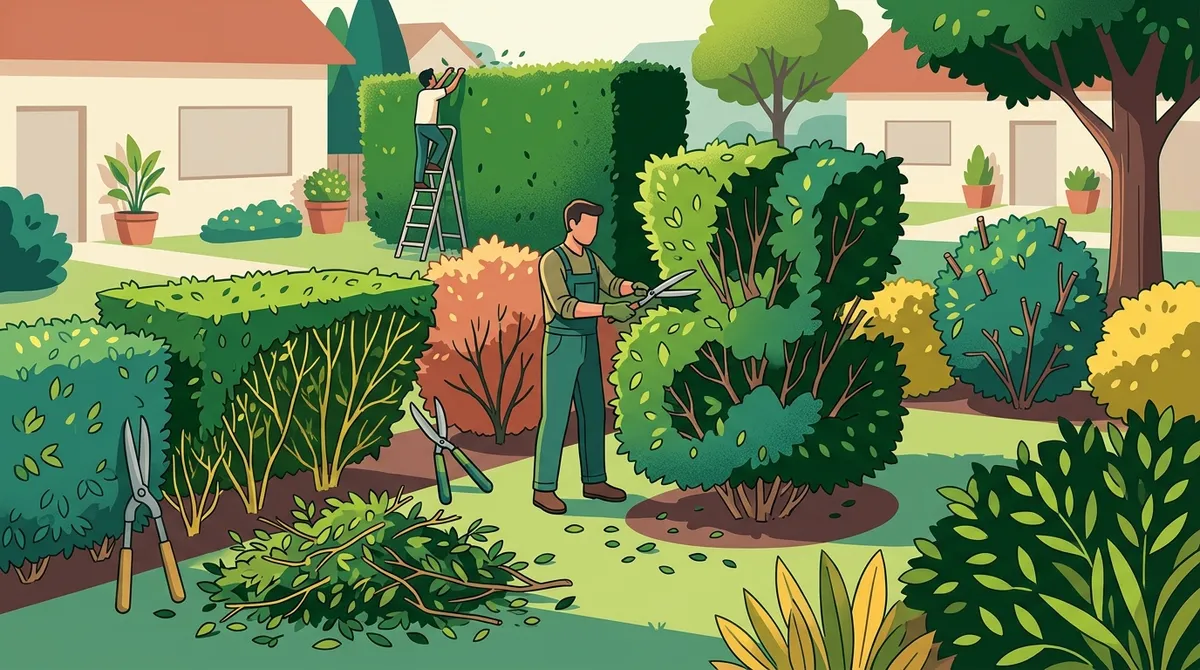
The 14 Biggest Hedge Trimming Mistakes
Mistake 1: Trimming at the Wrong Time of Year
Timing matters more than most people realize. Trimming too early in spring can expose new growth to frost. Trimming too late in fall can stimulate growth that won’t harden before winter. In Florida’s climate, spring is ideal for encouraging new growth, summer maintains shape, and light fall trimming prepares shrubs for cooler months.
Mistake 2: Cutting Too Much at Once
Removing more than one-third of a shrub’s total growth in a single session stresses the plant significantly. This can cause dieback, leaf loss, and even kill the hedge over time. Always trim gradually and allow the plant to recover between sessions.
Mistake 3: Using Dull or Dirty Tools
Dull blades crush stems instead of cutting them cleanly. This tears plant tissue, creating entry points for disease and pests. Dirty tools can also spread fungal infections from one plant to another. Always clean and sharpen your tools before trimming.
Mistake 4: Ignoring Plant Species Differences
Not all hedges are the same. Boxwoods, viburnum, ligustrum, and podocarpus all have different growth patterns and trimming needs. Treating every shrub the same way leads to uneven results and potential damage. A professional landscaper understands these differences and trims accordingly.
Mistake 5: Cutting Hedges Flat on Top
A flat-topped hedge may look neat at first, but it blocks sunlight from reaching lower branches. Over time, the bottom of the hedge becomes sparse and bare. A slight taper — wider at the base, slightly narrower at the top — allows all parts of the hedge to receive sunlight.
Mistake 6: Skipping Safety Precautions
Hedge trimmers are powerful tools that cause serious injuries when used carelessly. Not wearing gloves, eye protection, or sturdy footwear is a significant risk. Trimming tall hedges on an unstable ladder multiplies that danger. Safety gear and proper equipment are non-negotiable.
Mistake 7: Neglecting Cleanup After Trimming
Leaving clippings and debris on your lawn can suffocate grass, invite pests, and look unsightly. Proper yard waste disposal is a critical part of the trimming process. If you’re unsure how to handle the cleanup, consider pairing your hedge trimming with professional junk removal in Brandon to clear all debris efficiently.
Mistake 8: Trimming Wet Hedges
Trimming hedges when the foliage is wet causes clippings to clump and clog your tools. Wet conditions also increase the risk of spreading plant diseases. Wait until foliage is dry before you begin trimming for the cleanest, healthiest results.
Mistake 9: Skipping Regular Maintenance Schedules
Many property owners trim once and forget about it. But hedges that go too long without attention grow out of shape rapidly and become harder — and more expensive — to correct. Establishing a regular trimming schedule is the most cost-effective approach to hedge care.
| Season | Trimming Goal | Recommended Action |
|---|---|---|
| Spring | Encourage new growth | Light to moderate trimming |
| Summer | Maintain shape | Moderate trimming |
| Fall | Prepare for cooler months | Light trimming only |
| Winter | Rest period | Minimal to no trimming |
Mistake 10: Not Stepping Back to Check Your Work
It’s easy to lose perspective when you’re focused on a small section of hedge. Failing to step back and view the whole hedge regularly results in uneven cuts and lopsided shapes. Step back every few minutes to assess your progress from a distance.
Mistake 11: Ignoring Dead or Diseased Branches
Dead and diseased wood must be removed promptly. Leaving it in place allows disease to spread to healthy growth and weakens the overall structure of the hedge. Always inspect for dead wood before and during trimming sessions.
Mistake 12: Trimming Without a Plan
Starting to trim without a clear shape or goal in mind leads to inconsistent results. Before you begin, decide on the desired height, width, and shape of each hedge. Using a string line or guide stakes can help maintain consistent lines and angles.
Mistake 13: Overlooking Storm Damage
In Florida, storms can cause significant damage to hedges and surrounding landscaping. Broken branches left unaddressed become breeding grounds for pests and disease. After any major storm event, inspect your hedges thoroughly and address damage promptly. Storm debris removal in Brandon is an important service that pairs well with post-storm hedge care.
Mistake 14: Trying to Do Everything Yourself
DIY hedge trimming works well for small, simple jobs. But large, overgrown, or mature hedges require professional expertise, the right equipment, and proper training. Attempting to tackle more than you can handle safely often leads to poor results, plant damage, and potential injury.
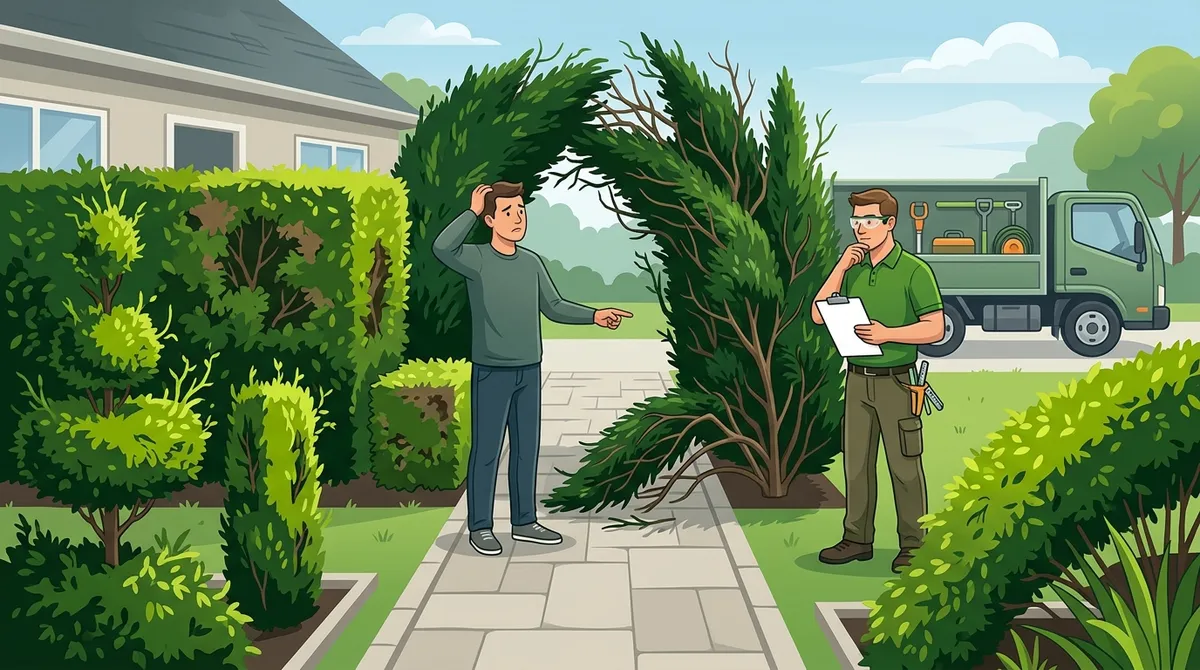
Signs You Need Professional Hedge Trimming
Not every homeowner has the time, tools, or expertise to manage hedges properly. Here are clear signs it’s time to call a professional:
- Hedges have grown significantly beyond their intended shape
- You notice bare patches or dieback along the lower stems
- Dead or diseased branches are spreading through the plant
- You lack the right tools for the job
- Your property is being listed for sale and curb appeal is critical
- You simply don’t have the time for regular maintenance
For residents in the Brandon, Florida area and surrounding communities including Town N Country, Wayne & Sons Landscaping & Junk Removal brings over 15 years of hands-on experience to every job. Their team understands the unique growing conditions of Florida’s climate and delivers results that keep properties looking their best.
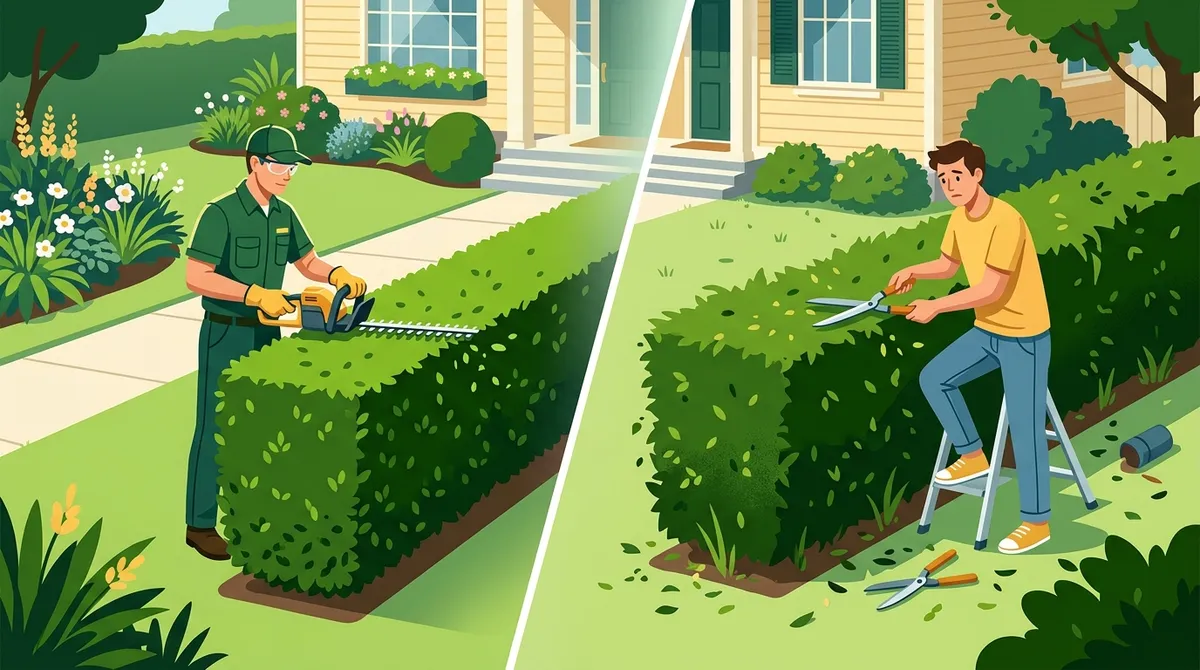
Hedge Trimming vs. DIY: A Quick Comparison
| Factor | DIY Trimming | Professional Service |
|---|---|---|
| Cost | Lower upfront cost | Affordable and transparent pricing |
| Time Investment | High — hours per session | Low — done efficiently by pros |
| Results Quality | Variable | Consistent, professional finish |
| Plant Health Knowledge | Limited | Expert species-specific care |
| Debris Disposal | Your responsibility | Included in service |
| Safety | Higher personal risk | Trained, insured professionals |
How Hedge Trimming Fits Into a Complete Landscaping Plan
Hedge trimming doesn’t exist in isolation. It’s one part of a broader landscaping maintenance strategy. A well-maintained property in Town N Country includes regular lawn care, shrub care in Brandon, palm tree trimming, and proper yard waste disposal. Integrating these services keeps your entire property looking cohesive and well-managed.
For property managers overseeing multiple units, bundling hedge trimming with comprehensive junk hauling in Brandon and landscaping services streamlines maintenance and keeps properties tenant-ready at all times. You can see examples of our work in our landscaping gallery.
Recommended Hedge Trimming Frequency by Shrub Type
| Shrub Type | Growth Rate | Recommended Trims Per Year |
|---|---|---|
| Ligustrum (Privet) | Fast | 4–6 times |
| Viburnum | Moderate | 3–4 times |
| Podocarpus | Slow to Moderate | 2–3 times |
| Boxwood | Slow | 2–3 times |
| Arborvitae | Moderate | 2–4 times |
Steps to a Successful Hedge Trimming Session
- Inspect your hedges first. Look for dead branches, pest damage, and disease before you begin.
- Gather the right tools. Use sharp, clean electric or manual hedge trimmers suited to your shrub type.
- Plan your desired shape. Decide on height and width before making any cuts.
- Start at the bottom and work upward. This approach prevents debris from falling on already-trimmed sections.
- Step back regularly. Check the overall shape frequently to ensure symmetry.
- Remove all clippings and debris. Clean up thoroughly to prevent pest attraction and lawn damage.
Tools Every Homeowner Should Know About
Using the right tools makes a significant difference in trimming quality and plant health. While professional landscapers use commercial-grade equipment, homeowners managing smaller hedges should be familiar with these basic tools:
- Hand shears: Best for precise cuts on smaller hedges and detail work
- Electric hedge trimmers: Efficient for medium-sized hedges with uniform shapes
- Gas-powered trimmers: Ideal for large, dense hedges requiring more power
- Loppers: For cutting thicker branches that smaller tools can’t handle
- Safety gear: Gloves, goggles, and sturdy footwear are always required
For context on broader yard equipment, the history of lawn care equipment offers insight into how landscaping tools have evolved over the decades.
Combining Hedge Trimming With Junk Removal
One of the most practical approaches to property maintenance is combining hedge trimming with yard waste and junk removal in a single service visit. This saves time and ensures debris is handled correctly. After major trimming sessions — especially for overgrown properties — the volume of clippings can be substantial. Pairing trimming with full-service junk removal ensures nothing is left behind.
Wayne & Sons Landscaping & Junk Removal offers bundled services that make this seamless. You can check out verified customer reviews on Thumbtack to see why so many Town N Country and Brandon-area residents trust them for both landscaping and junk removal needs. You can also visit us on Google to read customer reviews and get directions.
What to Expect From a Professional Hedge Trimming Service
When you hire a professional landscaping company, the process is straightforward and efficient. Here is what a typical service visit includes:
- Property assessment: The team inspects your hedges and identifies specific needs.
- Detailed estimate: You receive transparent, upfront pricing with no hidden fees.
- Expert trimming: Professionals use appropriate tools and techniques for your specific shrub types.
- Debris cleanup: All clippings and waste are collected and properly disposed of.
- Final walkthrough: The team confirms you’re satisfied with the results before leaving.
Conclusion
Avoiding these 14 hedge trimming mistakes can protect your investment, improve your property’s appearance, and keep your shrubs healthy for years to come. Whether you’re a busy homeowner in Town N Country, a real estate professional preparing a listing, or a property manager overseeing multiple units, consistent and correct hedge trimming is essential. Florida’s climate demands regular attention, and the rewards — a beautiful, well-maintained property — are well worth it.
If you’re ready to eliminate the guesswork and get professional results, our team is here to help. Reach out to our landscaping experts today for a free, transparent estimate on hedge trimming, shrub care, and complete landscaping services in Town N Country and throughout the greater Tampa Bay area. You can also call us directly at (813) 452-1570 to schedule your service.
FAQs
Q: How often should hedges be trimmed in Town N Country, Florida?
A: Most shrubs in the Town N Country area require trimming 3–4 times per year due to Florida’s warm climate and fast growing season. Fast-growing species like ligustrum may need trimming as often as 4–6 times annually to maintain a clean, healthy shape.
Q: What is the best time of year for hedge trimming in Town N Country?
A: Spring is the optimal time to trim hedges in Town N Country, as it encourages healthy new growth. Summer trimming helps maintain shape, while light fall trimming prepares shrubs for cooler months. Heavy trimming during the winter rest period is generally not recommended.
Q: Can hedge trimming be combined with junk removal services?
A: Absolutely. Combining hedge trimming with yard waste and junk removal in a single service visit is a practical and cost-effective approach. After a significant trimming session, professional junk removal ensures all clippings and debris are properly collected and disposed of without any hassle.
Q: How do I know if my hedges need professional trimming instead of DIY?
A: If your hedges have grown significantly out of shape, show signs of disease or dieback, or are too large to manage safely with standard home tools, it is time to call a professional. Licensed landscapers have the expertise, equipment, and training to handle complex jobs efficiently and safely.
Q: What does professional hedge trimming include in Town N Country?
A: A professional hedge trimming service typically includes a property assessment, transparent upfront pricing, expert trimming using appropriate techniques for your specific shrub types, thorough debris cleanup, and a final walkthrough to ensure complete satisfaction with the results.
Our Service Area