Key Takeaways
-
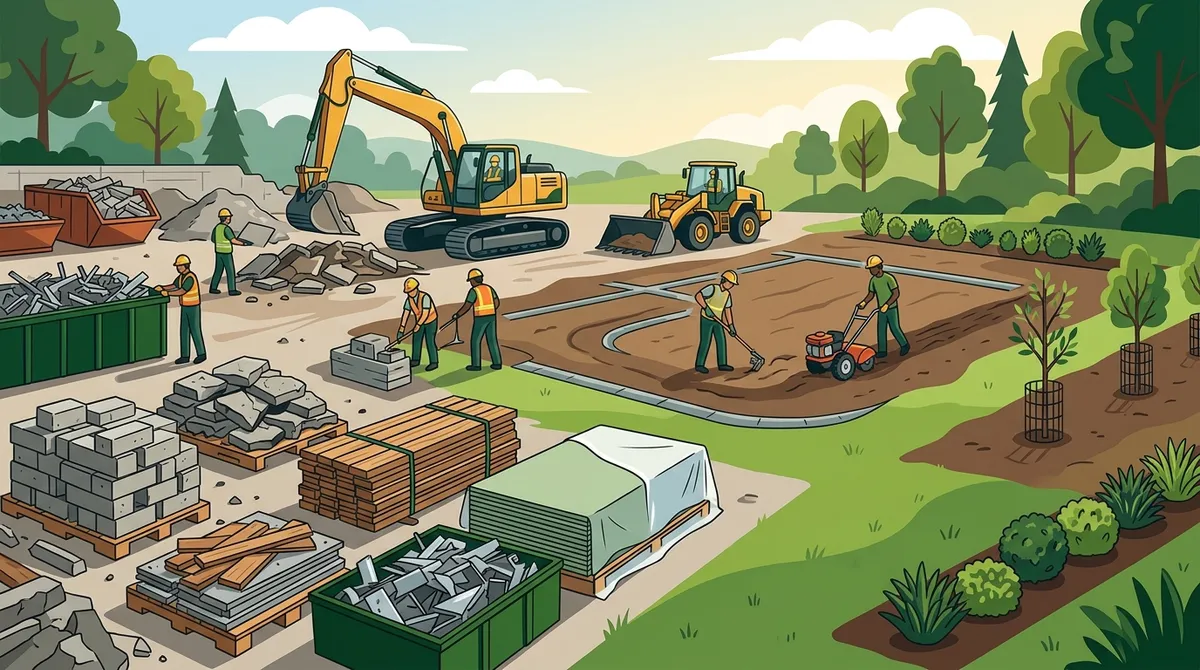
Sort demolition debris into separate categories (concrete, wood, metal, drywall) before hauling to maximize recycling rates and avoid higher landfill disposal costs.
-
Assess project scope carefully before cleanup begins by considering square footage, material types, weight, equipment access, and permit requirements to avoid underestimating debris volume.
-
Conduct hazardous material assessment for older Cheval homes before demolition—asbestos, lead paint, and treated lumber require special identification and certified disposal protocols.
-
Hire professional demolition cleanup services with proper equipment rather than attempting DIY to prevent injuries, ensure disposal compliance, and complete jobs efficiently in one visit.
-
Address landscaping restoration after debris removal—re-grade soil, reseed turf, and inspect for tree damage to prevent erosion, pest issues, and property value loss.
-
Schedule debris removal promptly and plan truck access logistics in advance to prevent debris from becoming safety hazards, attracting pests, or accumulating for weeks on your property.
Demolition cleanup in Cheval can quickly become overwhelming. Whether you’re tearing out an old deck, knocking down a garden wall, or clearing hardscape debris after a renovation, the mess left behind demands careful handling. Many Cheval homeowners, property managers, and contractors make avoidable mistakes that cost them time, money, and unnecessary stress. Knowing what not to do is just as important as knowing the right steps to take. This guide walks you through the five most common demolition cleanup Cheval mistakes — and exactly how to avoid each one. By the end, you’ll have a clear roadmap for a safe, efficient, and compliant cleanup process that gets your property back to its best condition.
What Is Demolition Cleanup in Cheval?
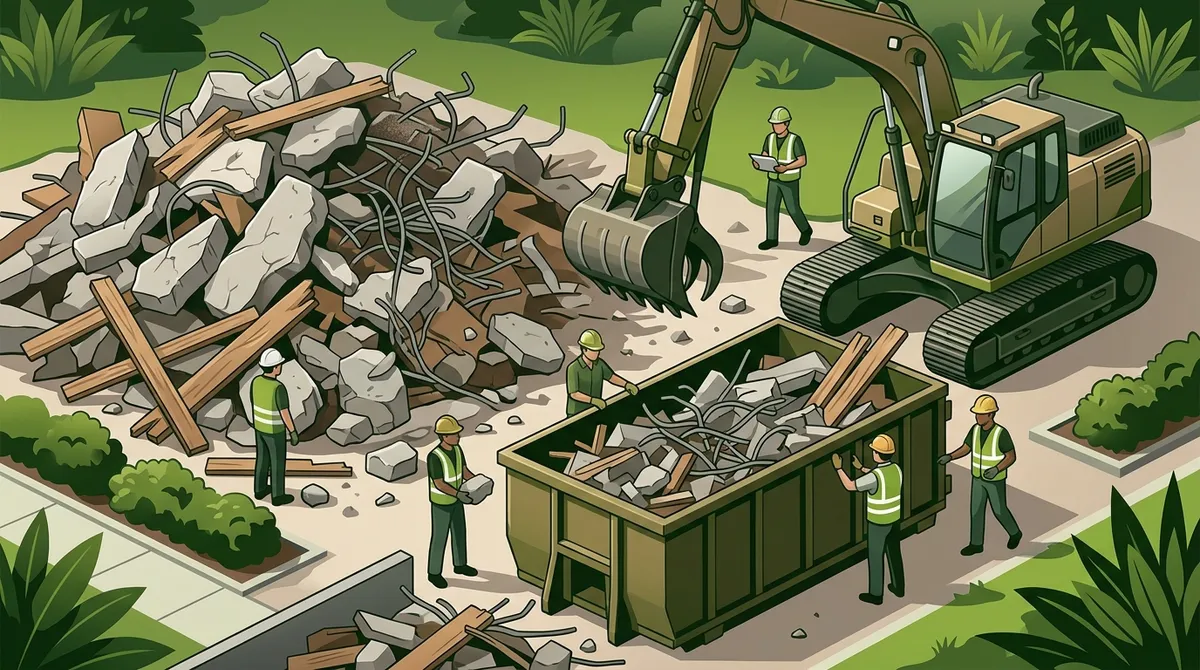
Demolition cleanup refers to the process of removing, sorting, loading, and hauling away debris left after small-scale demolition or renovation work. This includes materials like broken concrete, old wood, drywall, plasterboard, tile fragments, and yard hardscape debris. In the landscaping and junk removal context, it also covers the removal of bulky items such as old fencing, retaining wall rubble, and yard structure remnants. For Cheval residents, proper demolition cleanup in Brandon and surrounding areas means ensuring all debris is responsibly sorted, transported, and disposed of — with recycling prioritized wherever possible.
Cheval is a community in Hillsborough County, near Brandon, Florida, where residential renovation activity has been steadily growing. That means demolition cleanup needs are on the rise too. Getting it right matters — for safety, curb appeal, and property value.
Why These Mistakes Are So Costly
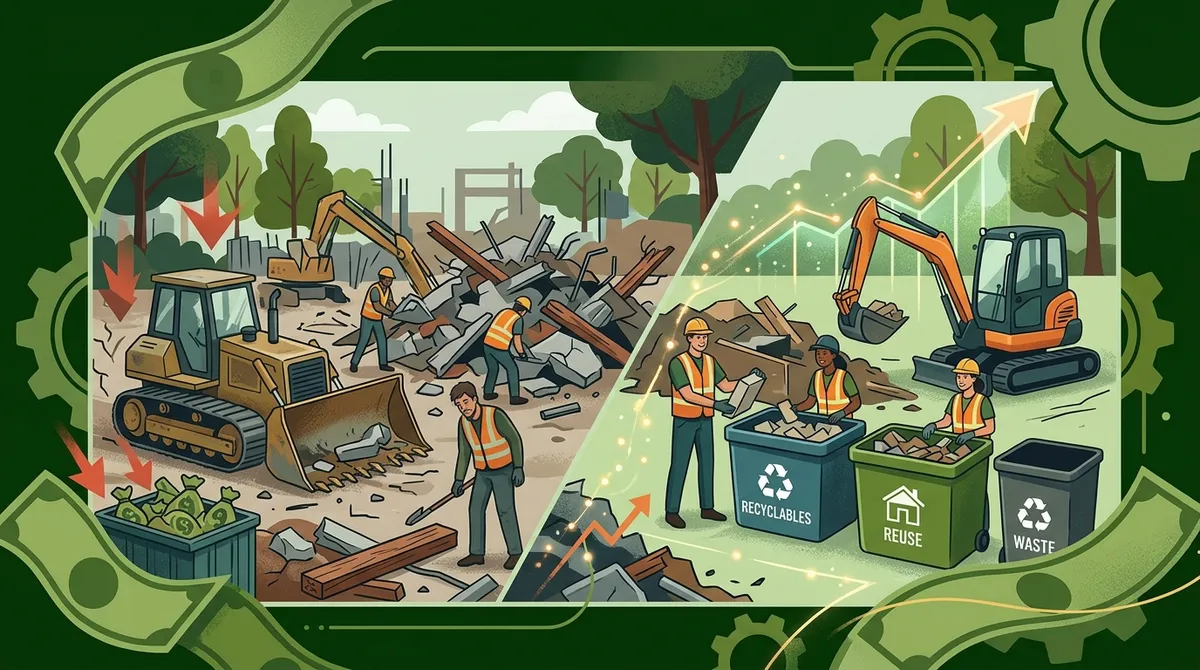
Demolition debris is not just an eyesore. It can be a safety hazard, a source of pest attraction, and even a code violation if left unmanaged too long. Mistakes during cleanup can lead to injuries, fines, disposal fees, and project delays. For homeowners preparing to sell, the wrong approach can directly hurt their listing. For contractors, sloppy debris removal can damage client relationships and professional reputation. Understanding the common pitfalls helps everyone — from busy homeowners to seasoned builders — protect their investment and their property.
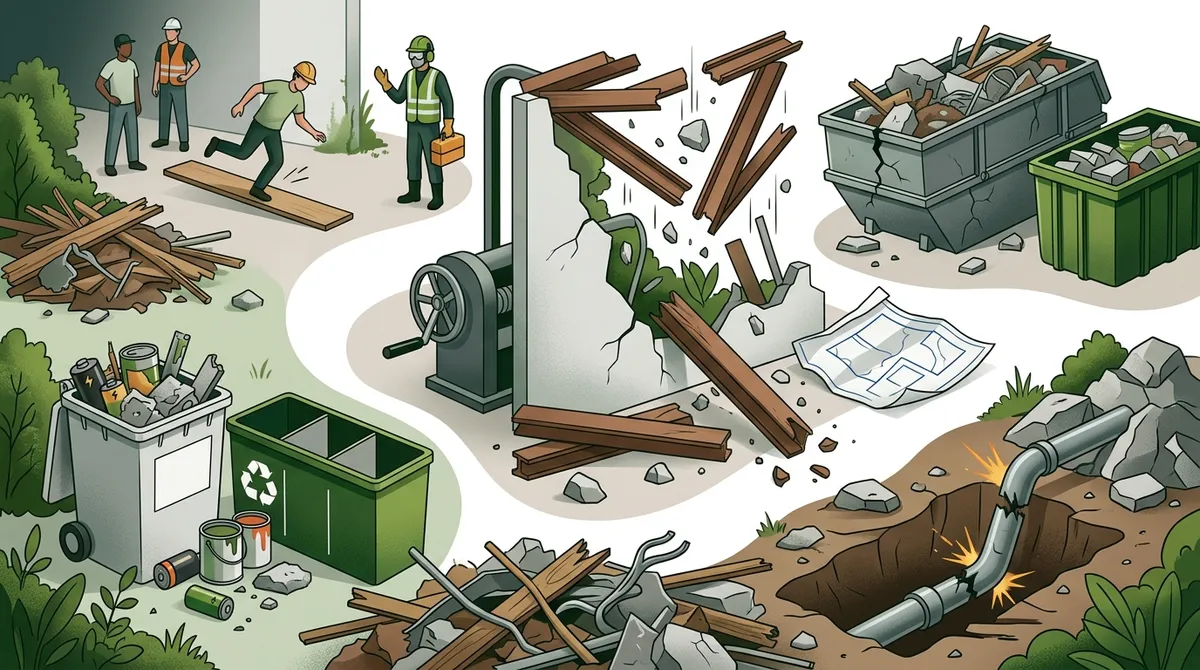
5 Demolition Cleanup Cheval Mistakes to Avoid
Mistake 1: Failing to Sort Debris Before Hauling
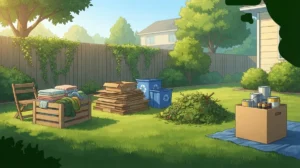
One of the most common demolition cleanup mistakes is treating all debris as the same. Mixing concrete, wood, metal, and drywall together in one unsorted pile creates problems at the disposal stage. Many recycling and disposal facilities require materials to be separated. When you mix everything together, more of it ends up in a landfill — and you may face higher disposal costs. Sorting also allows for safe identification of any hazardous materials that require special handling.
The smarter approach is to organize debris into categories from the start:
- Concrete, brick, and masonry materials
- Clean wood and lumber
- Metal scraps and fixtures
- Drywall, plasterboard, and tile
- General mixed waste and yard debris
Proper sorting leads to better recycling rates and smoother hauling. If you’re looking for guidance on structured approaches, the 9 key steps for demolition cleanup in Bloomingdale offer a practical framework worth reviewing.
Mistake 2: Underestimating the Volume of Debris
Homeowners and even some contractors routinely underestimate how much material a demolition project generates. A single deck teardown or retaining wall removal can produce far more debris than expected. This leads to multiple unplanned haul trips, rented containers that aren’t large enough, or debris sitting on the property for weeks. In Cheval’s upscale residential communities, this kind of prolonged mess can attract unwanted attention from HOA management or local code enforcement.
Before your project begins, assess the scope carefully. Consider the following factors:
- The total square footage of the structure being removed
- The types of materials involved and their weight
- Whether landscaping debris will be mixed with construction waste
- Access points for loading and hauling equipment
- Whether permits or disposal manifests are required
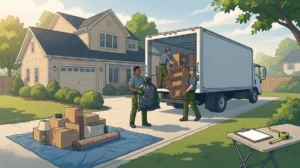
Hiring a professional team for junk hauling in Brandon ensures the right equipment and truck capacity is on site from day one.
Mistake 3: Ignoring Hazardous Material Risks
Older homes and structures in Cheval may contain materials that require careful identification before any demolition cleanup begins. Asbestos in older drywall or insulation, lead in old paint, and treated lumber with chemical preservatives are all examples of materials that demand special disposal protocols. Ignoring these risks puts workers and family members in direct danger — and can create serious legal liability.
Always conduct a basic hazardous material assessment before beginning any cleanup. Here’s a quick reference table for common demolition debris and associated risks:
| Material Type | Potential Hazard | Recommended Action |
|---|---|---|
| Old drywall (pre-1980) | Possible asbestos content | Professional testing and disposal |
| Painted surfaces (pre-1978) | Lead paint risk | Certified contractor handling required |
| Pressure-treated lumber | Chemical preservatives (CCA) | Separate disposal, not for burning |
| Concrete with rebar | Sharp metal exposure | Heavy gloves and proper lifting |
| Old fixtures and plumbing | Potential chemical residues | Drain and inspect before removal |
For more information about how demolition cleanup intersects with broader junk removal services, junk removal in Brandon provides a reliable starting point for understanding your options.
Mistake 4: Attempting a Full DIY Cleanup Without the Right Equipment
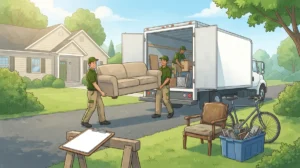
It’s tempting to handle demolition cleanup on your own to save money. But without proper equipment, the job becomes unsafe and inefficient. Heavy concrete slabs, broken masonry, and large timber sections require the right lifting tools, protective gear, and a truck or dumpster with sufficient capacity. Injuries from improper lifting are extremely common during DIY cleanups. Back injuries alone can cost far more in medical bills than a professional cleanup service would have charged.
Here’s a comparison between DIY and professional demolition cleanup approaches:
| Factor | DIY Cleanup | Professional Service |
|---|---|---|
| Equipment availability | Limited, often rented at added cost | Fully equipped team on arrival |
| Safety risk | High without proper training | Trained and insured crew |
| Time required | Days to weeks for large projects | Often completed in one visit |
| Disposal compliance | Uncertain, risk of violations | Full compliance with local rules |
| Cost predictability | Unpredictable with hidden fees | Transparent, upfront pricing |
For a deeper look at this comparison, the article on DIY vs. Pro Demolition Cleanup in Wimauma breaks down the real costs and trade-offs clearly. You can also call our team directly to discuss your project scope before committing to any approach.
Mistake 5: Not Addressing the Landscaping After Cleanup
Many property owners focus entirely on debris removal and forget that demolition projects often leave behind damaged or disturbed landscaping. Torn-up turf, displaced soil, exposed roots, and compacted ground are all common after a cleanup. Leaving these areas unaddressed makes the property look unfinished and can lead to erosion, pest issues, and further landscape damage over time.
After your demolition cleanup is complete, consider these essential landscaping restoration steps:
- Re-grade any disturbed soil to restore proper drainage
- Reseed or re-sod bare turf areas
- Trim back any shrubs or hedges damaged during the project
- Inspect nearby trees for root damage or instability
- Install fresh mulch or ground cover in affected beds
Wayne & Sons Landscaping & Junk Removal provides both debris removal and post-cleanup landscaping restoration — a full-service approach that saves Cheval property owners from having to coordinate with multiple providers. You can explore the full range of landscaping services available to understand how comprehensive post-cleanup care works.
Additional Mistakes That Can Derail Your Cleanup
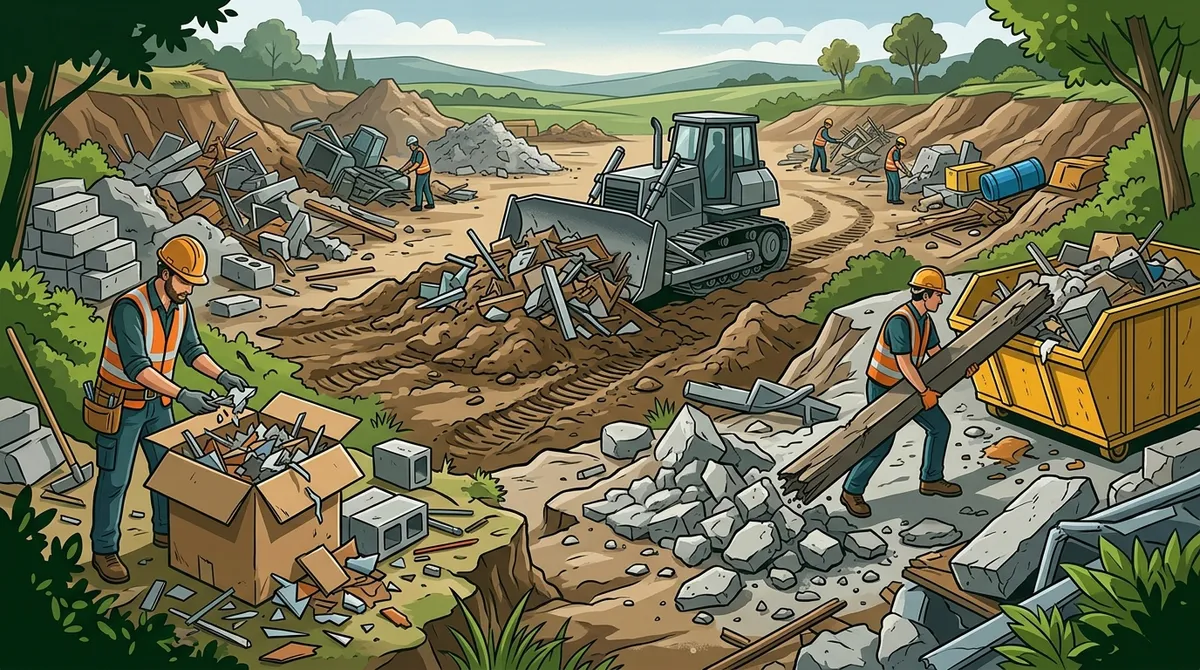
Beyond the five core mistakes above, there are several secondary errors that frequently compound cleanup problems. Awareness of these can help you stay ahead of potential setbacks.
- Not scheduling removal promptly: Delays allow debris to become a hazard and attract pests or water damage
- Overlooking storm debris mixed into demolition waste: Cheval’s weather events often add organic debris to the pile — storm debris removal in Brandon explains how to handle this properly
- Ignoring access logistics: Not planning how trucks will access the site delays the whole project
- Skipping a final walkthrough: Small hidden debris can cause problems weeks later
Choosing the Right Demolition Cleanup Service in Cheval
Selecting a reliable cleanup service is critical. Not every hauling company has experience with the specific debris types and disposal requirements that come with residential demolition projects. When evaluating your options, look for providers who offer transparent pricing, licensed operations, and a full-service approach that covers sorting, loading, hauling, and responsible disposal.
The following criteria should guide your selection process:
| Selection Criteria | Why It Matters |
|---|---|
| Local experience | Familiarity with Cheval area disposal regulations |
| Licensed and insured | Protects you from liability during the job |
| Recycling commitment | Reduces landfill impact and may lower costs |
| Transparent pricing | No surprise fees after the job is done |
| Full-service capability | Handles debris AND landscaping restoration |
You can review verified customer experiences by visiting Wayne & Sons Landscaping & Junk Removal on Google to see what local homeowners and contractors have to say about their service quality. Additionally, the company’s profile on Thumbtack provides further insight into their track record with demolition cleanup and junk removal projects across the greater Tampa Bay area.
For related demolition cleanup guidance in nearby communities, the article on how to handle demolition cleanup in Dunedin the right way provides additional best practices that apply equally well to Cheval projects. You may also find the 6 steps for demolition cleanup Clearwater homeowners need useful for step-by-step planning reference. For a broader view of junk and debris removal across the region, 10 things to know about junk removal near me in 2026 is an excellent resource.
Proper demolition cleanup isn’t just about moving rubble — it’s about restoring your property to a clean, safe, and visually appealing condition. Whether you’re a busy homeowner in Cheval, a real estate agent preparing a listing, or a contractor finishing a job site, avoiding these five mistakes puts you firmly on the path to a successful project outcome. For peace of mind and professional results, reach out to our team today and get a transparent estimate for your demolition cleanup Cheval project.
FAQs
Q: What does demolition cleanup in Cheval typically include?
A: Demolition cleanup in Cheval involves sorting, loading, hauling, and disposing of debris left after small-scale demolition or renovation work. This commonly includes broken concrete, old wood, drywall, tile, fencing, and hardscape materials. Professional services also handle recycling-eligible materials appropriately to reduce landfill waste.
Q: How long does a professional demolition cleanup take in Cheval?
A: The timeline depends on the size and scope of the project. Most residential demolition cleanup jobs in Cheval can be completed in a single visit when handled by a fully equipped professional team. Larger projects involving significant debris volume may require two scheduled visits for complete removal.
Q: Is it safe to handle demolition debris on my own in Cheval?
A: DIY demolition cleanup carries real safety risks, including injury from heavy lifting, exposure to hazardous materials, and improper disposal that may result in fines. Older structures in Cheval may contain asbestos or lead paint, which require certified handling. Hiring a licensed, insured professional team is the safest and most cost-effective approach.
Q: Do demolition cleanup services in Cheval also restore landscaping?
A: Many professional demolition cleanup providers, including Wayne & Sons Landscaping & Junk Removal, offer landscaping restoration as part of their full-service approach. This includes re-grading disturbed soil, trimming damaged shrubs, and addressing any turf or tree impact left after the cleanup process is complete.
Q: How do I get a price estimate for demolition cleanup in Cheval?
A: Reputable demolition cleanup services provide transparent, upfront estimates based on the type and volume of debris, access logistics, and any special disposal requirements. Contacting a local provider directly with a description of your project is the best way to receive an accurate, no-surprise quote for your Cheval property.