Key Takeaways
-
Schedule debris removal within 24-48 hours after a storm passes; delays increase pest infestation, mold growth, and HOA violation risks while professional crews fill up quickly in high-demand periods.
-
Lake Magdalene residents cannot rely on government pickup—contact private junk removal services immediately, as the area falls under Hillsborough County jurisdiction and is not covered by Pinellas County collection programs.
-
Separate debris into categories (vegetation, construction, bulky waste, hazardous materials) before pickup to reduce removal time, costs, and ensure proper disposal handling by professional crews.
-
Avoid DIY removal of large fallen trees and heavy limbs due to serious safety risks including violent spring-back, unstable root systems, and power line hazards—hire trained professionals with proper equipment instead.
-
Assess and professionally trim storm-damaged palm fronds, broken stems, and shrubs immediately after a storm to prevent disease, pest vulnerability, safety hazards, and long-term landscape deterioration.
-
Accurately estimate debris volume before scheduling (small residential yards produce 1-2 truckloads for minor storms, 3-5 for major storms) to avoid multiple trips, unexpected delays, and additional costs.
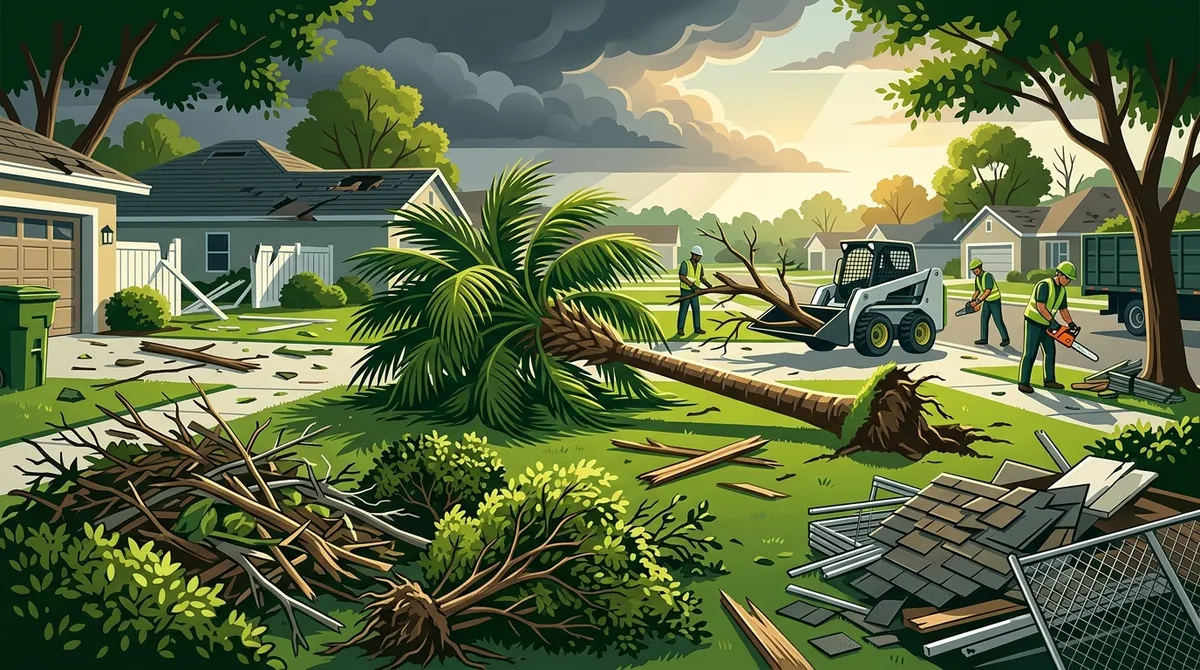
After a powerful storm rolls through Lake Magdalene, the aftermath can feel overwhelming. Fallen trees, scattered branches, soggy yard waste, and piles of debris transform a tidy property into a safety hazard almost overnight. Florida’s storm season is no joke — and Lake Magdalene residents know this firsthand, especially following major hurricane activity in recent years. The problem is, many homeowners rush into cleanup without a clear plan, and that leads to costly, dangerous mistakes.
Whether you are a busy homeowner trying to restore your yard, a property manager with multiple units to clear, or a contractor finishing a job site post-storm, the decisions you make in the first 48 hours matter most. This guide covers the seven most common storm debris removal mistakes made in Lake Magdalene — and how to avoid every single one of them for a faster, safer, and more affordable cleanup.
Why Storm Debris Removal in Lake Magdalene Is Unique
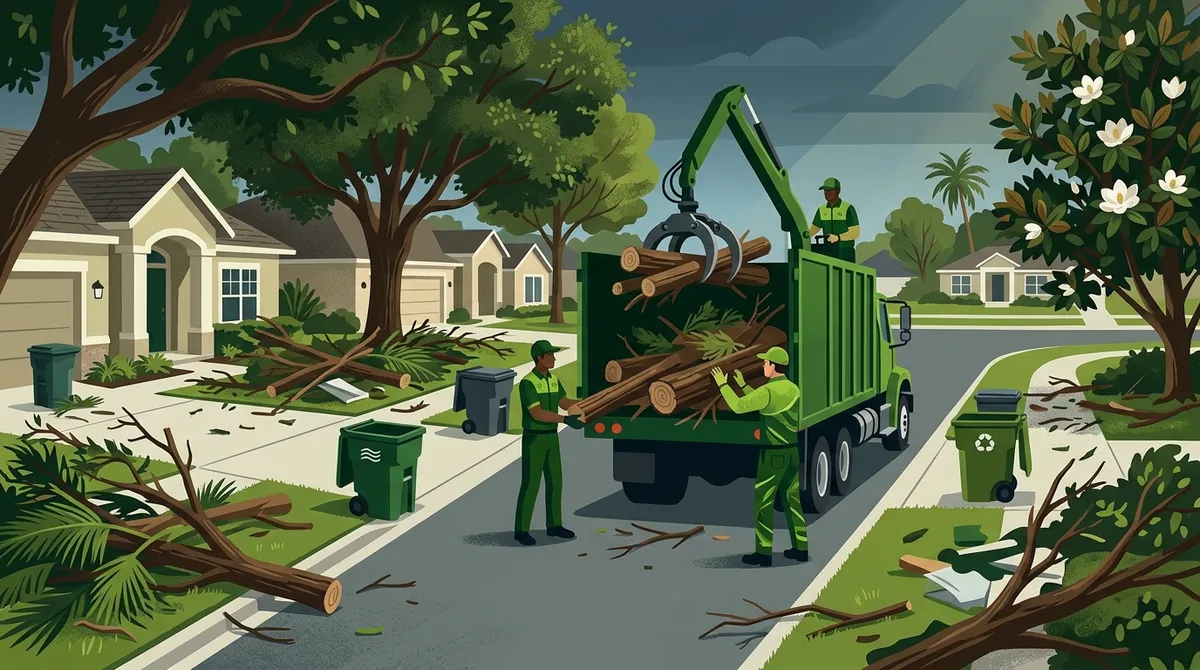
Lake Magdalene is located in Hillsborough County, near Tampa. This is an important distinction. Unlike parts of Pinellas County, where government programs have handled storm debris collection after hurricanes, Lake Magdalene residents typically rely on private landscaping and junk removal services for cleanup. Pinellas County completed its storm debris passes from Hurricanes Helene and Milton by mid-January 2025, but those programs covered unincorporated Pinellas areas — not Lake Magdalene.
This means if you are waiting for a government truck to clear your yard, you could be waiting a very long time. Knowing this upfront helps you make smarter decisions right after a storm. You can learn more about the full range of services available by visiting our landscaping services page.
Mistake #1: Waiting Too Long to Schedule Debris Removal
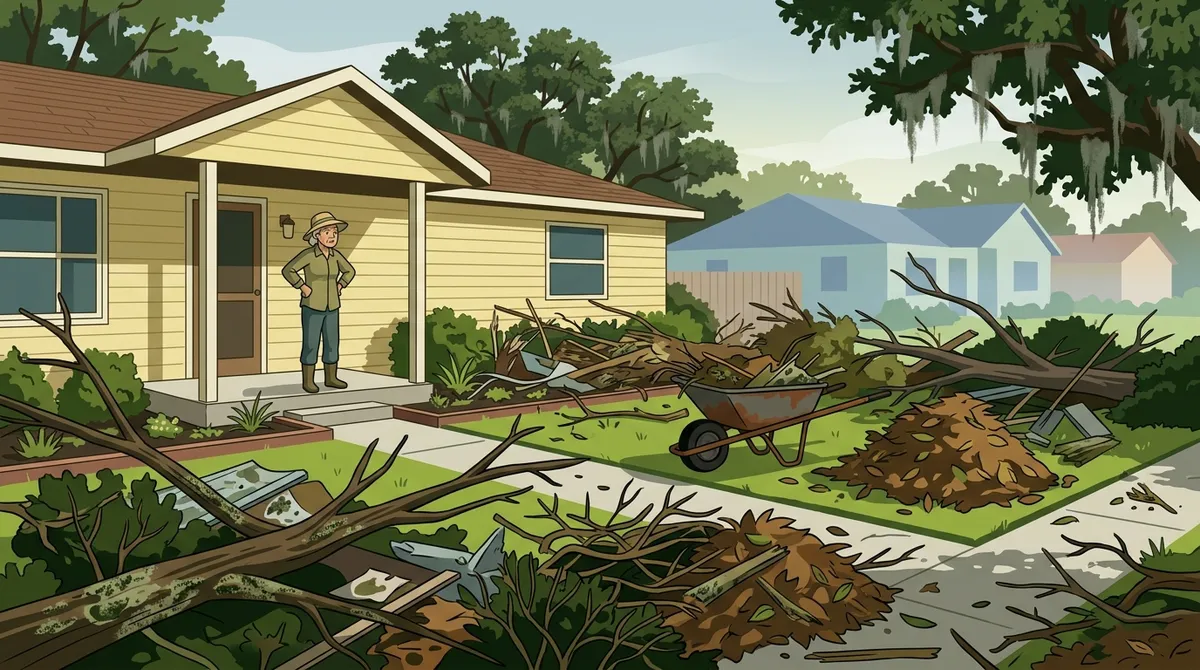
One of the biggest errors Lake Magdalene homeowners make is waiting several days — or even weeks — before calling a professional removal service. After a major storm, demand for debris hauling skyrockets across the Tampa Bay area. Scheduling slots fill up fast, and delays can leave your property exposed to hazards.
- Standing debris can attract pests and mold growth
- Unsecured branches pose injury risks to family and neighbors
- HOAs and local codes may issue violations for prolonged debris accumulation
- Heavy rains after a storm can make debris heavier and harder to haul
The smart move is to reach out to a debris removal team as soon as the storm passes and conditions are safe. Speed is everything in post-storm recovery.
Mistake #2: Assuming Government Pickup Will Handle Everything
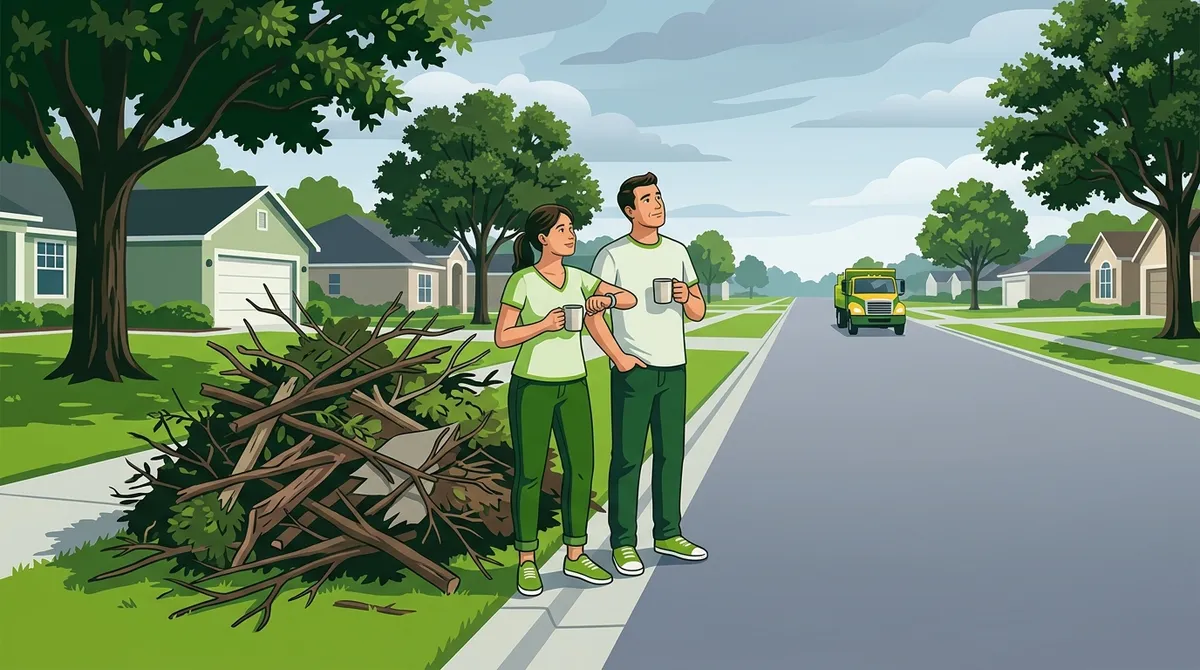
As mentioned above, Lake Magdalene falls under Hillsborough County jurisdiction. Government-run debris collection programs vary widely by location and are not always available to every neighborhood. Many residents in this area are surprised to learn they are not covered by nearby county storm debris programs.
Private junk removal companies serve Tampa and the surrounding areas, with over 25 verified services operating in the region as of 2026. Relying solely on public pickup is a gamble that can delay your recovery by weeks. Instead, contact a trusted private hauler immediately after a storm event.
Mistake #3: Not Separating Debris Before Pickup
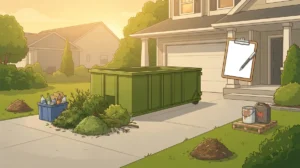
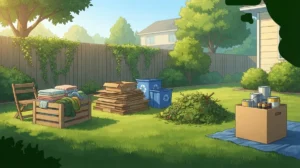
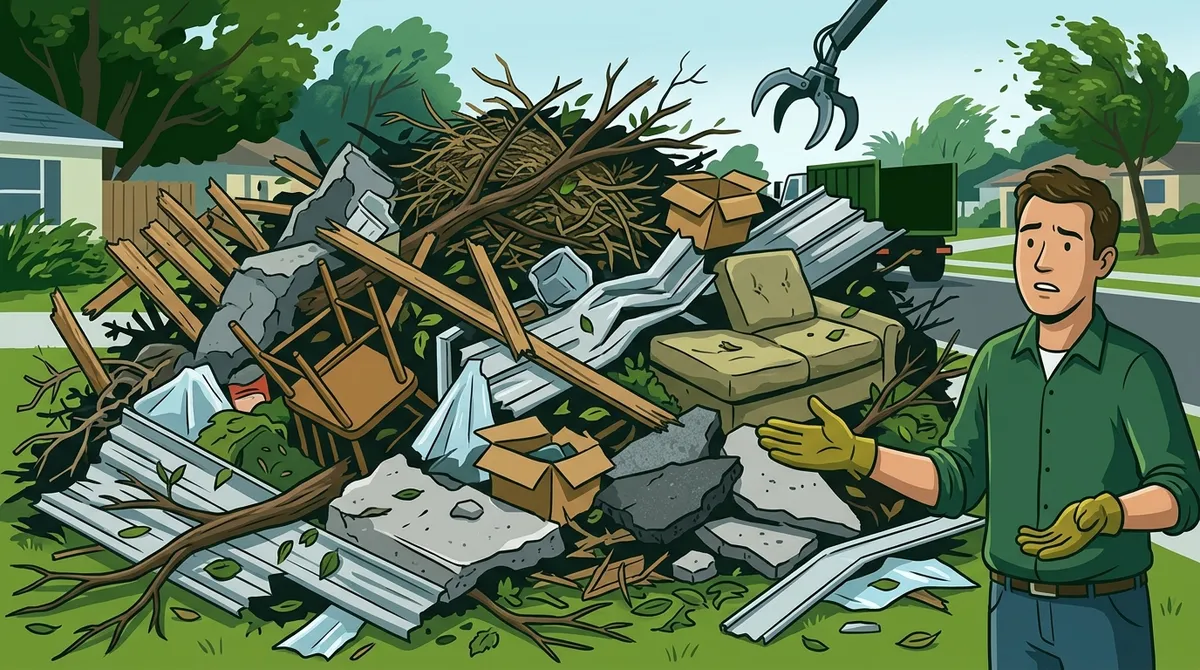
Many homeowners pile everything together — tree limbs, old furniture, construction scraps, roofing material — into one massive heap. This is actually a problem. Mixing debris types can slow down the removal process and increase costs. Most professional haulers sort debris into categories for proper disposal.
Here is how to properly separate storm debris before your crew arrives:
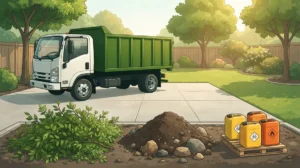
- Vegetation debris — tree limbs, branches, palm fronds, shrubs, and leaf piles
- Construction and roofing debris — shingles, lumber, concrete, and drywall
- Bulky waste — damaged furniture, appliances, and large household items
- Hazardous materials — paint cans, chemicals, batteries (set aside separately)
Proper sorting saves time and helps haulers work more efficiently. If you have large fallen trees, consider scheduling professional down tree removal as a separate service for heavy-duty work.
Mistake #4: Ignoring Palm Tree Damage After a Storm
Florida is famous for its palm trees — and Lake Magdalene yards are no exception. After a storm, palms often suffer significant damage that is not immediately obvious. Broken fronds, split trunks, and leaning palms are all safety hazards that homeowners frequently overlook during general debris cleanup.
- Dead or hanging fronds can fall and injure people below
- Storm-stressed palms are vulnerable to disease and pests
- Leaning palms may need professional evaluation for removal or stabilization
- Improper trimming after a storm can further stress the tree
Always include a palm tree assessment in your post-storm cleanup. Our palm tree trimming services ensure that your trees are safely maintained and recover properly after severe weather events.
Mistake #5: Underestimating the Volume of Debris
It is easy to look at your yard and think, “This won’t be that much to haul away.” Then the crew arrives and you realize you have far more debris than expected. This leads to multiple trips, unexpected delays, and added costs. Underestimating debris volume is one of the most common post-storm mistakes in the Lake Magdalene area.
| Property Type | Estimated Debris Volume (Minor Storm) | Estimated Debris Volume (Major Storm) |
|---|---|---|
| Small Residential Yard | 1–2 truckloads | 3–5 truckloads |
| Large Residential Property | 2–4 truckloads | 5–8 truckloads |
| Commercial Property | 4–6 truckloads | 8–15+ truckloads |
| Rental Property / Multi-Unit | 3–5 truckloads | 6–12 truckloads |
For large-scale cleanup jobs, dumpster rentals are a practical solution. Properties in the greater Tampa area should note that dumpster delivery typically requires 60 feet of straight-line space and 23 feet of vertical clearance. Plan accordingly before scheduling delivery. You can also explore our junk removal in Brandon page for hauling options.
Mistake #6: Attempting DIY Removal of Large Trees and Limbs
After a storm, there is a strong urge to grab a chainsaw and start cutting. For small branches and yard waste, some light DIY work is fine. But attempting to remove large fallen trees or heavy limbs without professional equipment is extremely dangerous. This is one mistake that sends people to the emergency room every storm season.
Here is why DIY large-tree removal is risky:
- Fallen trees under tension can spring back violently when cut
- Damaged root systems can shift unexpectedly during removal
- Chainsaws require training and proper safety gear to operate safely
- Limbs near power lines or structures require specialized handling
- Improper cuts can cause trees to fall in unintended directions
Leave large-scale tree work to trained professionals. Storm debris removal specialists have the right tools and experience to handle even the toughest post-storm situations safely and efficiently. Check out our work on our gallery page to see the quality of service we deliver.
Mistake #7: Neglecting Shrubs and Hedges After Storm Damage
Homeowners often focus on the big stuff — fallen trees, roof debris, scattered branches — and forget about the shrubs and hedges that also took a beating during the storm. Damaged shrubs left untrimmed can become diseased, die back completely, or create an eyesore that hurts your property’s curb appeal for months.
| Storm Damage Type | Shrub/Hedge Issue | Recommended Action |
|---|---|---|
| High winds | Broken stems and bent branches | Trim and shape professionally |
| Heavy rain/flooding | Root stress, leaf drop | Assess health, fertilize if needed |
| Fallen tree impact | Crushed or flattened shrubs | Remove and replace as necessary |
| Lightning strike nearby | Scorched or split stems | Remove damaged sections immediately |
Our team handles full post-storm shrub and hedge care. Visit our pages on shrub care in Brandon and hedge trimming in Brandon to learn more about restoring your landscape after severe weather.
What to Expect from a Professional Storm Debris Removal Service
Knowing what a quality storm debris removal crew does helps you set realistic expectations and choose the right service. Here is a typical process from start to finish:
- Initial assessment — The crew surveys the property and identifies all debris types
- Safety check — Power lines, unstable trees, and structural hazards are flagged
- Debris sorting — Vegetation, construction waste, and bulky items are separated
- Removal and hauling — All debris is loaded and transported for proper disposal
- Yard cleanup — Final sweep to ensure no debris is left behind
- Landscaping restoration — Trimming, shaping, and cleanup of affected plants and trees
Wayne & Sons Landscaping & Junk Removal has served the Brandon, Florida area and surrounding communities for over 15 years. From storm debris hauling to full landscape restoration, the team brings experience, reliability, and transparent pricing to every job. You can read customer feedback and visit our Google Business Profile to see what local residents are saying about our services.
Comparing Debris Removal Options for Lake Magdalene Residents
| Removal Option | Best For | Pros | Cons |
|---|---|---|---|
| Private Junk Removal Service | All property types | Fast, flexible, full-service | Costs more than DIY |
| Dumpster Rental | Large properties, contractors | High capacity, flexible schedule | Requires space; weight limits apply |
| DIY Hauling | Very small debris loads only | Low upfront cost | Time-consuming, physically demanding, risk of injury |
| Government Collection | Eligible unincorporated areas only | Free to eligible residents | Not available to Lake Magdalene; slow timelines |
For most homeowners and property managers in Lake Magdalene, hiring a private service is the fastest and most reliable path to a clean, safe property. Professionals who are rated on platforms like Thumbtack provide an added layer of trust and accountability when choosing your hauling team.
Tips for Preparing Your Property Before the Crew Arrives
- Walk the property and take photos of all damage for insurance purposes
- Mark or flag any buried utilities, irrigation heads, or fragile landscape features
- Move vehicles off driveways to allow easy truck access
- Keep children and pets indoors during the removal process
- Place smaller debris in piles near the curb or access points
- Note any areas with suspected electrical or structural damage for the crew
Preparation goes a long way in making the job faster and more cost-effective. The better organized your site, the more efficiently our team can work. If your cleanup involves renovation waste or construction materials, our demolition cleanup in Brandon service can help handle heavy-duty debris.
Conclusion: Don’t Let Storm Debris Linger in Lake Magdalene
Storm debris removal in Lake Magdalene is a time-sensitive, safety-critical task. The seven mistakes outlined in this guide — from waiting too long to ignoring palm tree damage and underestimating debris volume — can all be avoided with proper planning and the right professional team on your side. Florida’s storm season demands a proactive approach, and Lake Magdalene residents deserve fast, affordable, and reliable cleanup solutions.
Whether you need full-scale yard debris hauling, tree and shrub restoration, or heavy junk removal after a hurricane, Wayne & Sons Landscaping & Junk Removal is ready to help. With over 15 years of experience, transparent pricing, and a commitment to exceptional service, we are the trusted choice across the greater Tampa Bay area. Don’t wait until the debris becomes a bigger problem — call our team today at (813) 452-1570 to schedule your post-storm cleanup, or contact us online to get started right away.
FAQs
Q: How do I schedule storm debris removal in Lake Magdalene, FL?
A: Lake Magdalene residents should contact private landscaping and junk removal companies directly, as the area is not covered by Pinellas County’s government storm debris collection programs. Calling a local service immediately after a storm ensures faster scheduling, especially during high-demand periods following major weather events.
Q: What types of storm debris can a professional removal service haul away?
A: Professional storm debris removal services typically handle fallen tree limbs, palm fronds, shrub waste, roofing materials, construction debris, damaged furniture, and general bulky yard waste. Hazardous materials such as chemicals and batteries must be disposed of separately at designated drop-off sites.
Q: Is dumpster rental a good option for storm cleanup in Lake Magdalene?
A: Dumpster rentals work well for large properties, contractors, or multi-unit situations where debris volume is high. However, you must ensure adequate space for delivery — typically 60 feet of straight-line access and 23 feet of vertical clearance. For most residential properties, a full-service junk removal crew is faster and more convenient.
Q: Should I trim my palms and shrubs as part of storm debris cleanup?
A: Yes — palm tree and shrub care is an important part of any post-storm recovery plan. Storm-damaged fronds, broken stems, and stressed plants should be assessed and trimmed by a professional to prevent disease, safety hazards, and long-term landscape damage. Ignoring this step can lead to further deterioration of your yard.
Q: How quickly should storm debris be removed from my property?
A: Debris should be removed as soon as it is safe to access your property after a storm — ideally within 24 to 48 hours. Prolonged debris accumulation increases the risk of pest infestations, mold growth, HOA violations, and additional property damage, especially in Florida’s humid climate.