Key Takeaways
-
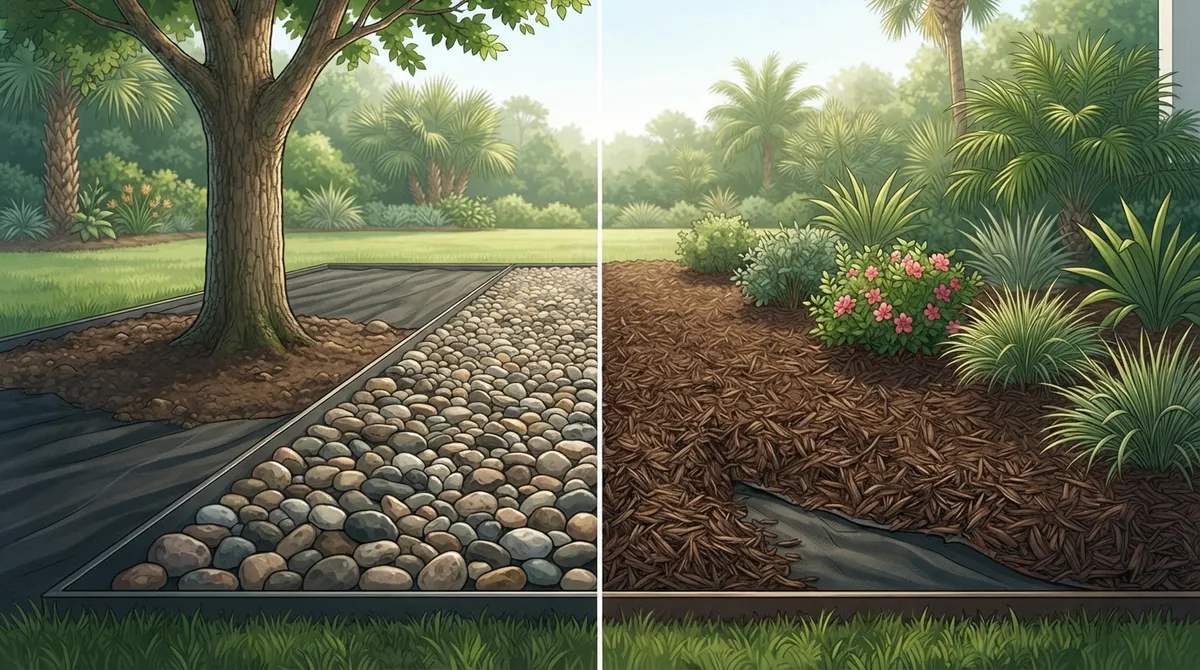
Install landscape fabric under all river rock areas to prevent weeds from pushing through within weeks; without this barrier, you'll need constant weeding and lose the low-maintenance benefit.
-
Use solid edging rising 2-4 inches above ground between rock and mulch zones to prevent materials from drifting together during heavy Florida rain and foot traffic.
-
Apply mulch at correct depths: 2-3 inches for established trees/shrubs, 3 inches for general beds, and only 1 inch for seedlings; keep mulch 3-6 inches away from tree trunks to prevent rot and disease.
-
Match river rock size to your yard scale: use 1-3 inch stones for borders and general cover, larger cobblestones for accent features, and 8-12 inch borders for clean bed edges.
-
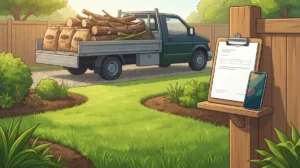
Clear all site debris, old roots, and construction material before installation; junk removal before hardscape work prevents project delays and ensures a clean final result.
-
Plan drainage before installation by checking water flow patterns and correcting low spots with grading or rock-lined channels to prevent standing water and mulch washout during storms.
Mixing river rock with mulch sounds simple, but plenty of Riverview homeowners end up with weedy borders, faded stone, or soggy plant beds because of a few avoidable mistakes. If you have been eyeing that gorgeous rock-and-mulch look you see around Riverview neighborhoods, you are in the right place. We will walk you through the most common hardscape mulch combination riverview mistakes and show you exactly how to sidestep them.
Whether you are a busy homeowner trying to boost curb appeal before a family gathering, a property manager keeping rental units looking sharp, or a real estate agent staging a home for sale, getting this combination right matters. Done poorly, it looks messy within a season. Done right, it can look great for years with very little upkeep. Let’s dig in.
Why Riverview Homeowners Love the Hardscape Mulch Combination
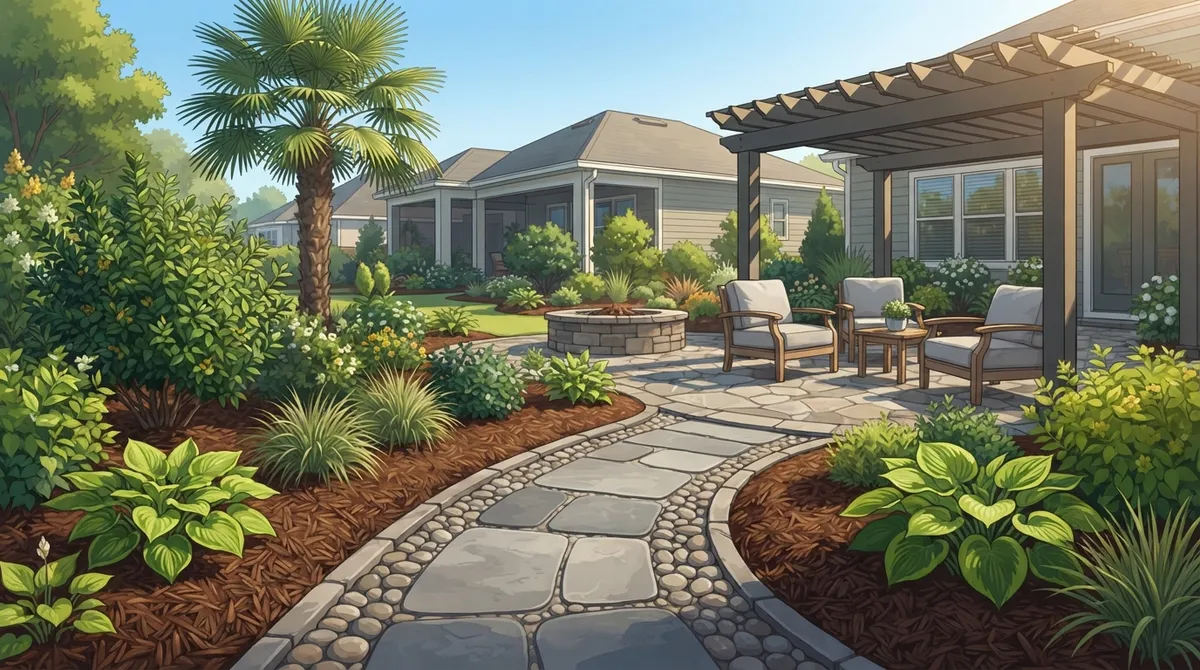
Riverview’s hot, humid climate makes landscaping choices a bit tricky. You need something that handles heavy rain, blazing sun, and the occasional drought. That is exactly why so many local yards blend hardscape materials like river rock with traditional mulch.
River rock handles drainage beautifully and barely changes no matter how much rain falls. Mulch, on the other hand, keeps your plants happier by holding in moisture and feeding the soil as it breaks down. Combining both gives you the best of both worlds, as long as you avoid these common slip-ups.
Mistake 1: Skipping the Landscape Fabric Under Rock Areas
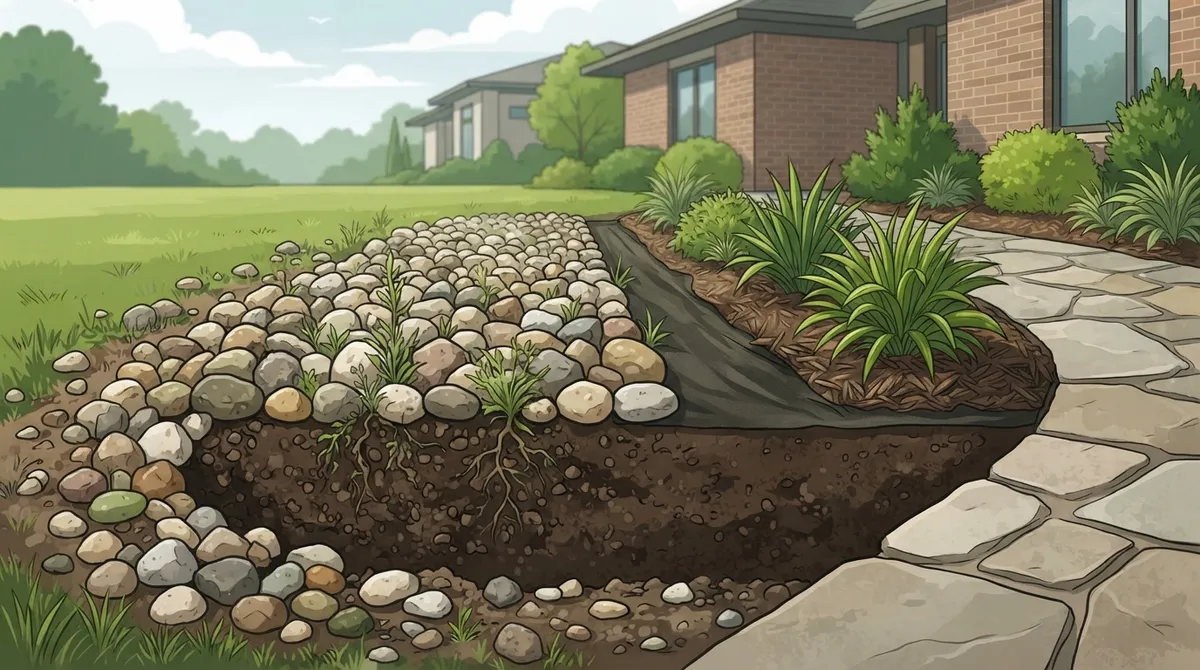
One of the biggest mistakes we see is placing river rock directly on bare soil. Without a barrier, weeds push right through the rock within weeks, and the whole area looks unkempt fast.
Landscape fabric acts as a shield between the soil and the stone. It blocks weed seeds from sprouting while still letting water drain through. Skipping this step means you will be pulling weeds out of rock beds constantly, which defeats the whole purpose of low-maintenance hardscaping.
Mistake 2: Letting Rock and Mulch Mix Together
Without a clear boundary, rock and mulch drift into each other over time. Rain, foot traffic, and even lawn mowing push materials around until your clean design turns into a jumbled mess.
The fix is simple: install solid edging between the two zones. Here are a few edging options that work well in Riverview yards:
- Steel or aluminum landscape edging for a crisp, modern line
- Paver or brick borders for a classic look
- Rubber edging for budget-friendly flexibility
- Concrete curbing for a permanent, long-lasting divide
Most edging should rise 2 to 4 inches above the ground. This height stops mulch and stone from spilling into each other even during heavy Florida downpours.
Mistake 3: Using the Wrong Material in the Wrong Spot
Not every plant bed needs mulch, and not every walkway needs rock. Using the wrong material in the wrong place leads to drainage problems, dead plants, or wasted money.
| Feature | River Rock | Mulch |
|---|---|---|
| Best Use | Borders, walkways, low-traffic areas, drainage zones | Planting beds, around trees and shrubs |
| Moisture Retention | Low | High |
| Soil Health Benefit | None | Adds organic matter as it breaks down |
| Heat Tolerance | Excellent | Moderate |
| Typical Lifespan | Many years, rarely needs replacing | 1 to 2 years before it needs refreshing |
As a general rule, keep rock in areas where drainage and heat resistance matter most, and save mulch for beds where your plants actually need the moisture and nutrients.
Mistake 4: Piling Mulch Too High Around Trunks
This one causes real damage. Piling mulch up against a tree trunk, sometimes called volcano mulching, traps moisture against the bark. That moisture invites rot, pests, and disease.
Instead, follow these steps for proper mulch application around trees and shrubs:
- Clear away any old mulch that has piled against the trunk
- Spread mulch in a wide, flat ring around the base
- Keep mulch 3 to 6 inches away from the trunk itself
- Apply 2 to 3 inches of mulch depth around established trees and shrubs
- Check depth every few months and refresh as needed
UF/IFAS recommends about 3 inches of mulch for most landscape beds, but only 1 inch for seedlings or small vegetable and herb plants so their growth is not held back.
Mistake 5: Ignoring Mulch Depth Guidelines Entirely
Too little mulch means weeds sneak through and moisture evaporates fast. Too much mulch smothers roots and can cause the same rot issues as volcano mulching. Getting the depth right really does matter.
Here is a quick depth reference for Riverview yards:
- General landscape beds: about 3 inches
- Around established trees and shrubs: 2 to 3 inches
- Seedlings and small herbs or vegetables: 1 inch only
- Time to replenish: whenever depth drops below 2 inches
Checking mulch depth a couple times a year keeps your beds healthy without wasting material or money.
Mistake 6: Choosing the Wrong River Rock Size
Not all river rock is created equal, and picking the wrong size can throw off both the look and function of your design. Smaller stones scatter easily, while oversized rock can look out of place in a small bed.
A few common size ranges used by landscapers include:
- 1 to 3 inch river rock for borders and general ground cover
- Larger cobble stones for dry creek beds and accent features
- An 8 to 12 inch wide border strip along the outer edge of a planting bed for a clean, defined look
Matching the rock size to the scale of your yard makes a huge difference in how polished the final result looks.
Mistake 7: Forgetting About Drainage Before Installation
Riverview gets its fair share of heavy summer storms, and a hardscape mulch combination that ignores drainage can turn into standing water and washed-out mulch after just one storm.
Before laying down any material, check how water naturally flows through your yard. Low spots may need extra grading or a small drainage channel lined with rock. This upfront planning step saves you from redoing the whole project later.
Mistake 8: Skipping Site Cleanup Before Installation
You cannot build a great hardscape mulch combination on top of old debris, dead roots, or leftover construction material. Skipping this step is one of the most overlooked mistakes homeowners make.
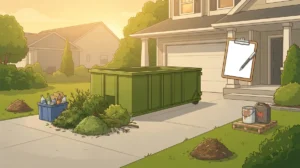
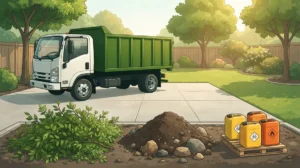
Before any rock or mulch goes down, the site needs to be cleared completely. This is where junk removal and landscaping services often overlap. Old fencing, downed branches, construction leftovers, and general yard clutter all need to go first. If a recent storm left storm debris removal Riverview on your to-do list, handling that before installation saves time and headaches later.
How Wayne & Sons Handles Hardscape and Mulch Projects in Riverview
At Wayne & Sons Landscaping & Junk Removal, we have spent over 15 years helping homeowners across Riverview, Brandon, and the greater Tampa Bay area get their yards looking sharp. We handle everything from the initial site cleanup to the final mulch spread.
Our team offers full landscaping services including grading, drainage correction, and rock or stone placement, plus junk removal in Brandon and nearby areas to clear the way before any new design goes in. We keep pricing transparent and upfront, so there are no surprise costs once the work begins.
Curious what past customers have experienced? You can read our customer reviews or check out real project photos in our landscaping gallery. You can also see what our Wayne & Sons Landscaping & Junk Removal customers say by visiting our Google Business Profile or checking our listing on Thumbtack.
Quick Comparison: DIY vs Professional Installation
| Factor | DIY Installation | Professional Installation |
|---|---|---|
| Time Investment | A full weekend or more | Completed in a single visit for most yards |
| Material Waste | Common due to guesswork on quantities | Calculated accurately before delivery |
| Drainage Planning | Often overlooked | Assessed before installation begins |
| Long-Term Maintenance | Higher due to shifting or weed growth | Lower with proper edging and fabric |
Best Practices for a Long-Lasting Hardscape Mulch Combination
To wrap up the practical side of things, here is a simple checklist to follow before, during, and after installation:
- Clear the site of all debris, old plants, and junk
- Test and correct drainage issues in low spots
- Lay landscape fabric under all rock zones
- Install solid edging between rock and mulch areas
- Apply mulch at the correct depth for your plant types
- Keep mulch away from tree trunks and plant stems
- Check mulch depth every few months and top off as needed
- Inspect edging yearly for shifting or damage
Following these steps keeps your Riverview yard looking fresh through every season, including the intense summer heat that this part of Florida is known for. If you also have palm trees on the property, regular palm tree trimming in Riverview pairs nicely with a fresh hardscape and mulch refresh.
When Junk Removal Should Happen Before Landscaping
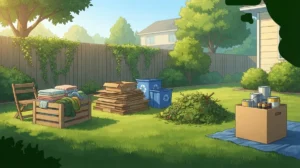
A lot of homeowners do not realize how much old junk sits hidden in overgrown beds until they start a landscaping project. Rusted tools, broken pots, old fencing, and forgotten construction scraps often turn up once digging begins.
Clearing this out first prevents delays and keeps your new hardscape mulch combination looking clean from day one. Contractors and builders finishing up a renovation project often need this kind of cleanup too, especially when wrapping up work near Brandon, Florida and surrounding Riverview neighborhoods.
Ready to Upgrade Your Riverview Landscape?
A well-planned hardscape mulch combination can transform a tired yard into a standout property, but only when the details are handled correctly. From proper edging to correct mulch depth, every step matters for a result that lasts.
If you are ready to get started, reach out to our team for a straightforward estimate, or give us a call to talk through your project today. We proudly serve Riverview, Brandon, and the surrounding Tampa Bay communities with landscaping and junk removal services built on honest pricing and dependable results.
FAQs
Q: Can you mix river rock and mulch in the same landscape bed?
A: Absolutely, and it is one of the most popular looks we install in Riverview. The trick is keeping them separated with solid edging so the rock stays as a border or accent while mulch does its job in the planting areas.
Q: What is the best way to separate hardscape and mulch?
A: Solid edging that rises 2 to 4 inches above the ground works best. Steel, paver, or concrete edging all do a great job keeping stone and mulch from drifting into each other over time.
Q: How deep should mulch be around trees and shrubs?
A: UF/IFAS recommends 2 to 3 inches around established trees and shrubs, and about 3 inches for general landscape beds. Just remember to keep it away from the trunk itself to avoid rot.
Q: Is river rock or mulch better for weed control?
A: Both work well when installed correctly, but river rock paired with landscape fabric underneath tends to block weeds a bit longer. Mulch still does a solid job, especially when kept at the right depth.
Q: What should junk removal crews clear before installing mulch and hardscape?
A: Old debris, broken fencing, dead plant material, and any leftover construction scraps should all be cleared first. Starting with a clean site makes the whole installation smoother and the final result look much better.
Our Service Area