Key Takeaways
-
Replace water-hungry turf grass with native plants like coneflowers, black-eyed Susans, and sedums that thrive in Florida’s heat with minimal irrigation once established.
-
Install drip irrigation systems or smart timers and apply 2-3 inches of mulch to retain soil moisture, directly reducing water bills and maintenance costs year-round.
-
Use permeable pavers, gravel beds, and decomposed granite paths as hardscape features to replace concrete and reduce water runoff while suppressing weeds.
-
Group plants by water needs during design, placing high-water plants together for efficient irrigation and separating them from drought-tolerant species.
-
Professional junk removal of old sod, dead plants, and broken irrigation equipment is essential before converting a lawn, creating a clean slate for soil amendment and new plantings.
-
Drought-tolerant landscapes increase property value and appeal to buyers while reducing maintenance demands—particularly beneficial for busy homeowners, property managers, and seniors.
Florida summers are no joke. The heat, the water bills, and the constant upkeep of a thirsty lawn can wear down even the most dedicated homeowner. If you live in Brandon, Florida or the surrounding Tampa Bay area, drought tolerant landscaping may be the smartest upgrade you can make to your property this year. In 2026, more homeowners, property managers, and real estate professionals are making the switch — and for good reason. Water-wise yards look great, cost less to maintain, and hold up far better during dry spells. Whether you are starting from scratch or converting an existing lawn, this guide walks you through everything you need to know about creating a beautiful, low-water landscape that works for Florida’s climate.
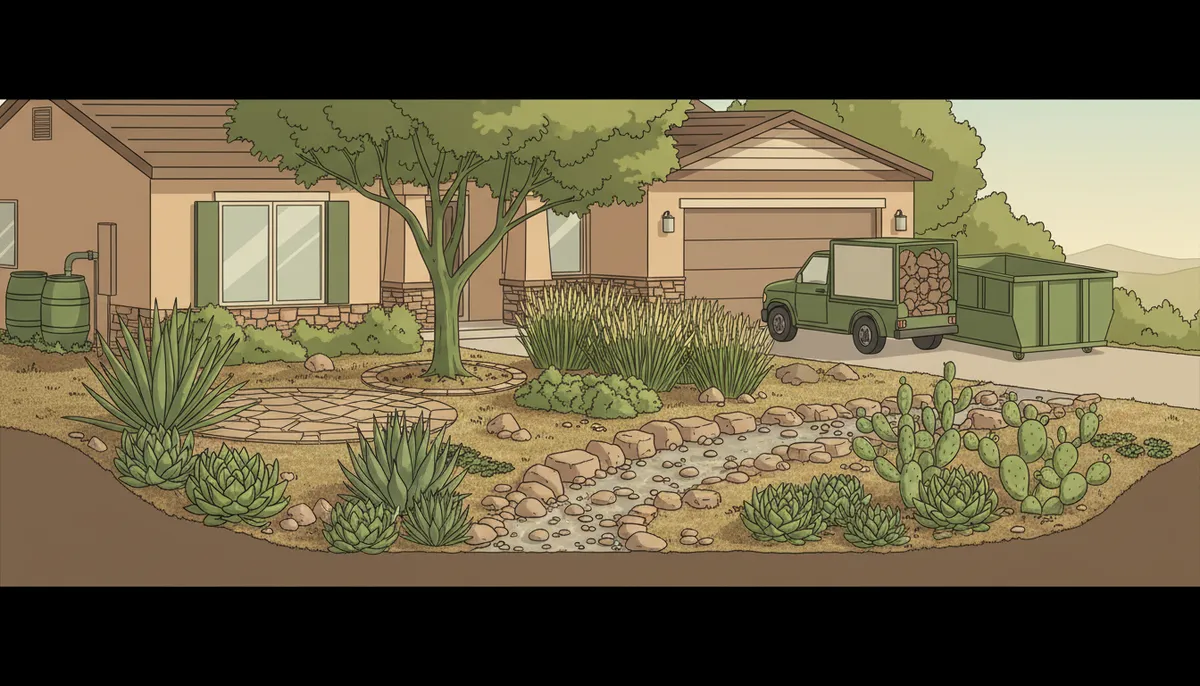
What Is Drought Tolerant Landscaping?
Drought tolerant landscaping — also known as xeriscaping — is a design approach that uses plants, materials, and techniques that require minimal water. Instead of relying on high-maintenance turf grass and frequent irrigation, this method uses native plants, groundcovers, hardscapes, and efficient watering systems to create a yard that thrives with little help from you.
This is not about turning your yard into a dusty rock garden. Modern drought tolerant designs are lush, colorful, and visually stunning. The key difference is that they are built to survive — and even thrive — with far less water than traditional landscaping requires. Explore the full range of landscaping services that can support this transition.

Why It Matters in 2026
Climate patterns across Florida have become increasingly unpredictable. Extended dry periods, water use restrictions, and rising utility costs are pushing homeowners and property managers to rethink their approach. According to a 2026 forecast from industry experts, drought-tolerant landscaping is expected to become the dominant design choice by mid-year due to climate change, water costs, and ecological benefits.
Native and drought-tolerant plants also reduce the need for fertilizers and irrigation — directly lowering utility bills and ongoing maintenance costs. That is a major win for busy homeowners and rental property managers who want curb appeal without constant upkeep.
|
Traditional Landscaping |
Drought Tolerant Landscaping |
|---|---|
|
High water usage |
Significantly reduced water usage |
|
Frequent mowing and edging |
Minimal mowing needed |
|
Regular fertilizer applications |
Little to no fertilizer required |
|
Higher utility bills |
Lower long-term costs |
|
Susceptible to drought damage |
Resilient during dry periods |
Top Drought Tolerant Plants for Florida Landscapes
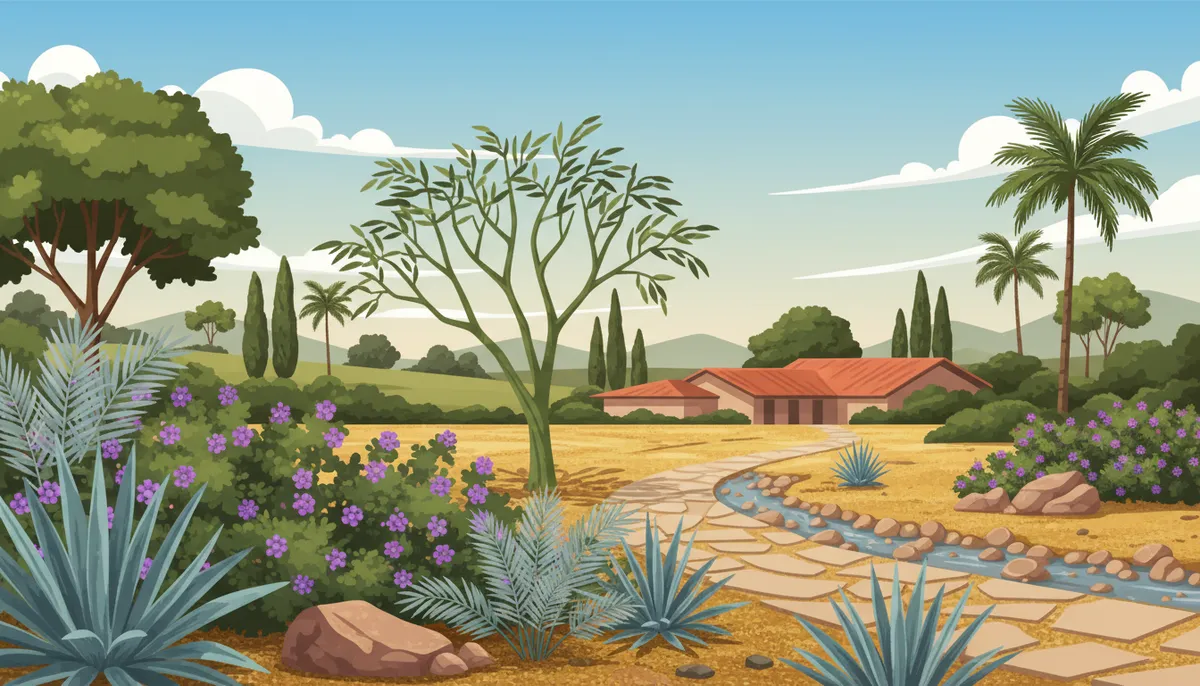
Choosing the right plants is the foundation of any successful water-wise yard. In Florida, you have access to a wide variety of native and adaptable plants that look great while using minimal water. Here are some top performers for the Brandon and Tampa Bay region.
Best Native and Adaptive Plants for Low-Water Yards
-
Coneflowers (Echinacea) — Colorful, pollinator-friendly, and extremely resilient
-
Black-Eyed Susans — Cheerful yellow blooms that thrive in heat and drought
-
Little Bluestem ornamental grass — Elegant texture with deep drought tolerance
-
Sedums and succulents — Stores water in leaves, perfect for hot climates
-
Lavender and sage — Silvery foliage that reflects heat and repels pests
-
Prairie Dropseed grass — Low-growing, fine-textured, and nearly maintenance-free
-
Edible herbs (rosemary, thyme) — Functional, fragrant, and drought-hardy
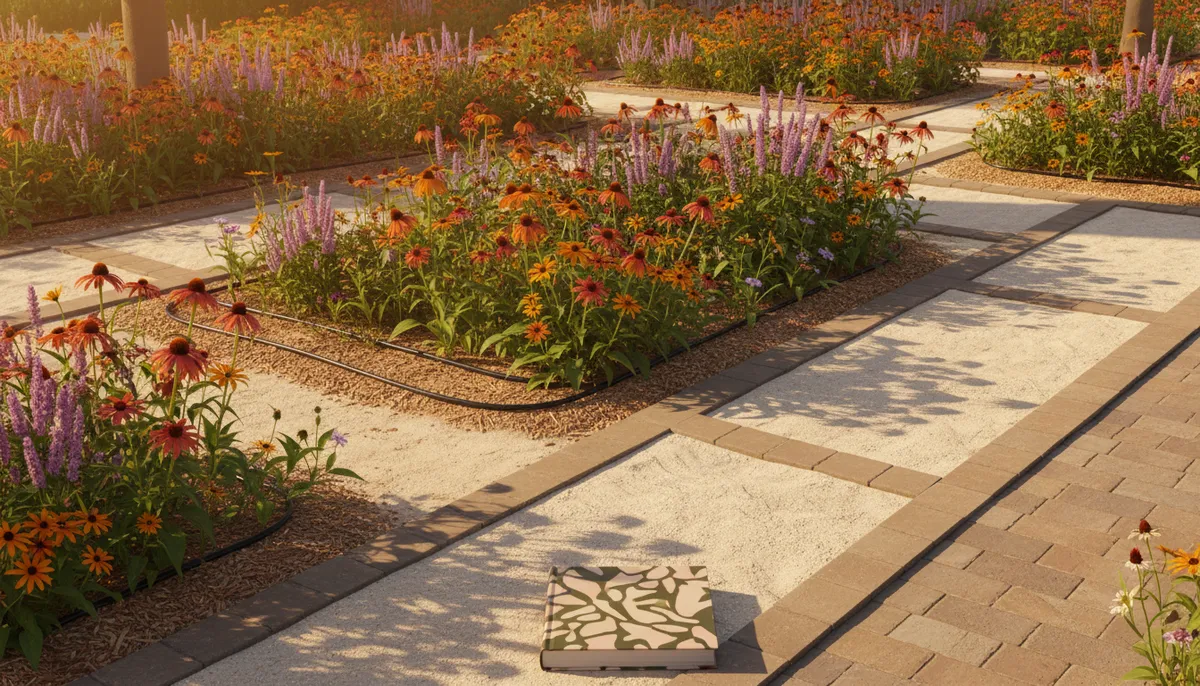
Many of these plants feature adaptations like deep taproots, succulent leaves, or narrow foliage that minimize water loss. This means once they are established, they require very little supplemental watering. You can also pair these with properly trimmed shrubs in Brandon to add layered structure and visual depth to your design.
The 7 Core Principles of Xeriscaping
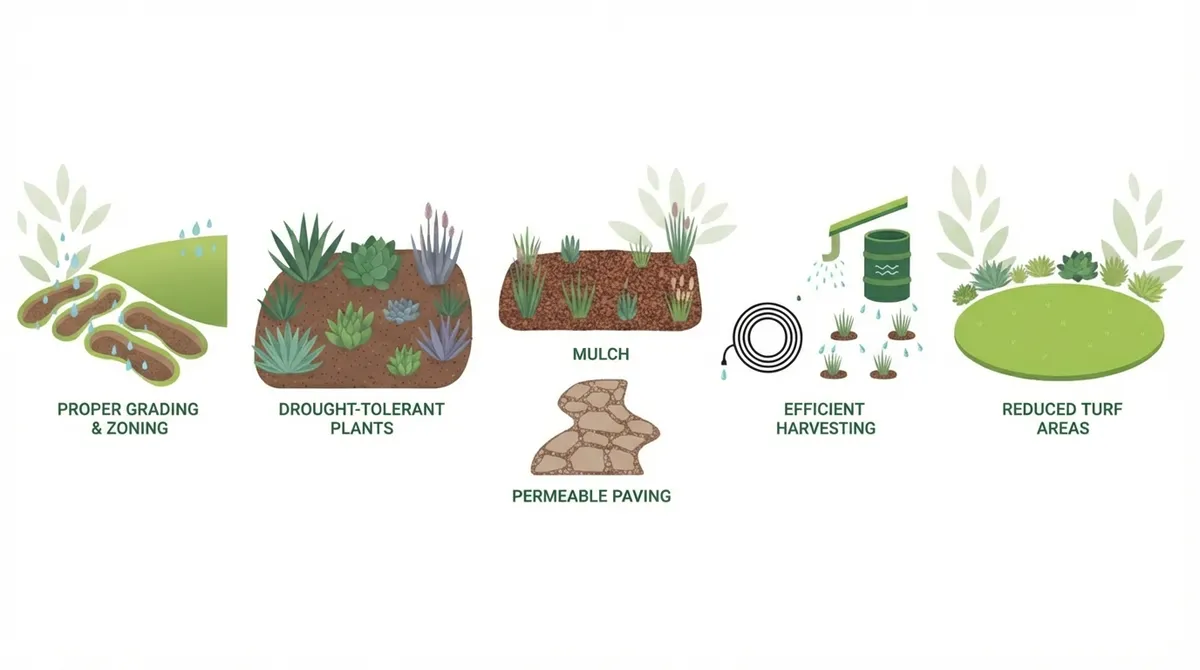
Xeriscaping is not just about plant selection. It is a complete design philosophy that guides how you plan and build your outdoor space. Follow these principles for the best results.
-
Plan and design first — Map your space, note sun and shade patterns, and plan before planting
-
Improve your soil — Amend soil with organic matter to improve water retention and drainage
-
Choose drought tolerant plants — Select species suited to Florida’s heat and dry spells
-
Group plants by water needs — Place high-water plants together and low-water plants together for efficient irrigation
-
Use mulch generously — A 2-3 inch layer of mulch retains soil moisture and suppresses weeds
-
Install smart irrigation — Use drip systems or smart timers to deliver water directly to roots
-
Maintain regularly — Prune, weed, and adjust irrigation seasonally to keep your yard efficient
Hardscape Features That Support Water-Wise Yards
Plants are only part of the equation. Hardscape elements play a huge role in drought tolerant landscaping by replacing water-hungry turf and reducing runoff. In 2026, permeable pavers, gravel beds, and locally sourced stone are among the most popular design choices.
|
Hardscape Feature |
Benefit |
Best Use Case |
|---|---|---|
|
Permeable pavers |
Reduces runoff, allows rainwater absorption |
Driveways, patios, walkways |
|
Gravel and rock beds |
Retains heat, suppresses weeds |
Planting borders, accent areas |
|
Decomposed granite paths |
Permeable and low-cost |
Garden walkways |
|
Flagstone and local stone |
Durable, natural look |
Seating areas, garden edges |
|
Ground cover plants |
Living mulch that crowds out weeds |
Slopes, open lawn areas |
Adding hardscape features often involves removing existing turf, concrete slabs, or old landscaping materials. That is where professional junk removal in Brandon comes in. A clean-slate removal of old lawn materials, dead plants, and debris sets the stage for a flawless new design.
How Junk Removal Supports a Landscape Conversion
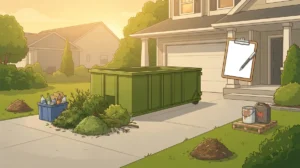
Converting a traditional lawn to a drought tolerant design is not just about adding new plants. It often means clearing out the old first. Dead turf, overgrown shrubs, discarded pots, broken irrigation components, and yard waste can pile up fast during a landscape renovation.
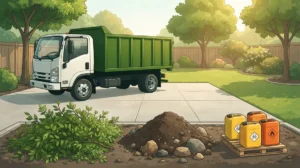
Professional junk hauling in Brandon ensures that all of that material is removed quickly and responsibly. Whether you are a homeowner doing a full yard makeover or a contractor completing a commercial property conversion, having a reliable removal team on-site keeps the project moving efficiently.
What Junk Removal Typically Handles During a Landscaping Conversion
-
Old sod and dead grass removal
-
Overgrown or dead shrub and plant debris
-
Broken or outdated irrigation equipment
-
Concrete edging, old pavers, or cracked hardscape materials
-
Yard waste, leaves, and organic debris
-
Leftover construction materials from hardscape installations
After a storm, debris can complicate landscaping projects even further. Storm debris removal in Brandon is an essential service that helps homeowners and property managers get their yards back on track quickly and safely.
Palm Trees and Drought Tolerant Design
Florida’s iconic palm trees are naturally drought tolerant once established. They make an excellent anchor for a water-wise landscape, adding height, texture, and that classic tropical look without demanding heavy watering. Proper maintenance is essential, however, to keep palms healthy and attractive. Professional palm tree trimming prevents overgrowth, removes dead fronds, and keeps the tree structurally sound — especially important before hurricane season.
Pairing palms with drought tolerant groundcovers and ornamental grasses creates a layered, visually rich landscape that requires minimal upkeep. This combination is particularly popular in 2026 for homeowners looking to reduce their lawn care workload while boosting curb appeal.
Steps to Convert Your Lawn to a Drought Tolerant Landscape
Ready to make the switch? Here is a straightforward step-by-step approach to converting your traditional lawn into a water-wise outdoor space.
-
Assess your current yard — Identify what is staying, what needs to be removed, and where drainage issues exist
-
Schedule a junk removal and cleanup — Clear out dead plants, old sod, broken materials, and yard waste
-
Amend and grade your soil — Improve drainage and prepare the ground for new plantings
-
Install hardscape elements first — Lay permeable pavers, gravel beds, or stone pathways before planting
-
Plant drought tolerant species — Choose natives and adaptive plants suited to your sun exposure and soil type
-
Apply a thick layer of mulch — Cover planting beds with 2-3 inches of organic mulch to retain moisture
-
Set up drip or smart irrigation — Water new plants consistently during the first season to establish strong root systems
-
Schedule routine maintenance — Trim hedges, manage plant growth, and adjust irrigation seasonally
For professional hedge and shrub management as part of your new design, explore the hedges service in Brandon to keep your landscape looking sharp year-round. You can also review completed project examples in the project gallery for design inspiration.
Benefits of Drought Tolerant Landscaping at a Glance
|
Benefit |
Impact |
|---|---|
|
Water savings |
Substantially lower water bills year-round |
|
Lower maintenance costs |
Less mowing, weeding, fertilizing, and irrigation repair |
|
Increased curb appeal |
Attractive, professional appearance boosts property value |
|
Pollinator support |
Native plants attract bees, butterflies, and beneficial insects |
|
Environmental impact |
Reduces chemical runoff and supports local ecosystems |
|
Drought resilience |
Yard stays healthy during water restrictions and dry periods |
Who Benefits Most from Drought Tolerant Landscaping?
Drought tolerant landscaping is not just for eco-conscious homeowners. It delivers real value across many property types and owner situations.
-
Busy homeowners — Less weekly maintenance means more time for things that matter
-
Real estate professionals — Attractive, low-maintenance yards increase buyer appeal and listing value
-
Property managers — Reduced upkeep costs across multiple units improve net operating income
-
Contractors and builders — Clean landscaping installs add value to completed projects
-
Seniors downsizing — Simpler yards require less physical upkeep and are easier to manage
Traditional lawn mowers are a staple of conventional lawn care, but with drought tolerant landscaping, you may rarely need one. Learn more about how reduced turf areas can lower your reliance on equipment like a lawn mower and simplify your outdoor routine.
Why Choose Wayne and Sons for Your Drought Tolerant Landscaping Project
Wayne & Sons Landscaping & Junk Removal has served the Brandon, Florida area and greater Tampa Bay region for over 15 years. The team brings expertise in both landscaping design and junk removal — making them uniquely positioned to handle full landscape conversions from start to finish. Whether you need an old lawn cleared, new drought tolerant plants installed, or ongoing shrub and hedge maintenance, the team delivers prompt, professional service with transparent pricing and no surprises.
You can see what customers are saying by visiting our reviews page or checking out what clients have shared on our Google Business Profile. Wayne & Sons is also featured on Thumbtack, where verified reviews reflect the team’s consistent quality and reliability.
Conclusion
Drought tolerant landscaping is one of the smartest investments you can make in your property in 2026. It saves water, reduces maintenance, supports local wildlife, and keeps your yard looking beautiful even during dry Florida summers. From choosing the right native plants and hardscape features to clearing out old debris with professional junk removal, the path to a water-wise yard is straightforward when you have the right team supporting you.
Ready to transform your outdoor space into a low-water, high-impact landscape? Get in touch with our team at Wayne & Sons Landscaping & Junk Removal today, or give us a call at (813) 452-1570 to schedule a consultation. Serving Brandon, Riverview, Tampa, Valrico, and the entire surrounding area — we are here to make your landscape upgrade effortless.
FAQs
Q: What are the best drought tolerant plants for Florida landscapes?
A: Some of the best drought tolerant plants for Florida include Coneflowers, Black-Eyed Susans, Little Bluestem grass, sedums, succulents, lavender, sage, rosemary, and thyme. Native species that have adapted to Florida’s heat and seasonal dry spells are particularly effective at establishing strong root systems with minimal irrigation once planted.
Q: How much water can xeriscaping actually save?
A: Xeriscaping can significantly reduce household water usage compared to traditional turf-based lawns. By replacing water-hungry grass with drought tolerant plants, mulch, groundcovers, and hardscapes, homeowners in the Brandon and Tampa Bay area can see notable reductions in their irrigation needs and utility costs, particularly during Florida’s dry season.
Q: Does drought tolerant landscaping require junk removal first?
A: In most cases, yes. Converting a traditional lawn to a drought tolerant design often requires removing old sod, dead plants, broken irrigation equipment, and other yard debris. Professional junk removal services ensure the site is clean and ready for new plantings, hardscapes, and soil preparation before the new design is installed.
Q: How long does it take for drought tolerant plants to establish?
A: Most drought tolerant plants require consistent watering during their first growing season to develop deep, strong root systems. After that initial establishment period — typically one full season — these plants are capable of thriving with minimal supplemental irrigation, even during extended dry periods common to Florida summers.
Q: Can drought tolerant landscaping increase my property value?
A: Yes. A well-designed drought tolerant landscape improves curb appeal, reduces ongoing maintenance costs, and signals long-term value to prospective buyers. Real estate professionals and property managers increasingly recognize water-wise yards as a desirable feature, particularly as water costs and climate considerations become more prominent in the Brandon and Tampa Bay market.