Key Takeaways
-
Contact a professional debris removal crew within 24-48 hours after a storm to prevent secondary damage like pest infestations, waterlogging, and lawn deterioration from decomposing waste.
-
Never attempt to move large branches or tree limbs alone; they can weigh hundreds of pounds and cause serious back injuries—professional teams have proper equipment and training.
-
Follow local Hillsborough County disposal regulations by separating debris into types (branches, leaves, soil, rocks) and using scheduled pickup services to avoid fines and ensure eco-friendly disposal.
-
Inspect palm trees and tropical shrubs for hidden storm damage like loose fronds, broken trunks, and uprooted roots, as these pose safety hazards and need professional trimming to encourage healthy regrowth.
-
Always perform a thorough post-cleanup inspection to catch hidden damage to tree roots, hedges, drainage systems, and compacted lawn areas that could worsen over time if left unaddressed.
-
Use professional commercial-grade equipment and services for heavy debris; standard mowers and consumer tools can be damaged and cause injuries when used on storm debris-covered properties.
A storm can leave your yard looking like a disaster zone overnight. Fallen branches, scattered leaves, broken limbs, and uprooted plants can pile up fast. For homeowners in Brandon, Florida and the nearby Mango community, post-storm cleanup is a serious task that requires the right approach. Getting it wrong can cost you time, money, and even your safety.
Many property owners make avoidable mistakes when handling storm debris removal. These errors can lead to injuries, property damage, fines, and delays in restoring your yard. Whether you manage a rental property, are preparing a home for sale, or simply want your lawn looking its best again, knowing what NOT to do is just as important as knowing what to do.
This guide covers seven common storm debris removal mistakes and how to avoid them. By the end, you will have a clear picture of how to handle post-storm cleanup safely, efficiently, and without unnecessary headaches.
Why Storm Debris Removal in Mango Matters
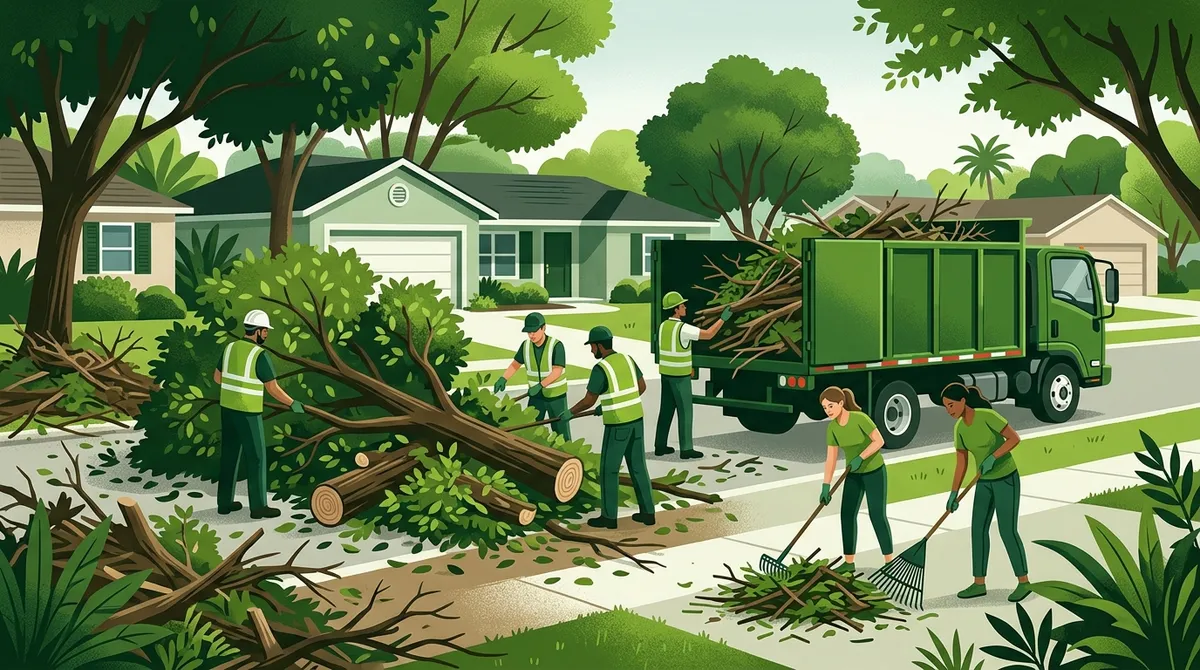
The Mango area of Hillsborough County sits right in the heart of Florida’s storm season. Tropical storms and heavy thunderstorms are common, especially between June and November. When a storm passes, the debris left behind is more than just an eyesore. Fallen branches and scattered debris can attract pests, create safety hazards, and violate local disposal regulations if not handled properly.
Prompt storm debris removal in Brandon and surrounding communities like Mango is essential for keeping your property safe and looking its best. Acting quickly also reduces the risk of secondary damage, like waterlogging or mold growth from decomposing yard waste sitting too long.
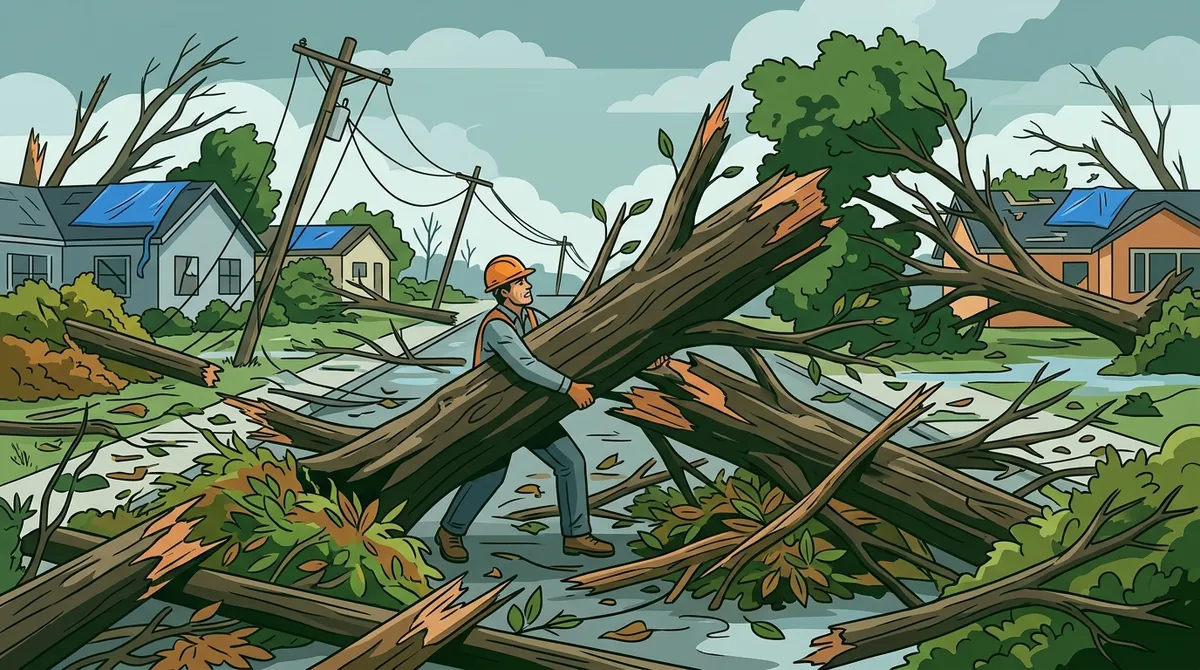
Mistake 1: Attempting to Handle Large Debris Alone
One of the biggest mistakes homeowners make is trying to move heavy branches or large tree limbs by themselves. This is dangerous. A single large branch can weigh hundreds of pounds. Attempting to drag or lift it without proper equipment or help can cause serious back injuries or worse.
Professional teams trained in down tree removal in Brandon have the right tools and experience to handle large debris safely. They can assess the risk of each piece, use proper lifting techniques, and remove hazards without causing further damage to your yard or structures.
- Never attempt to move a large limb resting on a fence or structure alone
- Avoid standing directly under unstable hanging branches
- Do not use a chainsaw without proper training or safety gear
- Keep children and pets away from debris areas until cleared
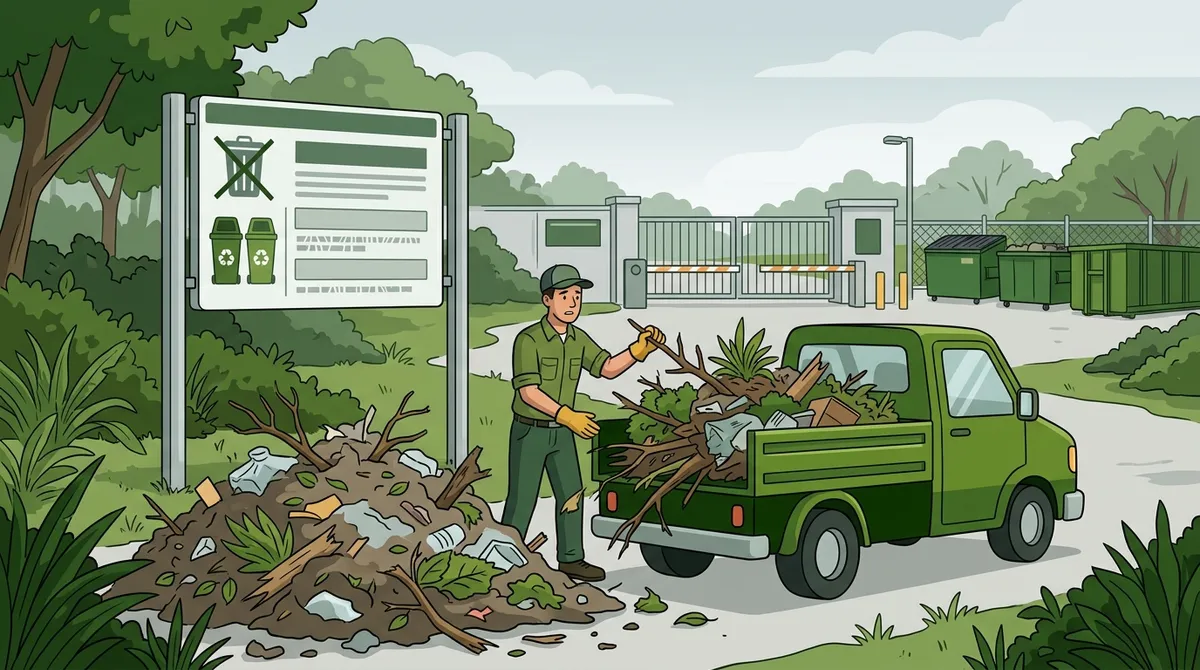
Mistake 2: Ignoring Local Disposal Rules
Florida communities have specific rules about how yard waste and storm debris must be disposed of. Simply piling debris on the curb and expecting it to disappear is not always the right move. Some areas have scheduled pickup days. Others require debris to be separated into different categories, like branches versus leaves versus soil.
Ignoring these rules can result in fines or uncollected debris sitting in front of your home for weeks. A professional junk removal service in Brandon knows the local disposal requirements and will handle everything correctly, including eco-friendly disposal of green waste.
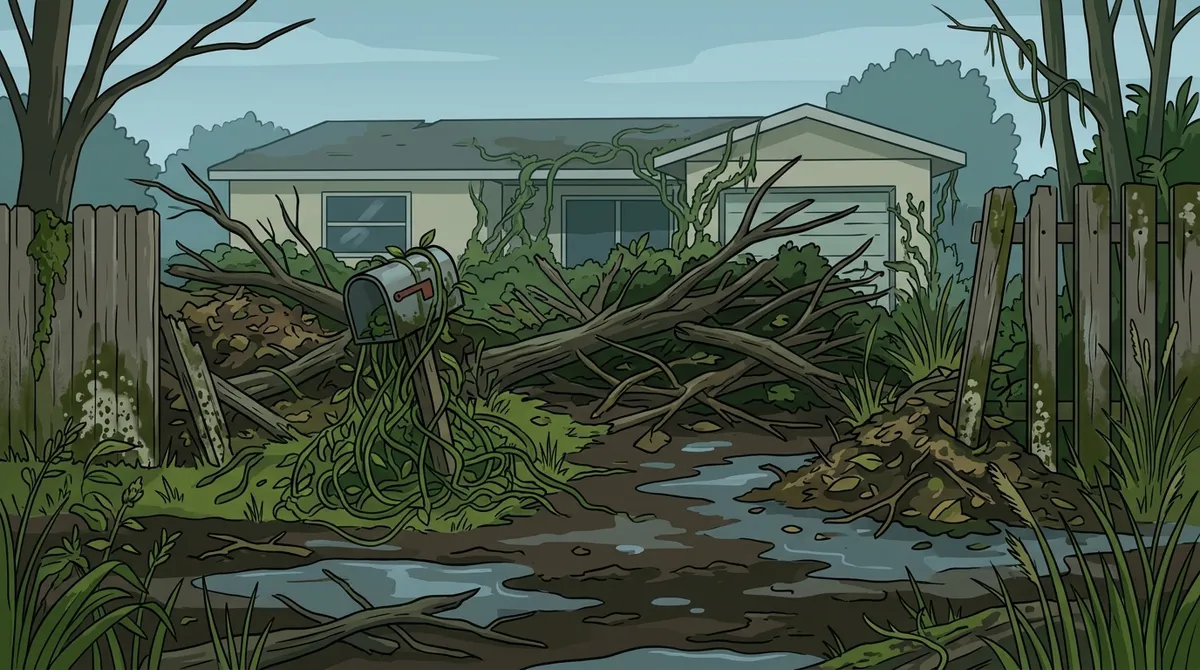
Mistake 3: Delaying Cleanup Too Long
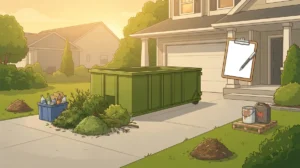
Time is critical after a storm. Waiting too long to begin storm debris removal in the Mango area creates bigger problems. Wet leaves and broken branches can block drainage, lead to pest infestations, and even damage your lawn by smothering the grass underneath.
Here is a simple timeline to follow after a storm:
- Within 24 hours: Do a safety walk-through of your property to identify hazards
- Within 48 hours: Contact a professional crew to schedule cleanup
- Within 72 hours: Begin active removal of debris, starting with the largest hazards first
- Within one week: Perform a follow-up inspection and tidy any remaining small debris
Many professional services, including Wayne & Sons Landscaping & Junk Removal, offer prompt scheduling to ensure your property is cleaned up as quickly as possible after storm events.
Mistake 4: Overlooking Palm Trees and Shrubs
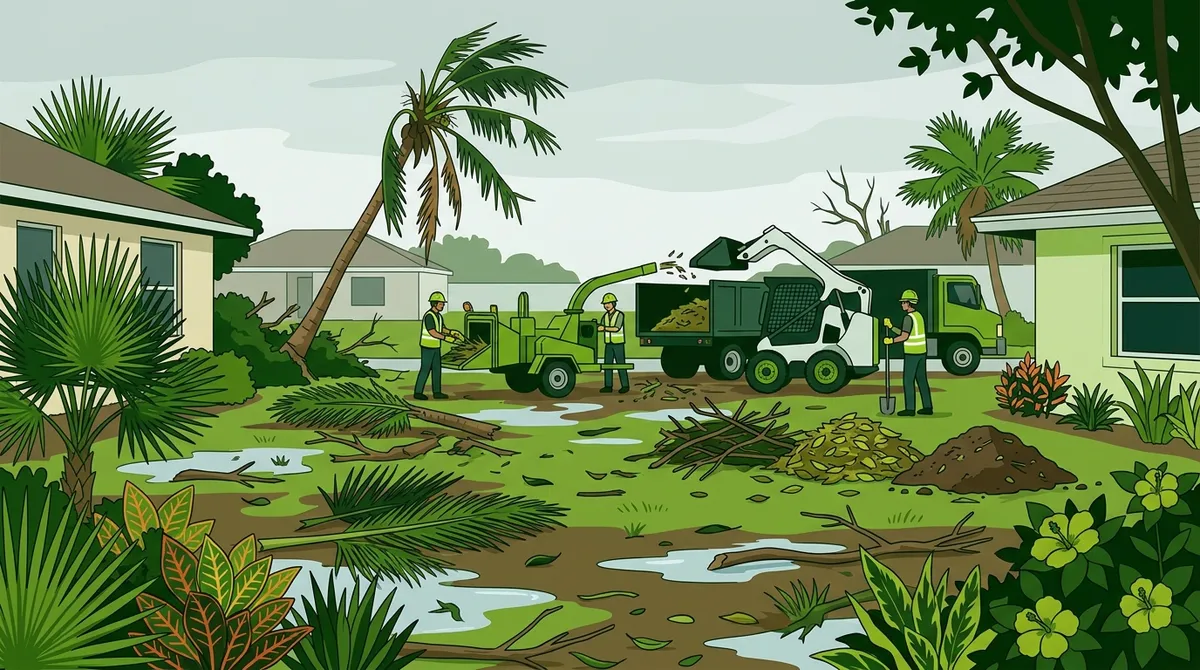
In Florida, palm trees and tropical shrubs are everywhere. Storms often leave them damaged, with loose fronds, broken trunks, or uprooted roots. Many homeowners focus on picking up branches and leaves but forget to inspect their palms and shrubs for storm damage.
Damaged palm fronds can be heavy and sharp. They pose a real risk if they fall on people or vehicles. Professional palm tree trimming services can remove loose or broken fronds safely, protecting both your property and your neighbors. Similarly, damaged shrubs in Brandon should be assessed and trimmed to encourage healthy regrowth after storm stress.
| Plant Type | Common Storm Damage | Recommended Action |
|---|---|---|
| Palm Trees | Loose fronds, broken trunk tips | Professional frond removal and trimming |
| Shrubs | Broken stems, uprooted roots | Trim, reshape, or remove if severely damaged |
| Hedges | Bent or snapped branches | Selective pruning to restore shape |
| Trees | Fallen limbs, root exposure | Professional debris removal and assessment |
Mistake 5: Using the Wrong Equipment
Using a standard lawn mower or garden tools to deal with storm debris is a recipe for equipment damage and personal injury. Running a mower over large sticks, rocks, or clumps of wet debris can destroy blades, jam motors, and send debris flying at high speeds.
Storm cleanup requires specific equipment. Professional crews bring commercial-grade tools designed for heavy debris. They also have trucks and trailers to haul away large volumes of waste in a single trip. This is especially important after major storms that leave significant debris across large properties.
- Do not use standard mowers on debris-covered lawns
- Avoid using consumer-grade chainsaws on thick limbs without training
- Do not attempt to burn debris unless local ordinances permit it
- Avoid overloading personal vehicles when trying to haul debris yourself
Mistake 6: Not Separating Debris Types
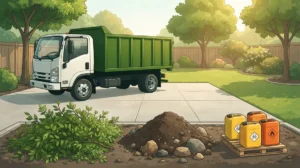
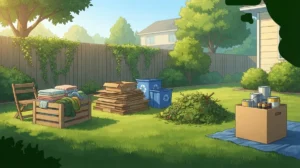
Storm debris is not all the same. Branches, leaves, soil, sod, rocks, and uprooted plants each need to be handled differently. Mixing all debris types into one pile makes disposal harder, less eco-friendly, and sometimes non-compliant with local rules.
Eco-friendly disposal is now a standard expectation in professional junk hauling in Brandon. Green waste like leaves and branches can often be composted or chipped. Soil and rocks may need to go to specific disposal sites. Having a professional team handle this ensures the right materials go to the right places.
| Debris Type | Proper Disposal Method | DIY Feasibility |
|---|---|---|
| Branches and Limbs | Chipping, composting, or green waste pickup | Possible for small branches only |
| Leaves and Grass | Composting or bagged pickup | Feasible with proper bags |
| Soil and Sod | Special disposal sites | Difficult without a truck |
| Rocks and Rubble | Construction debris disposal | Not recommended without equipment |
| Uprooted Plants | Green waste or composting | Manageable in small quantities |
Mistake 7: Skipping the Post-Cleanup Inspection
Many property owners consider the job done once the visible debris is gone. This is a mistake. A thorough post-cleanup inspection is essential to catch hidden damage that could worsen over time. Tree roots may have been disturbed. Hedges may have structural damage that is not obvious at first glance. Lawn areas may have been compacted or damaged under heavy debris.
A post-storm inspection should include checking hedges in Brandon for hidden breaks, examining palm trees for signs of stress, and looking for drainage issues caused by debris blocking water flow. If you are a property manager or real estate agent preparing a home, this step is especially important for maintaining curb appeal and property value.
You can view examples of professional storm cleanup work in the Wayne & Sons project gallery to better understand what a thorough cleanup looks like from start to finish.
How to Choose the Right Storm Debris Removal Service in Mango
Not all yard cleanup services are equal. When selecting a professional crew for storm debris removal in the Mango area, consider the following criteria:
- Experience: Look for companies with a proven track record in post-storm cleanup and comprehensive landscaping services
- Transparent pricing: Choose a service that provides a clear, upfront estimate with no hidden fees
- Eco-friendly practices: Confirm that the company disposes of green waste responsibly
- Speed: After a storm, prompt service matters — look for companies that offer quick scheduling
- Reputation: Check customer reviews and ratings before committing
Wayne & Sons Landscaping & Junk Removal has served the Brandon and surrounding Mango area communities for over 15 years. Their team is experienced in every aspect of storm cleanup, from large limb removal to complete yard restoration. You can also find them listed on Thumbtack with verified customer ratings, or visit their Google Business Profile to read real reviews from local homeowners.
Storm Debris Removal vs. Standard Junk Removal
| Feature | Storm Debris Removal | Standard Junk Removal |
|---|---|---|
| Urgency | High — time-sensitive after storms | Flexible scheduling |
| Debris Type | Branches, leaves, soil, uprooted plants | Household items, furniture, appliances |
| Equipment Needed | Heavy-duty outdoor tools and trucks | Standard hauling equipment |
| Eco-Friendly Disposal | Green waste composting and chipping | Donation, recycling, or landfill |
| Property Inspection | Post-cleanup check recommended | Not typically required |
If your storm cleanup also involves removing damaged furniture, appliances, or other household items from your property, a furniture removal service in Brandon can handle those items alongside the yard debris for a complete, one-stop solution.
For contractors and builders dealing with construction-related storm damage, demolition cleanup in Brandon is another service worth exploring for comprehensive site restoration after a major weather event.
If you are looking for trusted dental care in the area during your busy post-storm recovery period, the team at Dental Theory in Brandon provides convenient and professional dental services for local residents.
Quick Post-Storm Cleanup Checklist for Mango Homeowners
- Walk the property safely and note all hazards before touching anything
- Photograph damage for insurance purposes
- Separate debris by type — green waste, soil, rocks, and household items
- Contact a professional crew for large limbs, fallen trees, and heavy debris
- Have palm trees and shrubs inspected for hidden damage
- Schedule a follow-up inspection once the initial cleanup is complete
- Keep records of all cleanup activities for insurance claims
- Check local Hillsborough County guidelines for debris pickup schedules
- Avoid burning debris without confirming local ordinance permissions
- Do not allow debris to block stormwater drains or gutters
Conclusion
Storm debris removal in the Mango area is not something to take lightly. The mistakes outlined in this guide are all too common, but they are entirely preventable. Acting quickly, separating debris correctly, using the right equipment, and hiring experienced professionals will make the entire process smoother and safer.
Whether you are a busy homeowner, a property manager, or a contractor dealing with post-storm site cleanup, getting the right help makes all the difference. Learn more about the team behind the service on the Wayne & Sons About page, and see why so many Mango and Brandon residents trust them for storm debris cleanup year after year.
Ready to clear your property after the next storm? Reach out to our team today for a transparent, no-surprise estimate and prompt professional service you can count on.
FAQs
Q: What does storm debris removal include in the Mango, FL area?
A: Storm debris removal typically includes the collection and disposal of fallen branches, tree limbs, scattered leaves, uprooted plants, soil, sod, and other yard waste left behind after a storm. Professional services in the Mango and Brandon area handle heavy lifting, proper debris separation, and eco-friendly disposal so your property is fully restored.
Q: How quickly should I schedule storm debris removal after a storm?
A: Ideally, you should contact a professional crew within 24 to 48 hours after a storm. Acting quickly prevents secondary issues like pest attraction, waterlogging, lawn damage, and potential local regulation violations related to uncollected debris.
Q: Is storm debris removal eco-friendly?
A: Yes, reputable professional services use eco-friendly disposal practices for storm debris. Green waste such as branches and leaves is typically composted or chipped rather than sent to landfill, minimizing environmental impact and complying with local disposal guidelines.
Q: Can I handle storm debris removal on my own?
A: Small quantities of light debris like leaves and small sticks can be managed by homeowners. However, large fallen branches, tree limbs, uprooted palms, and heavy debris should always be handled by trained professionals with the right equipment to avoid injury and property damage.
Q: Does Wayne & Sons Landscaping & Junk Removal serve the Mango, FL area?
A: Yes, Wayne & Sons Landscaping & Junk Removal serves Brandon, Florida and surrounding communities, including the Mango area in Hillsborough County. With over 15 years of experience, their team provides prompt, professional storm debris removal and complete yard restoration services.