Key Takeaways
-
Professional storm debris removal teams in Fish Hawk respond within 24-48 hours for emergency requests, with same-day service available for trees on structures or blocking roads, making fast response critical to prevent additional property damage.
-
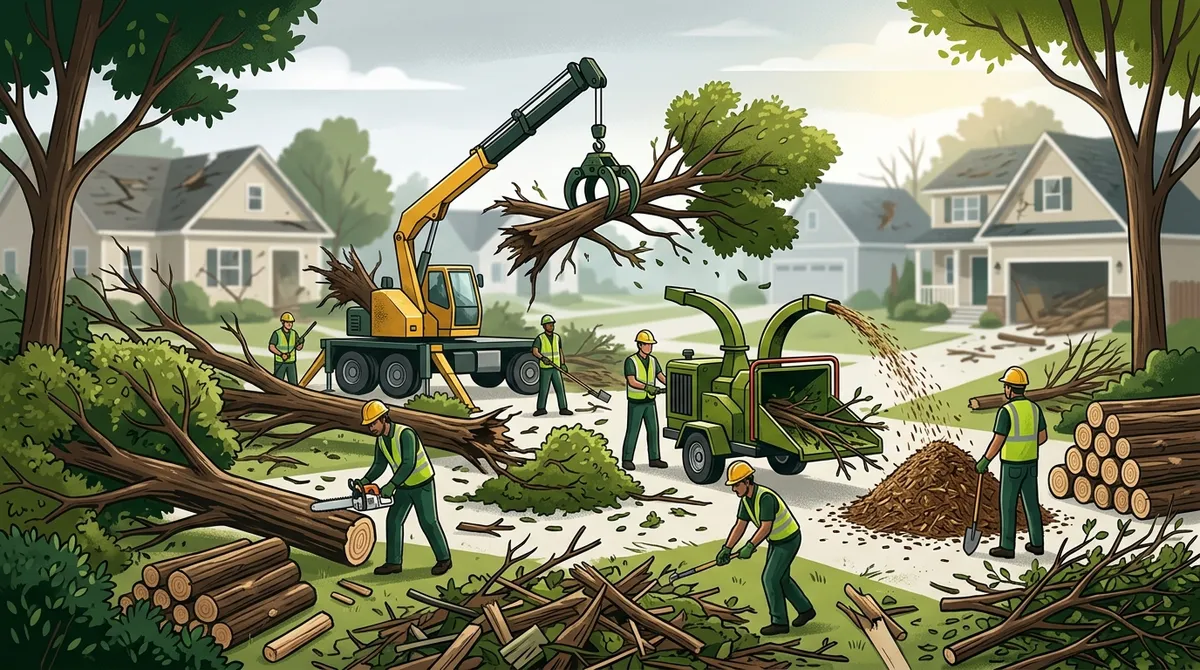
Professional crews conduct mandatory site hazard assessments before cleanup to identify downed power lines, unstable trees, and structural damage, then deploy specialized equipment like cranes and wood chippers to safely remove debris without further property damage.
-
Hillsborough County allows only 2 cubic yards of yard waste weekly (3 cubic yards February-April) with branches limited to 4 feet long and 6 inches diameter; storm debris exceeding these limits requires professional removal services.
-
Professional storm debris removal prioritizes eco-friendly disposal by chipping wood into mulch, composting organic material, and redirecting usable debris back to gardens, while separating non-organic materials for proper county-compliant disposal.
-
DIY storm cleanup poses high injury risks and is time-intensive for large debris; professional services eliminate safety hazards, complete cleanup in 24-72 hours, and offer transparent pricing with full-volume removal capabilities.
-
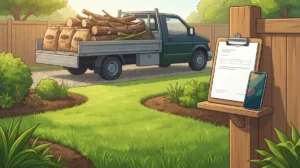
Document storm damage with photographs immediately, contact your insurance provider to report damage and ask about debris removal coverage, then call licensed professionals to secure a timely appointment before debris compounds additional hazards.
When a powerful storm tears through Fish Hawk, FL, the aftermath can feel overwhelming. Fallen trees, broken branches, scattered fence panels, and piles of yard waste can turn a beautiful property into a safety hazard overnight. For busy homeowners, property managers, and real estate professionals alike, the question is not whether to clean up — it is how to do it safely and efficiently. Professional storm debris removal services exist precisely for these moments. They provide trained crews, specialized equipment, and responsible disposal methods that most homeowners simply cannot replicate on their own. In Fish Hawk and the surrounding communities, where Florida’s storm season can bring sudden and severe weather, knowing who to call makes all the difference. This guide breaks down everything you need to know about storm debris removal in Fish Hawk — from safety protocols to disposal options — so you can make informed decisions when the storm clears.
What Storm Debris Removal in Fish Hawk Actually Involves
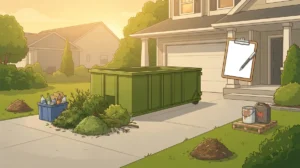
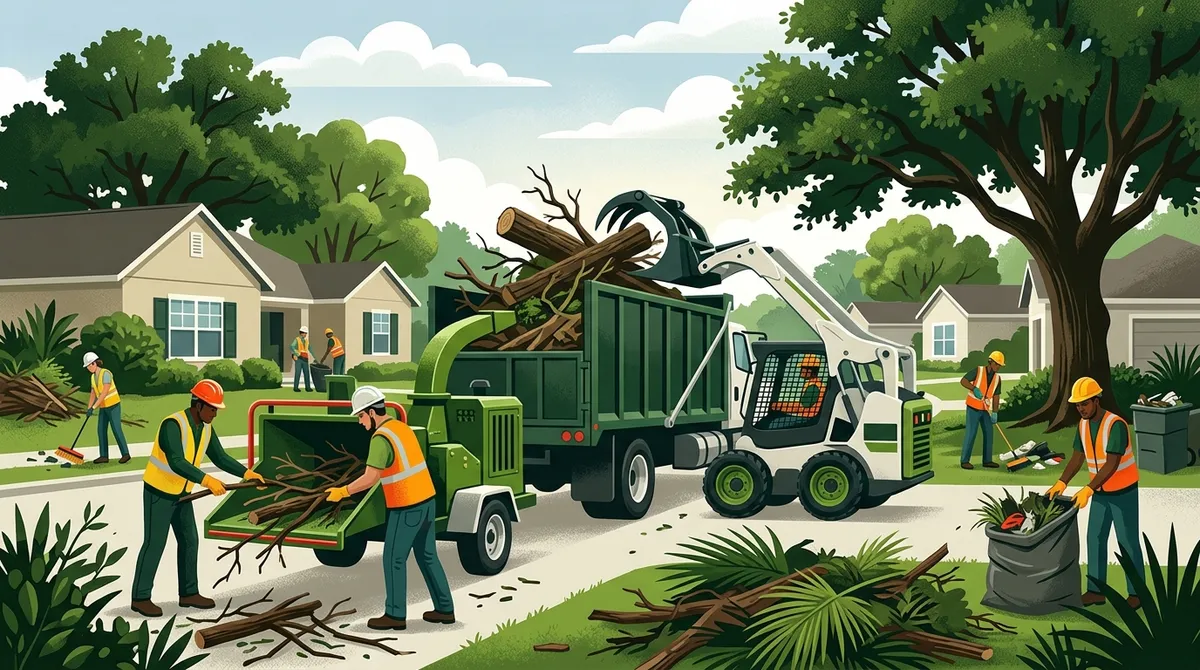
Storm debris removal is far more than simply picking up sticks and branches. After a major weather event, properties can face a wide range of hazardous conditions. Professional crews begin with a thorough safety assessment before any physical work begins. This step is critical for identifying risks like downed power lines, unstable trees, and structural damage that could endanger workers and residents.
Once the site is declared safe to work, crews deploy specialized equipment to handle the job efficiently. This may include wood chippers, cranes, chainsaws, and heavy-duty trucks. The goal is to remove debris as quickly as possible while avoiding further damage to your lawn, landscaping, and structures. For properties with palm trees or mature oaks, this process requires particular skill and care. You can see examples of this kind of professional work in our project gallery.
Types of Debris Handled by Professional Services
Storm debris in Fish Hawk can vary widely depending on the storm’s intensity. Professional removal teams are equipped to handle all of the following:
- Fallen trees and large limbs from oaks, pines, and palms
- Broken or uprooted shrubs and hedges
- Scattered fencing materials and wooden panels
- Roof shingles and lightweight construction materials blown into yards
- General yard waste including leaves, mulch, and soil displacement
- Waterlogged organic matter requiring special handling
The variety of debris types is one reason why professional landscaping services are so valuable after a storm. DIY efforts often fall short because homeowners lack the equipment or training to handle large trees or hazardous materials safely.
Safety First: Why Professional Crews Are the Right Choice
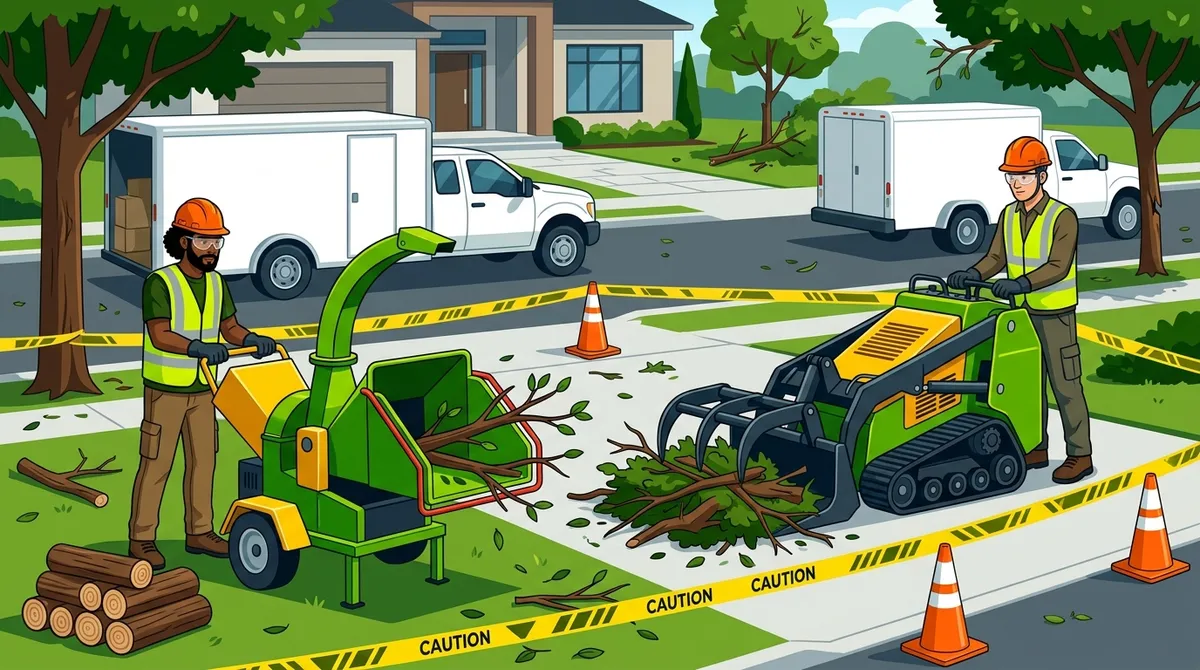
Storm debris removal carries real risks. Attempting to remove a large fallen tree without the right tools can result in serious injury or additional property damage. Professional teams follow strict safety protocols at every stage of the cleanup process.
Key Safety Steps Followed by Professional Crews
- Site hazard assessment: Identifying live power lines, unstable limbs, and weakened structures before work begins.
- Equipment staging: Positioning cranes, trucks, and chippers in safe locations to prevent ground damage and ensure efficient removal.
- Controlled cutting and removal: Using professional-grade chainsaws and rigging to lower large limbs safely without dropping them onto structures.
- Debris sorting: Separating organic material from non-organic waste for proper recycling or disposal.
- Final site inspection: Walking the property to confirm all hazards have been addressed and the site is safe for normal use.
These steps reflect the industry standard for responsible storm cleanup. When you hire a trusted team, you are not just paying for labor — you are paying for expertise and accountability. Down tree removal in particular requires this level of professionalism to avoid costly mistakes.
How Quickly Can Storm Debris Removal Services Respond in Fish Hawk?
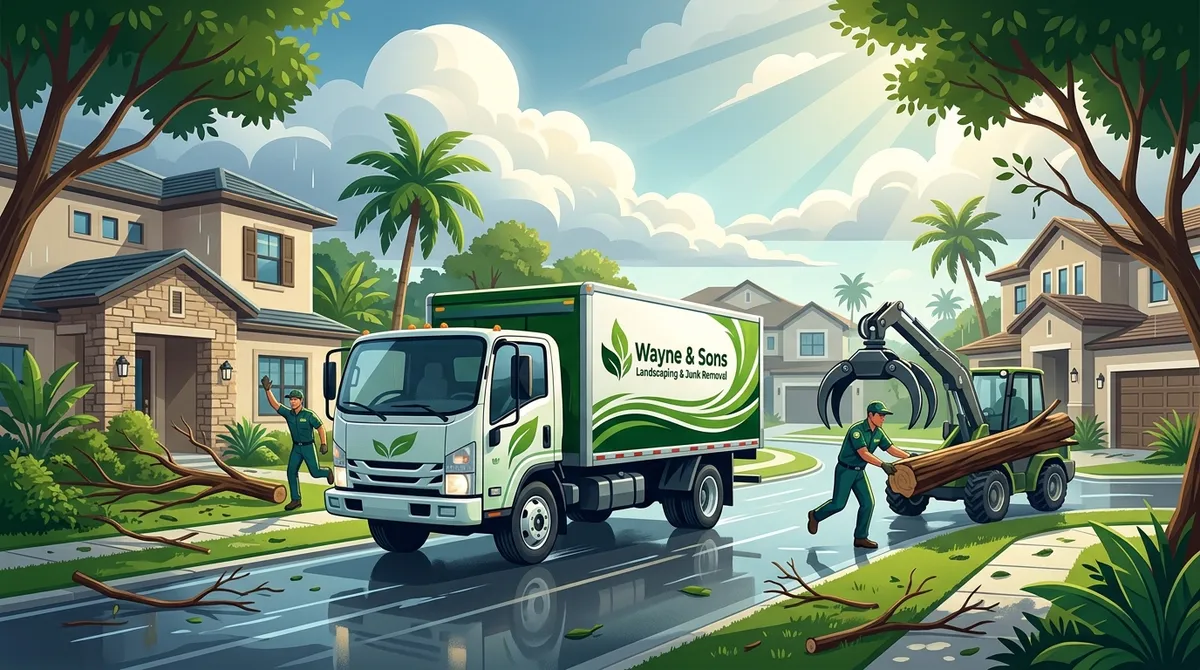
Time is critical after a storm. Fallen trees and debris left unattended can create ongoing safety hazards, block driveways, damage structures further, and invite pests. Professional storm debris removal teams in the Fish Hawk area typically respond to emergency requests within 24 to 48 hours of initial contact.
For property managers overseeing multiple rental units or contractors managing active job sites, fast response time is non-negotiable. Junk removal in Brandon and surrounding communities like Fish Hawk benefits from teams that are already local and familiar with the area’s terrain and typical storm patterns.
| Response Priority | Situation | Typical Response Time |
|---|---|---|
| Emergency | Tree on structure or blocking road | Same day or within 24 hours |
| High Priority | Large limbs near power lines or structures | Within 24-48 hours |
| Standard Cleanup | Scattered yard debris and small branches | Within 48-72 hours |
| Seasonal Cleanup | Post-storm lawn restoration and aeration | Scheduled within the week |
Hillsborough County Disposal Rules Fish Hawk Residents Should Know
Fish Hawk falls within Hillsborough County, which provides curbside yard waste pickup for residents. Understanding these rules helps you plan for debris disposal after a storm — especially for smaller volumes of material you may handle yourself.
Hillsborough County Curbside Yard Waste Guidelines
| Rule Category | Standard Period | February–April Period |
|---|---|---|
| Weekly Yard Waste Limit | 2 cubic yards (approx. twelve 30-gallon containers) | 3 cubic yards |
| Max Branch Length | Less than 4 feet | Less than 4 feet |
| Max Branch Diameter | Less than 6 inches | Less than 6 inches |
| Max Container Weight | 50 pounds | 50 pounds |
For debris that exceeds these limits — which is very common after a significant storm — residents can bring excess waste to Hillsborough County solid waste facilities, which operate Monday through Saturday from 7:30 AM to 5:00 PM. However, large volumes of storm debris are best handled by a professional junk hauling service that can transport multiple truckloads efficiently.
Eco-Friendly Disposal and Recycling of Storm Debris
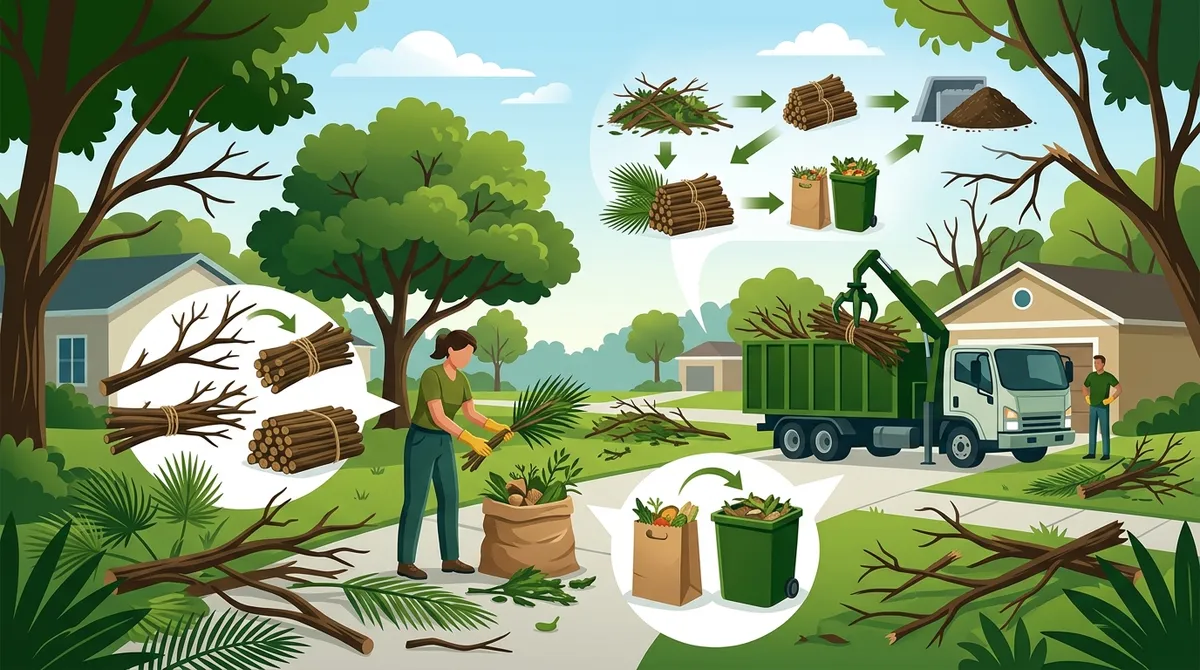
One major advantage of hiring professionals is their ability to recycle organic debris responsibly. In Florida, environmental regulations encourage the diversion of organic material from landfills whenever possible. Professional storm debris removal teams in Fish Hawk commonly process organic waste through the following methods:
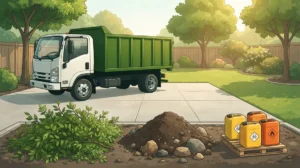
- Wood chipping: Large limbs and trunks are chipped into mulch on-site or at a processing facility.
- Composting: Leaf litter, small branches, and plant material can be composted and repurposed.
- Mulch distribution: Chipped material is often redistributed to garden beds, reducing the need for purchased mulch.
- Proper landfill disposal: Non-organic materials like shingles, fencing, and plastics are separated and disposed of according to county regulations.
This environmentally conscious approach benefits the entire Fish Hawk community, reduces landfill pressure, and supports Florida’s broader sustainability goals. It is also one of the reasons why professional services offer better outcomes than independent hauling.
Additional Services Often Needed After a Storm
Storm cleanup rarely ends with debris removal. Once the fallen trees and branches are cleared, properties often need further attention to restore their appearance and health. Professional landscaping teams can address these follow-up needs in a single visit or as part of a broader restoration plan.
Common Post-Storm Landscaping Services
- Palm tree trimming: Storms can leave palms with damaged or dangling fronds that pose a falling hazard. Professional palm tree trimming restores their appearance and eliminates hazards quickly.
- Shrub and hedge restoration: High winds frequently damage shaped shrubs and hedges. Shrub care and hedge trimming can restore clean lines and healthy growth.
- Lawn aeration and dethatching: Heavy rainfall and debris impact can compact soil and smother grass. Aeration restores oxygen flow to roots.
- Gutter cleaning: Leaves and debris often clog gutters during storms, which can lead to water damage if not addressed promptly.
For real estate agents preparing a home for listing after a storm, these additional services can make a dramatic difference in curb appeal. A property that looks storm-damaged on the outside can deter buyers immediately, while one that has been professionally restored communicates care and quality.
What to Look for When Hiring Storm Debris Removal in Fish Hawk
Not all landscaping and debris removal companies offer the same level of service. When selecting a team for storm cleanup in Fish Hawk, consider the following criteria:
- Local experience: A company familiar with Fish Hawk’s tree species, soil conditions, and storm patterns will work more efficiently.
- Proper licensing and insurance: Storm debris removal involves inherent risks. Always verify credentials before hiring.
- Transparent pricing: Look for companies that provide detailed upfront estimates with no hidden fees.
- Range of equipment: Effective storm cleanup requires chippers, cranes, and heavy-duty vehicles — not just pickup trucks.
- Customer reviews: Read verified testimonials to gauge reliability and quality of service.
Wayne & Sons Landscaping & Junk Removal brings over 15 years of experience serving Brandon, Fish Hawk, and the greater Tampa Bay area. The team is known for effortless convenience, transparent pricing, and exceptional customer service from start to finish. You can also verify their reputation through their listing on Thumbtack and read customer feedback by visiting their Google Business Profile.
Comparing DIY vs. Professional Storm Debris Removal
| Factor | DIY Cleanup | Professional Service |
|---|---|---|
| Safety | High risk without proper training | Trained crews with safety protocols |
| Equipment | Limited to basic hand tools | Cranes, chippers, heavy trucks |
| Speed | Days to weeks for large debris | Completed within 24-72 hours |
| Disposal | Subject to curbside limits | Full-volume removal and recycling |
| Property Damage Risk | Higher without proper technique | Minimized with professional approach |
| Cost | Lower upfront but time-intensive | Affordable with transparent pricing |
The comparison makes a compelling case for professional service — particularly for seniors downsizing, property managers handling multiple units, or contractors facing project deadlines. Fish Hawk’s Brandon, Florida metro location means professional crews are readily accessible and familiar with the community’s unique landscaping needs.
Steps to Take Immediately After a Storm in Fish Hawk
- Prioritize personal safety: Stay indoors until the storm fully passes and do not approach downed power lines under any circumstances.
- Document the damage: Photograph all debris and property damage for insurance purposes before any cleanup begins.
- Contact your insurance provider: Report storm damage promptly and ask about coverage for professional debris removal services.
- Call a professional debris removal team: Reach out to a licensed and insured service as soon as possible to secure a spot on their schedule.
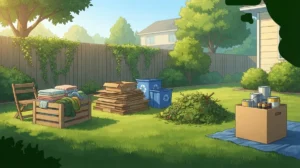
- Separate manageable debris: While waiting for professionals, move small, safe-to-handle debris to the curb within Hillsborough County’s size and weight guidelines.
Taking these steps in order helps protect both your safety and your property value. For lawn equipment tips and general yard maintenance guidance, resources like the Lawn Mower Wikipedia page offer helpful background on equipment basics. Check our customer reviews to see how our team has helped Fish Hawk and Brandon-area homeowners recover from storm damage quickly and professionally.
Conclusion: Don’t Let Storm Damage Linger
Storm debris removal in Fish Hawk is not a task to delay. The longer fallen trees and scattered debris sit on your property, the greater the risk of additional damage, pest infestation, and declining curb appeal. Whether you are a homeowner protecting your investment, a property manager keeping units rent-ready, or a real estate agent staging a home for sale, professional storm cleanup is the fastest and safest path to restoration.
Wayne & Sons Landscaping & Junk Removal is proud to serve Fish Hawk and the surrounding Tampa Bay area with reliable, affordable storm debris removal backed by over 15 years of hands-on experience. From initial hazard assessment to final site cleanup, their team handles every step with professionalism and care. Do not wait for storm damage to compound — reach out to our team today or call us directly at (813) 452-1570 to schedule your storm debris removal service in Fish Hawk.
FAQs
Q: How quickly can storm debris removal services respond in Fish Hawk, FL?
A: Professional storm debris removal teams in Fish Hawk typically respond to emergency requests within 24 to 48 hours. For critical situations such as trees fallen on structures or blocking access routes, same-day response is often available.
Q: What types of debris do professional storm cleanup services handle in Fish Hawk?
A: Professional crews handle a wide range of debris including fallen trees, broken limbs, uprooted shrubs, scattered fencing, roof shingles, and general yard waste. They also address waterlogged organic matter that requires special handling and disposal.
Q: Can Fish Hawk residents dispose of storm debris through Hillsborough County curbside pickup?
A: Yes, Hillsborough County provides weekly curbside yard waste pickup with a standard limit of 2 cubic yards per week, increasing to 3 cubic yards from February through April. Branches must be under 4 feet long and 6 inches in diameter, and each container must not exceed 50 pounds. Debris exceeding these limits requires professional removal or a trip to a county solid waste facility.
Q: Is organic storm debris recycled or sent to a landfill?
A: Professional storm debris removal services in Fish Hawk prioritize eco-friendly disposal by chipping wood into mulch, composting organic plant material, and redirecting usable material back into garden beds. Non-organic debris such as shingles and fencing is separated and disposed of in compliance with Florida environmental regulations.
Q: What should I do immediately after a storm to prepare for debris removal?
A: First, ensure your personal safety by staying away from downed power lines and waiting for the storm to fully pass. Then document all property damage with photographs for insurance purposes, contact your insurance provider, and call a licensed debris removal team as soon as possible to schedule service promptly.