Key Takeaways
-
Always verify contractors have $1+ million liability insurance and current workers’ compensation coverage by calling the insurance provider directly—uninsured work can result in $35,000+ liability claims on your property.
-
Check Dover’s local tree removal permits before cutting trees over 6-12 inches diameter or near property lines, as violations result in fines of hundreds to thousands of dollars plus potential replanting requirements.
-
Avoid choosing tree services based on price alone; lowball quotes typically exclude stump removal ($146), debris hauling ($200-$300 per load), and cleanup, causing final bills to exceed transparent mid-range estimates.
-
Confirm 24/7 emergency availability, power line certifications, and heavy equipment ownership before storm season, since emergency response timing prevents water damage and structural deterioration costing far more than service fees.
-
Include stump grinding/removal and debris disposal services in written contracts to prevent termite infestations, pest damage, and uneven lawn surfaces that can spread to nearby trees.
-
Schedule annual professional tree assessments with certified arborists to identify disease and structural issues early, protecting your property value (which can increase 10-15% with healthy mature trees) and avoiding costly emergency removals.
When a Dover homeowner’s $500 tree trimming job turned into a $12,000 insurance claim after an unlicensed contractor dropped a branch through their roof, it highlighted a pattern of preventable mistakes that plague the tree service industry. This scenario plays out more often than most homeowners realize. What starts as a simple cost-saving decision can spiral into structural repairs, legal disputes, and long-term property damage. Whether you own a single-family home, manage rental properties, or are preparing a property for sale, understanding these common tree service mistakes could save you thousands of dollars. The following five mistakes are among the most costly errors Dover homeowners make when hiring tree services — and knowing what to look for before you sign any contract is your strongest line of defense.
Hiring Uninsured Tree Service Contractors
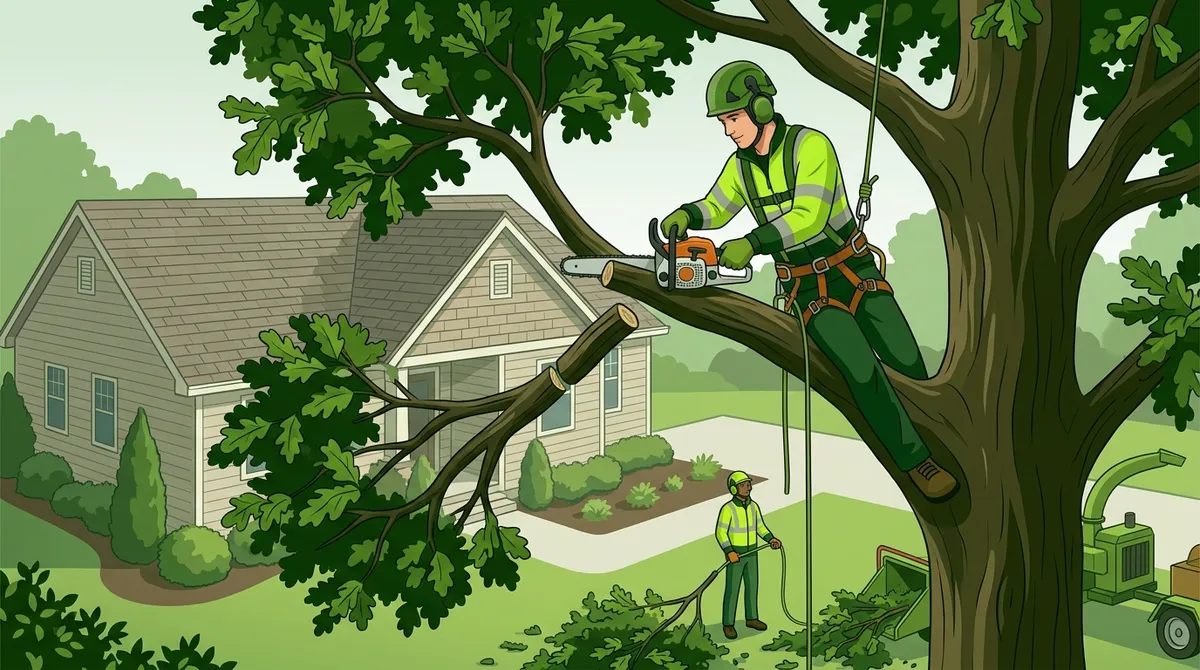
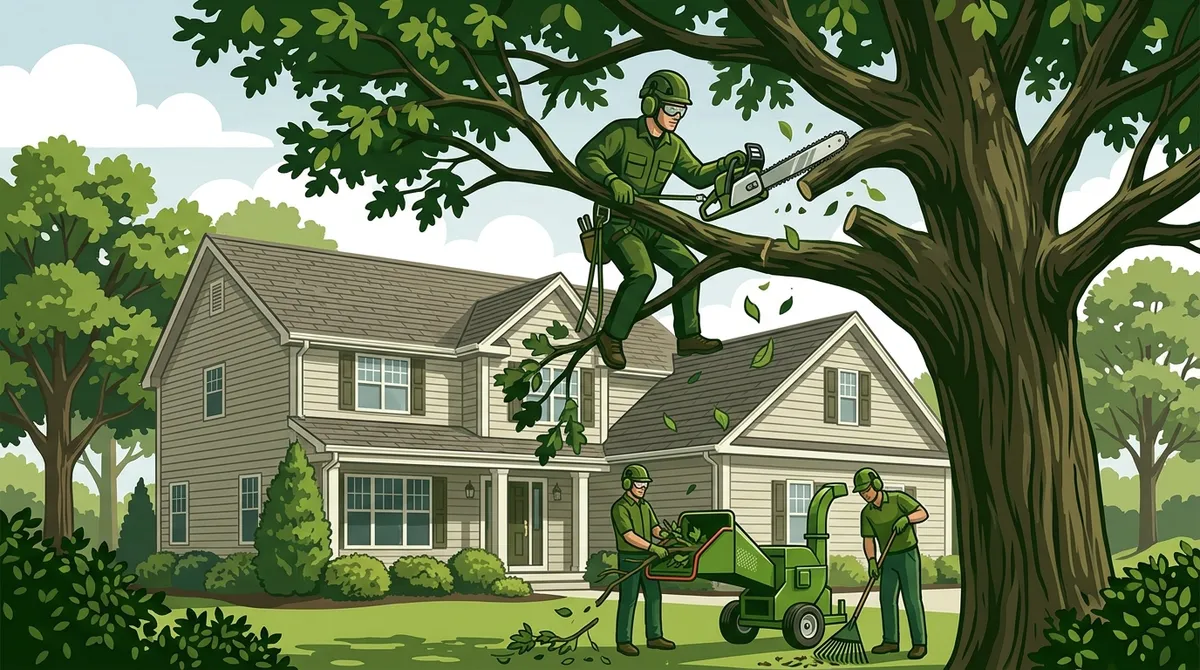
The most dangerous mistake any Dover homeowner can make is hiring a tree service contractor without verifying proper insurance coverage. Tree work is one of the most hazardous trades in the landscaping industry. Without adequate coverage, any damage to your property or injury to a worker becomes your financial responsibility.
Workers Compensation and Liability Requirements
In Ohio, workers’ compensation coverage is required for any employer with one or more employees. If a worker is injured on your property without this coverage, you could be held liable. Additionally, liability insurance minimums for tree work should be at least $1 million per occurrence. This protects your home, your vehicles, and neighboring properties from accidental damage.
To verify coverage, always request a Certificate of Insurance directly from the contractor’s insurance provider — not a printed copy from the contractor. Call the insurer to confirm the policy is active and has not lapsed. This one step takes less than five minutes and can prevent tens of thousands in out-of-pocket expenses.
Real-World Damage Scenarios
Common uninsured damage scenarios include fallen limbs through rooflines, cracked driveways from heavy equipment, and damaged fencing. In one documented case, a homeowner paid a handyman $400 to trim a large oak tree. The worker fell and broke his arm, and the homeowner faced a civil lawsuit exceeding $35,000 because no workers’ comp policy was in place.
Before signing any contract, ask these key questions:
- Can you provide a Certificate of Insurance from your insurer directly?
- Does your liability policy cover property damage caused by falling debris?
- Are all crew members covered under your workers’ compensation policy?
- What is your claims process if damage occurs?
Hiring a fully insured professional landscaping and tree service company is never an area to cut corners on. The short-term savings simply do not outweigh the risk.
Skipping Local Permit Requirements
Many homeowners are surprised to learn that removing a tree from their own property may require a permit. In Dover, Ohio, municipal regulations govern tree removal, particularly for trees of a certain size or location near public rights-of-way. Ignoring these requirements can result in significant fines and legal complications.
Dover’s Tree Removal Regulations
While Ohio does not have a statewide tree removal licensing law, individual municipalities like Dover have their own ordinances. These rules often apply to trees above a specific trunk diameter, trees within a certain distance of property lines, and trees designated as heritage or protected species. Black cherry, red maple, and yellow-poplar trees — common in the Dover area — may fall under local protection if they meet size thresholds.
Violations can result in fines ranging from several hundred to several thousand dollars, depending on the severity. In some cases, homeowners have been required to plant replacement trees at their own expense. If a protected tree is removed without a permit, the legal consequences can far exceed the original cost of the job.
When Permits Are Required
Permits are typically mandatory when:
- The tree trunk exceeds a specified diameter (often 6–12 inches at breast height)
- The tree is located within a public easement or near a roadway
- The property is in a designated conservation or historic zone
- The tree has been flagged as a heritage species by local officials
A reputable tree service company will assess permit requirements before beginning any work. They will handle the permit application process on your behalf, ensuring full legal compliance. This is one of the key advantages of hiring experienced professionals over unlicensed operators.
Choosing Based on Price Alone
It is natural to compare quotes when hiring a tree service. However, selecting a contractor solely based on the lowest bid is one of the most common and costly mistakes Dover homeowners make. Lowball estimates often signal hidden costs, inferior equipment, or services that are not included in the quoted price.
Understanding Pricing and Hidden Costs
The average tree removal cost in Dover, Ohio is approximately $463, with a typical range of $183 to $721. Emergency tree removal averages around $690. These figures provide a useful benchmark. If a quote falls dramatically below these averages, it warrants closer scrutiny.
| Service Type | Average Cost (Dover, OH) | Typical Range |
|---|---|---|
| Standard Tree Removal | $463 | $183 – $721 |
| Emergency Tree Removal | $690 | $500 – $1,200+ |
| Stump Removal | $146 | $100 – $275 |
| Full Removal with Debris Disposal | $750+ | $500 – $2,000 |
What Low Bids Often Leave Out
Lowball estimates frequently exclude stump grinding, debris hauling, and site cleanup. A quote of $200 for tree removal may not include the $146 average cost of stump removal or the $200–$300 per load debris disposal fee. By the time all services are itemized, the final bill often exceeds a more transparent mid-range quote.
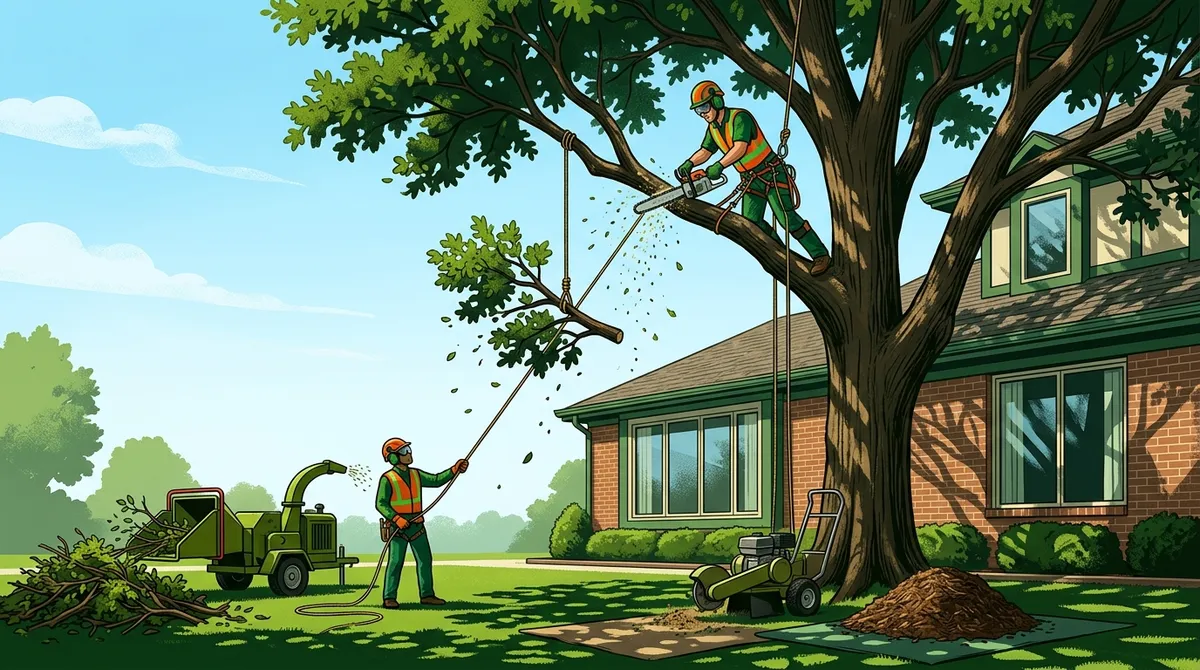
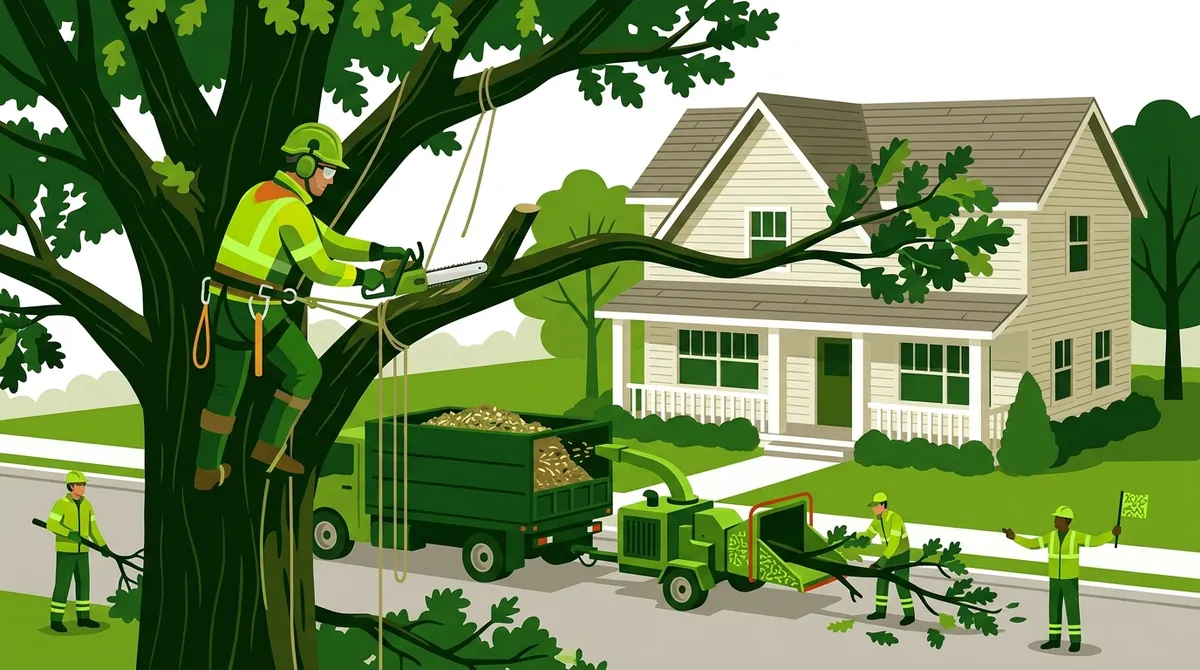
Equipment quality also matters greatly. Proper tree removal requires professional-grade chainsaws, rigging systems, aerial lifts, and chippers. Companies cutting costs on equipment create unnecessary safety risks. Improper pruning cuts made with dull or inadequate tools can lead to long-term tree health issues, creating additional costs down the road. For professional down tree removal that includes full cleanup, always confirm what is included before any work begins.
Ask for itemized written estimates. Compare what is — and is not — included in each proposal before making any final decision.
Ignoring Emergency Preparedness
Storms can strike without warning, and a tree that appeared stable last week can become a hazard overnight. Dover homeowners who overlook emergency preparedness when selecting a tree service often find themselves scrambling during the worst possible circumstances.
Storm Response and Availability
Not all tree service companies offer 24/7 emergency response. When a storm drops a large limb onto your home or blocks your driveway at 2 a.m., a company that only operates during business hours is of little use. Confirming that a provider offers round-the-clock emergency availability is essential, particularly in Ohio where severe weather events are common.
After a storm, quick response can prevent further damage. A leaning tree or a half-fallen limb pressing against your roof creates ongoing structural risk with every passing hour. Emergency tree removal in Dover averages around $690, but the cost of delayed action — including interior water damage and structural deterioration — can escalate dramatically. For comprehensive storm debris removal services, timing is everything.
Key Emergency Preparedness Factors
- Confirm 24/7 availability before storm season
- Ask whether the company carries power line clearance certifications
- Verify they own the heavy equipment needed for large-scale removal
- Understand emergency pricing versus standard service rates
- Request a dedicated emergency contact number separate from the main business line
Proactive maintenance is always more affordable than reactive emergency response. Scheduling regular tree inspections before storm season can identify vulnerable branches and reduce the likelihood of emergency callouts. You can also call a professional tree service team directly to discuss pre-season assessment options.
Neglecting Stump and Debris Management
After a tree comes down, many homeowners assume the job is done. In reality, neglecting proper stump and debris management creates a separate set of problems — from tripping hazards and pest infestations to additional soil and grading issues that affect your entire landscape.
Stump Removal Options
There are two primary approaches to stump management after tree removal:
- Stump Grinding: A mechanical grinder reduces the stump to wood chips just below ground level. This is the most common and cost-effective method, averaging $146 in Dover, Ohio. It eliminates the visible stump but leaves the root system in place.
- Full Stump Removal: This involves extracting the entire stump and root ball from the ground. It is more labor-intensive and expensive but provides a completely clean site, ideal for replanting or construction.
Not all tree service companies offer stump grinding or full removal as standard inclusions. Always confirm in writing what stump services are included in your contract. Leaving a stump untreated can invite termites, carpenter ants, and fungal growth that spreads to healthy nearby trees.
Debris Disposal and Site Restoration
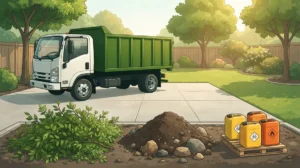
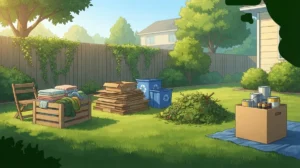
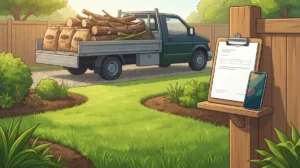
After removal, the remaining logs, branches, and wood chips must be properly disposed of. Debris hauling costs typically run $200–$300 per load. Some homeowners negotiate wood chip retention agreements, using the chips for garden mulch. Others arrange log removal separately for firewood.
Site restoration should also be addressed in the service contract. Depending on the size of the tree and root system, the ground may require grading to fill in depressions left behind. Proper restoration prevents uneven lawn surfaces and water pooling issues. For complete debris and junk removal services, working with a company that handles full site cleanup ensures nothing is left behind. You can also explore demolition and cleanup solutions for larger-scale clearing projects.
| Debris Type | Disposal Method | Estimated Cost |
|---|---|---|
| Wood Chips | Retain as mulch or haul away | Free to $50 |
| Logs and Large Branches | Firewood arrangement or removal | $50 – $150 |
| Full Debris Load | Haul-away service | $200 – $300 per load |
| Root Ball and Stump | Full extraction and disposal | $200 – $500+ |
Avoiding Professional Assessments
Many homeowners wait until a tree is visibly dead or already fallen before calling a professional. This reactive approach bypasses one of the most valuable services a qualified tree specialist can provide — the proactive assessment that catches problems before they become emergencies.
Disease, Structural Issues, and Property Impact
Common Ohio trees like black cherry, red maple, and yellow-poplar — which average 51 feet tall and 57 years old in Dover — are subject to a range of diseases and structural vulnerabilities. Oak wilt, fungal decay, and pest infestations can compromise tree integrity long before visible symptoms appear. A certified arborist can identify these issues early through bark analysis, canopy assessment, and root zone evaluation.
Structural warning signs that require professional evaluation include:
- Leaning trunk with recent directional change
- Deep cracks or splits in the bark or trunk
- Hollow cavities at the base or in main limbs
- Mushroom growth at the base of the tree
- Dead branches concentrated in one section of the canopy
Property Value and Annual Inspections
Tree placement has a measurable impact on property values. Mature trees in appropriate locations can increase a home’s market value by 10–15%. However, a diseased or improperly maintained tree near a structure can become a liability that deters buyers and complicates real estate transactions. For real estate agents and property managers, professional tree assessments are a smart pre-listing investment.
Annual inspection scheduling is recommended for any property with mature trees, particularly those near structures, driveways, or utility lines. A certified arborist consultation provides documented findings, treatment recommendations, and removal justification if needed — all of which support property records and insurance documentation.
Wayne & Sons Landscaping & Junk Removal has served the Brandon, Florida area and surrounding communities for over 15 years, providing professional landscaping services including tree trimming, palm tree trimming, and debris management. You can view their service profile on Thumbtack to read verified customer reviews and request a quote. For a deeper look at their completed projects, visit the project gallery.
| Assessment Area | What Professionals Evaluate | Why It Matters |
|---|---|---|
| Canopy Health | Dead branches, leaf density, discoloration | Indicates disease or drought stress |
| Trunk Integrity | Cracks, cavities, fungal growth | Signals structural failure risk |
| Root Zone | Soil compaction, root exposure, decay | Affects stability and water uptake |
| Location Risk | Proximity to structures and power lines | Determines removal priority and method |
Protect Your Property with the Right Tree Service
Avoiding these five mistakes requires a simple commitment: hire qualified, insured professionals, ask the right questions, and never skip the details in a service contract. Tree service in the Dover area involves real financial risk when approached carelessly, but it also delivers significant long-term value when done right. From proper debris management to proactive disease assessments, every decision you make about your trees affects your property’s safety, appearance, and market value.
Homeowners across the Brandon, Florida region and surrounding communities trust Wayne & Sons Landscaping & Junk Removal for professional, transparent, and affordable tree and landscaping services. Whether you need routine shrub and tree maintenance, junk hauling after a major cleanup, or comprehensive storm debris removal, their team is ready to help. You can also visit their Google Business Profile to read customer reviews and learn more about their services.
Don’t wait for a hazardous tree to become a costly emergency. Get in touch with our team today to schedule a professional assessment and receive a transparent, no-surprise estimate for all your tree service and landscaping needs.
FAQs
Q: What’s the typical timeline for getting a tree removal permit in Dover, Ohio?
A: Permit processing times in Dover, Ohio vary depending on the municipality’s current workload, but most routine applications are reviewed within 5 to 10 business days. A reputable tree service company will submit the permit application on your behalf and factor this timeline into the project schedule to avoid delays.
Q: How can I tell if a tree service company is using proper safety equipment?
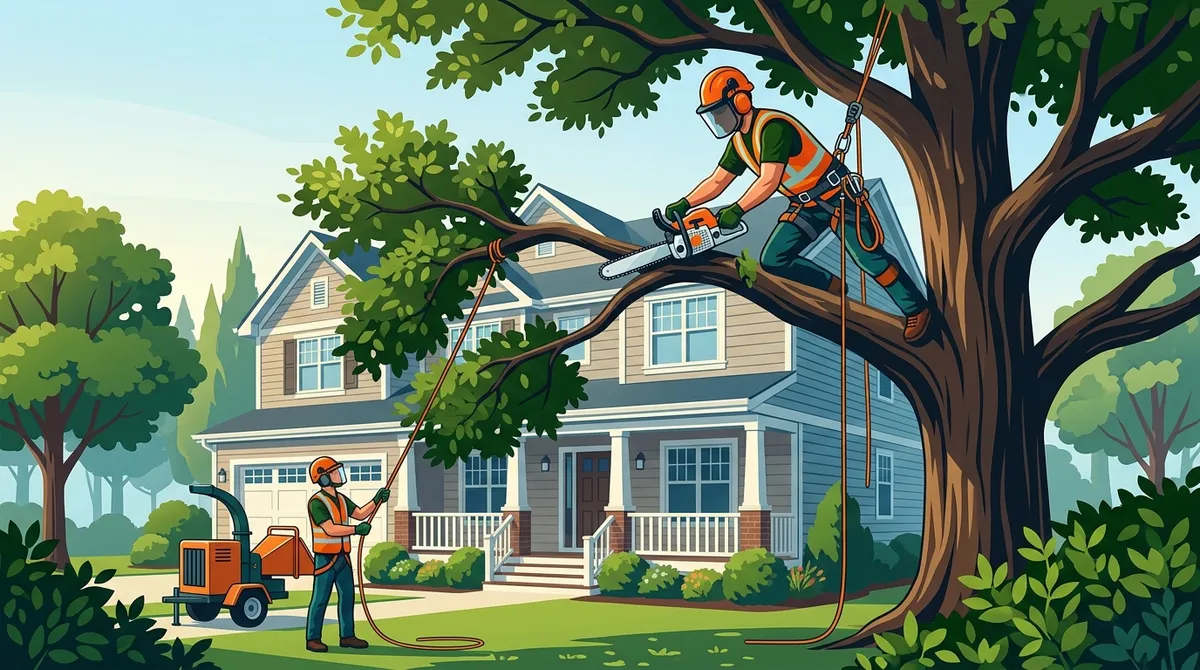
A: Professionals should arrive with industry-standard gear including hard hats, chainsaw chaps, safety harnesses, and proper rigging equipment for controlled branch lowering. You can also ask the company directly about their safety protocols and whether their crew holds any OSHA or industry safety certifications before work begins.
Q: Should I be present during the entire tree removal process?
A: It is not mandatory to be present for the entire job, but being available at the start to confirm scope of work, access points, and any specific site concerns is strongly recommended. Staying reachable by phone throughout the process ensures that any unexpected decisions — such as discovering additional damage — can be discussed promptly.
Q: What happens to my property value after removing mature trees?
A: Removing a healthy, well-placed mature tree can reduce property value by 10–15%, while removing a diseased, hazardous, or poorly positioned tree often has a neutral to positive effect on value. A certified arborist can help determine whether removal or preservation is the better long-term strategy for your specific property.
Q: Can I legally remove a tree myself in Dover without hiring professionals?
A: In many cases, homeowners in Dover, Ohio can remove small trees on their private property without a permit, but local ordinances may require permits for trees above a certain trunk diameter or near public easements. It is always advisable to check with your local municipality before proceeding, as violations can result in substantial fines and mandatory replanting requirements.
Our Service Area