Key Takeaways
-
Trim trees in late winter through early spring in Florida's climate, as trees are less stressed and wounds close faster before the spring growth surge.
-
Never remove more than 25% of a tree's canopy in a single session; gradual trimming over multiple seasons prevents stress, disease, and sun damage.
-
Make precise cuts just outside the branch collar where a branch meets the trunk; improper cuts prevent wound sealing and invite pests or decay.
-
Hire professionals for any trimming involving ladders, large limbs over 3 inches, proximity to power lines, or work near structures due to significant safety risks.
-
Keep tools clean and sharp by disinfecting with dilute bleach and sharpening before each session to prevent pathogen spread and ensure clean, healthy cuts.
-
Always prioritize removing dead, broken, or diseased branches first before aesthetic shaping, as these pose the highest safety risk during storms and spread disease.
Your trees say a lot about your property. Overgrown, unruly branches signal neglect. Well-shaped, healthy trees signal pride of ownership. Whether you’re a busy homeowner trying to keep your yard looking sharp, a property manager maintaining rental units, or a real estate agent preparing a home for sale, tree trimming is one of the most impactful yard care tasks you can invest in. It protects your property, enhances curb appeal, and keeps your landscape healthy year-round. In Brandon, Florida, where the subtropical climate pushes trees to grow fast and storm season hits hard, staying on top of tree care isn’t optional — it’s essential. This guide covers nine practical tips to help you approach tree trimming with confidence and get the best results possible.
Why Tree Trimming Matters for Your Property
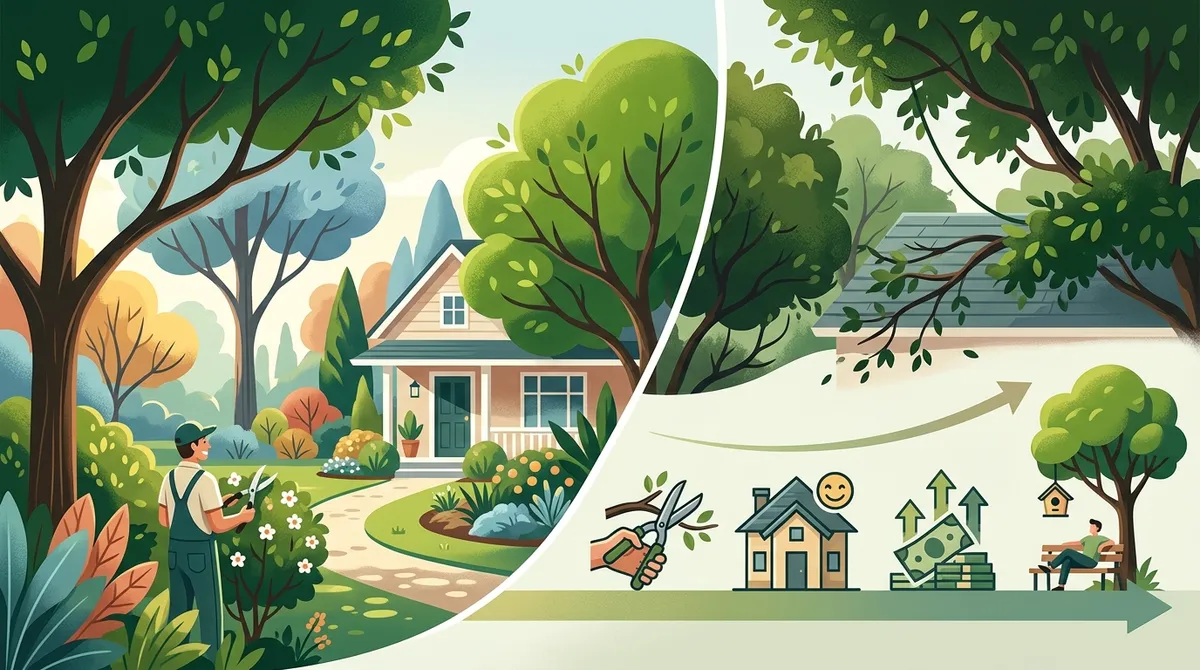
Tree trimming does more than make your yard look neat. It removes dead and diseased branches before they fall and cause damage. It improves airflow through the canopy, reducing the risk of fungal disease. It also shapes growth so trees develop strong, stable structures over time. For homeowners near power lines or structures, professional trimming reduces liability and keeps your property code-compliant. You can explore the full range of landscaping services that support healthy, well-maintained properties.
Trimming also pairs naturally with other yard care tasks. After branches are cut, debris needs to go somewhere. That’s where junk removal in Brandon becomes a valuable part of the process — clearing clippings and branches so your property stays clean from start to finish.
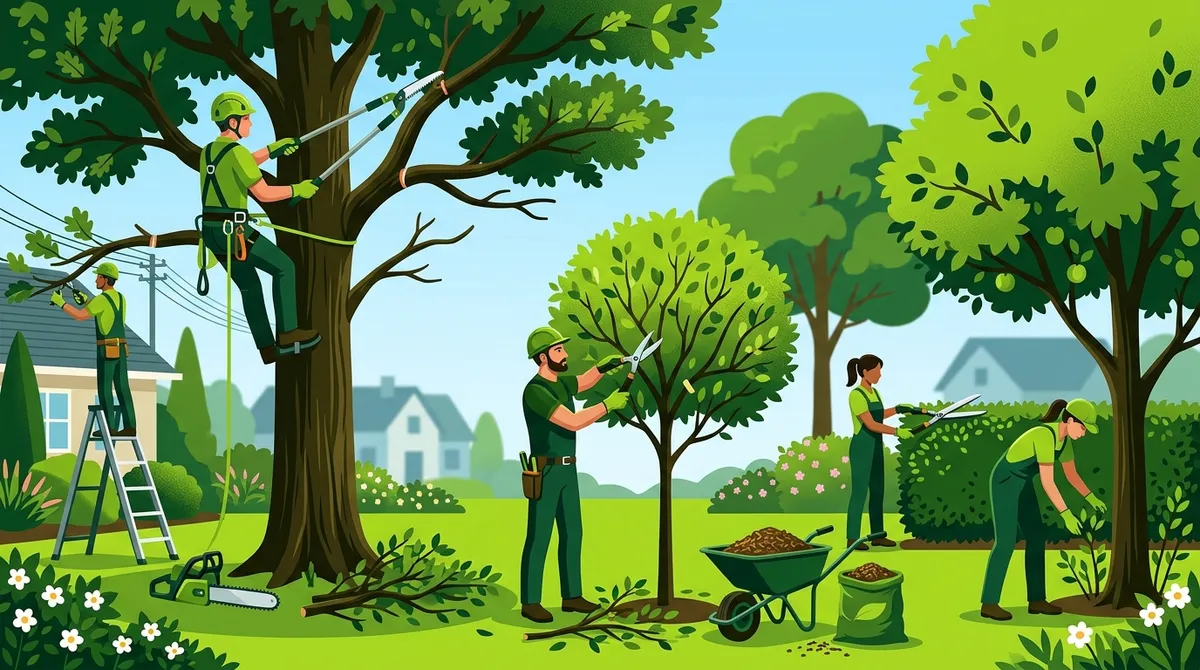
9 Tree Trimming Tips That Deliver Real Results
1. Trim at the Right Time of Year
Timing matters when it comes to tree trimming. In Florida’s climate, late winter through early spring is generally the best window for most tree species. Trees are less stressed during this period, and trimming before the spring growth surge allows wounds to close faster. Avoid heavy trimming in the middle of summer heat or just before a tropical storm system moves in.
2. Always Start With Dead and Damaged Branches
Before shaping a tree for aesthetics, remove any dead, broken, or diseased branches first. These pose the highest safety risk during storms and can spread disease throughout the tree if left in place. Prioritizing removal of compromised wood is the foundation of responsible tree care. If a large branch has already come down, down tree removal in Brandon is the appropriate next step.
3. Never Remove More Than 25% of the Canopy at Once
Over-trimming, also called “topping,” weakens trees and exposes them to stress, disease, and sun damage. As a general rule, never remove more than one-quarter of a tree’s canopy in a single session. Gradual trimming over multiple seasons is far healthier for long-term tree structure and vitality.
4. Use the Right Cuts in the Right Places
Proper pruning cuts are made just outside the branch collar — the slightly swollen area where a branch meets the trunk. Cutting too close removes the collar and leaves the tree unable to seal the wound properly. Cutting too far out leaves a stub that decays and invites pests. Clean, precise cuts made at the correct angle are what separate professional results from DIY mistakes. Learn why professional tree service in Tampa is so important for getting these details right.
5. Palm Trees Require a Different Approach
Palm trees are not like standard shade trees. They should only have brown, dead fronds removed — never green ones. Removing green fronds stresses the palm and can slow its growth permanently. Palms also don’t seal wounds the same way other trees do, making incorrect trimming especially damaging. For palms specifically, check out dedicated guidance on palm tree trimming to avoid common mistakes.
| Tree Type | Best Trim Season | Key Consideration | Professional Recommended? |
|---|---|---|---|
| Oak Trees | Late Winter | Avoid oak wilt season (spring) | Yes, for large limbs |
| Palm Trees | Year-round (as needed) | Remove only dead fronds | Yes, always |
| Fruit Trees | After harvest | Prune for airflow and yield | Recommended |
| Shade Trees | Late Winter – Early Spring | Shape gradually over seasons | Yes, for canopy work |
| Ornamental Trees | After blooming | Preserve flower bud structure | Recommended |
6. Keep Tools Clean and Sharp
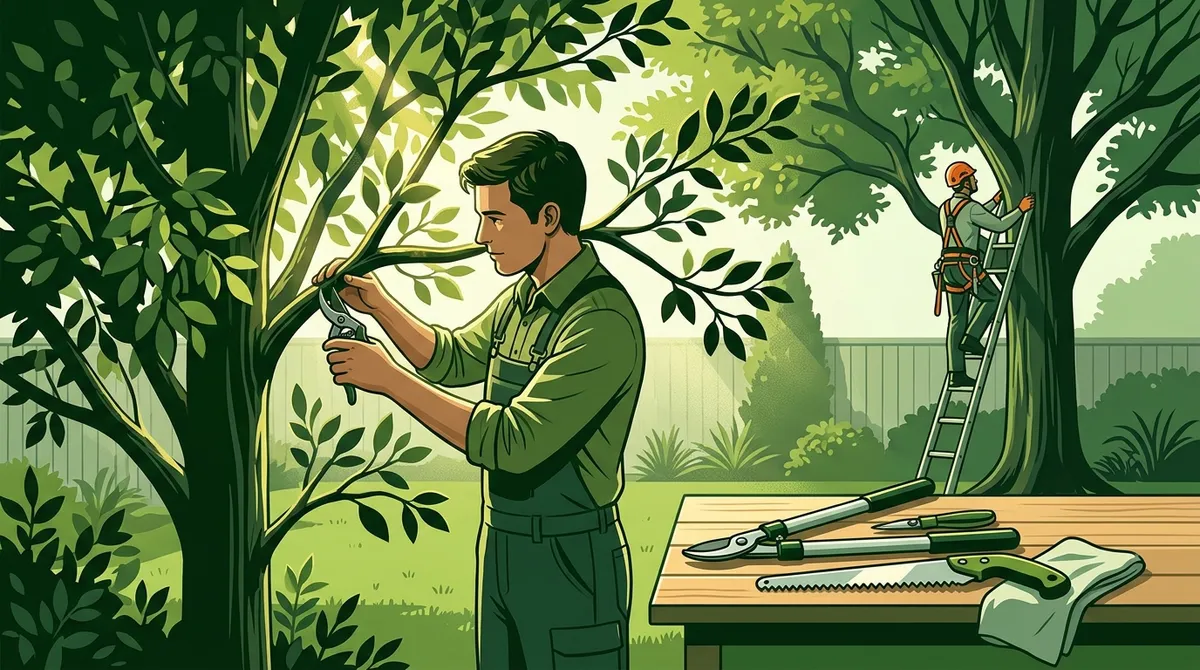
Dull or dirty tools tear rather than cut, leaving ragged wounds that are slow to heal and vulnerable to disease. Before each trimming session, sharpen blades and disinfect tools with a diluted bleach solution. This simple step prevents the spread of pathogens from one tree to another and produces cleaner, healthier cuts every time.
7. Hire Professionals for High-Risk Work
Any trimming that involves a ladder, large limbs, proximity to power lines, or trees near structures should be handled by trained professionals. The risk of injury or property damage from amateur high-canopy work is significant. Certified arborists have the equipment, training, and insurance to manage these situations safely. You can see examples of professional results in the project gallery to understand what quality work looks like.
| Scenario | DIY Appropriate? | Why |
|---|---|---|
| Small branches under 2 inches | Yes | Low risk, manageable from ground |
| Branches near power lines | No | Extreme safety hazard |
| Large limbs over 3 inches | No | Weight and drop risk |
| Storm-damaged branches | No | Unpredictable stress fractures |
| Routine palm frond removal | Sometimes | Only if safely reachable from ground |
8. Don’t Ignore Storm Damage
After a storm, damaged and hanging branches become urgent safety hazards. Florida’s storm season brings wind, rain, and lightning that can leave trees in dangerous conditions almost overnight. Prompt trimming of storm-damaged trees prevents further injury to people and property. For large-scale post-storm work, storm debris removal in Brandon handles the full cleanup so nothing is left behind. You can also read about 6 smart steps for storm debris removal in Brandon to understand the full process.
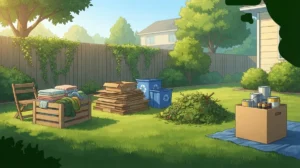
9. Plan for Debris Removal Before You Start
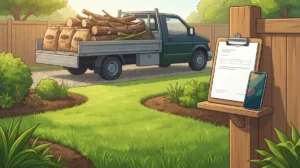
Tree trimming generates a lot of material — branches, leaves, and woody debris that need to go somewhere. Having a clear plan for disposal before you start saves time and frustration. Many homeowners find that combining tree trimming with junk hauling in Brandon creates a seamless, stress-free experience. One service call handles both the trimming and the cleanup.
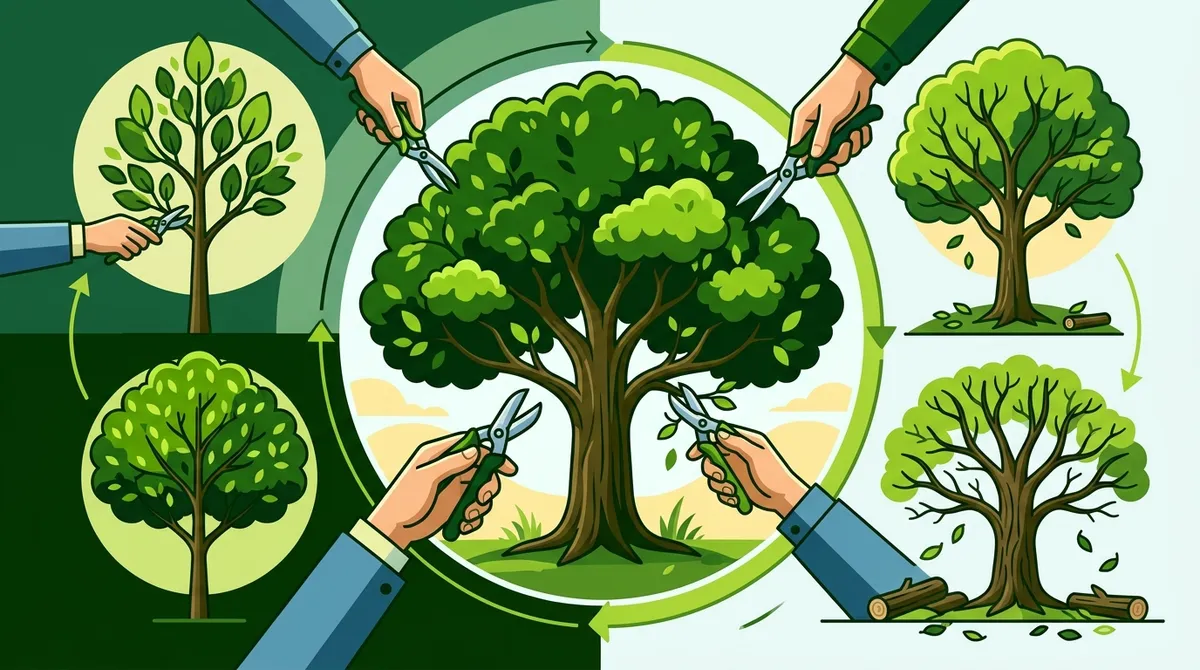
How Often Should You Trim Your Trees?
Tree trimming frequency depends on tree type, growth rate, and location. Here is a practical general schedule most homeowners in the Brandon area can follow:
- Fast-growing trees (like live oaks and laurel oaks) — trim every 1 to 2 years
- Palm trees — trim once or twice per year as fronds brown
- Ornamental and flowering trees — trim once per year after the bloom cycle ends
- Fruit trees — trim annually after harvest to improve next season’s yield
- Slow-growing shade trees — trim every 3 to 5 years as needed
Sticking to a consistent trimming schedule prevents problems from building up and keeps your landscape looking polished year-round. For broader yard care, explore 7 professional landscaping tips that transform your yard in 2026.
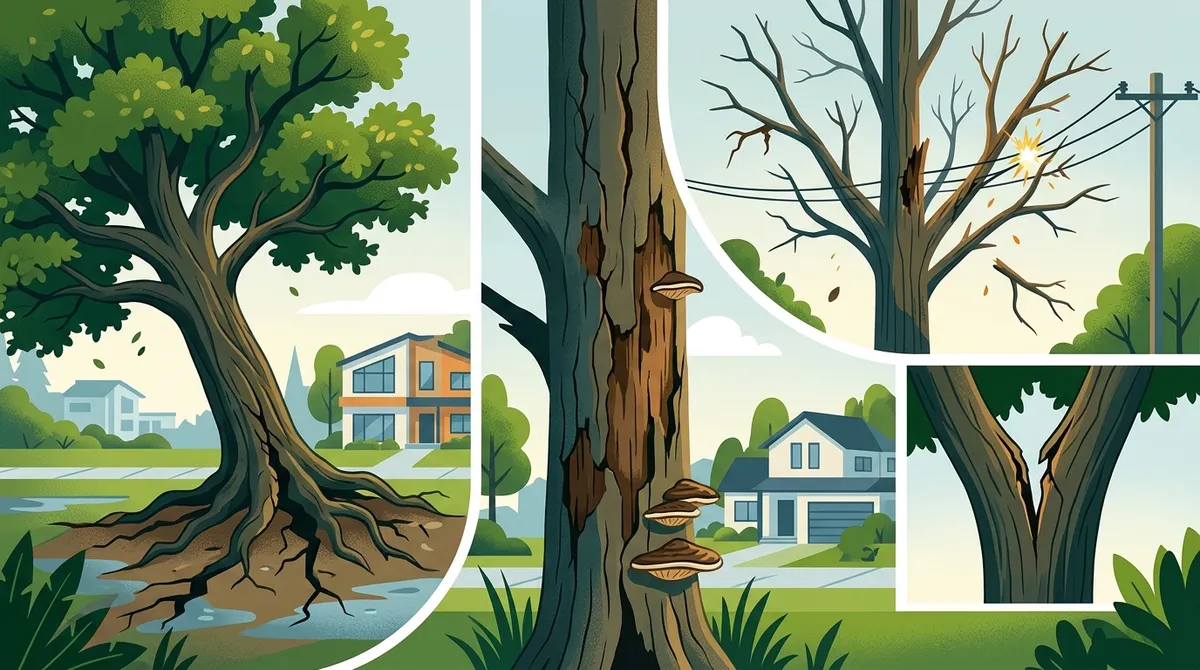
Signs Your Trees Need Immediate Attention
Waiting too long between trimming sessions can create urgent safety issues. Watch for these warning signs that indicate your trees need professional attention right away:
- Dead or hanging branches visible in the canopy
- Branches touching or overhanging the roofline
- Limbs growing within six feet of power lines
- Visible decay, fungal growth, or soft wood at the base
- Branches split or cracked after a storm event
- Uneven or lopsided canopy putting stress on the trunk
If you notice any of these conditions, don’t delay. Trees in declining or compromised condition can fail without warning, especially during Florida’s storm season. You can read more about why Valrico needs professional tree service to understand how these risks play out in practice.
What Professional Tree Trimming Typically Includes
When you hire a qualified tree trimming service, the work goes well beyond simply cutting branches. Here is what a professional service visit typically covers:
- Property assessment — identifying all trees that need attention and prioritizing by risk
- Canopy pruning — removing dead, diseased, or crossing branches for structure and health
- Canopy lifting — raising the lower edge of the canopy to improve clearance
- Shape and balance — trimming for visual symmetry and even weight distribution
- Debris cleanup — removing all cuttings and hauling them off-site
Wayne & Sons Landscaping & Junk Removal brings over 15 years of hands-on experience to every job across Brandon and the greater Tampa Bay area. The team combines expert tree trimming with full debris hauling — so your yard is clean and polished when the work is done. You can read customer reviews to see what property owners across the area have experienced firsthand. You can also visit us on Google to see our ratings and recent feedback from satisfied clients.
Tree Trimming and Hedges: A Winning Combination
While trees often get the most attention, your shrubs and hedges deserve equal care. Overgrown hedges block light, look unkempt, and can damage fences and structures over time. Scheduling hedge trimming alongside tree trimming maximizes efficiency and keeps your entire landscape looking cohesive. Learn more about hedges in Brandon and how professional care transforms your property’s borders and boundaries.
| Service | Primary Benefit | Recommended Frequency |
|---|---|---|
| Tree Trimming | Safety, health, curb appeal | Annually to every 3 years |
| Hedge Trimming | Shape, density, boundaries | 3 to 4 times per year |
| Palm Trimming | Frond management, aesthetics | 1 to 2 times per year |
| Shrub Care | Growth control, appearance | Seasonally |
| Debris Hauling | Clean property post-service | After every trimming session |
Choosing the Right Tree Trimming Partner
Not every landscaping crew offers the same level of expertise, equipment, or insurance coverage. When hiring a tree trimming professional, verify the following before work begins:
- The company is licensed and insured in the state of Florida
- The crew has experience with the specific tree species on your property
- Pricing is transparent with a written estimate provided upfront
- Debris removal is included in the service, not billed separately by surprise
- The company has verifiable customer reviews and a track record in your area
You can verify service quality by checking a company’s listing on platforms like Thumbtack, where customer ratings and project histories provide real-world insight. If you’re also looking to improve your property’s digital presence alongside your landscaping, the team at SEO Rocket specializes in helping home service businesses grow online. And if you need dental care between outdoor projects — because a healthy smile matters too — the team at Smile District serves the Brandon area with quality care.
Proper tree trimming is one of the highest-return investments you can make in your property. It protects your home, raises your curb appeal, and keeps your landscape healthy for years to come. Whether you’re maintaining a single-family home, managing a portfolio of rental properties, or preparing a listing for sale, professional tree care delivers results that are immediately visible and long-lasting. For broader landscape guidance, explore residential landscaping tips for beautiful home yards.
Ready to get your trees looking their best? Reach out to our team today for a transparent, upfront estimate — or call us directly at (813) 452-1570 to schedule your tree trimming service with Wayne & Sons Landscaping & Junk Removal. We serve Brandon, Tampa, Valrico, Riverview, and communities throughout the greater Tampa Bay area.
FAQs
Q: How much does tree trimming cost in Brandon, Florida?
A: Tree trimming costs vary based on tree size, species, and the complexity of the work involved. Industry data shows average costs ranging from $250 to $500 per tree, with larger or more hazardous jobs running higher. Wayne & Sons Landscaping & Junk Removal provides upfront, transparent estimates so you know exactly what to expect before work begins.
Q: What is the difference between tree trimming and tree pruning?
A: Tree trimming focuses on shaping a tree’s appearance and managing overgrowth, while pruning targets the removal of dead, diseased, or structurally weak branches to improve tree health. In practice, many professional services combine both techniques during a single visit for comprehensive tree care. Both approaches contribute to a safer, more attractive landscape.
Q: How often should trees be trimmed in Florida’s climate?
A: In Florida, most trees benefit from trimming every one to three years depending on species and growth rate. Fast-growing trees may need annual attention, while slower-growing species can go longer between sessions. Palm trees are best trimmed once or twice per year as dead fronds accumulate.
Q: Do I need a licensed professional for tree trimming near power lines?
A: Yes, absolutely. Tree trimming near power lines is hazardous work that requires specialized training, equipment, and insurance. Attempting this type of work without professional expertise creates serious risks of electrocution, property damage, and liability. Always hire a licensed and insured tree service provider for any work near utility lines.
Q: What happens to the branches and debris after tree trimming?
A: After tree trimming, all cut branches, fronds, and woody debris need to be collected and hauled away. Professional landscaping companies typically include debris removal as part of their service or offer it as an add-on. Wayne & Sons Landscaping & Junk Removal handles full debris cleanup and hauling, leaving your property clean and clear after every job.