Key Takeaways
-
Underestimating debris volume leads to poor planning and multiple disposal trips—assess the scope before demolition begins and use volume estimates (shed: 1-3 tons, patio: 2-5 tons, renovation: 1-4 tons) to determine proper hauling resources.
-
Sort demolition debris by material type (concrete, wood, metal, drywall) on-site to reduce disposal costs, enable recycling opportunities, and comply with Tampa Bay area regulations that have separate requirements for each material.
-
Hire licensed professional demolition cleanup services rather than attempting DIY to avoid safety hazards, equipment limitations, and improper disposal—verify license numbers, check reviews, and confirm experience with construction debris specifically.
-
Complete debris removal within days, not weeks, to prevent pest attraction, mold growth from Florida's humidity, property damage, and delayed landscaping restoration work that impacts property value.
-
After debris removal, restore damaged landscaping by grading soil, reseeding turf, trimming broken vegetation, and inspecting trees for root damage to prevent erosion and maintain Citrus Park's neighborhood aesthetics.
-
Avoid unlicensed haulers who may illegally dump waste—confirm proper documentation, approved disposal facilities, insurance coverage, and transparent pricing through free estimates before committing to any service.
Demolition cleanup in Citrus Park can feel overwhelming. Whether you’re tearing down an old shed, removing a concrete patio, or clearing a renovation site, the debris left behind is the hardest part to manage. Many homeowners and property managers make avoidable mistakes that cost time, money, and stress. Knowing what not to do is just as important as knowing the right steps to take.
Citrus Park is a thriving suburban community near Tampa, Florida. Residents here take pride in their properties and neighborhoods. But when a demolition project wraps up, the cleanup phase is often underestimated. Piles of drywall, broken concrete, wood scraps, and metal waste don’t disappear on their own. Mishandling this waste creates safety hazards, delays future landscaping work, and can even result in fines.
This guide covers the six biggest demolition cleanup mistakes Citrus Park homeowners, contractors, and property managers make — and how to avoid each one. Whether you’re a busy homeowner or a contractor finishing a job site, these insights will help you get the cleanup right the first time.
Mistake 1: Underestimating the Volume of Debris
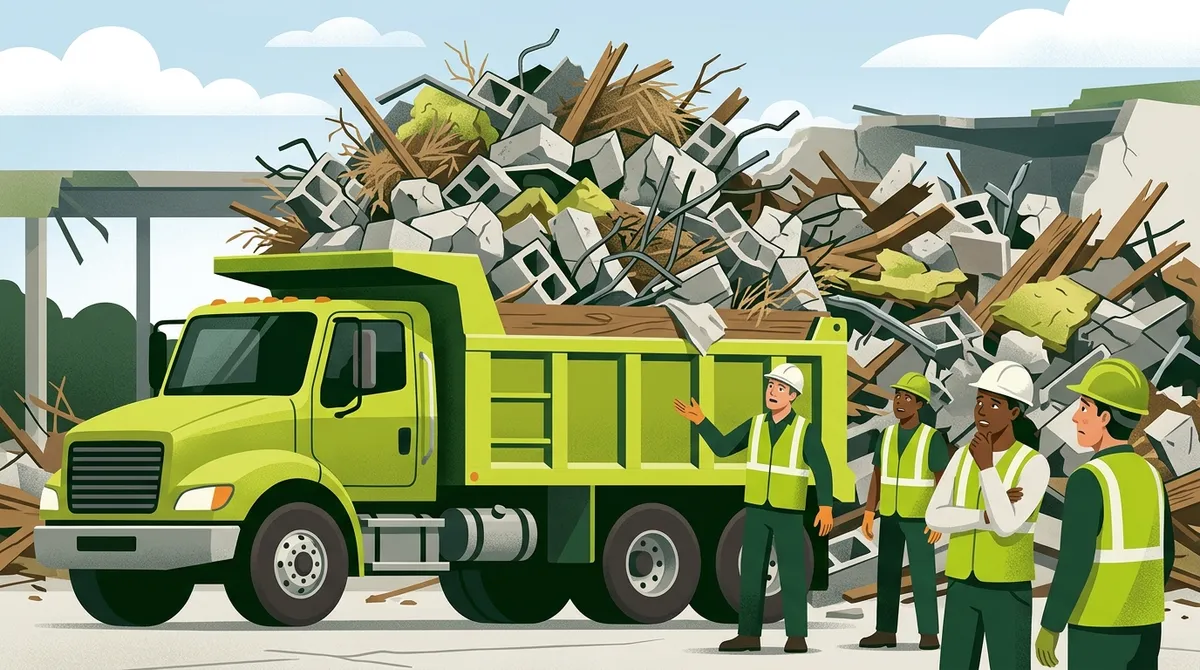
Many people are surprised by how much debris a small demolition project generates. A standard shed teardown or bathroom gut can produce several tons of material. Underestimating this volume leads to poor planning, inadequate hauling resources, and multiple trips to disposal sites.
Before your project begins, take time to assess the scope of the demolition. Walk the site and estimate the types and quantities of materials involved. This helps you determine whether you need a dumpster, a full-service junk removal in Brandon team, or both. Proper planning from the start saves significant hassle down the road.
| Project Type | Common Debris Materials | Estimated Volume |
|---|---|---|
| Shed Teardown | Wood, roofing, nails, siding | 1–3 tons |
| Patio Removal | Concrete, gravel, sand | 2–5 tons |
| Interior Renovation | Drywall, tile, insulation, metal | 1–4 tons |
| Fence Replacement | Wood posts, wire, fasteners | 0.5–2 tons |
Mistake 2: Ignoring Proper Debris Sorting
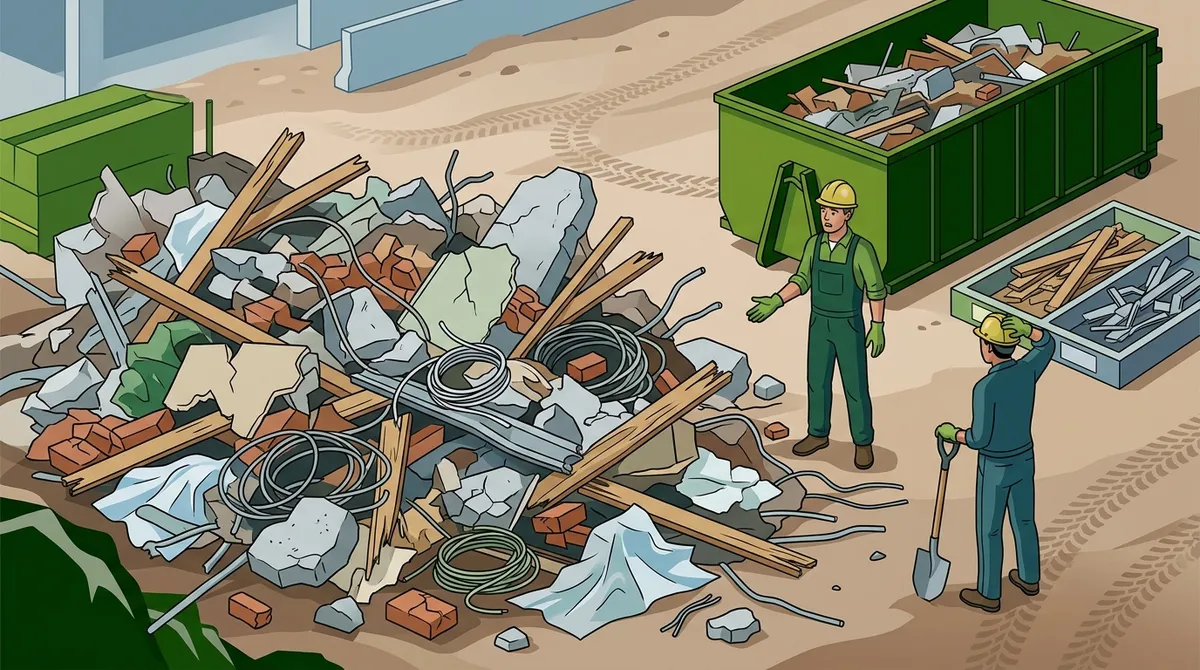
Tossing all demolition materials into one pile is a common mistake. Different materials require different disposal methods. Concrete, metal, wood, and drywall each have separate recycling and disposal requirements in the Tampa Bay area.
Sorting debris on-site saves money and supports eco-friendly disposal. Many materials from demolition projects can be recycled or repurposed. Failing to sort waste can result in higher disposal costs and missed recycling opportunities. Professional demolition cleanup in Brandon teams know how to handle each material type efficiently and responsibly.
Here are the most common debris categories and how each should be handled:
- Concrete and masonry: Heavy and dense — requires specialized hauling and recycling facilities
- Wood and lumber: Often recyclable or repurposable — sort clean wood from treated or painted wood
- Drywall and plaster: Can sometimes be recycled — keep dry and separate from wet waste
- Metal scraps: High recycling value — scrap metal dealers often accept these materials
- Hazardous materials: Asbestos, lead paint, and chemicals require licensed disposal — never mix with regular debris
Mistake 3: Delaying the Cleanup Too Long
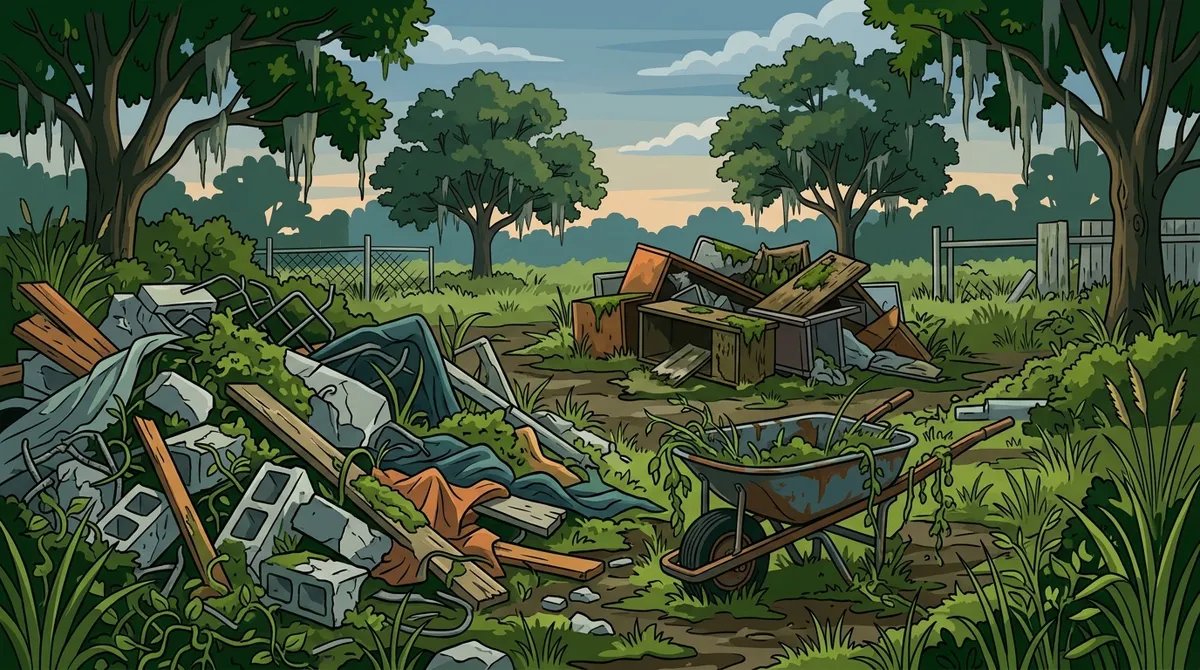
Leaving demolition debris sitting on your property for days or weeks creates serious problems. Loose materials attract pests, create tripping hazards, and can damage your lawn or landscaping beneath the pile. Florida’s heat and humidity also accelerate the breakdown of organic materials like wood, leading to mold growth.
Acting quickly after a demolition project is always the smarter choice. Many junk hauling in Brandon professionals offer same-day or next-day service for post-demolition cleanups. Prompt removal protects your property value and prevents secondary damage. It also allows landscaping restoration work to begin sooner. For more guidance on handling cleanups efficiently, see how to handle demolition cleanup in Dunedin the right way.
Mistake 4: Attempting a DIY Cleanup Without Proper Equipment
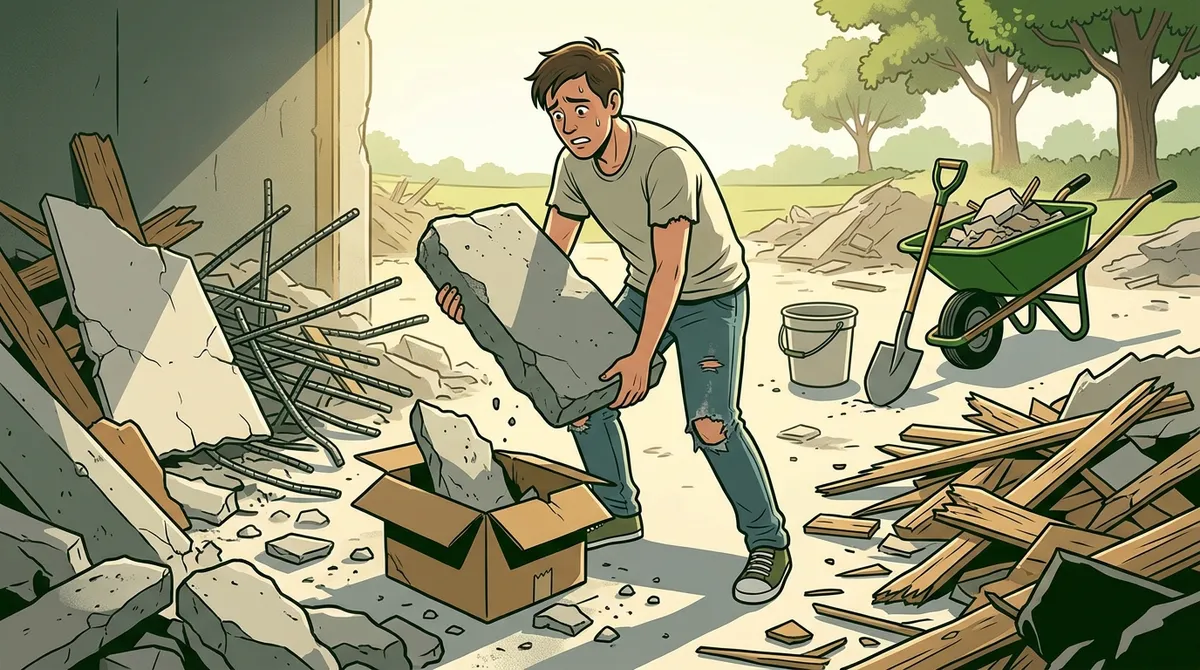
Demolition debris is heavy, sharp, and hazardous. Many Citrus Park homeowners attempt to handle cleanup themselves to save money. Without the right tools, vehicles, and protective equipment, this approach is dangerous and inefficient. A single load of concrete rubble can easily exceed the capacity of a standard pickup truck.
Professional junk removal teams come equipped with heavy-duty trucks, loading equipment, and trained crews. They carry the proper personal protective equipment (PPE) and follow safety protocols. This means faster cleanup, fewer injuries, and proper disposal — all for a surprisingly affordable cost. You can reach out to schedule a free estimate before committing to any service.
| Cleanup Method | Time Required | Safety Risk | Disposal Handled |
|---|---|---|---|
| DIY Cleanup | Multiple days | High | No (requires separate trips) |
| Dumpster Rental Only | 1–3 days | Moderate | Partial |
| Professional Junk Removal | Hours | Low | Yes (fully managed) |
When comparing your options, professional service consistently offers the best value in terms of time saved and safety maintained. Learn more about the DIY vs. pro demolition cleanup comparison to make an informed decision.
Mistake 5: Neglecting the Landscape After Demolition
Once the debris is gone, many people forget about what’s left behind — damaged turf, compacted soil, exposed tree roots, and disrupted landscaping. Demolition projects often disturb the surrounding yard. Heavy equipment and debris piles can destroy grass, crush mulch beds, and damage irrigation systems.
Post-demolition landscape restoration is a critical step that’s frequently overlooked. Restoring your yard after a cleanup ensures your property looks its best and prevents soil erosion. This is especially important in Citrus Park, where neighborhood aesthetics matter and curb appeal directly impacts property values.
After debris removal, consider these landscape restoration steps:
- Grade and level the soil — fill any holes or low spots left by removed structures
- Reseed or re-sod damaged turf areas — restore healthy grass coverage quickly
- Trim back damaged shrubs and hedges — remove any branches broken during the demolition
- Inspect trees for root damage — heavy debris can compress and damage tree root systems
- Restore mulch and garden beds — refresh borders and plant beds disrupted by the project
For properties that need both debris removal and landscaping work, professional landscaping services can address both needs in a single coordinated visit. You can also explore the full range of Wayne & Sons Landscaping & Junk Removal services to find the right solution for your property.
Mistake 6: Not Verifying Proper Licensing and Disposal Compliance
Not all junk removal providers dispose of demolition debris legally and responsibly. Some unlicensed haulers dump waste illegally at unauthorized sites, which can expose property owners to liability. In Hillsborough County, improper disposal of construction debris carries significant fines.
Always verify that your demolition cleanup provider is properly licensed and follows local disposal regulations. Ask for documentation, check reviews, and confirm that the company has experience handling construction and demolition waste specifically. Checking a company’s reputation on platforms like Thumbtack is a smart first step to verify credentials and customer feedback.
Wayne & Sons Landscaping & Junk Removal operates with full licensing (License #: G21000055178) and brings over 15 years of professional experience to every project in the Tampa Bay area. You can visit our Google Business Profile to read verified customer reviews and see firsthand why homeowners and contractors across Citrus Park and surrounding communities trust our team.
| What to Check | Why It Matters |
|---|---|
| Business license number | Confirms the company is legally registered to operate |
| Disposal documentation | Ensures debris goes to approved facilities |
| Customer reviews | Reflects reliability and quality of service |
| Insurance coverage | Protects you from liability during the cleanup process |
| Free estimate availability | Indicates transparent, upfront pricing practices |
What a Professional Demolition Cleanup in Citrus Park Should Include
A thorough demolition cleanup service goes beyond simply hauling debris away. When you hire a qualified team, you should expect a complete service from start to finish. Here’s what a professional cleanup typically covers:
- On-site assessment: The team evaluates the site before starting to estimate volume, material types, and any hazards
- Debris loading and hauling: All materials are safely loaded and transported to approved disposal or recycling facilities
- Site clearing and sweeping: The area is cleared of small debris, nails, and loose materials after bulk hauling
- Eco-friendly sorting: Recyclable materials like metal and clean wood are separated and diverted from landfills
- Landscaping coordination: Recommendations or immediate action for restoring the surrounding lawn and garden areas
For Citrus Park residents who’ve experienced storm damage in addition to demolition, it’s worth noting that storm debris removal in Brandon follows a similar professional approach and can often be bundled with post-demolition cleanup. Also relevant for local property owners is the guide on DIY vs. professional storm debris removal in Citrus Park.
Who Needs Demolition Cleanup in Citrus Park Most Often
Demolition cleanup services serve a wide range of clients across the Citrus Park area. Understanding who benefits most can help you determine whether professional service is right for your situation.
- Busy homeowners: Tackling a renovation or shed removal and need fast, reliable debris removal without the DIY hassle
- Real estate agents: Preparing a listing for sale and need a clean, debris-free property to maximize curb appeal
- Property managers: Handling tenant turnovers or property upgrades that leave behind construction waste
- Contractors and builders: Finishing job sites cleanly and professionally after structural demolition work
- Downsizing seniors: Clearing outbuildings or old structures as part of a broader estate or home transition
If you fall into any of these categories, professional demolition cleanup in Citrus Park is a worthwhile investment. For reference on related services across the Tampa Bay region, see the 9 key steps for demolition cleanup in Bloomingdale and the 6 steps for demolition cleanup Clearwater homeowners need for additional frameworks. Also, check out our project gallery to see the quality of work our team delivers on real properties.
The Brandon, Florida area, including Citrus Park, continues to grow rapidly in 2026. With more renovations, new construction, and property upgrades happening across Tampa Bay, demand for professional demolition cleanup services has never been higher. Choosing a trusted, experienced local provider protects your investment and keeps your property in top condition.
Conclusion
Demolition cleanup in Citrus Park doesn’t have to be complicated or stressful. Avoiding these six common mistakes — underestimating debris volume, poor sorting, delayed cleanup, improper DIY attempts, neglecting landscaping, and skipping license verification — puts you ahead of the curve. Each mistake is easy to sidestep when you work with a professional, experienced team.
Wayne & Sons Landscaping & Junk Removal has proudly served the greater Tampa Bay area for over 15 years. Our team delivers prompt, thorough, and affordable demolition cleanup services for homeowners, contractors, real estate professionals, and property managers throughout Citrus Park and surrounding communities. We offer transparent pricing, free estimates, and guaranteed satisfaction on every job.
Don’t let demolition debris slow down your next project. Contact our team today for a free, no-obligation estimate — or call us directly at (813) 452-1570 to speak with a cleanup specialist and get your property back in order fast.
FAQs
Q: What does demolition cleanup in Citrus Park typically include?
A: Professional demolition cleanup in Citrus Park includes on-site debris assessment, loading and hauling of materials like concrete, wood, drywall, and metal, site clearing, eco-friendly sorting for recycling, and coordination of any necessary landscaping restoration. The goal is to leave your property safe, clean, and ready for its next phase.
Q: How long does a demolition cleanup take in Citrus Park?
A: Most residential demolition cleanups in Citrus Park can be completed in just a few hours when handled by a professional crew with proper equipment. Larger commercial sites or projects with heavy concrete debris may require a full day. Many providers offer same-day or next-day service to minimize delays on your project.
Q: What types of debris are removed during post-demolition cleanup?
A: Post-demolition cleanup typically handles drywall, concrete, wood, metal scraps, roofing materials, tile, insulation, and general construction waste. Hazardous materials such as asbestos or lead-based paint require licensed specialty disposal and are handled separately from standard demolition debris.
Q: Is professional demolition cleanup in Citrus Park eco-friendly?
A: Yes, reputable junk removal and demolition cleanup companies in Citrus Park prioritize eco-friendly disposal. This includes sorting recyclable materials like metal and clean wood, diverting reusable items from landfills, and transporting waste only to approved disposal and recycling facilities in the Tampa Bay area.
Q: Do I need a permit for demolition cleanup in Citrus Park, FL?
A: Permits are typically required for the demolition work itself rather than the cleanup phase, but local regulations in Hillsborough County can vary by project type and scope. Always check with your local building department before starting any demolition project. A licensed professional service provider can help guide you through the compliance requirements.