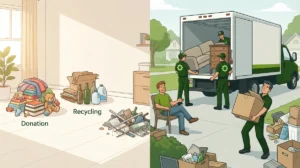
Key Takeaways
-
Professional tree debris hauling costs $75-$250 per dump trip or $50-$80 per hour in labor; larger loads with stumps and root balls run around $500 per load, with transparent pricing available to avoid hidden fees.
-
Most tree debris hauling companies recycle green waste into mulch or wood chips rather than sending it to landfills, making it an environmentally responsible choice for handling storm damage and yard waste.
-
Preparing your debris pile by staging it near the driveway, separating it from household trash, and notifying the company about stumps in advance can speed up service and potentially lower costs.
-
Many companies offer fast-response storm cleanup services with same-day or next-day availability, which is critical since downed trees create safety hazards by blocking driveways, damaging fences, or threatening power lines.
-
Tree debris hauling covers branches, logs, stumps, root balls, brush, and leaves from tree removal, storm damage, or landscaping projects—but avoid mixing in construction debris, treated wood, or nails without notifying the crew first.
-
Real estate agents commonly use tree debris hauling before property showings to boost curb appeal, as storm debris and overgrown branches significantly impact a listing's first impression with potential buyers.
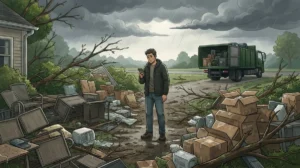
Storm rolled through last night and now your yard looks like a lumber yard exploded. Branches everywhere. A tree down near the fence. And that pile of limbs you trimmed last weekend is still sitting there, taking up half your driveway. Sound familiar? If you live anywhere near Brandon, Florida, you know this scene well. Florida weather doesn’t play nice with yards.
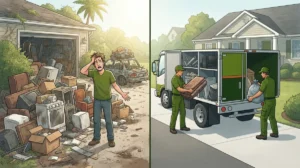
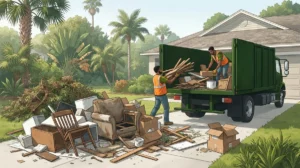
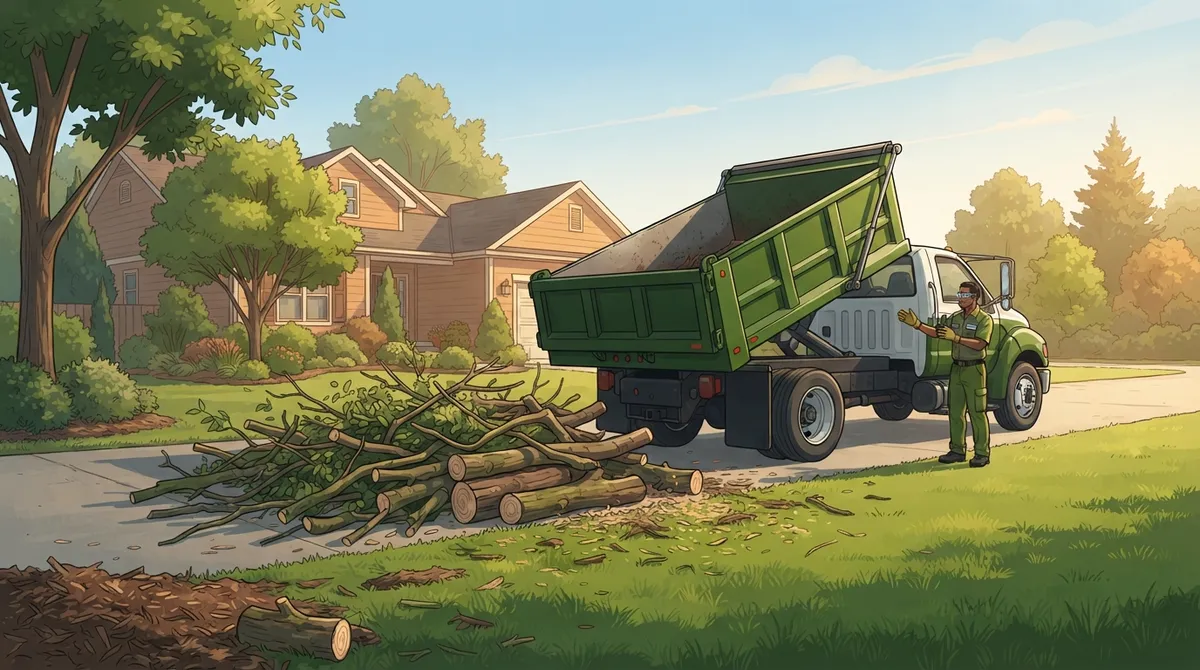
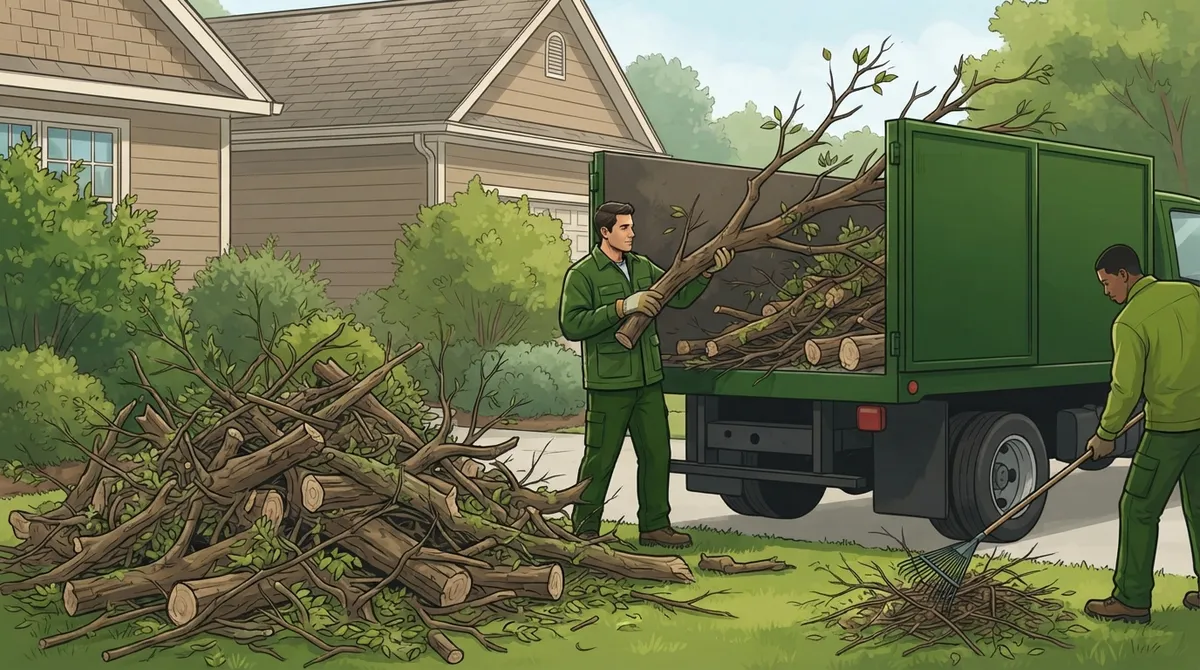
That’s where tree debris hauling comes in. It’s the service that takes all that green waste off your hands. We’re talking branches, logs, stumps, root balls, brush, and leftover mulch. Instead of you wrestling with a truck bed and a tarp, a professional crew loads it up and hauls it away for good.
In this guide, we’ll walk through exactly what tree debris hauling covers, what it costs, and how to prepare your yard for pickup. Whether you’re a homeowner dealing with storm damage or a contractor wrapping up a job site, this article has you covered. Let’s dig in.
What Is Tree Debris Hauling, Exactly?
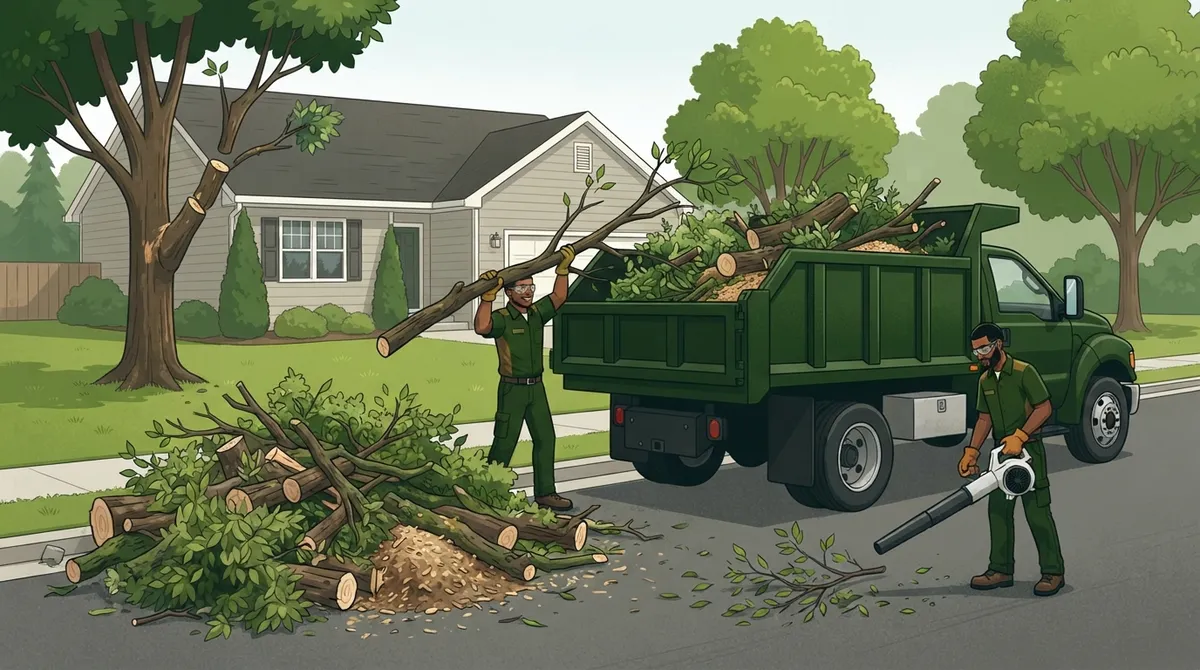
Tree debris hauling is the pickup, transport, and disposal of wood and plant waste. This waste usually comes from tree trimming, tree removal, storm cleanup, or landscaping projects. Think branches, limbs, logs, stumps, root balls, brush, leaves, and grass clippings.
Most companies that offer this service also handle disposal responsibly. Many haul debris to recycling centers instead of landfills. Wood gets ground into mulch. Brush gets chipped. This keeps green waste out of overflowing dumps and puts it to good use.
For homeowners, this service is a lifesaver after a big storm or a weekend of yard work. For contractors and property managers, it’s often a necessary step to finish a job site cleanly and on schedule.
What Materials Are Typically Accepted
Not everything ends up in the same pile. Here’s what most tree debris hauling services will take:
- Tree branches and limbs of all sizes
- Whole logs and cut trunk sections
- Stumps and root balls (sometimes with extra fees)
- Brush and small shrubs
- Leaves, grass clippings, and sod
- Mulch and other organic yard waste
Some haulers draw a hard line at construction debris or treated wood mixed in with clean green waste. If your pile has nails, paint, or pressure-treated lumber, let the crew know ahead of time. It usually costs more to sort and dispose of contaminated material.
Why Tree Debris Hauling Matters More Than You Think
It’s easy to underestimate how much debris a single tree can generate. A mature oak that comes down in a storm can leave behind tons of material. Multiply that across a neighborhood after a hurricane, and you’ve got a serious cleanup job on your hands.
Beyond the obvious mess, leftover tree debris creates real problems. Piles of brush attract pests. Rotting wood can damage your lawn underneath. And if debris blocks driveways or sidewalks, it becomes a safety hazard, especially for elderly residents or anyone with mobility issues.
This is exactly why so many homeowners in Brandon and surrounding communities turn to a professional service instead of trying to DIY it. Renting a truck, making multiple dump runs, and paying landfill fees can eat up an entire weekend. A trained crew gets it done in a fraction of the time.
Common Situations That Call for Tree Debris Hauling
- After a professional tree trimming or tree removal service
- Following a major storm or hurricane with downed limbs and trunks
- During a full landscape overhaul or yard renovation
- When clearing land for new construction or a building addition
- After DIY yard work that leaves behind more waste than expected
- When preparing a property for sale and boosting curb appeal
Real estate agents especially appreciate this service. A yard full of storm debris or overgrown branches can tank a listing’s first impression. Clearing it out fast, along with a bit of hedge trimming and shrub care, can make a huge difference before showings.
How Much Does Tree Debris Hauling Cost?
Pricing varies depending on the size of the job, how far the crew has to travel, and how the debris is arranged. That said, there are some general industry benchmarks worth knowing.
| Service Type | Typical Cost Range |
|---|---|
| Dump trip fee (per load) | $75 to $250 |
| Hauling labor | $50 to $80 per hour |
| Tree chipping service | $100 to $150 per hour |
| General yard debris removal | $150 to $300 per property |
| Large load (brush, logs, stumps, root balls) | Around $500 per load, plus possible extra fees |
These figures come from pricing summaries reported by HomeGuide and Yelp in 2025 and 2026, along with current listings from Florida-based debris removal companies. Extra charges often apply for long driveways, hard-to-reach piles, or debris mixed with dirt and construction waste.
Wayne & Sons Landscaping & Junk Removal keeps things simple with transparent, upfront pricing. No hidden fees, no surprises. You’ll know exactly what you’re paying before the truck ever shows up.
Factors That Affect Your Final Price
- Total volume of debris (measured by load or cubic yard)
- Distance from the pile to the road or truck access point
- Type of material, especially if stumps or root balls are involved
- Whether debris is separated or mixed with trash and construction waste
- Labor needed to load and haul heavy or awkward material
- Local disposal or recycling facility fees
Tree Debris Hauling vs. Regular Yard Waste Removal
These two services overlap, but they’re not identical. Understanding the difference helps you pick the right service for the job.
| Feature | Tree Debris Hauling | Yard Waste Removal |
|---|---|---|
| Typical materials | Logs, stumps, root balls, large branches | Grass clippings, leaves, small trimmings |
| Equipment needed | Trucks, chippers, sometimes grapple trucks | Bags, bins, basic hauling |
| Common triggers | Tree removal, storm damage, land clearing | Routine mowing and light pruning |
| Disposal method | Often recycled into mulch or wood chips | Composted or bagged for pickup |
Many companies, including Wayne & Sons Landscaping Services, offer both under one roof. That means you don’t need to call three different companies to handle a fallen tree, a pile of hedge trimmings, and last month’s grass clippings.
How the Tree Debris Hauling Process Works
Wondering what actually happens once you book a pickup? Here’s the general step-by-step process most companies follow:
- You contact the company and describe the debris (type, amount, location)
- The company provides an estimate, sometimes after a quick photo review or in-person visit
- You prepare the debris pile according to their guidelines (more on that below)
- The crew arrives with trucks and equipment on the scheduled day
- They load, haul, and dispose of or recycle the material
- You get a clear, clutter-free yard with no lifting required on your end
For storm cleanup, many companies including local providers near Brandon, Florida offer faster turnaround times since downed trees can pose safety risks. If a limb is blocking your driveway or resting on your roof, don’t wait around. Reach out right away.
How to Prepare Your Debris for Pickup
A little prep work can speed up the process and sometimes even lower your cost. Here’s what most haulers ask for:
- Stage branches and logs near the road or driveway if possible
- Keep tree debris separate from household trash or construction waste
- Cut extremely long branches into smaller sections if you’re able to
- Avoid mixing dirt, rocks, or treated lumber into the pile
- Let the company know about stumps or root balls in advance
- Clear a path for trucks to access the pile safely
These simple steps make the job faster for the crew and keep your final bill predictable.
Who Needs Tree Debris Hauling Most?
Almost everyone runs into a need for this service eventually, but a few groups rely on it more than most.
- Busy homeowners who don’t have time to haul debris themselves
- Real estate agents prepping a property for photos and showings
- Property managers handling tenant turnovers or storm cleanup at rental units
- Contractors and builders clearing land or finishing a landscaping job
- Seniors and elderly residents who can’t safely lift or haul heavy branches
- Small business owners keeping their storefront grounds tidy and welcoming
If you’re downsizing a family home or helping an aging parent declutter, tree debris hauling often pairs nicely with broader junk removal services. One visit can clear out the yard and the garage at the same time.
Does Tree Debris Hauling Include Storm Cleanup?
Yes, and it’s one of the most requested services after severe weather hits Florida. Hurricanes and tropical storms can knock down entire trees, scatter limbs across yards, and leave homeowners overwhelmed.
Many companies market storm debris removal as a fast-response service, sometimes with same-day or next-day availability. This matters because downed trees can block driveways, damage fences, or even threaten power lines.
If you’re dealing with a fallen tree after a storm, don’t try to handle it alone. Heavy limbs and unstable trunks are dangerous to move without the right equipment. Professional crews handle down tree removal safely, then haul away every last piece of debris.
Choosing the Right Tree Debris Hauling Company
Not all hauling services are created equal. Here’s what to look for before you book:
- Clear, upfront pricing with no hidden fees
- Proper licensing and insurance for the work performed
- Experience with both routine yard waste and storm cleanup
- Willingness to explain what happens to the debris (recycled vs. landfill)
- Positive reviews from local customers in your area
- Flexible scheduling, especially for urgent or storm-related jobs
Wayne & Sons Landscaping & Junk Removal has served the greater Tampa Bay area for over 15 years, handling everything from routine tree trimming to full storm debris cleanup. You can check out real customer feedback through our reviews page, browse our work on Thumbtack, or see what our Wayne & Sons Landscaping & Junk Removal customers say on Google.
Final Thoughts on Tree Debris Hauling
Nobody wants to spend their weekend wrestling branches into a truck bed or making endless trips to the dump. Tree debris hauling exists to take that burden off your shoulders, whether you’re cleaning up after a storm, finishing a landscaping project, or just tackling that pile of trimmings that’s been sitting in the yard too long.
The good news? You don’t have to figure it out alone. From routine palm tree trimming to major storm cleanup, our team at Wayne & Sons Landscaping & Junk Removal has the trucks, the experience, and the friendly crew to get your yard looking great again. We proudly serve Brandon, Apollo Beach, Riverview, Valrico, Seffner, and the surrounding communities.
Ready to clear that debris pile once and for all? Contact us today for a free, no-pressure estimate, or give us a ring at Call Us. Prefer texting? Feel free to text us at 813-452-1570 and we’ll get back to you fast.
FAQs
Q: What is tree debris hauling in landscaping?
A: Tree debris hauling is the pickup and disposal of wood waste like branches, logs, stumps, and brush. It’s usually needed after tree trimming, storm damage, or a big landscaping project. Instead of you loading a truck yourself, a professional crew handles it all for you.
Q: How much does tree debris hauling cost?
A: Costs typically range from $75 to $250 per dump trip, with labor running $50 to $80 per hour. Larger loads with logs, stumps, or root balls can run higher, sometimes around $500 per load. The good news is companies like Wayne & Sons offer clear, upfront pricing so there are no surprises.
Q: Is tree debris hauled to a landfill or recycled?
A: It depends on the company, but many haulers recycle green waste into mulch or wood chips instead of dumping it in a landfill. This has actually been common practice for decades in Florida’s landscaping industry. Ask your provider how they handle disposal if it matters to you.
Q: Do tree debris hauling companies handle storm cleanup?
A: Yes, absolutely. Storm cleanup is one of the most common reasons people call for tree debris hauling, especially in Florida during hurricane season. Many companies, including ours, offer quick response times to clear downed limbs and trees safely.
Q: How should tree debris be prepared for pickup?
A: Try to stage your branches and logs near the driveway or road, and keep them separate from regular trash. If you have stumps or root balls, just let the crew know ahead of time so they can plan for the extra weight. A little prep goes a long way toward a faster, smoother pickup.
Our Service Area