Key Takeaways
-
Phase your landscaping project into stages instead of renovating everything at once, starting with cleanup and soil improvement, then adding costly features like patios and irrigation systems later to spread costs over time.
-
Replace high-maintenance traditional lawns with native and climate-adapted plants that require significantly less water, fertilizer, and mowing while reducing long-term maintenance costs and improving pest resistance.
-
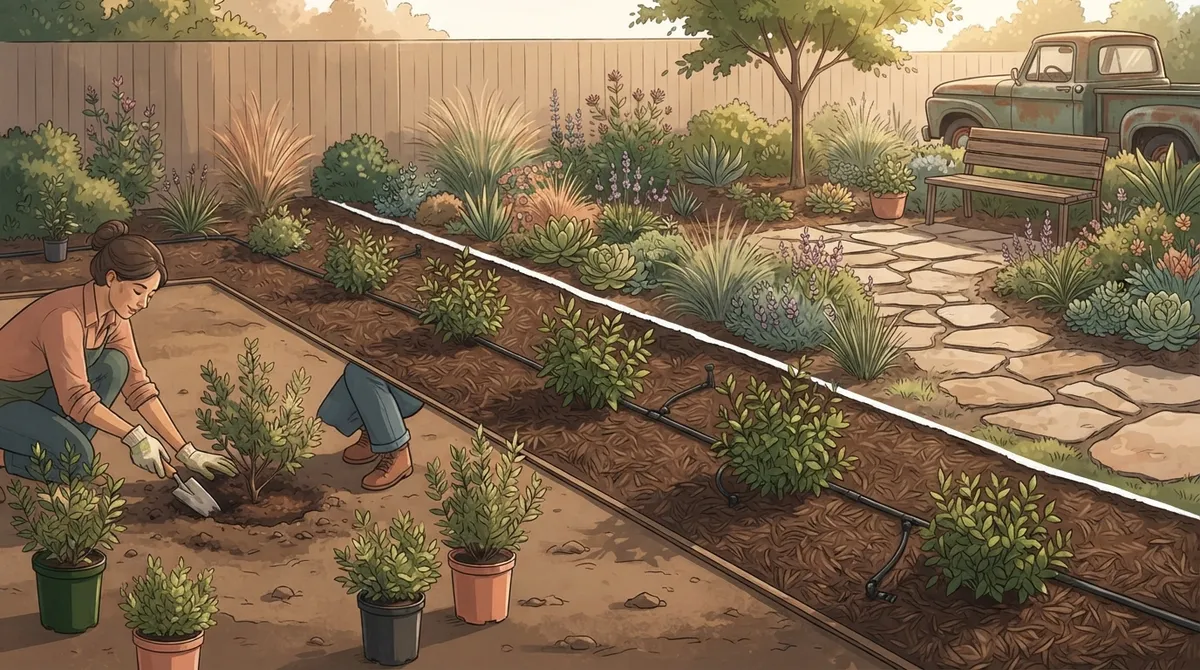
Apply 2-3 inches of organic mulch around plants to conserve moisture, suppress weeds, and feed soil as it breaks down, costing as little as $2-$6 per bag for DIY installation.
-
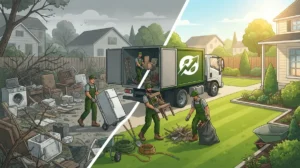
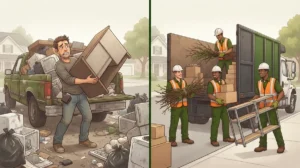
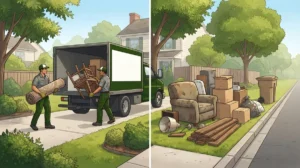
Combine junk removal and yard cleanup with landscaping services into one project to save on labor costs, coordination fees, and disposal trips compared to hiring separate companies.
-
Switch to drip irrigation or soaker hoses instead of sprinklers to reduce water usage by 50% or more, and group plants with similar water needs together to maximize efficiency.
-
Avoid common mistakes like skipping the planning phase, ignoring drainage and utilities, using contaminated materials, and piling mulch against tree trunks, which can lead to costly repairs and plant damage.
Does your yard need a facelift, but your wallet says “not so fast”? You are not alone. Every week, we talk to homeowners across Brandon, Florida who love the idea of a fresh, tidy landscape but worry about the cost. Here is the good news: budget friendly landscaping is not about doing less. It is about spending smarter.
With a little planning, the right plants, and some help clearing out old junk and debris, you can transform your yard without draining your savings. This guide breaks down three proven strategies that save money now and for years to come. Whether you are a busy homeowner, a real estate agent prepping a listing, or a senior downsizing your property, these tips apply to you.
We will also show you how combining yard cleanup, junk hauling, and landscaping into one service can stretch your budget even further. Let’s dig in.
Why Budget Friendly Landscaping Is a Smart Long-Term Strategy
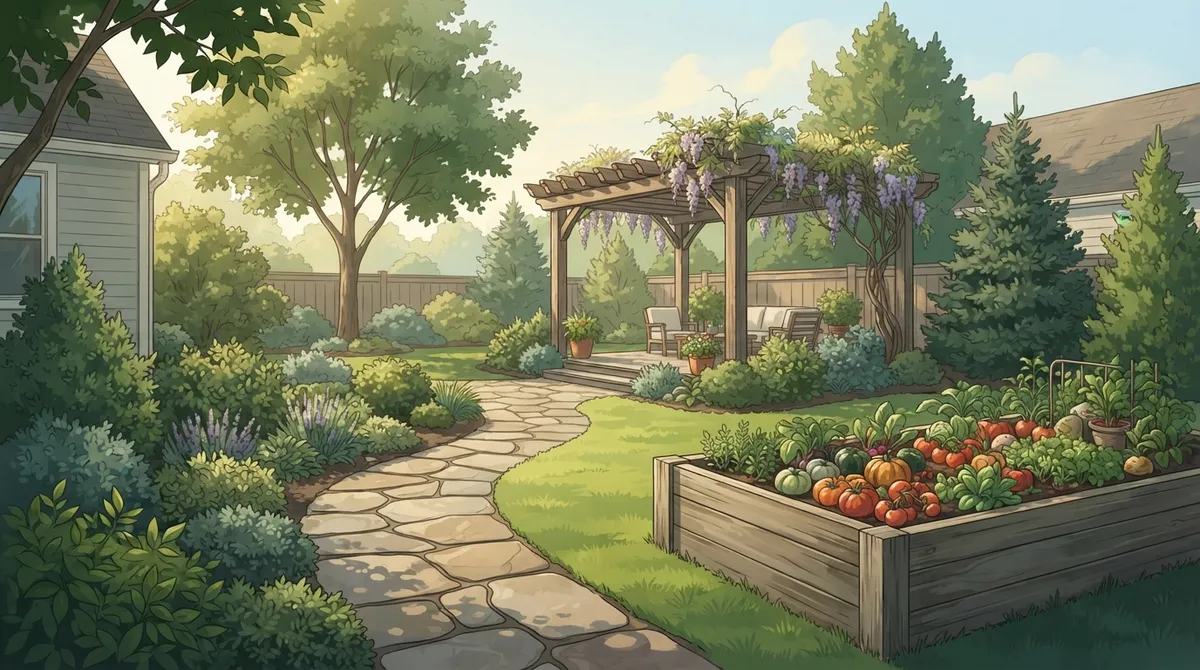
Budget friendly landscaping is not just about cheap materials. It is about thinking through the whole project so you spend less over time. That means smart plant choices, less lawn to mow, and efficient watering.
Think of it as a total-cost approach. You plan the design first. Then you prioritize what matters most. Finally, you pick plants and materials that will not cost a fortune to maintain later.
- Lower water bills from efficient irrigation and drought-tolerant plants
- Reduced mowing and trimming time with smaller lawn areas
- Fewer plant replacements when you choose the right species for your soil and sun
- Less fertilizer and pesticide needed for native or adapted plants
- One combined service for cleanup, hauling, and installation saves on labor costs
This mindset shift is the foundation for everything else in this guide.
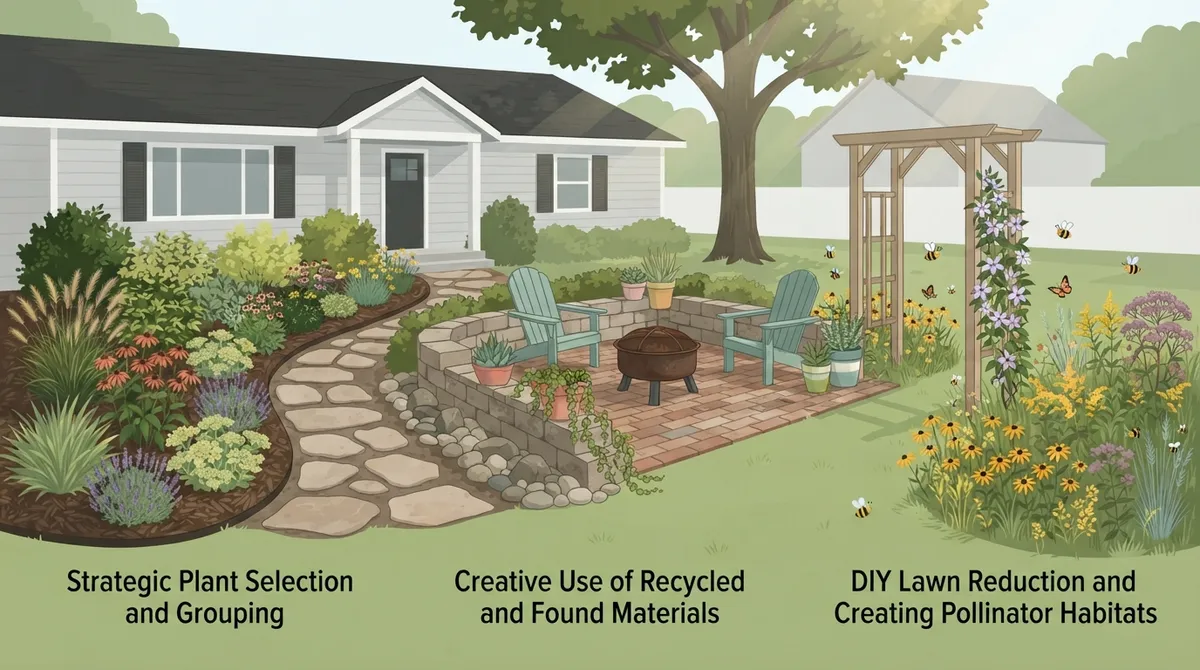
3 Budget Friendly Landscaping Strategies That Actually Work
These three approaches are ranked by how much impact they have on your wallet, both upfront and long-term. Each one can stand alone, but they work even better together.
1. Phase Your Project Instead of Doing It All at Once
Trying to redo your entire yard in one weekend is a fast way to overspend. Instead, break the project into stages. Start with the essentials, then add bigger features later.
- Clean up the yard first. Remove dead branches, old mulch, and any junk or debris sitting around.
- Fix drainage and grading problems before you plant anything new.
- Improve your soil with compost so plants thrive without extra fertilizer.
- Install core planting beds and mulch.
- Save patios, retaining walls, and irrigation systems for a later phase once budget allows.
This approach spreads out costs and lets you see results quickly. If you are prepping a home for sale, this is especially useful. Real estate agents often ask us to handle cleanup and basic bed work fast, since curb appeal matters more than a full renovation when a home is about to list.
Property managers juggling multiple rental units also benefit from phasing. You can tackle the worst-looking properties first, then work through the rest of your portfolio over a few months.
2. Choose Native and Climate-Adapted Plants Over High-Maintenance Turf
Traditional lawns are thirsty and needy. Native plants, on the other hand, are built for our Florida climate. They need less water, less fertilizer, and less babying overall.
The USDA Forest Service points out that native plants reduce water and fertilizer needs, help control erosion, and cut down on maintenance work. That is a big win for busy homeowners and small business owners who want a nice-looking property without weekly upkeep.
Here is how native plants stack up against traditional turf-heavy yards:
| Feature | Traditional Turf Lawn | Native/Adapted Plant Beds |
|---|---|---|
| Watering Needs | High, frequent | Low once established |
| Mowing Frequency | Weekly | Rarely or never |
| Fertilizer Use | Regular application | Minimal to none |
| Pest/Disease Resistance | Lower | Higher |
| Long-Term Cost | Higher | Lower |
Reducing lawn area with native plant beds, ground covers, or mulched sections lowers your maintenance load. Just make sure any redesign accounts for drainage, walkways, and local rules. Simply throwing rock or plastic over grass is not a real fix.
For homeowners who want a low-maintenance yard without sacrificing curb appeal, our landscaping services team can help you pick the right mix of plants for your specific lot.
3. Use Mulch and Efficient Watering to Cut Ongoing Costs
Mulch might be the single best value in all of landscaping. It is cheap, easy to apply, and does a lot of work for your yard.
According to EPA guidance, organic mulch conserves moisture, blocks weeds, and keeps soil temperature steady. It also feeds your soil as it breaks down. The standard recommendation is about 2 to 3 inches of mulch around trees and shrubs, kept away from trunks and stems to avoid rot.
HomeGuide’s 2025 cost data shows just how affordable this upgrade can be:
| Mulch Option | Estimated Cost |
|---|---|
| DIY bagged mulch (economy) | $2–$6 per bag |
| DIY bulk mulch (pickup) | $15–$30 per cubic yard |
| Professionally installed mulch | $35–$70 per cubic yard |
Wood chips, shredded leaves, and finished compost can lower material costs even more, especially when sourced locally. Many landscaping companies coordinate with tree services or municipal programs to get clean chips at low or no cost.
Pair mulch with smart watering. The EPA reports that drip irrigation or soaker hoses can save 50% or more compared to sprinklers when used in planting beds. Group plants with similar water needs together, water early in the morning, and fix leaky hoses right away. These small changes add up to real savings on your water bill.
How Junk Removal Fits Into a Budget Friendly Landscaping Plan
Here is something a lot of people forget: you cannot landscape around a pile of junk. Old furniture, broken fencing, storm debris, and construction scraps all need to go before real improvements can happen.
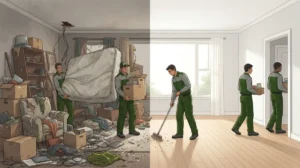
Combining junk removal with your landscaping project actually saves money. Instead of hiring separate companies for cleanup and installation, one team can handle both. That means less coordination, fewer trip charges, and a faster timeline overall.
Here is what a combined cleanup and landscaping approach usually includes:
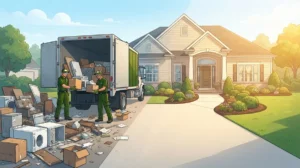
- Hauling away branches, leaves, and brush from storm damage or old growth
- Removing old furniture, appliances, or construction debris from the yard
- Clearing space for new planting beds
- Composting or recycling yard waste when possible
- Donating usable items instead of sending them to the landfill
- Legal, responsible disposal of anything that cannot be reused
This matters more than people realize. Historic EPA data shows yard trimmings once made up close to one-fifth of all municipal solid waste in the U.S., and during summer and fall that share could climb to 25–50%. Responsible disposal keeps your project both budget friendly and environmentally sound.
Contractors and builders finishing a job site also benefit from this combo. Instead of leaving debris behind, a single call handles demolition cleanup and final grading in one visit. For home renovation projects, this means old appliances, scrap wood, and construction waste are gone before the landscaping crew even shows up.
Common Budget Friendly Landscaping Mistakes to Avoid
Cutting costs the wrong way can backfire. Here are mistakes we see often, and how to avoid them.
- Skipping the planning step. Jumping straight into buying plants without a layout wastes money on things that do not fit.
- Ignoring drainage and utilities. Always check for buried lines before digging. This protects you and your property.
- Using unknown fill or mulch. Contaminated materials can harm plants and soil health.
- Piling mulch against tree trunks. This causes rot and invites pests. Keep it about an inch away from stems and trunks.
- Dumping yard waste illegally. This can lead to fines and environmental harm. Always use proper disposal or a licensed hauler.
- Overwatering new plants. More water is not always better, especially for drought-tolerant species.
Avoiding these missteps keeps your project affordable and your yard healthy for years to come.
Comparing DIY vs. Professional Budget Friendly Landscaping
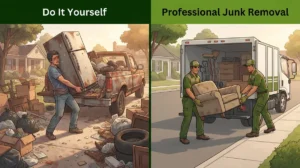
Many homeowners wonder if DIY landscaping saves more money than hiring a pro. The answer depends on your time, tools, and the scope of the project.
| Factor | DIY Approach | Professional Service |
|---|---|---|
| Upfront Cost | Lower for small projects | Bundled pricing often saves on labor |
| Time Investment | High, especially for beginners | Minimal, work is scheduled and done fast |
| Equipment Needed | Must buy or rent tools | Included in service |
| Disposal of Debris | Extra trips to dump or landfill | Hauling included |
| Risk of Mistakes | Higher without experience | Lower, backed by expertise |
For small tasks like planting a few shrubs, DIY can work fine. But for larger projects involving grading, tree work, or heavy debris, a professional crew often ends up saving you money and headaches. You can read more in our comparison guide on DIY vs. professional lawn care services.
Tips for Specific Situations
Every property owner has different needs. Here is how budget friendly landscaping applies to a few common situations we see often in the Brandon area.
- Real estate agents: Focus on quick wins like hedge trimming, mulch refresh, and junk removal to boost curb appeal before showings.
- Property managers: Schedule regular maintenance and junk removal between tenants to keep units rent-ready without overspending.
- Downsizing seniors: Combine light landscaping cleanup with furniture removal to make a move easier and less stressful.
- Contractors and builders: Pair job site debris removal with final landscaping touches to hand off a clean, finished property.
- Small business owners: A tidy, well-mulched entrance makes a great first impression without a big investment.
No matter your situation, the goal is the same: get the most value from every dollar spent on your yard.
Why Work With a Local Landscaping and Junk Removal Team
Budget friendly landscaping works best when one team handles the whole job. That means less back-and-forth, fewer surprise fees, and a faster path to a great-looking yard.
Wayne & Sons Landscaping & Junk Removal has served Brandon, Florida and nearby communities for over 15 years. We combine palm tree trimming, shrub care, mulch installation, and full junk hauling into one transparent, upfront quote. No guessing games, no hidden fees.
We also handle the tough jobs, like storm debris removal and down tree removal, so your yard is ready for a fresh start. Even a simple task like mowing plays a role in a healthy lawn, as explained by the history and mechanics of the lawn mower and its impact on modern yard care.
Curious what past customers think? Check out real feedback on our Thumbtack profile, browse our customer reviews, or see photos of past projects in our project gallery. You can also visit us on Google — Wayne & Sons Landscaping & Junk Removal to see what our neighbors are saying.
Your Next Steps Toward an Affordable, Beautiful Yard
Budget friendly landscaping is not about cutting corners. It is about making smart choices that save you money now and later. Plan in phases, choose the right plants, use mulch wisely, and do not forget to clear out junk and debris before you start planting.
Whether you are a homeowner refreshing your front yard, a property manager keeping units rent-ready, or a contractor finishing a job site, these strategies work. And when you need a hand, our team at Wayne & Sons is ready to help with everything from junk hauling to full landscape installation.
Ready to get started? Contact us today for a free, transparent quote, or give us a call to talk through your project. You can also text us at 813-452-1570 for quick answers to your landscaping questions. Let’s make your yard beautiful without breaking your budget.
FAQs
Q: What are the cheapest landscaping ideas for a front yard?
A: Start with a good cleanup, add a fresh layer of mulch, and plant a few native shrubs or ground covers. These small changes make a big visual difference without a big price tag. Removing old junk or debris first also helps your new plants and mulch really shine.
Q: Are native plants cheaper and easier to maintain than traditional landscaping?
A: Yes, in most cases! Native and climate-adapted plants need less water, less fertilizer, and less overall care once they are established. That means fewer replacement costs and lower bills over time, which is a win for any budget.
Q: Is mulch or gravel cheaper for covering a large area?
A: Mulch is usually the more budget-friendly option upfront and it also feeds your soil as it breaks down. Gravel can last longer but often costs more initially and does not offer the same soil benefits. Your best choice depends on the look and function you want for that space.
Q: How can junk removal and yard cleanup be combined with a landscaping project?
A: A single company can handle both, which saves you time and money. Instead of scheduling separate teams, a combined service clears branches, old furniture, and debris while prepping your beds for new plants. It’s one less thing to coordinate, and it usually costs less than hiring two separate companies.
Q: How can I reduce lawn maintenance and water bills on a budget?
A: Shrink your lawn area with mulched beds or native plants, group plants by water needs, and switch to drip irrigation or soaker hoses where possible. These changes can cut your watering needs by 50% or more compared to traditional sprinklers. Small adjustments like watering early in the morning also help a lot.
Our Service Area