Key Takeaways
-
Assess sun exposure, soil type, and drainage patterns before planting anything, as sandy or compacted soil and water pooling are common Riverview issues that require site-specific solutions.
-
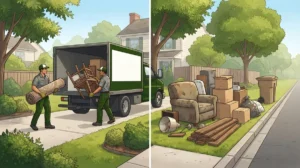
Clear old debris, dead plants, and structural waste before designing your garden; combining junk removal with landscape design eliminates delays and reduces costs with a single contractor.
-
Choose native and Florida-adapted plants that require less water and maintenance once established, saving money long-term while complying with Florida-friendly landscaping standards.
-
Follow Florida's irrigation restrictions (no watering 10 a.m.–4 p.m.) and use micro-irrigation or drip lines for garden beds to reduce waste and meet local water management district rules.
-
Design for hurricane resilience by selecting wind-tolerant native plants, keeping mature trees trimmed, and creating drainage paths to handle heavy rain and potential storm damage.
-
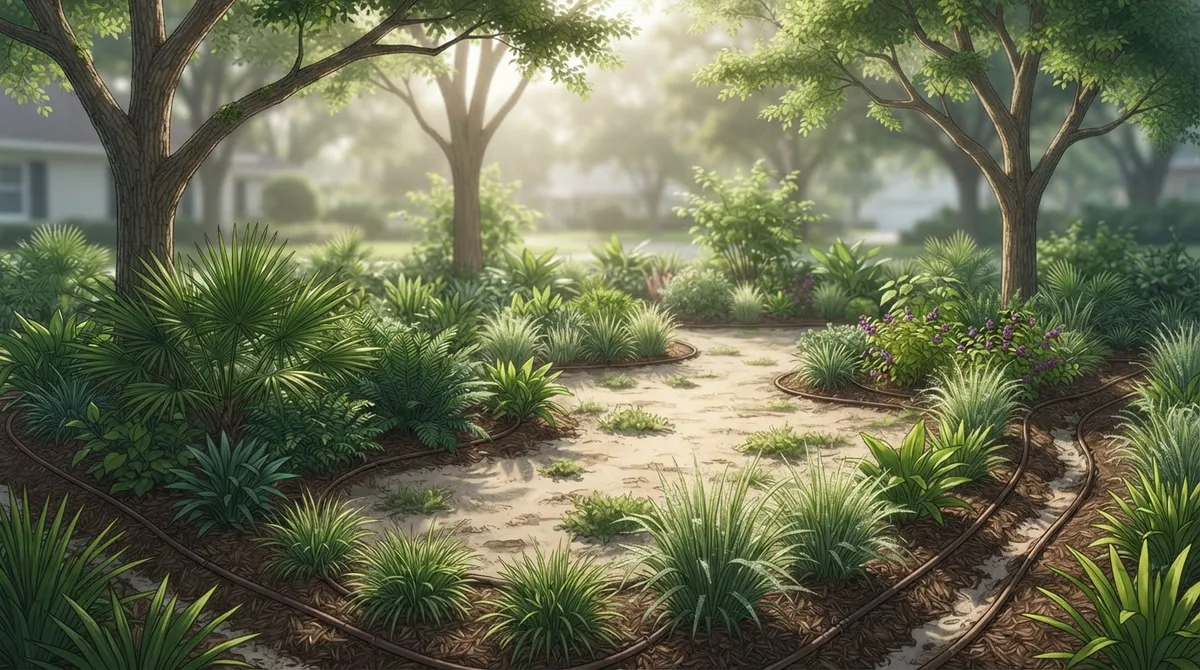
Apply 2-3 inches of mulch in planting beds for moisture retention and weed control, use rock in low-water zones, and consider groundcover plants as a low-maintenance alternative to turf.
If you have ever stood in your backyard wondering why your plants keep dying or why water pools up after every summer storm, you are not alone. Garden design in Riverview, Florida is not the same as garden design in cooler, drier states. Our sandy soil, blazing heat, heavy rain, and the occasional hurricane all play a part. The good news? With the right plan, your yard can be beautiful, low-maintenance, and ready to handle whatever Florida throws at it.
At Wayne & Sons Landscaping & Junk Removal, we have spent over 15 years helping homeowners across Brandon, Florida and nearby communities like Riverview turn tired, overgrown yards into spaces they actually enjoy. This guide walks you through what smart garden design looks like here, what it costs to think about, and how clearing out the old stuff often comes before planting anything new.
Why Riverview Gardens Need a Florida-Friendly Approach
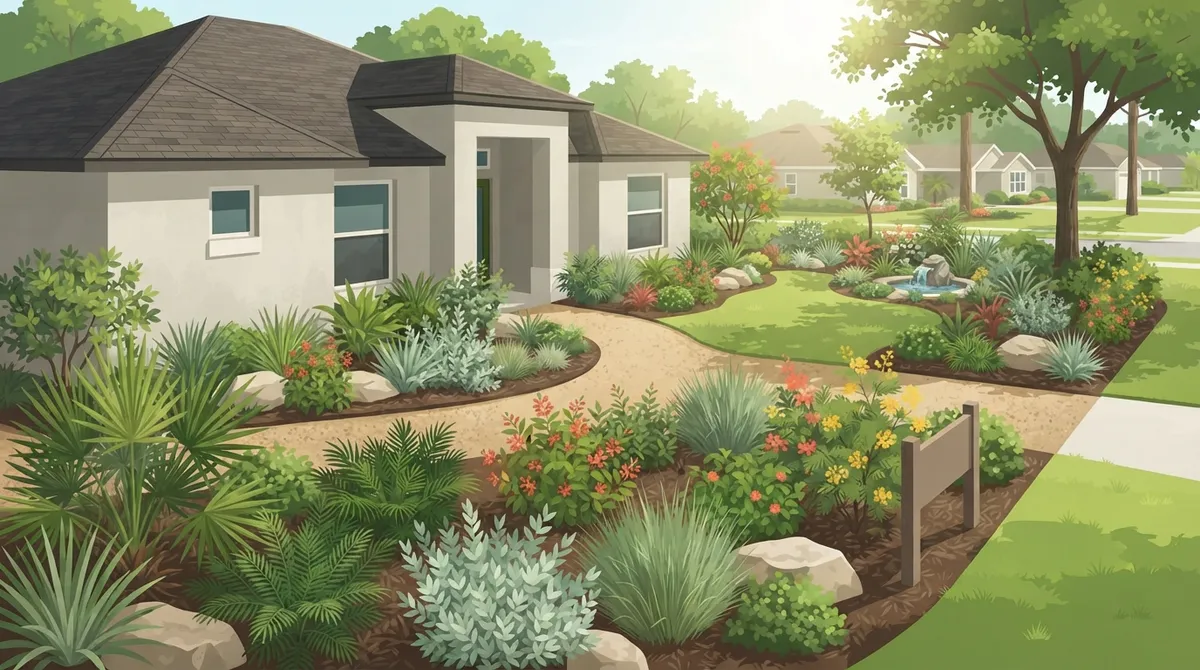
Riverview sits in Hillsborough County, where hot summers, heavy rain, and sandy soil create unique challenges. A garden design that works great in a northern state can fail fast here. That is why local know-how matters so much when planning your beds, plants, and layout.
Florida law actually spells out what good landscaping should look like. Florida Statutes §373.185 defines “Florida-friendly landscaping” as a set of practices that save water, reduce waste, and protect the environment. These principles include:
- Watering efficiently and only when needed
- Choosing drought-tolerant plants suited to our climate
- Using the right amount of fertilizer at the right time
- Mulching garden beds to hold in moisture
- Attracting helpful wildlife like pollinators
- Reducing stormwater runoff that can pollute local waterways
Following these guidelines is not just good for the planet. It also means less work and lower bills for you down the road.
How Sun, Soil, and Drainage Shape Your Design
Before anyone plants a single shrub, a good designer looks at your yard’s specific conditions. Sun exposure changes throughout the day depending on your home, fences, and mature trees. Soil in Riverview tends to be sandy in some spots and compacted in others, which affects drainage.
Here is what should be assessed before any garden design project begins:
- Sun and shade patterns across different parts of the yard
- Soil type and how well it drains after rain
- Mature size of any plants being considered
- Wind and salt exposure, especially near open areas
- Distance from your home’s foundation and utility lines
- Existing trees, palms, and shrubs worth keeping
Skipping this step is one of the biggest reasons garden makeovers fail within the first year.
Clearing the Site: Why Junk Removal Comes First
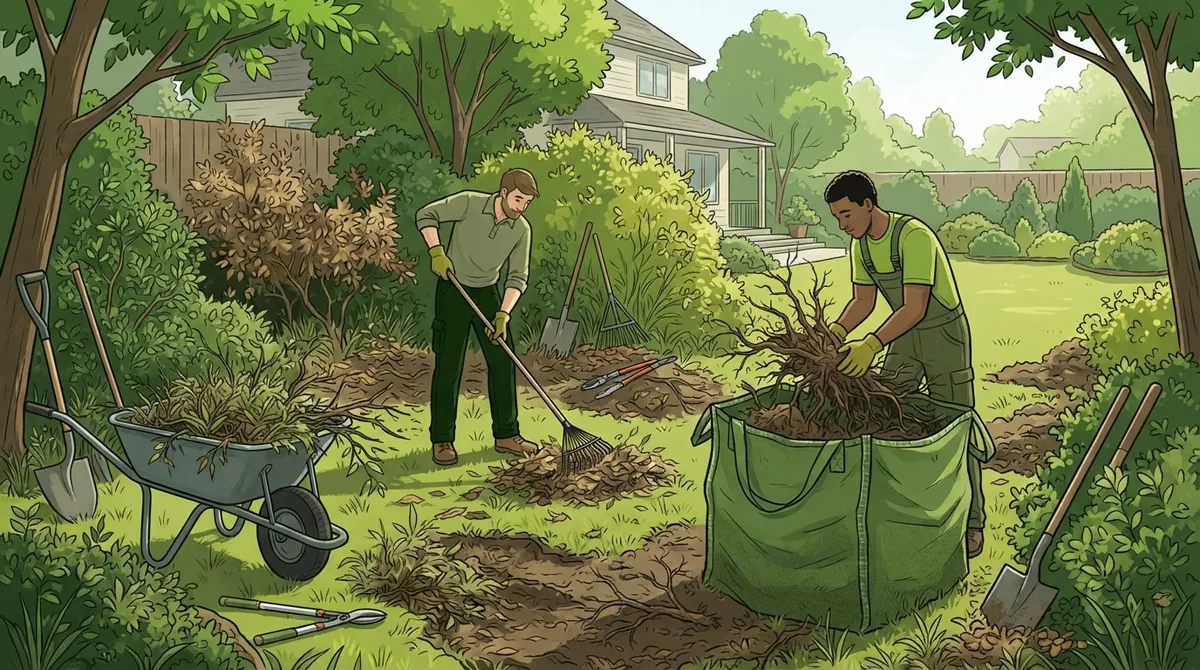
Here is something a lot of homeowners do not think about until it is too late. Before you can design a beautiful new garden, you often need to clear out the old mess. Broken planters, dead shrubs, old fencing, leftover pavers, and storm debris all need to go somewhere.
This is where pairing garden design with junk removal saves you serious time and headaches. Instead of hiring one company to haul debris and another to install your new landscape, working with a team that does both means fewer delays and one point of contact.
Common items that need clearing before a garden redesign include:
- Old or dead shrubs and overgrown hedges
- Broken concrete, gravel, or leftover pavers
- Excess dirt, sod, or fill soil
- Storm debris like fallen branches and downed limbs
- Old sheds, playsets, or fencing sections
- Construction waste from prior renovation projects
Our team at Wayne & Sons handles both sides of this equation. We offer storm debris removal in Riverview alongside full landscaping services, so your site gets cleared and redesigned without waiting on multiple contractors. If your yard also has larger junk like old furniture or appliances, check out our guide on junk removal mistakes to avoid in Riverview before you start.
When Storm Damage Complicates the Plan
Florida storms are no joke, and Riverview sees its share of wind damage every hurricane season. Broken branches, downed palms, and debris scattered across garden beds are common after a bad storm. A solid garden design plan should always account for this reality.
Good design choices for storm resilience include:
- Choosing wind-tolerant native plants and palms
- Keeping mature trees properly trimmed and healthy
- Designing drainage paths that direct heavy rain away from beds
- Avoiding top-heavy plantings near structures
If a storm has already hit your property, our down tree removal team can clear fallen trees safely before any redesign work begins.
Choosing the Right Plants for Riverview Yards
Not every plant that looks pretty at the garden store will survive Florida’s heat and humidity. Native and Florida-adapted plants generally need less water and less babying once they are established. This saves you money and time in the long run.
Resources like the Florida Native Plants Nursery highlight species bred to thrive in our exact conditions. A well-planned garden might combine several plant types depending on the space and purpose.
| Garden Feature | Best For | Maintenance Level |
|---|---|---|
| Native pollinator beds | Attracting bees and butterflies | Low |
| Shade gardens | Areas under mature trees or palms | Low to medium |
| Edible landscaping | Herbs, fruit trees, small gardens | Medium |
| Ornamental shrub beds | Curb appeal near entryways | Medium |
| Rain gardens | Managing runoff and low spots | Low once established |
| Groundcover areas | Replacing high-maintenance turf | Very low |
Palms are another Riverview staple, and they need specific care to stay healthy and hurricane-ready. Our palm tree trimming services in Riverview keep your palms looking sharp while reducing storm damage risk.
Mulch, Rock, or Groundcover: What Should You Choose?
This is one of the most common questions homeowners ask. The answer depends on your garden’s purpose and how much upkeep you want to handle.
Florida landscape guidance recommends a mulch layer of about 2 to 3 inches once it settles in garden beds. Mulch holds moisture, blocks weeds, and looks tidy. Rock and decorative stone work well in low-water zones or areas prone to drainage issues, but they do not cool the soil the way mulch does. Groundcover plants offer a living alternative that spreads over time and reduces bare soil.
Here is a simple way to decide:
- Use mulch around shrubs, trees, and planting beds that need moisture retention
- Use rock or gravel in drainage-heavy zones or low-maintenance side yards
- Use groundcover where you want a soft, green look without mowing
Understanding Irrigation Rules in Riverview
Watering your new garden the wrong way can waste money and violate local rules. Florida’s water management districts generally restrict landscape irrigation between 10 a.m. and 4 p.m. every day, since water evaporates fastest during these hours.
New landscaping does get some flexibility. Florida Administrative Code 40E-24.201 allows a 90-day establishment period with special watering schedules:
- Plants 30 days old or younger can be watered Monday, Tuesday, Wednesday, Thursday, Saturday, and Sunday
- Plants between 31 and 90 days old can be watered Monday, Wednesday, Thursday, and Saturday
After that establishment window, your garden should follow standard local watering-day restrictions. A smart irrigation plan separates zones for turf, garden beds, and sloped areas, since each needs different amounts of water. Micro-irrigation, like drip lines, works especially well for garden beds and reduces waste compared to overhead sprinklers.
Sample Irrigation Zone Breakdown
| Zone Type | Recommended Watering Method | Why It Matters |
|---|---|---|
| Turf areas | Sprinkler system | Needs more frequent, even coverage |
| Garden beds | Drip or micro-irrigation | Targets roots, reduces runoff |
| Sloped areas | Slow-drip or timed cycles | Prevents erosion and water loss |
| Newly planted zones | Establishment-period schedule | Supports root development |
What a Garden Design Project Actually Includes
Homeowners often ask what they are really paying for when they hire a garden design team. A full-service project typically covers far more than just planting.
Here is what a comprehensive garden design and installation process looks like:
- Initial site assessment covering sun, soil, and drainage
- Removal of old plants, debris, and unwanted materials
- Soil improvement and grading if needed
- Design plan showing plant placement and bed layout
- Installation of plants, mulch, and hardscape elements
- Irrigation setup or adjustment for new zones
- Final cleanup and debris hauling
- Maintenance recommendations going forward
If your project includes patios, walkways, or seating areas, you may also want to look into hardscape and garden design ideas for Riverview to see how these elements work together.
What to Ask For in a Written Estimate
Getting quotes from different companies can feel confusing if they are not formatted the same way. A solid estimate should be broken into clear categories so you can compare accurately.
Make sure your written estimate covers:
- Design scope and number of plants included
- Soil amendments and grading work
- Irrigation adjustments or new installation
- Hardscape materials like pavers or stone
- Labor costs for installation
- Debris hauling and disposal fees
- Warranty terms on plants and workmanship
- Ongoing maintenance options
Transparent pricing matters here. At Wayne & Sons, we always give homeowners a clear, upfront estimate so there are no surprise charges once the work begins.
Garden Design for Different Property Types
Not every Riverview property needs the same approach. A busy homeowner wants low upkeep. A real estate agent staging a home wants fast curb appeal. A property manager wants something tenants will not destroy.
| Property Type | Design Priority | Common Additions |
|---|---|---|
| Family homes | Low maintenance, kid and pet-safe plants | Groundcover, shade trees, mulch beds |
| Homes for sale | Fast curb appeal boost | Fresh mulch, trimmed shrubs, flower color |
| Rental properties | Durable, low-cost upkeep | Hardy shrubs, simple turf, minimal beds |
| Small businesses | Clean, welcoming first impression | Defined beds, neat edging, seasonal color |
Real estate agents preparing a listing often need quick turnaround. Pairing hedge trimming with fresh mulch and a general cleanup can transform a yard’s first impression in a single visit. For rental properties, our landscaping services keep units looking sharp between tenants without breaking the budget.
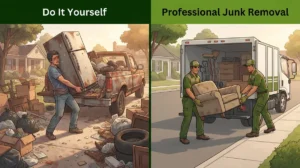
Comparing DIY vs. Professional Garden Design
Some homeowners love the idea of designing their own garden. Others simply do not have the time, tools, or patience. Both paths can work, but each comes with tradeoffs.
| Factor | DIY Approach | Professional Design |
|---|---|---|
| Time investment | High, spread over weekends | Low, handled by a crew |
| Plant survival rate | Variable, trial and error | Higher, based on local expertise |
| Debris and old material removal | Requires separate hauling trips | Often included or bundled |
| Irrigation compliance | Easy to overlook rules | Built into the plan |
| Long-term cost | Lower upfront, higher if plants fail | Predictable with warranty options |
If you decide to tackle parts of the project yourself but need help with the heavy lifting, our junk hauling services can clear debris while you focus on the fun parts, like picking out flowers.
Maintaining Your Garden After Installation
A beautiful garden design does not stay beautiful without some ongoing care. The good news is that Florida-friendly designs are built to need less maintenance over time, not more.
Basic upkeep tasks to keep your garden thriving include:
- Reapplying mulch once or twice a year as it breaks down
- Checking irrigation timers seasonally
- Trimming shrubs and hedges to keep shape and airflow
- Removing dead or storm-damaged branches promptly
- Watching for pest issues before they spread
Many homeowners choose to combine seasonal shrub care with a routine lawn mower maintenance schedule to keep everything looking consistent throughout the year. If you would rather not deal with any of it, our maintenance plans handle the details so your garden stays healthy season after season.
Why Local Experience Matters
Garden design is not one-size-fits-all, and generic advice from a national gardening blog will not account for Riverview’s specific soil, rainfall, and storm patterns. Working with a company that knows this exact area makes a real difference.
Wayne & Sons Landscaping & Junk Removal has served Brandon and surrounding communities, including Riverview, for over 15 years. We combine garden design, plant selection, hardscaping, and junk removal into one seamless process. You can see our past projects in our project gallery or read what neighbors are saying in our customer reviews. We are also listed on Thumbtack, where homeowners share honest feedback about our work.
You can also visit us on Google — Wayne & Sons Landscaping & Junk Removal to see reviews from real customers across the Brandon and Riverview area. And if you are dealing with clutter beyond the yard, our friends at Mobile Area Massage of Tampa Bay offer a nice way to relax once your outdoor project wraps up.
Getting Started With Your Garden Project
Planning a garden design project in Riverview does not have to feel overwhelming. Start by identifying what is not working in your current yard, whether that is dead grass, an overgrown mess, or debris left behind from a storm or renovation.
A simple starting checklist looks like this:
- Walk your yard and note problem areas like drainage or bare soil
- List any old materials, debris, or structures that need removal
- Decide which garden style fits your lifestyle and budget
- Request a written estimate covering design, planting, and cleanup
- Schedule the work during a season with manageable weather
Whether you are refreshing a small flower bed or planning a full backyard overhaul, getting the site cleared and the plan right from day one saves time and money later.
Ready to Transform Your Riverview Garden?
A gorgeous, low-maintenance garden is closer than you think. Wayne & Sons Landscaping & Junk Removal brings 15 years of hands-on experience to every Riverview project, from clearing old debris to installing Florida-friendly plants that actually thrive. We handle the heavy lifting, the planning, and the cleanup, so you get to enjoy the results without the stress.
Ready to see what your yard could look like? Contact us today for your free, no-pressure estimate, or call us to talk through your garden design ideas with a friendly member of our team.
FAQs
Q: How much does garden design cost in Riverview, FL?
A: Costs vary quite a bit depending on the size of your yard, plant choices, and whether debris removal is needed first. We keep our pricing transparent with a written estimate so you know exactly what you are paying for before any work begins, no surprises later.
Q: What plants grow best in Riverview and the Tampa Bay area?
A: Native and Florida-friendly plants tend to do best here since they are built for our heat, humidity, and sandy soil. Think coontie, muhly grass, firebush, and native palms, all of which need less water once they settle in.
Q: Can a landscaping company remove old plants, sod, and yard debris before redesigning a garden?
A: Absolutely, and honestly it is one of the smartest ways to start a project. We handle site clearing and debris hauling right alongside the garden design work, so you are not stuck coordinating two separate companies.
Q: What are the lawn irrigation restrictions in Riverview, Florida?
A: Florida rules generally prohibit watering between 10 a.m. and 4 p.m. to reduce evaporation waste. New landscaping gets a bit more flexibility during a 90-day establishment period, with specific watering days based on how long the plants have been in the ground.
Q: Should I use mulch, rock, or groundcover in my Riverview garden beds?
A: It really depends on your goals. Mulch is great for moisture retention around shrubs and trees, rock works well in low-water or drainage-heavy areas, and groundcover offers a soft, green look with very little upkeep once established.
Our Service Area