Key Takeaways
-
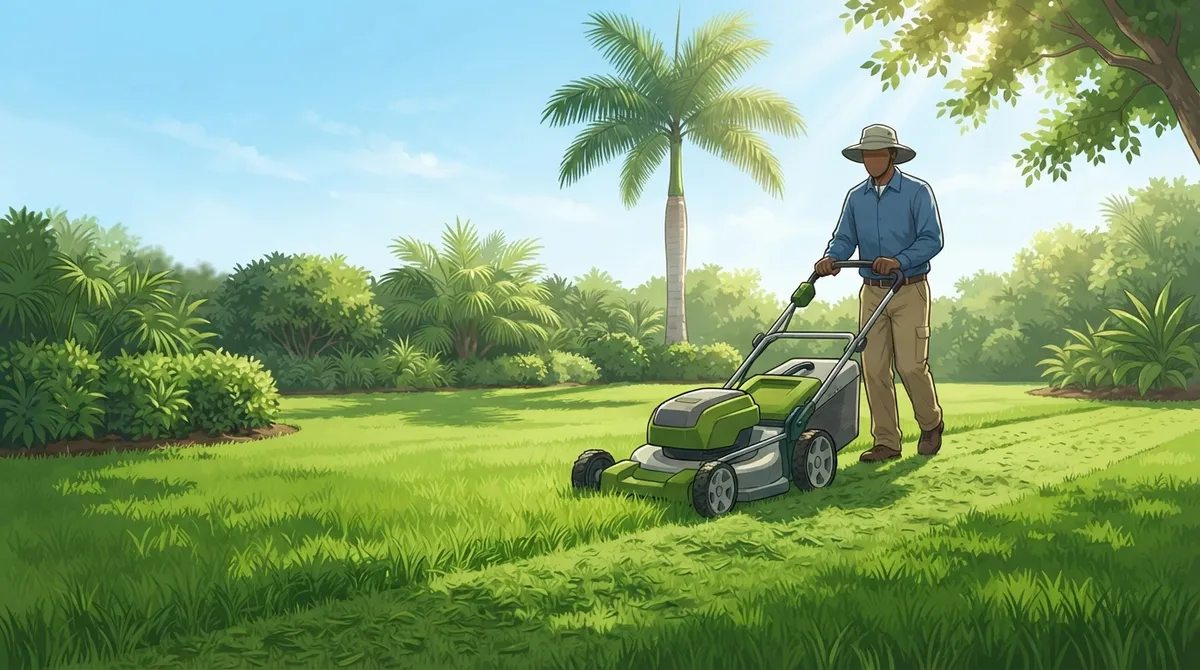
Most Florida lawns need weekly mowing during spring and summer growing seasons, but frequency should drop to every 1-2 weeks in fall and every 2-3 weeks in winter based on actual grass growth, not a fixed calendar.
-
The one-third rule is critical: never cut more than one-third of the grass blade at once; if your lawn gets overgrown, bring it down gradually over multiple visits to avoid damaging the grass.
-
Shrubs and palm trees follow different schedules than grass—shrubs need trimming every 4-8 weeks by plant type, while palm trees should only be trimmed as needed (1-2 times yearly) to remove dead or hazardous fronds.
-
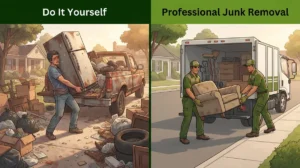
Hiring professional yard work saves money long-term compared to DIY when you factor in equipment costs, maintenance, storage, and your own time investment on weekends.
-
Leaving grass clippings on your lawn is environmentally beneficial and returns nutrients to soil when mowing happens regularly and clippings are spread evenly, reducing yard waste.
-
Different property types need different schedules: rental properties benefit from biweekly service with move-out cleanups, homes for sale need deep cleanup before listing plus weekly upkeep, and senior homeowners often prefer reliable biweekly plans requiring no physical effort.
Ever stand in your driveway wondering if your lawn looks fine or embarrassingly overgrown? You’re not alone. One of the most common questions homeowners in Brandon, Florida ask is simple: how often should I get yard work done? The honest answer is, it depends on your grass, your trees, and how much rain we’ve had lately. But don’t worry, we’re going to break it all down in plain language so you can stop guessing and start planning.
Whether you’re a busy homeowner juggling work and family, a property manager keeping tenants happy, or a real estate agent prepping a home for sale, knowing the right yard work schedule saves you time, money, and stress. Let’s dig into the five clearest signs it’s time to call in help, plus a full breakdown of seasonal timing, costs, and what to expect from a professional crew.
Why There’s No One-Size-Fits-All Yard Work Schedule
Here’s the truth: there is no magic number that works for every yard. Your ideal schedule depends on grass type, weather, rainfall, soil, and how much your family uses the yard. A home with mature oak trees and thick St. Augustine grass needs a very different routine than a small lot with drought-tolerant landscaping.
According to Wisconsin Horticulture Extension, lawns may need mowing twice a week during spring growth spurts, then drop to once every two weeks during hot, dry summer stretches. Penn State Extension backs this up, noting that spring growth often demands more than weekly mowing while drought can pause the need entirely.
The bottom line? Watch your grass, not the calendar. That said, most Florida homes fall into a predictable pattern we can help you plan around.
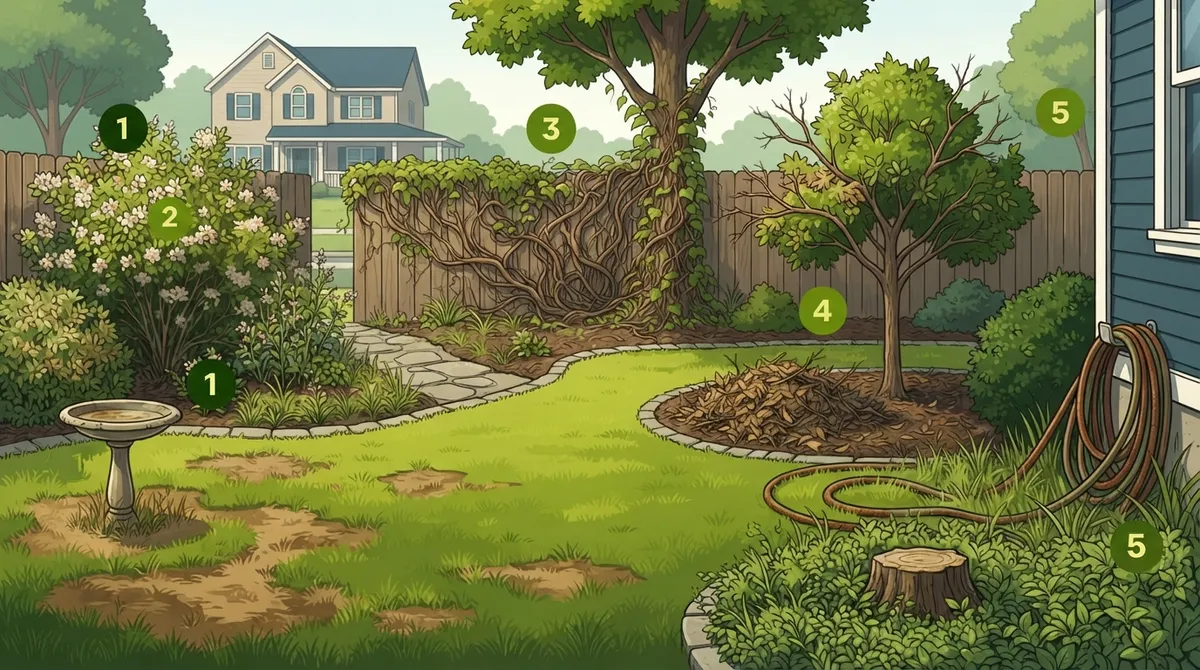
5 Signs It’s Time to Schedule Yard Work
1. Your Grass Is Growing Fast (Spring and Summer Alert)
During peak growing season, most lawns need mowing about once a week. Fast-growing grass in spring can even require two mowings a week to keep up. If you notice your lawn looking shaggy just days after cutting it, that’s your cue.
Remember the one-third rule: never cut more than one-third of the grass blade at once. If your lawn gets away from you, bring it down gradually over a few visits instead of scalping it in one go. Extension experts recommend keeping many Florida-friendly lawns around 2.5 to 3.5 inches tall, though the right height depends on your grass type.
2. Leaves and Storm Debris Are Piling Up
Florida’s storm season brings more than rain. Fallen branches, leaves, and wind-blown debris can smother your grass and clog drains fast. If you see buildup blocking sunlight or creating slippery walkways, it’s time for cleanup.
Many properties need several fall cleanups rather than one big yearly visit, especially with mature trees nearby. Our storm debris removal in Brandon service handles this exact problem, hauling away branches and mess so your yard stays safe and tidy.
3. Shrubs and Hedges Look Wild or Overgrown
Unlike mowing, pruning shrubs and hedges follows the plant’s own calendar, not a fixed schedule. Flowering shrubs need trimming at specific times to protect next season’s blooms. Overgrown hedges blocking windows or walkways are a clear signal.
Keep an eye out for these common warning signs your shrubs need attention:
- Branches touching your house or roofline
- Hedges blocking windows, doors, or walkways
- Dead or discolored leaves throughout the plant
- Uneven, lopsided growth patterns
- Flowers that never fully bloomed last season
Our hedge trimming services in Brandon and shrub care in Brandon teams know exactly when and how to shape each plant type for the healthiest results.
4. Your Palm Trees Show Dead or Drooping Fronds
Palm trees are a Florida staple, but they need specific care that differs from regular tree trimming. Dead fronds, hazardous overhangs, or fronds that block driveways are all signs you need professional attention. Unlike shrubs, palm trees should never be pruned on a strict schedule. Instead, address problems as soon as you spot them.
Our palm tree trimming crew understands the unique needs of Florida palms and keeps them looking sharp without over-pruning, which can actually harm the tree.
5. Junk, Yard Waste, or Clutter Has Taken Over
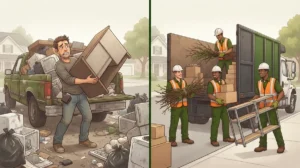
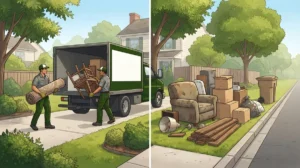
Sometimes the biggest yard problem isn’t grass or trees. It’s the pile of old furniture, broken fencing, or renovation debris sitting in the corner of your yard. If clutter has been sitting for more than a few weeks, it’s time to schedule a pickup.
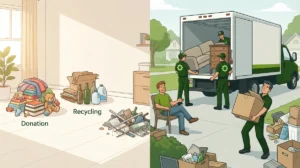
This is especially true for real estate agents staging homes, property managers handling tenant turnover, or contractors finishing a job site. Our junk removal in Brandon and junk hauling services clear out unwanted items fast, so your property looks polished and ready.
A Practical Seasonal Yard Work Schedule
To make things easier, here’s a simple table showing how often most Florida yards need attention throughout the year.
| Season | Mowing Frequency | Other Tasks |
|---|---|---|
| Spring (Mar-May) | Weekly, sometimes twice weekly | Spring cleanup, mulching, shrub pruning |
| Summer (Jun-Aug) | Weekly | Weed control, irrigation checks, storm debris removal |
| Fall (Sep-Nov) | Every 1-2 weeks | Leaf removal, hedge trimming, fall cleanup |
| Winter (Dec-Feb) | Every 2-3 weeks or as needed | Palm tree trimming, dormant pruning, junk removal |
What’s Typically Included in Routine Yard Work?
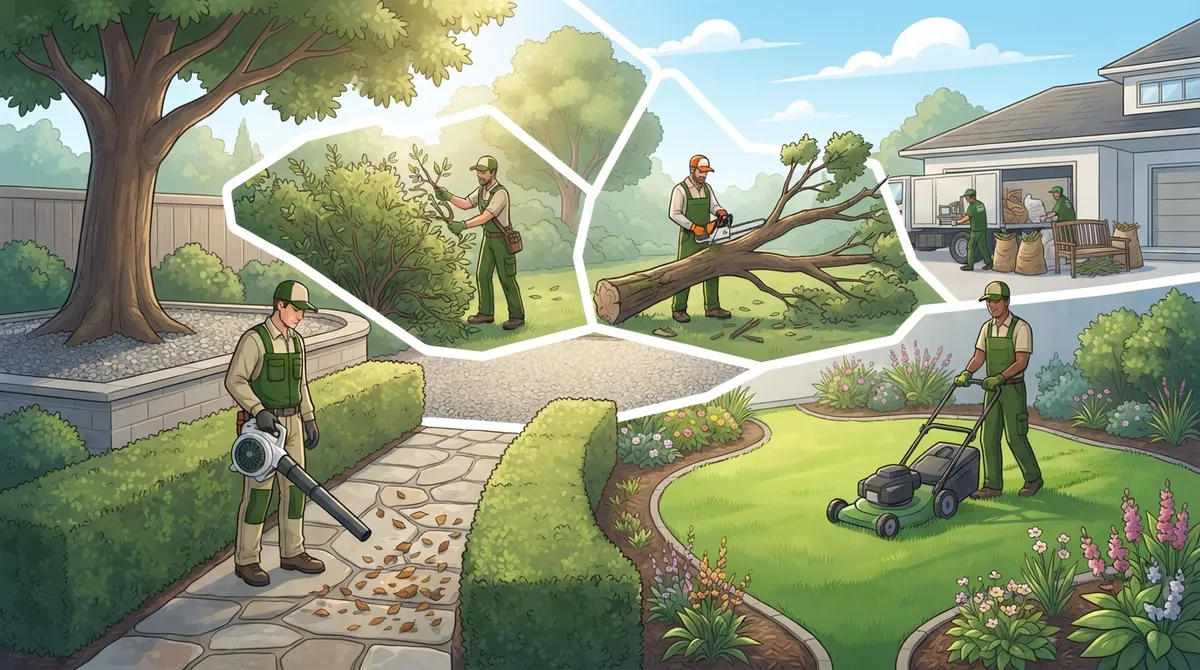
A full-service yard maintenance visit covers more than just mowing. Here’s what a well-rounded service usually includes:
- Mowing and edging the lawn
- Blowing grass clippings off sidewalks and driveways
- Weeding garden beds
- Trimming shrubs and hedges
- Checking irrigation for leaks or dry spots
- Removing leaves, branches, and storm debris
- Hauling away yard waste or junk as needed
This combination keeps your property looking sharp year-round without you lifting a finger. If you’re comparing doing it yourself versus hiring a pro, check out our guide on DIY vs. Professional Lawn Care Services to see which option truly saves you time and money.
Weekly vs. Biweekly Service: Which One Fits Your Yard?
Many homeowners wonder if they should book weekly or biweekly visits. Here’s a quick comparison to help you decide.
| Factor | Weekly Service | Biweekly Service |
|---|---|---|
| Best for | Fast-growing grass, spring/summer | Slow growth, fall/winter |
| Grass Height Control | Consistent, short clippings | Slightly longer clippings each visit |
| Curb Appeal | Always polished | Good, with occasional shagginess |
| Cost Efficiency | Higher frequency, steady price | Lower frequency, budget-friendly |
Most Brandon-area homes do well with weekly service during Florida’s long growing season and can shift to biweekly during cooler, drier months. A quick chat with your landscaping provider can help fine-tune the plan for your specific yard.
Should You Leave Grass Clippings or Remove Them?
Good news: in most cases, you can leave grass clippings right on the lawn. When mowing happens regularly and clippings aren’t too thick, they break down and return nutrients to the soil. Just make sure clippings are spread evenly and never blown into streets or storm drains.
According to the EPA, yard trimmings made up over 12% of the municipal solid waste stream in a recent measured year, with about 63% composted or mulched instead of landfilled. Composting or leaving clippings in place is a simple way to reduce waste and help the environment.
How Yard Work Frequency Changes for Different Property Types
Not every property has the same needs. Here’s a quick look at how frequency shifts depending on who owns or manages the space:
- Rental properties: Property managers often need biweekly service plus move-out junk cleanouts between tenants.
- Homes for sale: Real estate agents benefit from a one-time deep cleanup before listing photos, followed by weekly upkeep during showings.
- Construction sites: Contractors need debris haul-away after each project phase, not on a fixed schedule.
- Senior homeowners: Seniors often prefer a reliable biweekly or monthly plan that requires no physical effort on their part.
- Small businesses: Commercial properties usually need weekly grounds maintenance to keep a professional appearance for customers.
Whatever category fits you, a tailored plan beats guessing every time. Contractors finishing a renovation project should also check out our demolition cleanup in Brandon service for fast, clean debris removal.
Signs You Need a One-Time Deep Cleanup vs. Ongoing Maintenance
Sometimes a single big cleanup is all you need, especially after storms, moving, or downsizing. Other times, ongoing care makes more sense. Ask yourself these three questions:
- Has it been more than a month since the yard was last maintained?
- Is there a specific event coming up, like a home sale or family gathering?
- Do you plan to maintain the yard yourself going forward?
If you answered yes to the first two but no to the third, ongoing service is probably your best bet. Downsizing seniors and families clearing out estates often benefit from combining a big furniture removal in Brandon visit with a fresh landscaping start.
Why Hire a Professional Instead of DIY?
We get it, mowing your own lawn feels satisfying. But between the cost of equipment, the physical toll, and the time it eats up on weekends, many homeowners find it’s simply not worth it long-term. A quality lawn mower alone can cost hundreds of dollars, not counting trimmers, blowers, and maintenance.
Hiring a trusted local team means:
- No more storing or maintaining bulky equipment
- Consistent scheduling without weather-related delays
- Expert knowledge of Florida-specific grass and plant needs
- Time back in your week for family, work, or relaxation
Wayne & Sons Landscaping & Junk Removal has served Brandon, Florida and surrounding communities for over 15 years, building a reputation for dependable scheduling and honest pricing. You can browse real customer experiences through our reviews page or see our work firsthand in the project gallery.
Quick Reference: Yard Work Frequency by Task
| Task | Recommended Frequency |
|---|---|
| Mowing (growing season) | Weekly |
| Mowing (dormant season) | Every 2-3 weeks |
| Hedge and shrub trimming | Every 4-8 weeks, by plant type |
| Palm tree trimming | As needed, 1-2 times yearly |
| Leaf and debris cleanup | Weekly to biweekly in fall |
| Junk removal | As needed or scheduled quarterly |
Getting Started With a Reliable Yard Work Schedule
The best way to figure out your ideal schedule is to have a professional walk your property and assess it firsthand. Every lawn is different, and what works for your neighbor might not work for you. Our team looks at grass type, sun exposure, tree coverage, and drainage before recommending a plan that actually fits your yard.
You can always check out what past clients say by visiting our Thumbtack profile, where verified reviews highlight our reliability and fair pricing. We also encourage you to visit us on Google — Wayne & Sons Landscaping & Junk Removal to see photos and read feedback from neighbors across Brandon, Riverview, Valrico, and beyond.
Ready to Stop Guessing and Start Planning?
Figuring out how often you should get yard work done doesn’t have to be a mystery. With the right team on your side, you get a custom schedule built around your grass, your trees, and your lifestyle. No more overgrown hedges, no more piles of storm debris, and no more clutter dragging down your curb appeal.
Wayne & Sons Landscaping & Junk Removal proudly serves Brandon, Apollo Beach, FishHawk, Gibsonton, Riverview, Ruskin, Seffner, Sun City Center, Valrico, and Wimauma with transparent pricing and dependable service every time. Ready to build your perfect yard care plan? Contact us today, or feel free to call us to get your free, no-pressure estimate started.
FAQs
Q: How often should my lawn be mowed during Florida’s growing season?
A: Most Florida lawns need mowing about once a week during spring and summer when grass grows fastest. If you notice your grass getting shaggy just a few days after cutting, it might even need twice-weekly attention until growth slows down.
Q: Should I hire a landscaper weekly or every two weeks?
A: It really depends on the season and your grass type. Weekly service works great during peak growing months, while biweekly visits are usually enough during cooler, slower-growth periods like winter.
Q: How often should shrubs and palm trees be trimmed?
A: Shrubs typically need trimming every four to eight weeks depending on the plant type and flowering season. Palm trees are different, they should only be trimmed as needed, usually once or twice a year, to remove dead or hazardous fronds.
Q: Can a landscaping company also haul away yard waste and junk?
A: Absolutely! Many full-service companies, including ours, combine routine yard maintenance with junk hauling and storm debris removal. This means you can schedule one team to handle mowing, pruning, and cleanup all in one visit.
Q: Is it okay to leave grass clippings on the lawn instead of bagging them?
A: Yes, in most cases leaving clippings is perfectly fine and even beneficial. As long as you’re mowing regularly and clippings aren’t too thick, they break down naturally and add nutrients back into your soil.
Our Service Area