Key Takeaways
-
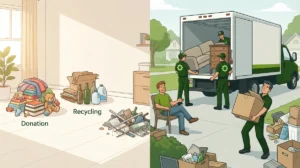
A 2,000-pound load of drywall occupies roughly 6 cubic yards of space, meaning even modest room renovations produce surprisingly large amounts of debris requiring multiple truck trips.
-
Before removing drywall in homes built before 1980, have materials professionally tested for asbestos in joint compound and textured coatings; homes built before 1978 may also contain lead paint requiring EPA-certified contractors.
-
Protect yourself with safety glasses, heavy gloves, sturdy shoes, and a proper dust mask or respirator; score panels carefully instead of smashing them and isolate the work area with plastic sheeting to control dust spread.
-
Separate clean, unpainted drywall from painted, wet, moldy, or contaminated panels before disposal, as this determines whether material can be recycled or requires special handling and increases disposal costs if mixed.
-
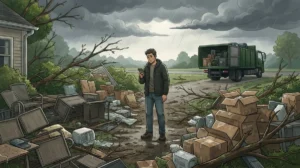
Water-damaged and moldy drywall common in Florida must be bagged separately and taken directly to disposal facilities, never mixed with clean recyclable panels, especially after storm damage.
-
Follow a logical step-by-step removal sequence including turning off electricity, checking for hidden plumbing and outlets, and cutting large panels into smaller sections; skipping these steps causes accidents and expensive repairs.
Remodeling a bathroom or tearing out a water-damaged wall? You’ve probably discovered that drywall removal creates way more mess than you expected. Those panels are heavy, awkward, and they seem to multiply the moment you start pulling them down. If you’re staring at a pile of broken gypsum board wondering how it’s going to leave your property, you’re not alone.
Here in Brandon and across the greater Tampa Bay area, homeowners, contractors, and property managers deal with this exact problem all the time. Whether it’s a small bathroom remodel or a full room gutted after storm damage, drywall removal is messy, heavy work that needs the right approach. This guide walks you through everything you need to know, from safety basics to disposal rules, so your next project goes smoothly.
1. Understand What Drywall Removal Actually Involves
Drywall removal means taking down gypsum wallboard, loading it up, hauling it away, and disposing of it the right way. This comes up during remodels, water damage repairs, garage cleanouts, additions, and small demolition jobs. It sounds simple, but drywall is deceptively heavy and can fill up a truck bed faster than you’d think.
According to an EPA drywall profile, a 2,000-pound load of drywall takes up roughly 6 cubic yards of space. That means even a modest room renovation can produce a surprising amount of debris. Homeowners tackling a DIY project often underestimate how much hauling capacity they’ll actually need.
2. Check for Asbestos and Lead Before You Start
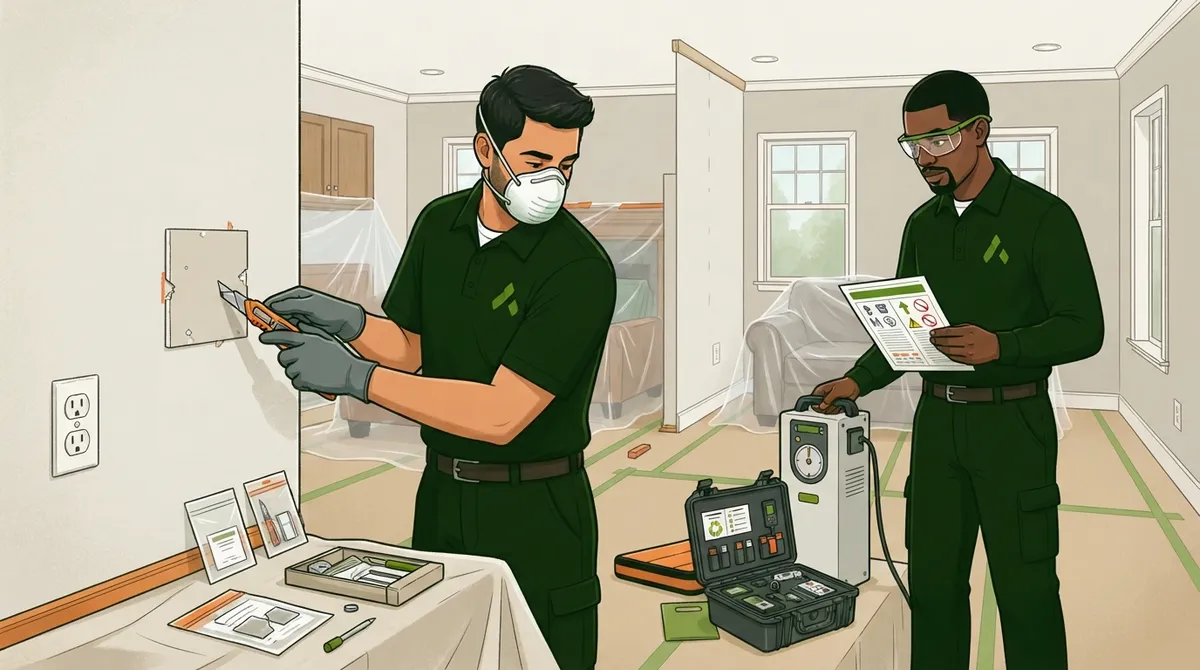
This step matters more than most people realize, especially in older Florida homes. Drywall itself usually doesn’t contain asbestos, but joint compound, textured coatings, old insulation, and certain flooring materials sometimes do. If your home was built before the 1980s, it’s worth having materials checked before any demolition begins.
Lead paint is another concern. The EPA’s lead-safe renovation guidance, updated in January 2025, applies to remodeling work in homes built before 1978 and in child-occupied facilities. Contractors working on these properties may need special certification and specific work practices. If you’re unsure, it’s always safer to pause and get a professional opinion before swinging a hammer.
3. Gear Up With the Right Safety Equipment
Drywall dust isn’t just annoying, it can also be harmful to breathe in large amounts over time. Before you start any removal project, make sure you have the basics covered:
- Safety glasses or goggles to protect your eyes from falling debris
- Heavy-duty gloves to prevent cuts from broken edges and screws
- Sturdy, closed-toe shoes or boots
- A proper dust mask or respirator when dust levels are high
- Long sleeves and pants to avoid scratches
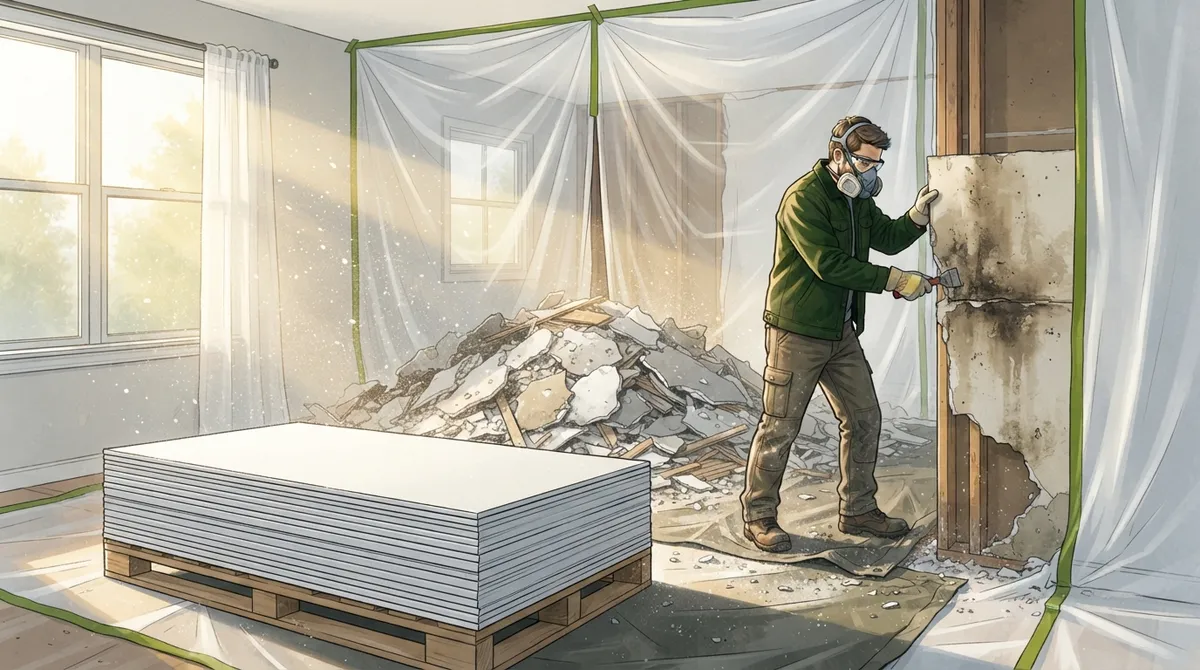
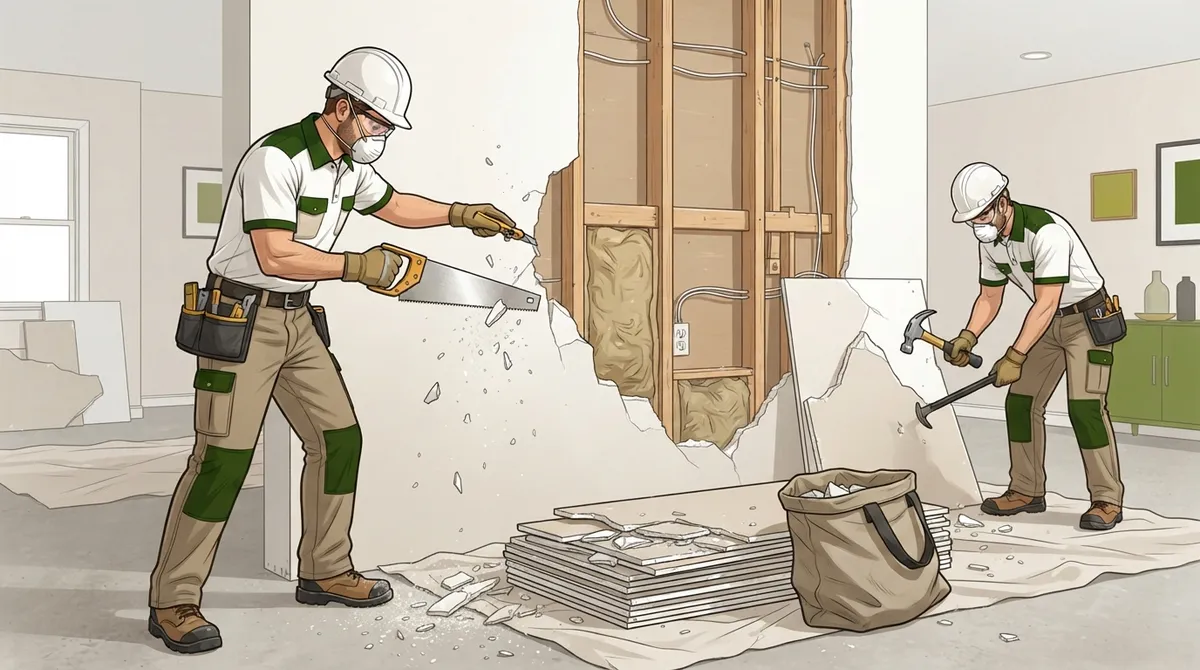
Controlling dust is just as important as wearing gear. Score the panels carefully instead of smashing them, and consider isolating the work area with plastic sheeting. This keeps dust from spreading into the rest of your home.
4. Follow a Smart Step-by-Step Removal Process
Whether you’re doing this yourself or overseeing a crew, following a logical order saves time and prevents damage. Here’s a simple sequence that works well for most rooms:
- Clear the room of furniture, rugs, and anything breakable
- Protect floors with drop cloths or plastic sheeting
- Turn off electricity to the area at the breaker box
- Locate any outlets, switches, or plumbing lines hidden behind the wall
- Score the drywall with a utility knife along removal lines
- Pry panels away from studs using a flat bar or hammer
- Remove leftover screws and nails from the studs
- Cut large panels into smaller, more manageable sections
- Sweep and vacuum dust before moving debris outside
- Sort debris into clean drywall versus mixed materials
- Load everything for transport to a disposal or recycling facility
Skipping steps, especially the ones involving electrical and plumbing checks, is how accidents and expensive repairs happen. If your project involves a larger structure like a shed, garage, or addition, this is also a great time to think about professional demolition cleanup instead of tackling it solo.
5. Know the Difference Between Recyclable and Non-Recyclable Drywall
Not all drywall ends up in a landfill. Clean, source-separated gypsum can sometimes be recycled into new drywall, cement products, or even agricultural soil amendments. But acceptance depends heavily on your local recycler and the condition of the material.
| Drywall Condition | Likely Outcome |
|---|---|
| Clean, unpainted, dry gypsum | Often accepted for recycling |
| Painted or textured drywall | May be accepted depending on local facility |
| Wet or moldy drywall | Usually rejected by recyclers, requires disposal |
| Mixed with other construction debris | Typically must go to a C&D disposal facility |
| Contains asbestos or lead paint | Requires special handling and disposal |
A review of North American drywall waste found that construction waste makes up about 64% of waste drywall, while demolition and renovation waste account for around 24% in some regional estimates. These numbers vary, but they show just how much material moves through this stream every year.
6. Separate Drywall From Other Debris Types
One of the biggest mistakes homeowners make is tossing everything into one pile. Mixing drywall with metal, wood, cardboard, and yard debris makes recycling nearly impossible and can even increase disposal costs. A responsible approach means separating materials whenever practical.
- Keep clean gypsum board separate from painted or contaminated pieces
- Pull out metal fasteners, hinges, and hardware
- Separate wood framing and trim from drywall scraps
- Keep yard waste and landscaping debris in its own pile
- Set aside any suspected hazardous materials for special handling
This kind of sorting isn’t just good practice, it’s often required by local transfer stations and landfills. It also makes the job faster for whoever hauls it away.
7. Understand Why Drywall Fills Trucks So Fast
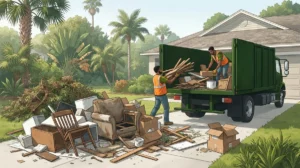
EPA Region 9 reported that residential wood, drywall, and cardboard can make up roughly 60% to 80% of total jobsite waste. That’s a huge chunk of any renovation or demolition project. Combine that with the fact that a 2,000-pound load takes up about 6 cubic yards, and you can see why drywall removal often requires more trips than people expect.
This is one reason many contractors and homeowners turn to professional junk hauling services instead of relying on a single pickup truck. It saves time, protects your back, and avoids the frustration of realizing halfway through that you need three more trips to the dump.
8. Know What NOT to Do With Old Drywall
There are a few common mistakes that can cost you time, money, or even get you fined. Avoid these pitfalls whenever possible:
- Don’t assume all drywall can go in a regular household dumpster, many have weight or material restrictions
- Don’t mix wet or moldy drywall with clean, dry panels meant for recycling
- Don’t ignore local landfill rules, they vary significantly by city and county
- Don’t break panels violently, this creates excess dust and makes cleanup harder
- Don’t dispose of drywall illegally by dumping it on vacant land or roadsides
The U.S. EPA estimated that approximately 548 million tons of construction and demolition debris were generated nationwide in a single recent reporting year, with more than 132 million tons sent to landfills. Every homeowner and contractor plays a small part in either adding to that number or reducing it through smart recycling and disposal choices.
9. Handle Water-Damaged and Moldy Drywall Carefully
Florida’s humidity and storm seasons mean water-damaged drywall is a common problem for local homeowners. Moldy or soaked panels should never be treated the same as clean, dry material. They often need to be bagged separately and taken straight to disposal, not recycling.
If you’re dealing with storm damage, it might overlap with other cleanup needs too. Many Brandon-area homeowners combine drywall removal with storm debris removal services after major weather events, since both often happen at the same time following heavy rain or wind damage.
10. Decide Between DIY and Hiring Professionals
Small patch jobs might be fine to handle yourself. But larger rooms, whole-house renovations, or anything involving suspected asbestos or lead should go to professionals. Here’s a quick comparison to help you decide:
| Factor | DIY Approach | Professional Service |
|---|---|---|
| Time Required | Several hours to days | Often completed same day |
| Physical Effort | High, heavy lifting involved | Handled by trained crew |
| Disposal Knowledge | Limited, risk of rule violations | Familiar with local facility rules |
| Safety Risk | Higher without proper gear | Lower with proper training |
| Equipment Needed | Must own or rent tools | Fully equipped crew and truck |
Property managers and real estate agents preparing homes for sale or new tenants especially benefit from hiring pros. A clean, debris-free space makes a much better impression during showings, and you can browse our gallery to see examples of completed cleanup projects around the area.
11. Choose a Local Team That Handles Everything For You
This is where Wayne & Sons Landscaping & Junk Removal comes in. With over 15 years serving Brandon, Florida and surrounding communities, our team knows exactly how to handle drywall removal safely, quickly, and responsibly. We assess the material, separate what can be recycled, and confirm disposal requirements at approved facilities before we ever load the truck.
We proudly serve homeowners, contractors, and property managers throughout Apollo Beach, FishHawk, Gibsonton, Riverview, Ruskin, Seffner, Sun City Center, Valrico, and Wimauma. Whether you’re finishing a bathroom remodel or clearing out a storm-damaged garage, our junk removal services in Brandon are built to make the process effortless. And if your project also involves clearing out old furniture during the same cleanout, check out our furniture removal services too.
Why Local Experience Matters
Disposal rules for construction debris vary a lot depending on where you live. What’s accepted at one transfer station might be rejected at another just a few miles away. Working with a local company means you get someone who already knows the ins and outs of Hillsborough County requirements, rather than guessing and hoping for the best.
We also understand that every property is different. A rental unit being turned over by a property manager has different needs than a homeowner renovating their own bathroom. That’s why we offer transparent, upfront pricing with no surprise fees, so you know exactly what to expect before we start.
What Else to Consider After Drywall Removal
Once the drywall is gone, many homeowners realize their yard or landscaping took a hit during the project too. Heavy equipment, extra foot traffic, and material staging can leave lawns and gardens looking rough. If that’s the case for you, our landscaping services can help restore curb appeal once the construction dust settles.
It’s also worth checking on nearby shrubs and hedges that might have been damaged during the renovation. Our hedge care services and shrub maintenance can get your outdoor space looking sharp again. And if a downed tree or storm damage started this whole project in the first place, our down tree removal service handles that too.
For homeowners planning a pool renovation alongside interior work, it’s also smart to loop in trusted partners. Companies like Panther Pools can help coordinate exterior upgrades while your interior demolition and cleanup are underway, making the whole renovation timeline smoother.
Quick Recap: Your Drywall Removal Checklist
Before wrapping up, here’s a simple list to keep handy for your next project:
- Test for asbestos and lead in older homes
- Wear proper protective gear throughout the job
- Turn off power and check for hidden wiring or plumbing
- Cut panels into manageable sections for easier hauling
- Separate clean drywall from contaminated or mixed debris
- Confirm local disposal or recycling facility requirements
- Consider professional help for large or hazardous jobs
Drywall removal doesn’t have to be a headache. With the right prep work and a little patience, most projects go smoothly. And when you’d rather leave the heavy lifting to someone else, that’s exactly what we’re here for.
You can also find honest reviews from past clients on Thumbtack, where our work speaks for itself. Feel free to visit us on Google — Wayne & Sons Landscaping & Junk Removal to see what our neighbors around Brandon have to say too.
Ready to Clear Out That Drywall?
Whether you’re a homeowner tackling a bathroom remodel, a contractor finishing a job site, or a property manager preparing a rental for new tenants, drywall removal shouldn’t slow you down. Our friendly, experienced crew handles everything from the first swing of the hammer to the final haul-away, all with transparent pricing and zero surprises.
Ready to get your project moving? Contact us today to schedule your drywall removal and haul-away, or give us a ring and call us to talk through your project. Prefer texting? Feel free to text us at 813-452-1570 and we’ll get you a straightforward quote fast.
FAQs
Q: How much does professional drywall removal and disposal cost?
A: Costs depend on the size of the job, how much material there is, and whether hazards like mold or asbestos are involved. We’re happy to walk your property and give you a clear, upfront quote with no hidden fees, just an honest number you can count on.
Q: Can drywall be recycled, and where can I take it locally?
A: Clean, dry, unpainted drywall can often be recycled into new products, but it depends on your local recycling facility’s rules. We check acceptance requirements before hauling so your material ends up in the right place, whether that’s recycling or proper disposal.
Q: Can I put drywall in a regular dumpster?
A: It depends on the dumpster provider and local rules, since drywall is heavy and some facilities limit how much construction debris they’ll accept. It’s always smart to check first, or let a hauling service handle it so you avoid extra fees or rejected loads.
Q: Does old drywall contain asbestos or lead?
A: Drywall itself usually doesn’t contain asbestos, but joint compound, textures, or older building materials sometimes do, especially in pre-1978 homes. If you’re unsure, it’s worth having the area tested before starting any demolition work.
Q: What should I do with moldy or water-damaged drywall?
A: Moldy or soaked drywall should be bagged separately and taken straight to disposal rather than mixed with clean recyclable panels. This is common after Florida storms, and our crew knows how to handle it safely without spreading mold spores around your home.
Our Service Area