Key Takeaways
-
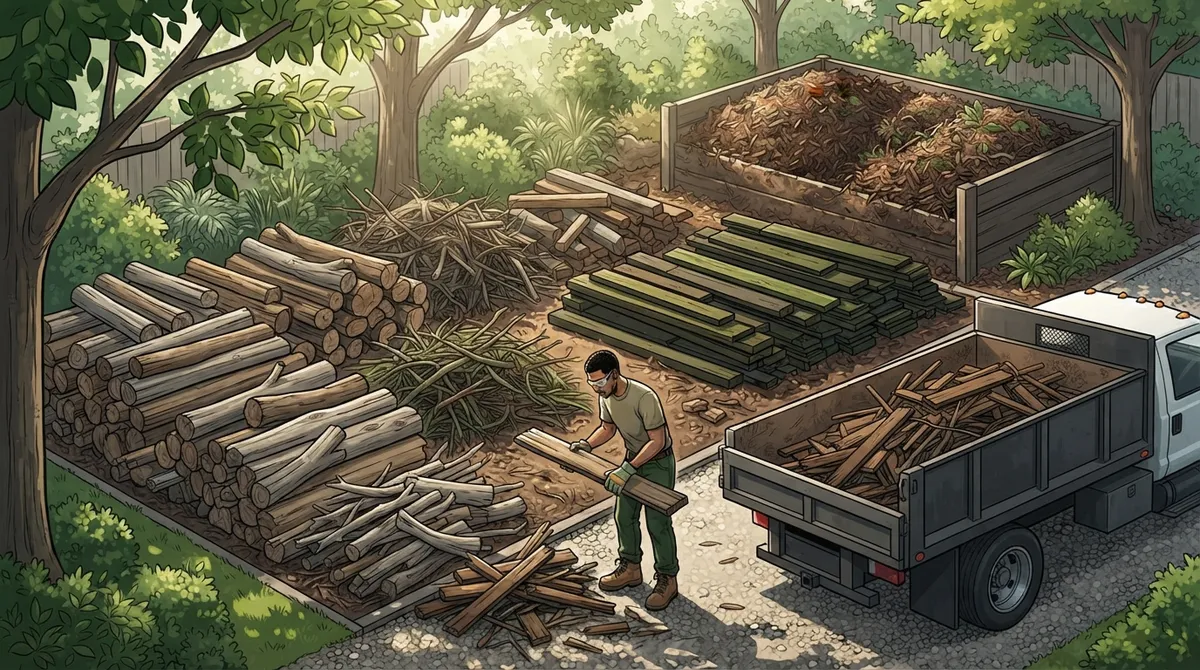
Separate untreated wood from treated, painted, or pressure-treated lumber before disposal, as they require different processing methods—untreated wood can be chipped or composted, while treated wood must go to landfills or specialty facilities.
-
About 63% of yard trimmings nationwide are composted or turned into mulch rather than landfilled, so your wood debris is likely being recycled into useful products like garden mulch or soil amendments.
-
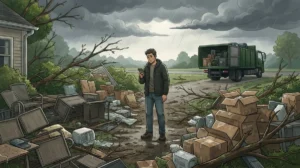
Call professionals for hazardous jobs like storm-damaged trees, branches near power lines, heavy logs, or debris mixed with nails and wire, as OSHA warns chainsaw use and heavy branch removal carry serious injury risks.
-
Keep wood debris separate from soil, household trash, and construction debris during pickup preparation, since mixed piles are harder to process and disposal sites may refuse contaminated loads.
-
Check local Brandon regulations before disposal, as some areas restrict yard waste from regular landfills and require composting or approved drop-off sites, which professionals already know and navigate.
-
Follow a systematic removal process: site assessment for hazards, sorting materials, cutting oversized pieces, loading safely, hauling to appropriate facilities, and final cleanup for best results.
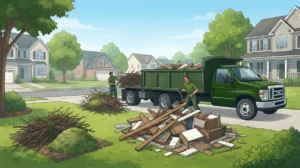
Got a backyard full of branches, old fence boards, or a pile of logs from that tree you finally cut down? You’re not alone. Wood debris removal is one of the most common headaches for homeowners in Brandon, Florida, especially after a summer storm rolls through. The good news? You don’t have to figure it out alone, and you definitely don’t have to haul it all yourself.
Whether you’re a busy homeowner, a real estate agent prepping a listing, or a contractor wrapping up a job site, wood debris removal matters more than most people realize. According to the EPA, yard trimmings made up over 35 million tons of the municipal solid waste stream in a recent year. That’s a lot of branches and brush! Let’s walk through everything you need to know to handle wood debris the smart way, whether you tackle it yourself or call in the pros.
1. Know What Counts as Wood Debris
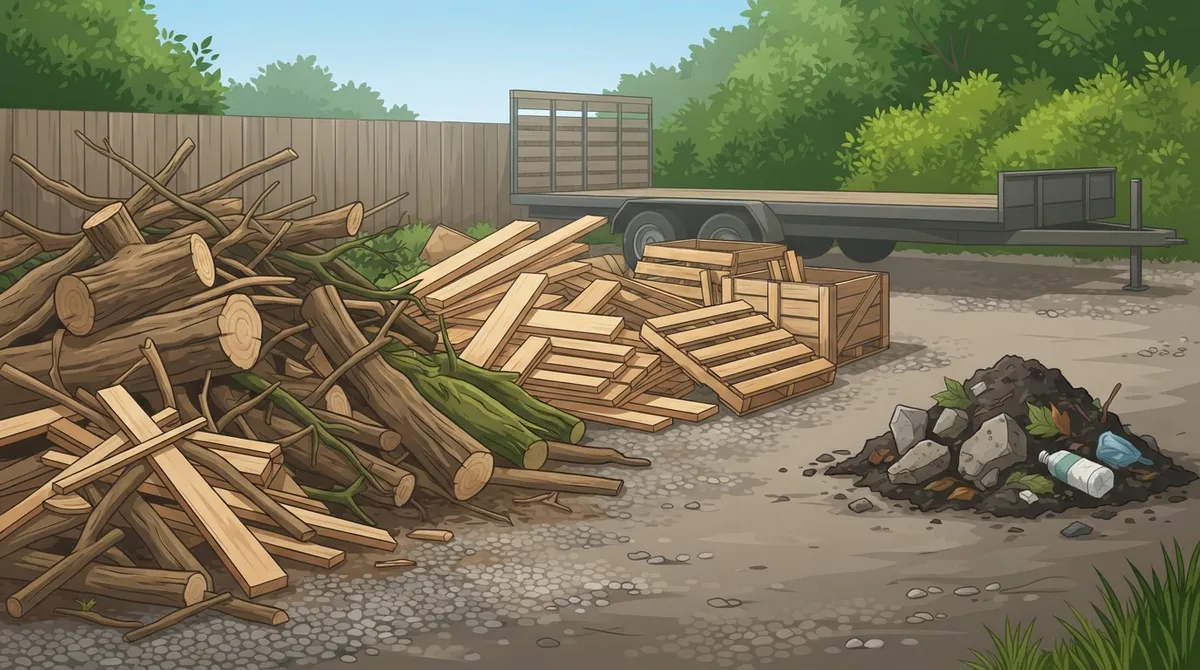
Before you start piling things up, it helps to know exactly what falls under wood debris removal. This isn’t just about dead leaves in the gutter. We’re talking about real material that takes muscle, tools, and know-how to move safely.
- Tree branches and limbs, big and small
- Fallen logs and tree trunks
- Brush and shrub trimmings
- Tree stumps left after removal
- Old fence posts and boards
- Wooden pallets from job sites
- Storm-damaged wood and downed trees
- Untreated lumber scraps from renovation projects
Here’s a tip that saves everyone time: keep this material separate from soil, household trash, and construction debris. Mixed piles are harder and more expensive to process, and some disposal sites simply won’t take them if they’re contaminated with other waste.
2. Understand the Difference Between Treated and Untreated Wood
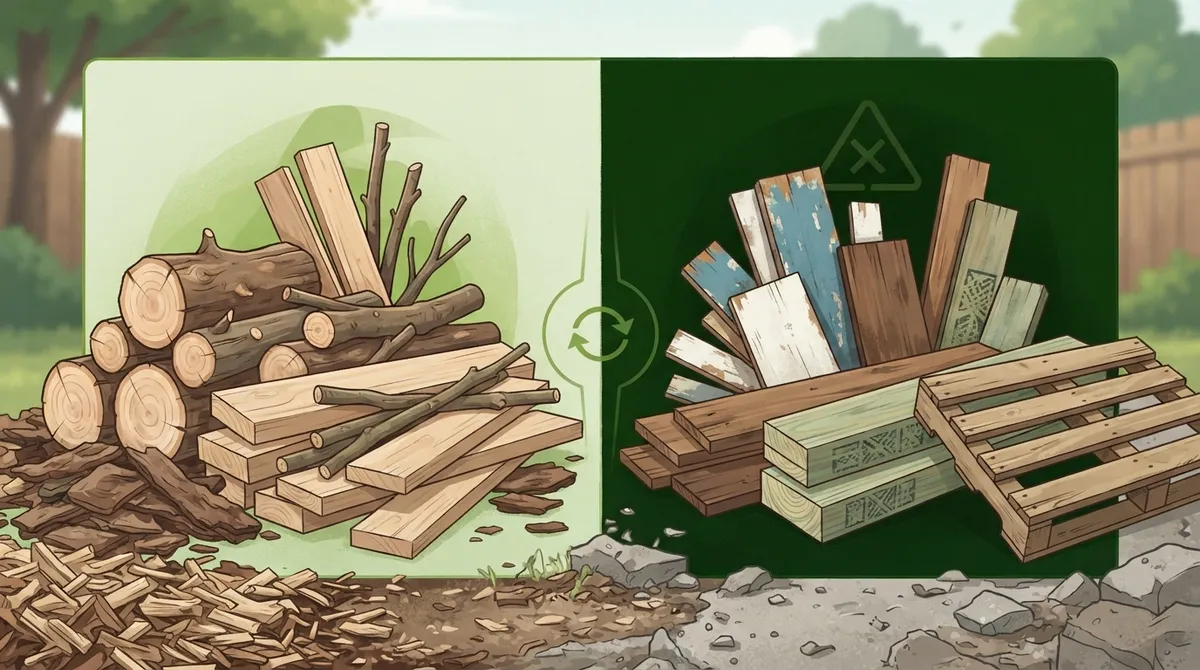
This one trips up a lot of homeowners. Not all wood is created equal when it comes to disposal. Untreated natural wood, like fresh-cut branches or a fallen oak limb, can usually be chipped, mulched, or composted without any issue.
Painted, stained, or pressure-treated wood is a different story. These materials often contain chemical preservatives or coatings that shouldn’t go into a mulch pile or compost bin. If you’re not sure which category your wood falls into, it’s always smart to ask a professional crew before tossing it in with the rest of your storm debris removal pile.
| Wood Type | Common Examples | Best Disposal Method |
|---|---|---|
| Untreated Wood | Branches, logs, fresh lumber scraps | Chipping, mulching, composting |
| Painted or Stained | Old fence boards, trim, decking | Landfill or approved facility |
| Pressure-Treated | Deck posts, outdoor structural wood | Special disposal, never burn |
| Storm Damaged | Downed trees, snapped limbs | Professional removal and hauling |
3. Follow These Steps for a Smooth Wood Debris Removal Job
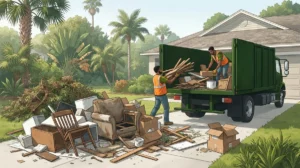
Whether you’re doing some of the prep yourself or scheduling a pickup, following a clear process makes everything faster and safer. Here’s how a typical job should flow from start to finish.
- Site assessment. Walk the property and note hazards like unstable branches, hidden nails, or wire tangled in brush.
- Sorting. Separate untreated wood from treated lumber, and keep debris away from rocks, soil, and trash.
- Cutting and bundling. Oversized logs or limbs get cut down to manageable sizes for hauling.
- Loading. Crews load everything into trucks or trailers, protecting your lawn and driveway along the way.
- Hauling. Material gets transported to the right facility, whether that’s a mulch producer, composting site, or transfer station.
- Final cleanup. A good crew sweeps the area and leaves your yard looking better than when they arrived.
This is exactly the kind of process our team follows on every junk removal in Brandon job. It’s not just about hauling stuff away. It’s about doing it right the first time.
4. Consider What Happens to the Wood After Pickup
Here’s something that surprises a lot of our customers. Most wood debris doesn’t just end up rotting in a landfill. In fact, the EPA reports that about 63% of yard trimmings nationwide get composted or turned into mulch instead of being landfilled. That’s a huge win for the environment.
Clean, untreated branches and brush often get chipped into mulch that can go right back into garden beds. Larger logs might get processed into soil amendments, or in some cases, sent to biomass facilities for energy recovery. Only about 7% of all municipal solid waste landfilled nationally comes from yard trimmings, thanks to these recycling and composting programs.
- Small branches and brush: chipped into mulch
- Clean logs: composted or processed into soil amendments
- Usable lumber: sometimes salvaged or donated
- Treated or painted wood: sent to a landfill or specialty facility
Knowing this can bring a little peace of mind. Your old fence boards or storm-damaged branches aren’t just wasting away somewhere. They’re often being put to good use.
5. Watch Out for Local Rules and Regulations
Every city handles wood debris removal a little differently, and Brandon is no exception. Some areas restrict yard waste from regular landfills, pushing homeowners toward composting or approved drop-off sites instead. Fees and accepted materials can vary too, especially for stumps, large logs, or treated lumber.
This is honestly one of the biggest reasons people call in professionals instead of trying to figure it out themselves. A local crew that’s been serving Brandon, Florida and the surrounding area for years already knows where things need to go. That saves you the guesswork, the wasted trips, and the potential fines.
6. Know When to Call in the Professionals
Some wood debris jobs are simple enough to handle on your own, like bagging up small twigs after trimming a hedge. But plenty of situations call for a trained crew instead. Here’s when it’s time to pick up the phone.
- Large trees or limbs that fell during a storm
- Branches tangled near power lines
- Logs too heavy to lift or move safely
- Stumps that need grinding or full removal
- Debris mixed with nails, wire, or fencing
- Wood piles from a demolition or renovation project
The Occupational Safety and Health Administration warns that chainsaw use and heavy branch removal come with real risks, including kickback injuries and falling debris. That’s why OSHA recommends proper protective gear and careful planning before any cutting begins. A lawn mower can handle your grass, but it won’t help you with a fallen oak tree in your side yard. That’s a job for trained hands.
Wood Debris Removal vs. General Junk Removal
People often ask us what the difference is between yard waste removal and regular junk hauling. It’s a fair question, since both involve loading up a truck and hauling stuff away.
| Factor | Wood Debris Removal | General Junk Removal |
|---|---|---|
| Materials | Branches, logs, brush, stumps | Furniture, appliances, household clutter |
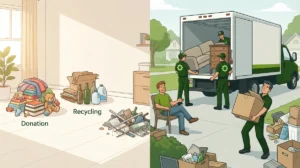
| Disposal Path | Mulching, composting, biomass facilities | Landfill, donation, recycling centers |
| Equipment Needed | Chainsaws, chippers, cutting tools | Dollies, straps, basic hauling gear |
| Common Triggers | Storms, tree trimming, land clearing | Moving, renovations, decluttering |
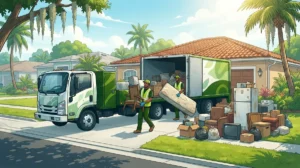
Both services often overlap on a single job site, especially after storm damage or a demolition project. That’s why it helps to work with a company that handles both, like our team at Wayne & Sons Landscaping & Junk Removal. We can clear the branches and haul away the old furniture in the same visit.
Tips to Prepare Your Property for Pickup
Getting your yard ready ahead of time makes the whole process faster and often more affordable. Here’s what helps most.
- Stack branches and brush in one accessible pile
- Keep treated wood separate from natural wood
- Clear a path from the pile to the driveway or street
- Point out any hazards like buried roots or hidden debris
- Ask about stump grinding or root removal if needed
- Get an itemized quote before work begins
A little prep goes a long way. It also helps our crews move faster, which is good news for your schedule and your wallet.
Who Benefits Most From Professional Wood Debris Removal
Wood debris removal isn’t just for homeowners cleaning up after a storm. Plenty of people across Brandon rely on this service for very different reasons.
- Real estate agents staging homes need clean yards fast, and overgrown brush or fallen branches can kill curb appeal.
- Property managers often deal with tenant-neglected yards full of debris between leases.
- Contractors and builders need job sites cleared of scrap wood and pallets before final walkthroughs.
- Downsizing seniors clearing out estates often find old wood piles, sheds, and fencing that need to go.
- Small business owners want a tidy, professional-looking property for customers.
No matter which group you fall into, the goal is the same: a clean, safe property without the backbreaking work. Our crew has spent over 15 years helping folks throughout the Tampa Bay area, including down tree removal in Brandon and communities like Riverview, Valrico, and Sun City Center.
Why Choose Wayne & Sons for Wood Debris Removal
We get it. There are plenty of ways to spend a Saturday, and hauling logs probably isn’t your first choice. That’s where we come in. Our team handles everything from small brush piles to major storm cleanup, and we always give you a clear, upfront estimate before any work begins.
We’re proud to be a trusted name in the Brandon area, and we’d love for you to see what our customers have to say. Check out our reviews or visit us on Google — Wayne & Sons Landscaping & Junk Removal to read firsthand stories from folks just like you. You can also check out our reputation on Thumbtack for even more feedback.
We also handle related services that often come up alongside wood debris, including demolition cleanup in Brandon, hedge trimming, and palm tree trimming. If your project involves more than just branches, take a look at our full landscaping services page for everything we offer.
Ready to Clear the Clutter?
Wood debris removal doesn’t have to be a weekend-long struggle or a safety risk. With the right team, it can be quick, affordable, and stress-free. Whether you’re dealing with storm damage, a landscaping cleanup, or piles left behind by a renovation, we’re ready to help.
Ready to get your yard back in shape? Contact us today for a free, no-pressure estimate, or give us a call to talk through your project. You can also text us at 813-452-1570 if that’s easier. We’re here, we’re local, and we’re ready to help you reclaim your yard.
FAQs
Q: What does wood debris removal include?
A: It covers branches, logs, brush, stumps, storm-damaged wood, and even old fence boards or pallets. A good crew will sort, cut, load, and haul it all away, then make sure it ends up at the right facility, whether that’s a mulch site or a landfill.
Q: Can wood debris be recycled or turned into mulch?
A: Absolutely, and it happens more often than you’d think. Clean, untreated branches and logs are frequently chipped into mulch or composted, which is why so much yard waste never even reaches a landfill.
Q: What is the difference between yard waste removal and junk removal?
A: Yard waste removal focuses on natural materials like branches, logs, and brush, often heading to composting or mulch facilities. Junk removal covers household items like furniture and appliances, which usually go to landfills, donation centers, or recycling facilities.
Q: Do I need a permit to remove tree debris in Brandon?
A: It depends on the size of the job and your specific location. Larger tree removals or storm cleanup sometimes require permits, so it’s always smart to check with your local office or ask your removal crew for guidance.
Q: Can a junk removal company handle storm debris and fallen branches?
A: Many companies, including our team, handle both wood debris and general junk removal in the same visit. Just make sure you’re working with a crew experienced in tree work, since fallen branches can be trickier and more hazardous than typical household junk.
Our Service Area