Key Takeaways
-
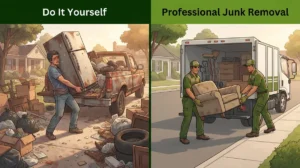
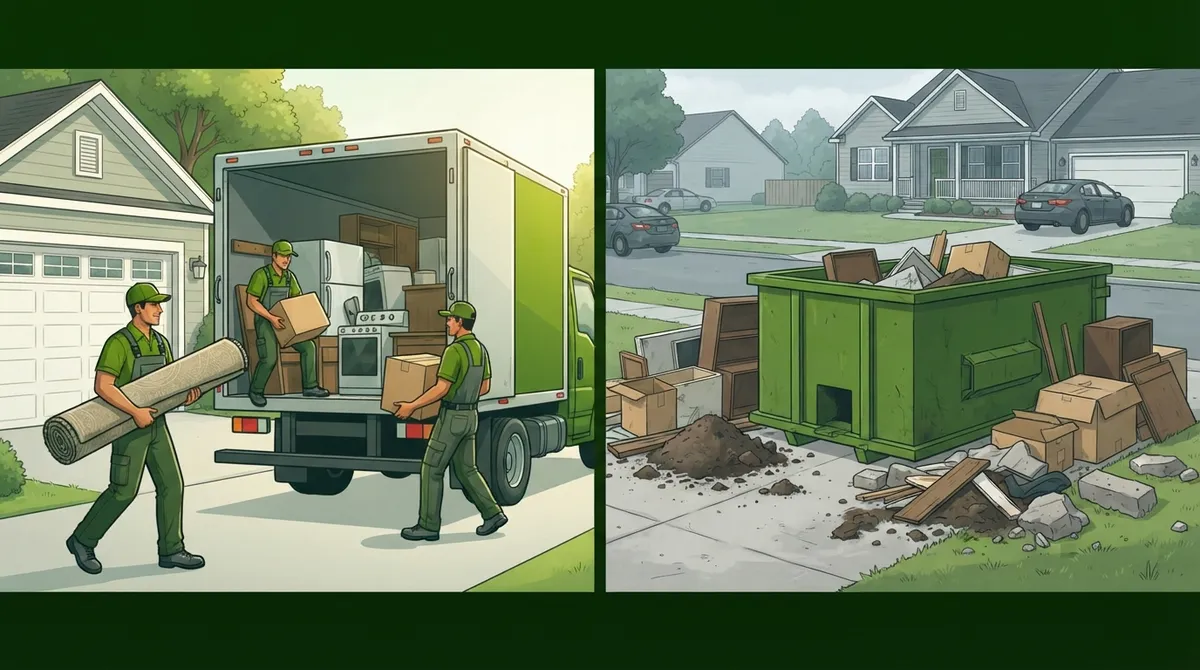
Junk removal is a full-service option averaging $241 per job where crews handle loading, hauling, and cleanup, while dumpster rental averages $380/week and requires you to load debris yourself over time.
-
For small to medium yard cleanups, junk removal is almost always cheaper and faster, but dumpsters become cost-effective for multi-day projects where debris accumulates continuously.
-
Heavy materials like wet soil, sod, concrete, and rocks can trigger expensive dumpster overage fees since they hit weight limits quickly, making junk removal more predictable for mixed debris loads.
-
Junk removal suits busy homeowners, real estate agents, and seniors who need quick turnaround and can't handle heavy lifting, while dumpsters work better for contractors and renovations with ongoing debris generation.
-
Not all materials go in dumpsters—soil, concrete, hazardous waste, and tires often face restrictions, so always confirm accepted materials before booking and consider local disposal rules in your area.
-
A hybrid approach using junk removal for finished cleanups and dumpsters for larger projects, plus separating recyclable and compostable materials, can reduce overall costs and ensure compliance.
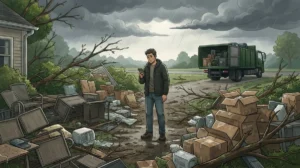
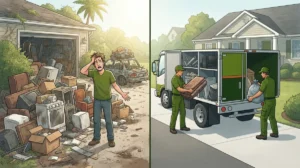
Staring at a pile of yard debris or a garage full of clutter, you’ve probably asked yourself the same question many Brandon homeowners face: should you call a junk removal crew or rent a dumpster? Both options clear away the mess, but they work in very different ways. Picking the wrong one can cost you extra money, extra time, and a lot of extra frustration.
This guide breaks down junk removal vs dumpster rental in plain, simple terms. We’ll walk through pricing, what each service actually includes, and which option fits your specific project. Whether you’re cleaning up storm damage, prepping a house for sale, or clearing out a rental property between tenants, you’ll know exactly what to choose by the end of this article.
1. What Junk Removal Actually Includes
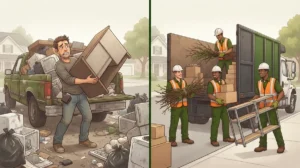
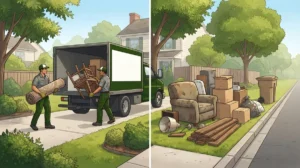
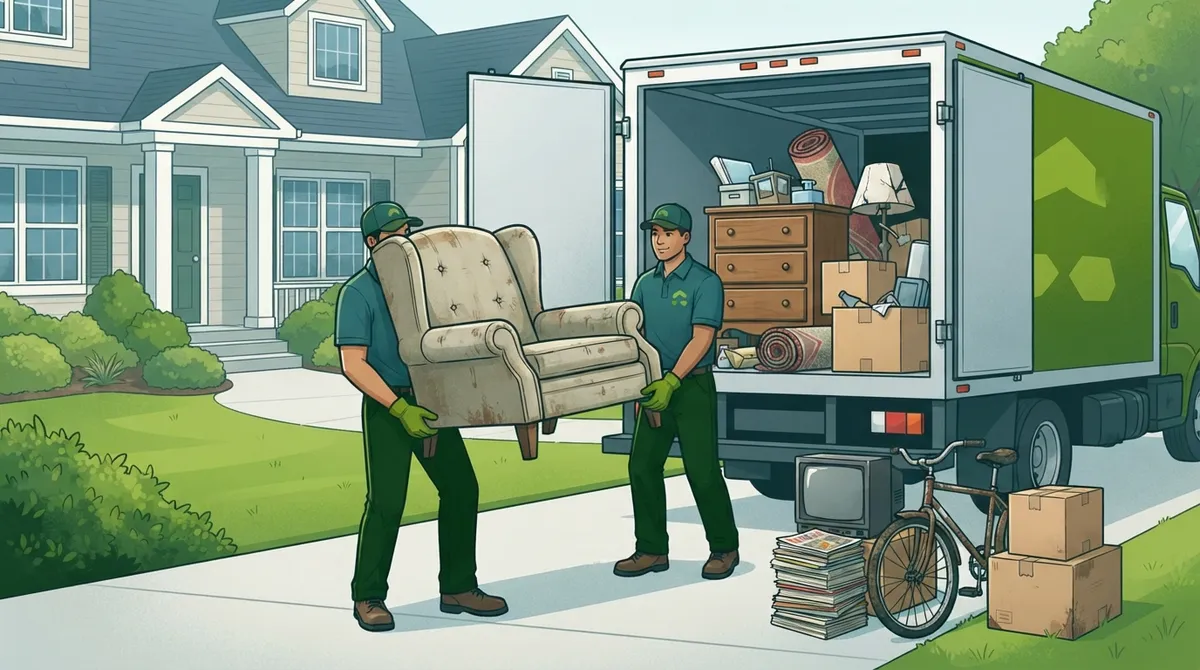
Junk removal is a full-service option. A crew shows up, does the heavy lifting, hauls everything away, and often sweeps up when they’re done. You don’t touch a single branch, box, or old couch cushion.
This makes junk removal a great fit for busy homeowners, real estate agents prepping a listing, or seniors downsizing who simply can’t (or don’t want to) lift heavy furniture and yard debris. According to Angi’s cost data, junk removal averages around $241 per job, with most projects landing between $60 and $700 depending on volume and material type.
Here’s what a typical junk removal service covers:
- Loading and lifting all items onto the truck
- Hauling debris to the correct disposal or recycling facility
- Sweeping and tidying the area after pickup
- Same-day or scheduled service in many cases
- Handling mixed loads like furniture, branches, appliances, and general clutter together
For landscaping cleanups specifically, junk removal handles things like tree branches, leaves, brush, old mulch, broken pots, and dead shrubs without you lifting a finger. If you’re dealing with a mixed pile of yard waste and household junk after a renovation, junk removal in Brandon is usually the faster, easier choice.
2. What Dumpster Rental Actually Includes
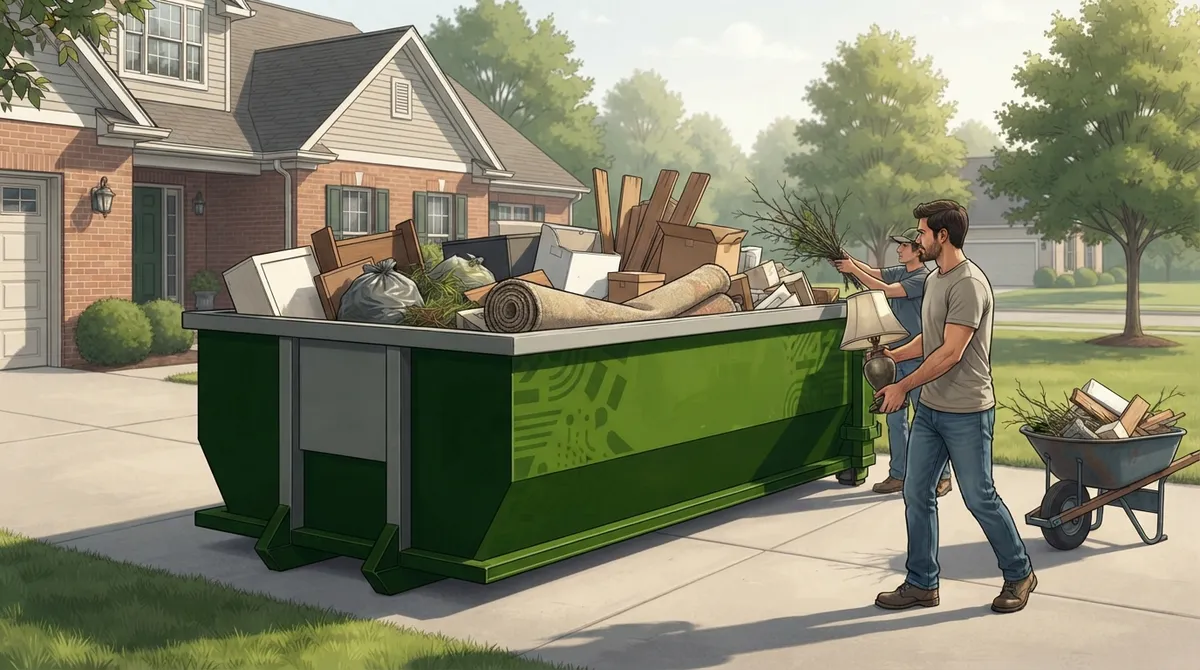
Dumpster rental works differently. A company drops off a container, and you (or your crew) load it yourself over several days. Once it’s full, the company picks it up and hauls it away.
This self-service model works best for big, ongoing projects. Think demolition jobs, multi-day landscaping overhauls, or storm cleanup that generates debris over a week rather than in one afternoon. HomeAdviser and Angi both report an average dumpster rental cost of about $380 per week, though larger 40-cubic-yard containers can run up to $800 per week.
Dumpster sizes and weekly cost ranges typically look like this:
| Dumpster Size | Typical Weekly Cost | Best For |
|---|---|---|
| 2 cubic yards | $75 – $200 | Small yard cleanups |
| 8 cubic yards | $225 – $325 | Medium landscaping jobs |
| 10 cubic yards | $250 – $575 | Home renovation debris |
| 20 cubic yards | $275 – $700 | Large demolition projects |
| 40 cubic yards | $350 – $800 | Major construction or storm cleanup |
Contractors and builders often prefer dumpsters for job sites because debris piles up continuously. If your project fits that pattern, check out our page on demolition cleanup in Brandon to see how a dumpster or hauling service might support a longer project timeline.
3. Cost Comparison: Which Option Saves You More Money
The real answer depends on your debris type, volume, and how much labor you’re willing to do yourself. Let’s break it down by project type.
Small to Medium Yard Cleanups
A standard spring or fall yard cleanup typically costs around $100 to $250 through a landscaper, while removing larger debris like branches and stone may run $70 to $500. For a job this size, junk removal is almost always the cheaper and faster route. You skip the rental period, the pickup scheduling, and the physical labor entirely.
Large or Multi-Day Projects
If you’re clearing an entire backyard, tearing out old landscaping, or managing a week-long renovation, a dumpster’s flat weekly rate can be more cost-effective. You load it at your own pace without paying for a crew’s time each visit.
Heavy Materials Change Everything
Here’s something many homeowners don’t realize: dumpsters have weight limits, not just size limits. Wet soil, sod, gravel, rocks, and concrete are heavy. Angi reports typical landscaping material disposal costs of $140 to $180 per ton. Fill a dumpster with wet dirt or stone, and you can hit the weight cap fast, triggering overage fees that blow past your budget.
Junk removal pricing, by contrast, is based on truck volume, item count, and labor, which tends to keep costs more predictable for mixed debris loads. This is one reason junk removal vs dumpster rental decisions often come down to material type, not just total volume.
4. Key Factors That Decide Which Option Wins
Before you book anything, walk through these four questions to figure out the smarter choice for your situation.
- How much physical labor can you or your crew handle? If lifting and hauling isn’t realistic, junk removal does the work for you.
- Is your debris pile growing over several days, or is it a one-time cleanup? Ongoing projects favor dumpsters; single cleanups favor junk removal.
- What materials are you disposing of? Soil, sod, concrete, and rock can rack up dumpster overage fees fast. Confirm accepted materials before booking either service.
- Do you have space for a dumpster, and do you need a permit? Placing a container on a public street often requires a permit from your local municipality. Driveway placement needs enough clearance for delivery trucks and overhead wires.
Property managers juggling tenant cleanouts often find junk removal more practical since it clears units quickly between leases without needing a dumpster sitting on-site for days. Meanwhile, home renovation contractors tackling a full gut job might prefer a dumpster to handle continuous debris from framing, drywall, and old fixtures.
A Smart Hybrid Approach
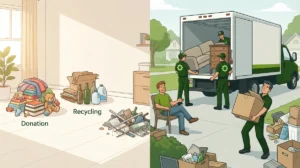
You don’t always have to pick just one. Many Brandon homeowners use junk removal for a finished cleanup, like clearing out a shed or hauling away old furniture, and reserve dumpsters for larger jobs where debris builds up over time. Separating recyclable, compostable, and hazardous materials also helps you stay compliant with local disposal rules and may even reduce your overall cost.
Common Materials: What Goes Where
Not everything belongs in a dumpster, and not everything is ideal for a junk removal truck either. Here’s a quick reference:
- Junk removal handles well: furniture, appliances, mixed household clutter, tree branches, brush, leaves, old landscaping materials
- Dumpsters often restrict: tires, paint, hazardous chemicals, and sometimes soil, sod, or concrete without special approval
- Always confirm before booking: treated wood, asphalt, large rocks, and anything labeled hazardous waste
A typical junk removal truck holds about 10 to 17 cubic yards, similar to a mid-sized dumpster, but the crew does all the loading. This matters if your down tree removal project includes heavy trunk sections that are tough to lift alone.
Why Local Experience Matters
Every city has its own rules about debris disposal, dumpster permits, and green waste handling. Since 1994, communities in Brandon, Florida have grown steadily, and local disposal guidelines can shift as neighborhoods develop. Working with a company that knows the Tampa Bay area’s rules saves you from permit headaches or rejected loads at the disposal site.
Wayne & Sons Landscaping & Junk Removal has spent over 15 years serving Brandon and nearby communities like Riverview, Valrico, Apollo Beach, and Sun City Center. Our team understands exactly what local disposal facilities accept, so you never get stuck guessing. Whether you need storm debris removal after a summer storm or a full furniture removal service before a move, our crew handles the heavy lifting so you don’t have to.
Real-World Scenarios: Which Service Fits Your Project
Let’s look at how different readers typically approach this decision.
Real estate agents staging a home for sale usually need fast turnaround. Junk removal clears out old furniture and yard debris in a single visit, which keeps listing timelines on track. Check our before-and-after gallery to see how a clean yard transforms curb appeal.
Property managers handling tenant turnover often need same-day junk hauling to get units ready for new renters. A dumpster sitting in a parking lot for a week isn’t always practical for multi-unit properties.
Contractors and builders managing active job sites frequently benefit from a dumpster since debris accumulates daily. But for a quick post-project sweep, a hauling crew like ours can finish the job in hours instead of scheduling a pickup days later.
Downsizing seniors and elderly residents clearing out a family home almost always benefit from full-service junk removal. There’s no lifting, no sorting into a container, and no stress about permits or placement.
Making the Right Call for Your Property
At the end of the day, junk removal vs dumpster rental isn’t about which service is “better” overall. It’s about matching the right tool to your specific job. Small cleanups, mixed debris, and time-sensitive projects favor junk removal. Large, multi-day jobs with steady debris generation often favor a dumpster, as long as you watch for weight limits on heavy materials.
If you’re still unsure, our team can walk you through your options with a transparent, upfront estimate. See our verified reviews on Thumbtack to hear how other Tampa Bay homeowners made their decision.
FAQs
Q: Is junk removal or dumpster rental cheaper for yard waste?
A: For most small to medium yard cleanups, junk removal tends to be cheaper and faster since you’re paying for a completed job rather than a weekly rental. Dumpsters can become pricier if your yard waste includes heavy materials like wet soil or rocks, since those can hit weight limits fast and trigger overage fees.
Q: Can I put dirt, rocks, concrete, sod, or tree branches in a dumpster?
A: It depends on the dumpster company’s rules, so always ask before you book. Many providers restrict heavy materials like concrete, rock, and sod, or charge extra since these items add weight quickly and can max out the container’s limit.
Q: Do I need a permit to place a dumpster in my driveway or on the street?
A: If the dumpster sits on your own driveway, you usually won’t need a permit. But placing it on a public street typically requires a permit from your local city, so it’s worth checking with your municipality first to avoid fines.
Q: Does junk removal include loading, hauling, disposal, and cleanup?
A: Yes! A good junk removal crew handles everything from start to finish, including lifting, loading, hauling, proper disposal, and a quick sweep of the area afterward. That’s the whole point, you get to relax while we do the heavy lifting.
Q: What size dumpster do I need for a yard cleanup or landscaping project?
A: Small yard cleanups usually only need a 2 to 8 cubic yard dumpster, while larger landscaping overhauls or demolition projects often call for 20 to 40 cubic yards. If you’re not sure, our team can help you estimate the right size based on your project scope.
Our Service Area