Key Takeaways
-
Professional flooring removal includes lifting, cutting carpet into rolls, removing padding and tack strips, and inspecting the subfloor for hidden damage—steps that reveal problems DIY attempts often miss.
-
Only about 5% of U.S. carpet waste is actually recycled despite 12% collection rates; recycling success depends heavily on your location and nearby facilities, with California performing much better than the national average.
-
Homes built before the 1980s may have asbestos in flooring materials; never attempt DIY removal if asbestos is suspected—hire a qualified professional for assessment first to avoid releasing dangerous fibers.
-
Separate flooring materials by type since clean carpet may be recyclable while padding, tack strips, and adhesives typically cannot, maximizing waste diversion from landfills when possible.
-
Professional removal saves money overall compared to DIY when accounting for truck rental, disposal fees, multiple dump runs, and the physical labor involved in handling heavy, sharp materials safely.
-
Ask potential removal companies upfront about subfloor inspection, material recycling practices, asbestos/mold protocols, transparent pricing, and ability to bundle other debris removal for a comprehensive property cleanup.
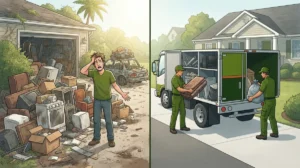
Ripping out old carpet sounds simple until you’re staring at a stack of heavy, dusty rolls with nowhere to put them. Whether you’re prepping a rental for new tenants, staging a home for sale, or finally tearing out that stained carpet from 2003, carpet and flooring removal is messier and heavier than most people expect. That’s why so many homeowners, landlords, and contractors in Brandon, Florida turn to a professional junk removal team instead of hauling it themselves.
At Wayne & Sons Landscaping & Junk Removal, we’ve helped countless customers clear out old flooring safely and quickly. Below are 13 practical tips to help you understand what carpet and flooring removal really involves, what it costs, and how to do it the smart way.
1. Know What Counts as Carpet and Flooring Removal
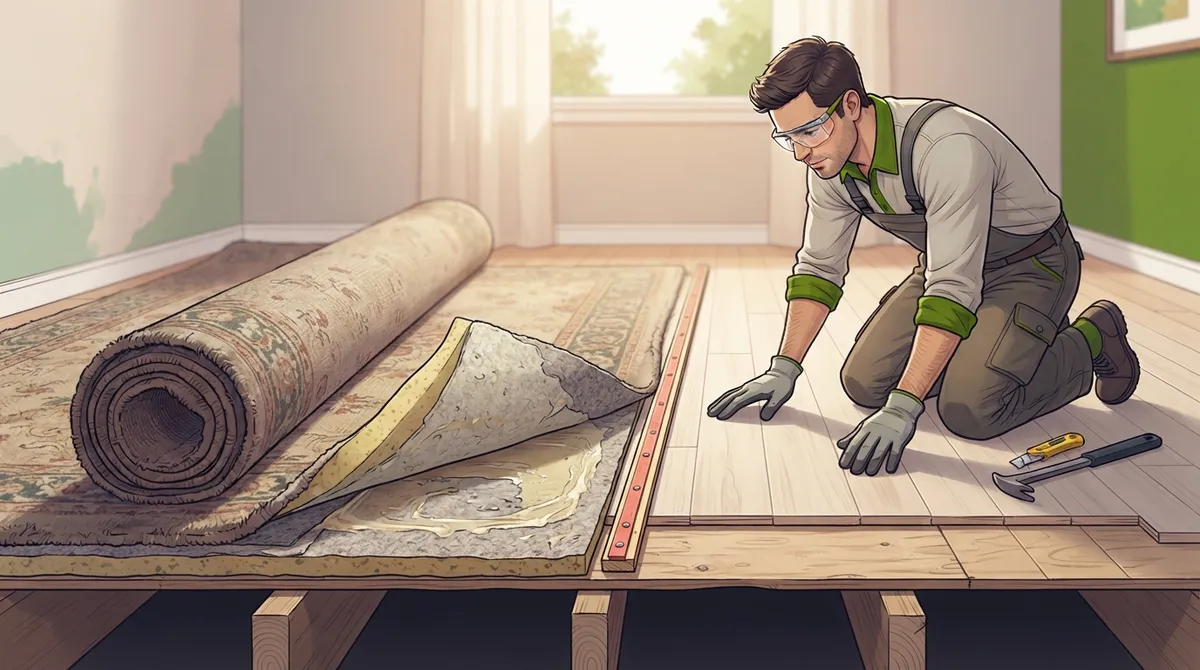
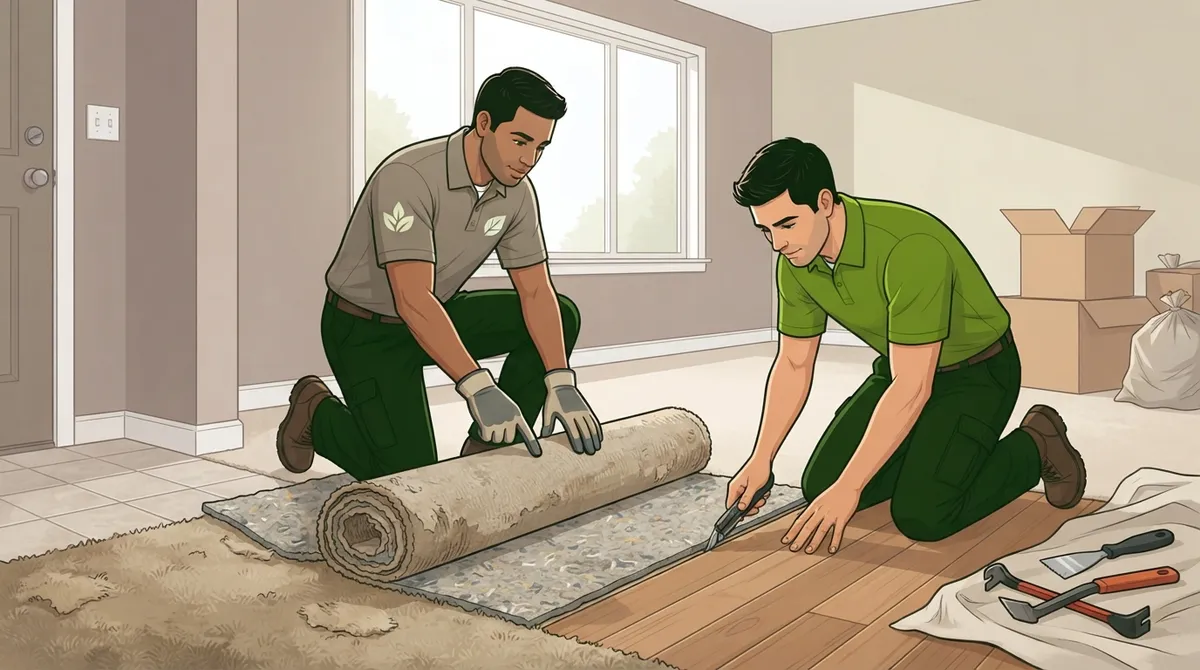
Carpet and flooring removal is a specialized type of junk removal. It covers pulling up old carpet, padding, tack strips, vinyl, laminate, tile, and sometimes wood flooring. A good junk removal crew will lift the material, cut it into manageable rolls, and haul it away for disposal or recycling.
This service is popular with homeowners after a renovation, landlords prepping units between tenants, and real estate agents getting a house ready to sell. If you’ve got old, ugly flooring standing between you and a fresh-looking space, this is the service you need.
2. Understand the Full Scope of a Typical Job
A full flooring removal job usually involves more steps than people realize. Here’s what a typical project includes:
- Lifting and cutting carpet into rollable sections
- Removing the padding underneath
- Pulling up tack strips and staples along the edges
- Detaching vinyl or laminate planks piece by piece
- Loading everything onto a truck for haul-away
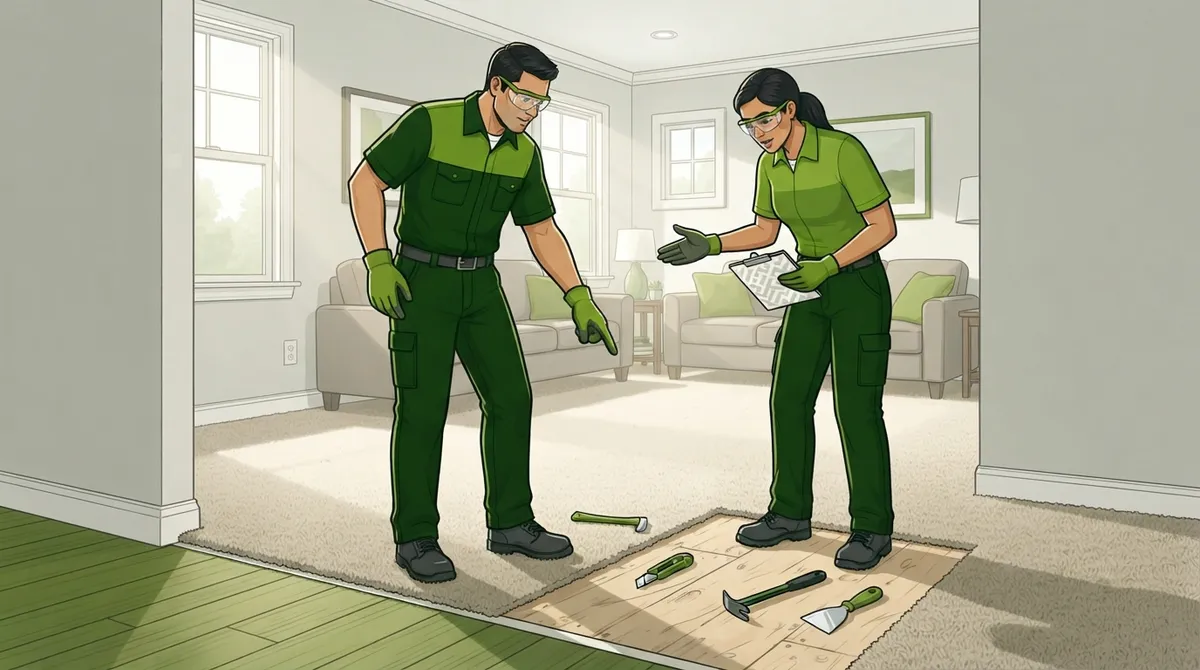
- Inspecting the subfloor for damage before calling the job done
That last step matters a lot. A hidden water stain or soft spot in the subfloor can turn into a bigger problem if it’s not caught early.
3. Separate Materials Whenever Possible
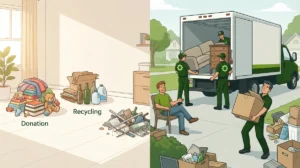
Not all flooring waste is the same. Clean, dry carpet can sometimes be recycled, but padding, tack strips, and adhesive-covered materials usually cannot. Here’s a quick breakdown:
| Material | Recycling Potential | Common Disposal Method |
|---|---|---|
| Clean, dry carpet | Possible, depending on local facilities | Specialized carpet recycler or landfill |
| Carpet padding | Rarely accepted | Landfill |
| Tack strips & staples | Not recyclable | Landfill (handled carefully due to sharp nails) |
| Vinyl & laminate | Limited | Landfill or transfer facility |
| Wet or moldy carpet | Not accepted | Landfill only |
Separating these materials when practical can help more of your old flooring get recycled instead of dumped.
4. The Recycling Reality Isn’t as Good as You’d Hope
Here’s a sobering fact. According to the Carpet America Recovery Effort (CARE) 2017 Annual Report, the U.S. generated an estimated 3.3 billion pounds of post-consumer carpet waste that year. That works out to about 10 pounds per person. Of that, only around 1.2 pounds per person was actually collected for recycling, a gross collection rate of just 12 percent.
Even more telling, CARE reported that only about 180 million pounds of that carpet were actually recycled, roughly a 5 percent recycling rate nationwide. Some states do much better than others. A report highlighted by Earth911 noted that California recycles a much higher share of its carpet compared to the national average, showing that location matters a lot when it comes to recycling outcomes.
More recent data backs this up. California’s Carpet Stewardship Program reported 82.7 million pounds of carpet collected in 2024, but also noted about 169.6 million pounds of post-consumer carpet waste ultimately landed in a landfill that same year. The takeaway? Recycling carpet is possible, but it depends heavily on where you live and what facilities are nearby.
5. Watch Out for Asbestos in Older Homes
If your home was built before the 1980s, older flooring materials could contain asbestos. This includes vinyl floor tiles, sheet flooring, backing, and certain adhesives. The EPA specifically warns against sanding, dry scraping, or using power strippers on flooring that might contain asbestos, since disturbing it can release dangerous fibers into the air.
If you suspect your flooring might contain asbestos, don’t try to remove it yourself. Have it assessed by a qualified professional first. This is one area where cutting corners just isn’t worth the risk to your health.
6. Protective Gear Matters More Than You Think
Carpet and flooring removal isn’t just about muscle. It’s also about safety. Tack strips hide sharp nails. Staples can puncture skin. Dust and mold can irritate your lungs. Professional crews typically wear:
- Heavy-duty gloves to prevent cuts and punctures
- Eye protection against flying debris
- Sturdy, closed-toe footwear
- Respiratory protection when dust or mold is present
If you’re tackling a DIY removal, don’t skip these basics. A trip to urgent care for a stepped-on nail is not how you want to spend your renovation weekend.
7. Prepare Your Home Before the Crew Arrives
A little prep work goes a long way toward a smooth, efficient removal day. Here’s how to get ready:
- Clear the room of furniture, boxes, and personal items
- Move fragile items to another part of the house
- Note any areas with water damage or visible mold
- Point out any suspected asbestos-containing materials
- Confirm the removal team’s access path, especially for stairs or narrow hallways
The more accessible the space, the faster and cheaper your removal job tends to go.
8. Check Local Disposal Rules Before You Start
Disposal requirements for flooring waste vary a lot by city, county, and even by landfill. Some facilities charge by weight. Others have strict rules about wet or moldy materials. A professional junk removal company already knows these rules and handles the paperwork and logistics for you.
This is one of the biggest reasons people hire a pro instead of renting a truck and figuring it out themselves. You avoid the guesswork, the wasted trips, and the risk of getting turned away at the dump.
9. Bundle Flooring Removal With Other Cleanout Work
Here’s something a lot of folks don’t realize. You don’t need to hire a different company for every part of your renovation cleanup. A team like Wayne & Sons Landscaping & Junk Removal can handle your old carpet and flooring, plus haul away construction debris, old furniture, and outdoor junk in a single visit.
This is especially helpful for homeowners tackling a full remodel, real estate agents prepping a property, or contractors trying to keep a job site clean. Check out our demolition cleanup services in Brandon if your project involves more than just flooring.
10. Think About the Whole Property, Not Just the Inside
If you’re renovating, chances are your yard needs some love too. Interior demo often kicks up dust and debris that lands outside, and dumpsters or work trucks can damage grass and landscaping. Pairing your flooring removal with professional landscaping services means your whole property gets refreshed at once, not just the inside.
This is a big win for real estate agents trying to boost curb appeal and close a sale faster, or homeowners who want their property looking sharp from the driveway to the living room.
11. Compare Costs and Weigh the DIY Option Honestly
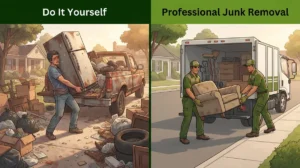
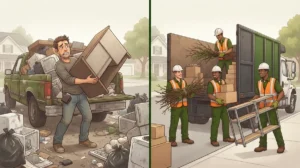
DIY flooring removal can save money on labor, but it costs you time, physical effort, and the hassle of disposal logistics. Renting a truck, buying tools, and making multiple dump runs adds up fast. Plus, you still have to deal with heavy, awkward rolls of carpet and sharp tack strips.
| Factor | DIY Removal | Professional Removal |
|---|---|---|
| Time required | Several hours to a full day | Usually a few hours |
| Physical labor | High, including heavy lifting | Handled by trained crew |
| Disposal logistics | You handle all runs and fees | Included in the service |
| Safety risk | Higher without proper gear | Lower with trained professionals |
| Subfloor inspection | Easy to miss damage | Checked as part of the job |
If your time and back are worth something to you, professional removal usually wins out.
12. Ask the Right Questions Before You Hire
Not every junk removal company handles flooring the same way. Before booking, ask these questions:
- Do you separate materials for recycling when possible?
- Will you inspect the subfloor after removal?
- How do you handle suspected asbestos or mold?
- Is pricing upfront and transparent, with no surprise fees?
- Can you also haul away other debris or junk from the same property?
A trustworthy company will answer these questions clearly and confidently, without dodging the details.
13. Choose a Local Team That Knows Brandon Properties
Working with a local company means faster response times and a better understanding of local disposal rules in the greater Brandon, Florida area. Wayne & Sons Landscaping & Junk Removal has served Brandon and surrounding communities like Riverview, Valrico, and Apollo Beach for over 15 years, handling everything from furniture removal to full property cleanouts.
We keep our pricing transparent, our crews respectful of your home, and our process as hassle-free as possible. You can see what real customers have to say by checking our reviews page, or visit us on Google — Wayne & Sons Landscaping & Junk Removal to read more feedback from folks in your neighborhood. We’re also listed on Thumbtack, where you can compare our services alongside verified customer ratings.
Bringing It All Together
Carpet and flooring removal is one of those jobs that looks simple until you’re knee-deep in padding, staples, and sharp tack strips. Between checking for asbestos, sorting materials for recycling, and figuring out local disposal rules, it’s a project that benefits from experienced hands. And once that old flooring is gone, don’t forget the outside of your home deserves attention too, whether that’s a fresh lawn mower pass or a full landscaping refresh.
If you’re ready to clear out old carpet, flooring, or any other clutter weighing down your property, our team is ready to help. Contact us today to get a straightforward, no-surprises estimate, or give us a call to schedule your removal. We proudly serve Brandon and the surrounding Tampa Bay communities with the same friendly, reliable service that’s kept us busy for over 15 years.
FAQs
Q: How much does carpet and flooring removal cost?
A: It really depends on the size of the room, the type of flooring, and how much material needs hauling away. The good news is that Wayne & Sons offers upfront, transparent pricing, so you’ll know exactly what to expect before any work begins, with no surprise fees at the end.
Q: Does junk removal include removing carpet and flooring?
A: Yes, most professional junk removal companies, including our team, handle carpet, padding, vinyl, laminate, and even tile removal. We’re happy to bundle this with other cleanout work like furniture removal or demolition debris for a stress-free, all-in-one service.
Q: Can carpet be recycled after removal?
A: Sometimes, yes! Clean, dry carpet can be accepted by specialized recyclers, though acceptance really depends on your location and nearby facilities. Wet, moldy, or heavily contaminated carpet usually can’t be recycled and goes to a landfill instead.
Q: Can I remove old flooring if I suspect asbestos?
A: We’d recommend pumping the brakes on that one. Older flooring materials can sometimes contain asbestos, and the EPA advises against sanding or disturbing it without a proper assessment. It’s always safer to have a qualified professional take a look first.
Q: How should I prepare my home for carpet or flooring removal?
A: Clear the room of furniture and personal items, and let your removal team know about any water damage or suspected asbestos ahead of time. A little prep goes a long way toward keeping your project quick, safe, and affordable.
Our Service Area