Key Takeaways
-
Always get written authorization from the owner, servicer, or asset manager before removing any contents from a foreclosed property, as ownership and disposal rules vary significantly by state and locality.
-
Document every foreclosure clean out with dated before and after photos of all areas, signed work orders, disposal records, and receipts to protect yourself and satisfy lender or property manager requirements.
-
Foreclosure filings climbed 14% in 2025 to 367,460 properties with bank repossessions up 27%, creating growing demand for clean out services in active housing markets like Brandon and Hillsborough County.
-
Watch for hazards including sharps, chemicals, spoiled food, mold, unstable structures, and potential asbestos or lead in older homes; stop work and escalate to qualified specialists if tasks exceed your training.
-
Combine junk removal and yard work in a single visit to handle interior contents hauling plus exterior mowing, brush clearing, and debris removal for cost efficiency and faster property turnaround.
-
Confirm the exact scope of work in your contract before starting, as every job differs; never assume full deep cleaning or landscaping is included unless explicitly written in the work order.
Picture this: a house sits quiet for months. Mail piles up at the door. The grass grows knee-high, and every closet still holds someone’s old life. Now somebody has to make that property ready again. That is where a foreclosure clean out comes in.
If you are a real estate agent, property manager, or new owner, you may be staring at a house full of leftovers and wondering where to start. Take a breath. You are not alone, and this job is very doable with the right plan and the right crew.
In this friendly guide, we will walk through what a foreclosure clean out covers, how the work usually flows, what hazards to watch for, and how to keep the paperwork clean. The work is part junk removal and part yard cleanup, which makes a local team like Wayne & Sons Landscaping & Junk Removal a natural fit. Let’s dig in!
What Is a Foreclosure Clean Out?
A foreclosure clean out is the removal of unwanted contents and debris from a foreclosed or lender-owned property. The goal is simple. Get the home ready to be inspected, maintained, marketed, or lived in again.
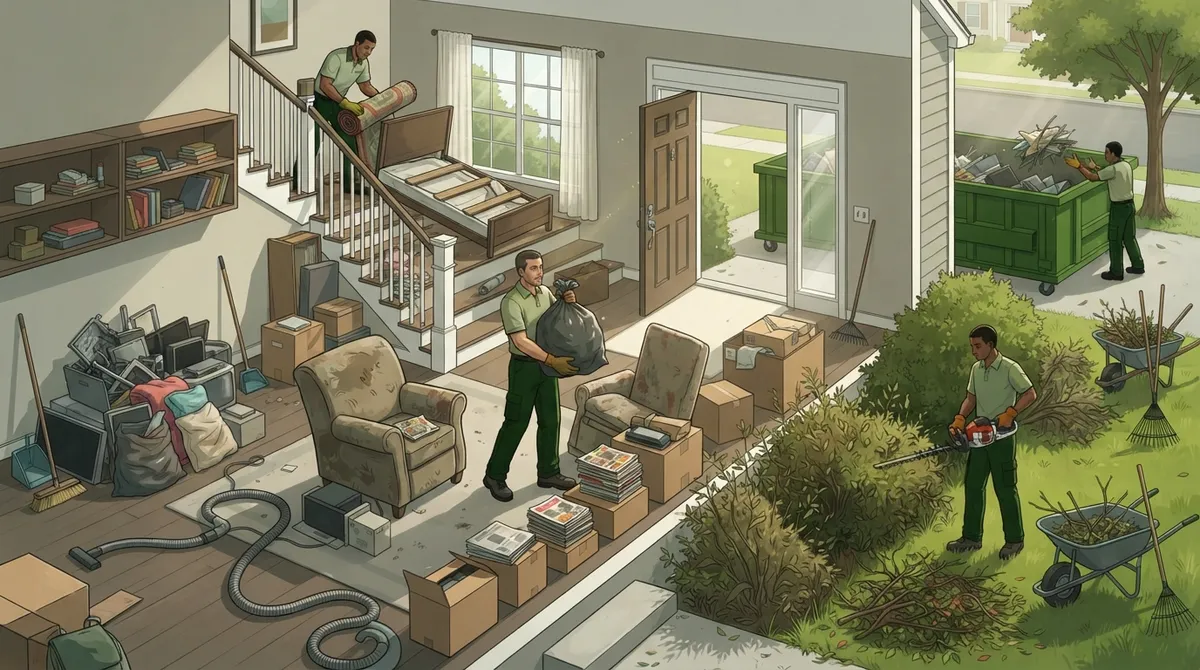
Most foreclosure clean out jobs include:
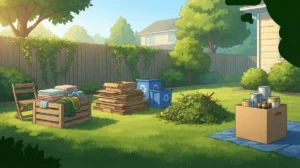
- Clearing rooms, closets, garages, and sheds
- Hauling away furniture, appliances, and trash
- Removing yard debris, fallen branches, and overgrown brush
- Leaving the inside broom-swept when the client asks for it
Here is a key point. Every job is different. The work order tells you what is included, so never assume a full deep cleaning or full landscaping package is part of the deal unless it is written down.
Why Foreclosure Clean Outs Are in Demand in 2026
Foreclosure activity has been climbing. According to ATTOM’s year-end report published in January 2026, foreclosure filings hit 367,460 U.S. properties in 2025, up 14% from 2024. Bank repossessions reached 46,439 properties, a 27% jump from the year before.
To keep that in perspective, only 0.26% of U.S. housing units had a foreclosure filing in 2025. That is far below the 2.23% peak in 2010. So this is not a crisis-level wave, but more homes are changing hands, and each one may need a clean out.
Brandon and the surrounding Hillsborough County communities are busy housing markets. Whenever a property changes hands, somebody needs to clear it out fast. If you want a bit of background on the area we serve, here is a quick look at Brandon, Florida.
Who Is Responsible for Cleaning Out a Foreclosed Property?
This question comes up all the time. The answer depends on who owns the property at that moment and what the contract says.
In many cases, the lender, servicer, or asset manager hires a contractor once they take ownership. A new buyer may also pay for the clean out after closing. For certain government-backed loans, HUD guidance describes debris removal and yard maintenance as mortgagee responsibilities for applicable properties.
The big takeaway is that you should always follow the current work order and local rules. One standard does not fit every job.
Who Needs a Foreclosure Clean Out?
Different people land in this situation for different reasons. Here is how it often looks:
- Real estate agents: You need the listing photo-ready fast, with the yard trimmed and the clutter gone.
- Property managers: You have a unit to turn around so the next tenant can move in.
- New owners and investors: You bought a property as-is and need a clean slate before repairs start.
- Contractors and builders: You need debris hauled off before renovation work begins.
No matter which group you are in, the goal is the same. Clear it, document it, and move forward.
The Step-by-Step Foreclosure Clean Out Process
A good crew follows a clear workflow. It keeps everyone safe and protects you from surprises. Here is how a reliable job usually goes:
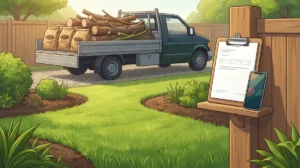
- Confirm authority and scope. Get written approval from the owner, servicer, or asset manager. Know exactly what you are allowed to remove.
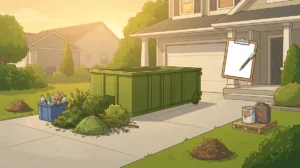
- Take dated “before” photos. Capture every room, the garage, sheds, and the yard.
- Spot hazards. Look for sharps, chemicals, spoiled food, mold, and unstable areas before anyone starts hauling.
- Sort items. Set aside anything reusable or recyclable when it makes sense.
- Remove contents and debris. Haul out the authorized items, inside and outside.
- Handle the yard. Mow, clear brush, trim blocked walkways, and sweep paved areas if they are part of the job.
- Take “after” photos. Show the finished result in the same spots as the before shots.
- Deliver records. Provide disposal records and receipts when the client asks for them.
This process protects you. It also makes life easy for lenders and property managers who need proof that the work was done right.
The Inside Work: Junk and Contents Removal
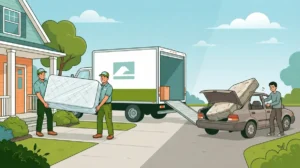
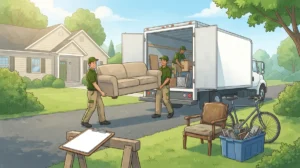
Inside the home, expect a little bit of everything. Old couches, broken appliances, stacks of boxes, mattresses, and plenty of trash bags. Some homes are nearly empty, and others are packed wall to wall.
Our team handles these items every week through junk removal in Brandon and furniture removal in Brandon. If the house needs heavier work, such as tearing out damaged pieces, our demolition cleanup service can help too.
Many clients ask for a broom-swept finish. That means the floors are cleared and swept, with no loose debris left behind. HUD guidance describes a broom-swept interior condition for applicable properties, but always check your own work order for the exact standard.
The Outside Work: Yard Cleanup and Curb Appeal
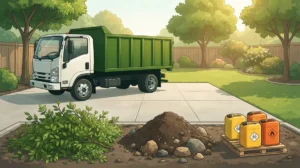
Here is where a landscaping and junk removal company really shines. Empty homes often have wild yards. Weeds take over, branches fall, and the lawn turns into a jungle.
Typical outside tasks may include:
- Mowing overgrown grass
- Pulling weeds and clearing brush
- Trimming plants that block sidewalks or public rights of way
- Picking up fallen branches and yard waste
- Sweeping driveways and walkways
Keeping the yard tidy matters for more than looks. An overgrown lot can draw complaints from neighbors and code enforcement. It also hurts first impressions when buyers drive by.
Our crew offers full landscaping services, plus shrub care, hedge trimming, and palm tree trimming. If a storm or neglect left a mess behind, storm debris removal and down tree removal cover the heavy stuff. Want to see how yard work can change a property? Check out our project gallery.
What Happens to Belongings Left Behind?
This is the part that needs real care. Foreclosure does not automatically mean a contractor can toss everything in the house. Personal property can create legal risk.
Ownership, notice, and disposal rules change from state to state and even by locality. So before anything leaves the property, you should:
- Get written authorization from the owner, servicer, or authorized asset manager
- Confirm that any required notice or holding period has been met
- Ask whether the client wants any valuables, papers, or keepsakes set aside
When in doubt, ask first and remove second. A quick phone call can save a lot of trouble later. If you are unsure about the rules for a specific property, talk with the lender, servicer, or a qualified attorney.
Hazards to Watch for During a Foreclosure Clean Out
Vacant homes can hide surprises. Safety comes first, always. Crews should watch for:
- Sharps such as needles, broken glass, and exposed nails
- Chemicals and unlabeled containers
- Spoiled food and strong odors
- Animal waste and pests
- Mold and water damage
- Unstable floors, stairs, or structures
- Possible asbestos or lead-containing debris in older homes
Here is a golden rule. If the work goes beyond your training or authorization, stop and escalate. Hazardous material handling may need qualified specialists and special disposal steps. There is no shame in pausing the job to bring in the right experts.
What Affects the Cost of a Foreclosure Clean Out?
Every property is different, so no two quotes look the same. Here are the main factors that shape the final number:
| Cost Factor | Why It Matters |
|---|---|
| Volume and weight of contents | More stuff means more truckloads and more disposal fees |
| Labor and access | Stairs, long carries, and tight spaces add time |
| Disposal and transfer fees | Landfill and transfer-station charges vary by material |
| Special handling | Items like appliances or chemicals may need extra steps |
| Travel | Distance to the property can affect the job |
| Exterior maintenance | Mowing, brush clearing, and trimming add scope |
For lender or government work, payment may follow a work order, contract, or program allowance. For example, HUD Mortgagee Letter 2016-02 describes a maximum property-preservation allowance of $5,000 per property, with documentation needed for certain costs above debris-removal allowances. Those figures are specific to that program. They are not a general market price, so always check current guidance and your work-order terms. And get approval before going beyond the approved scope or cost.
How to Document a Foreclosure Clean Out
Good paperwork is your best friend here. Lenders and property managers often want proof that the job was done right. Keep these on hand:
- Dated before and after photos of every area
- The signed work order or written authorization
- Disposal records and dump receipts
- Notes about any hazards found or items set aside
Think of documentation as a safety net. If anyone asks questions later, you have clear answers ready.
Why Choose a Local Crew for Your Foreclosure Clean Out?
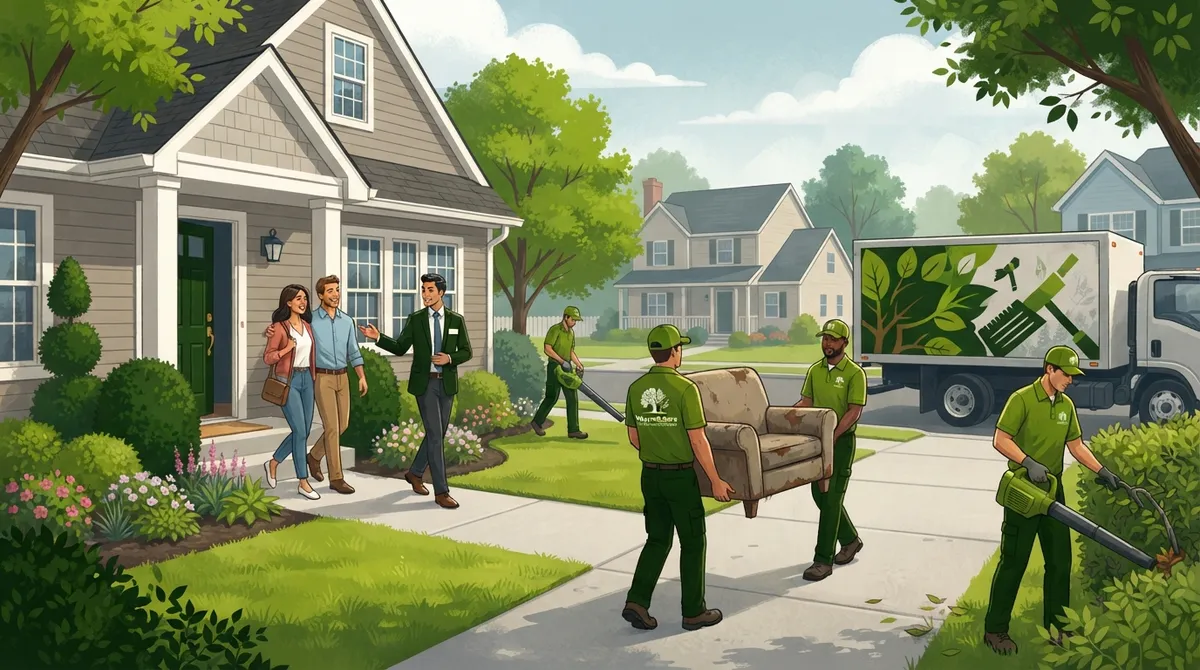
A foreclosure clean out is a big job with lots of moving parts. A local team that does both junk removal and yard work can handle the whole property in one visit. That saves you time, calls, and headaches.
Wayne & Sons has served Brandon and nearby areas like Riverview, Valrico, Seffner, FishHawk, Apollo Beach, Ruskin, Gibsonton, Wimauma, and Sun City Center for over 15 years. We believe in transparent pricing, prompt service, and friendly support from start to finish. You can see what neighbors say on our reviews page, or see our profile on Thumbtack. You can also visit us on Google — Wayne & Sons Landscaping & Junk Removal to read what our Brandon customers have shared.
Want to know more about who we are? Take a peek at our About page.
Ready to Clear Out a Foreclosed Property?
A foreclosure clean out does not have to feel scary. With written authority, a clear scope, good safety habits, and solid photos, the job goes smoothly. Add a crew that can handle both the junk inside and the yard outside, and you have a property ready for its next chapter.
If you have a property in Brandon or nearby that needs a fresh start, we would love to help. Contact us for a free estimate, call us at 813-452-1570, or text us at 813-452-1570. Let’s get that property cleaned up and ready to shine!
FAQs
Q: What does a foreclosure clean out include?
A: A foreclosure clean out usually includes clearing rooms, garages, and sheds, hauling furniture, appliances, and trash, and removing yard debris. Some jobs also include mowing, brush removal, and leaving the inside broom-swept. Always check the work order to confirm exactly what is covered.
Q: Can a junk removal company remove belongings left in a foreclosed home?
A: Yes, but only with written authorization from the owner, servicer, or authorized asset manager. Notice and holding-period rules vary by state and locality, so confirm those steps are done before anything gets tossed. A careful crew will always ask first.
Q: Does a foreclosure clean out include lawn mowing and yard cleanup?
A: It can, but it depends on the work order. Many lender and owner requests include mowing, weed and brush removal, and clearing fallen branches. At Wayne & Sons, we can handle both the inside junk and the outside yard work in one visit.
Q: How should contractors document a foreclosure clean out?
A: Take dated before and after photos of every room and the yard, and keep the signed work order handy. Hold on to disposal records and receipts too. This paperwork helps lenders and property managers see that the job was done right.
Q: What hazards should crews look for during a foreclosure property cleanout?
A: Watch for sharps, chemicals, spoiled food, animal waste, mold, and unstable structures. Older homes may also have asbestos or lead-containing debris. If something is outside your training, stop and bring in qualified specialists.
Our Service Area