Key Takeaways
-
Always verify legal requirements with a licensed attorney or local court before authorizing any removal, as rules for abandoned tenant belongings vary significantly by state and locality.
-
Hire a crew that handles both interior and exterior cleanup, as messy yards with dumped furniture, branches, and overgrown landscaping prevent quick re-renting even if the inside is spotless.
-
Request a detailed written estimate that specifies what is included/excluded, labor costs, disposal fees, hazard handling, and item retention procedures to avoid unexpected charges.
-
Assess the property for hazardous materials like paints, solvents, pesticides, and mold before work begins; items requiring special disposal and mold over 100 square feet may need qualified specialists.
-
Sort removable items for donation and recycling before disposal to reduce landfill waste and ask crews upfront how they handle reusable goods and recyclable materials.
-
Document the property with photos before work starts and require the crew to provide itemized records and after-photos as proof of completion and protection against liability disputes.
Few things stress a landlord or property manager like a unit left full of stuff. The tenant is gone, but the couch, mattresses, bags of clothes, and yard trash are still there. You need the space ready for the next renter, and you need it done right. That is where an eviction clean out comes in.
An eviction clean out is the removal, sorting, and lawful disposal or transfer of belongings left at a rental property after an eviction or move-out. It can also include hauling dumped items and yard debris from outside. In Brandon, Florida, and the surrounding area, many owners want one crew they can trust to handle the whole job.
In this guide, we walk through what an eviction clean out includes, the legal points to confirm first, how to handle hazards, and how to pick the right crew. We aim to keep things simple and friendly, because this job is hard enough already.
What Is an Eviction Clean Out?
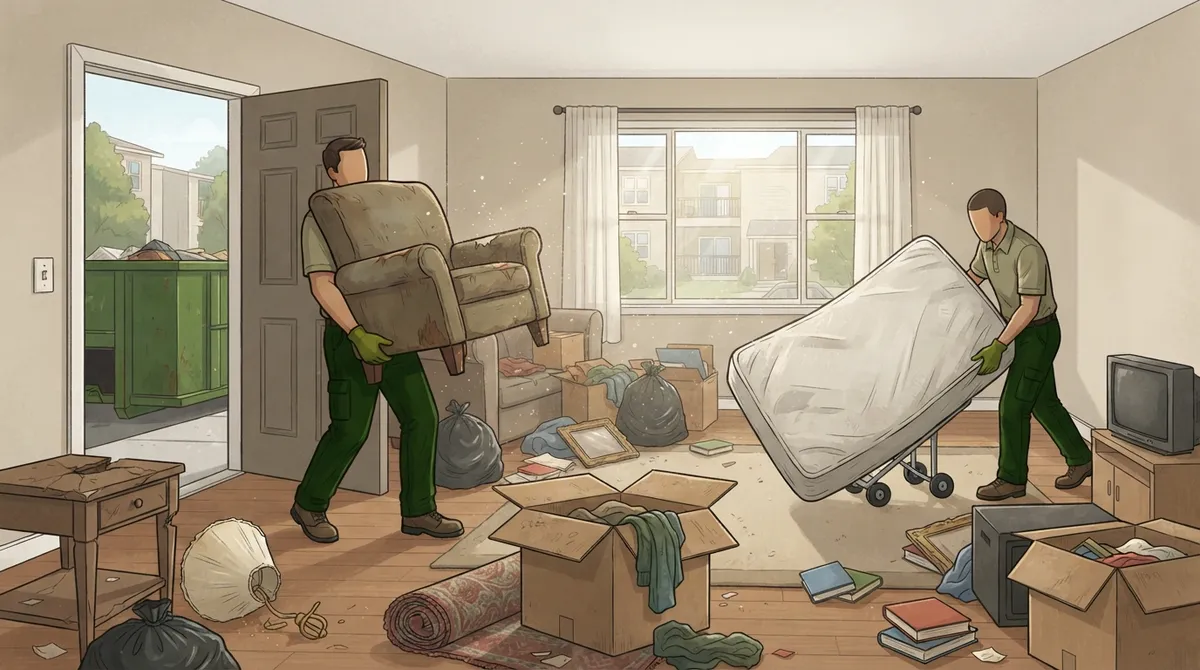
An eviction clean out clears a rental unit of everything the previous tenant left behind. Think furniture, mattresses, appliances, boxes, bagged household goods, and outdoor clutter. The goal is a swept, empty property that is ready for its next use.
A junk removal crew provides the labor, hauling, and disposal. The crew does not decide when a landlord may legally discard a tenant’s property. That choice belongs to the property owner, who should follow local rules and any court orders.
Here is what a typical eviction clean out may include:
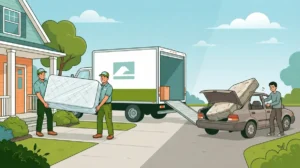
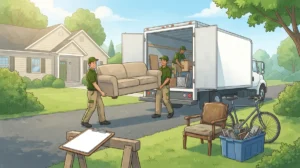
- Furniture and mattresses left in rooms or on porches
- Appliances such as old refrigerators, washers, and stoves
- Bagged trash and household goods
- Boxes, clothing, and general clutter
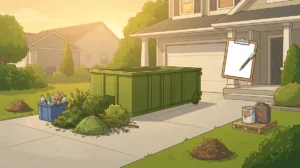
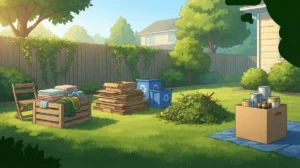
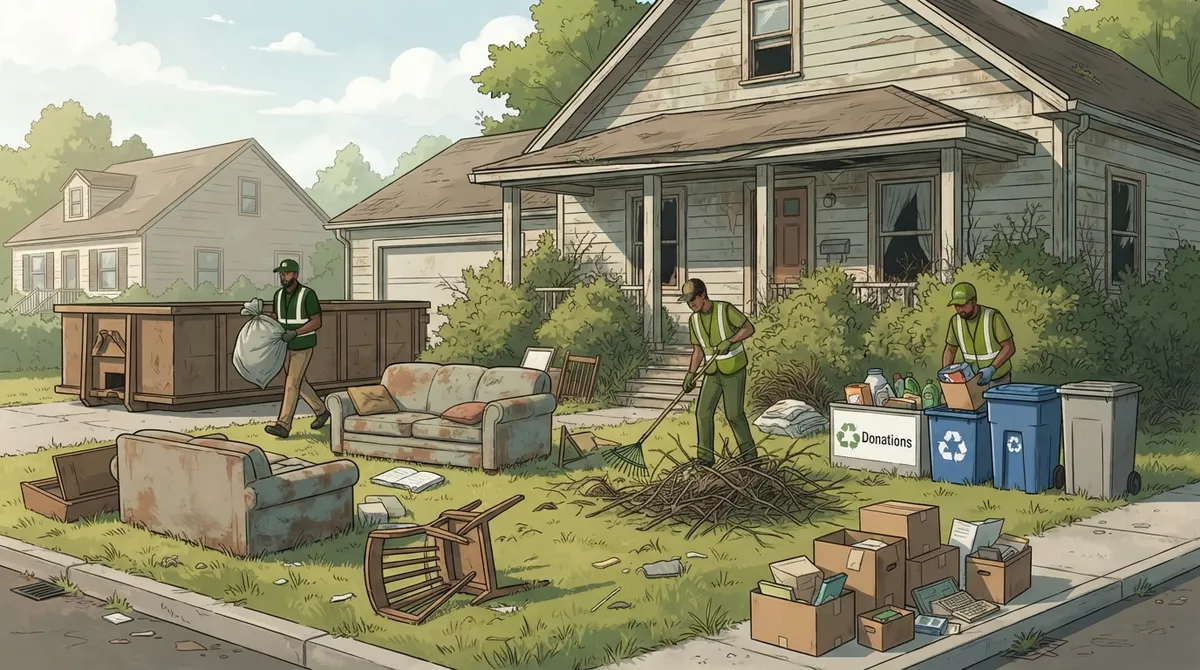
- Yard debris, dumped items, branches, and other green waste
- A final sweep so the unit is ready to show

Check the Legal Side First
This is the most important step, so we put it near the top. Rules for abandoned or evicted tenants’ belongings vary by state and locality. Landlords should confirm required notices, storage periods, access for retrieval, and disposal steps before they authorize any work.
A good contractor will ask for clear authorization before starting. A good contractor also will not guess that items are legally abandoned. If you are unsure what the law requires, talk with a licensed Florida attorney or your local court office before the crew arrives. We are a junk removal and landscaping company, not a law firm, so we leave legal calls to the pros.
Questions to Answer Before You Book
- Do you have the legal right to enter the property and remove items?
- Have all required notices been given and all waiting periods finished?
- Are there items that must be stored or set aside for the tenant?
- Do you have written approval ready to give the crew?
- Have you taken your own photos of the property’s condition?
Getting these answers first protects you, your tenant, and the crew. It also keeps the job moving smoothly once the truck pulls up.
How an Eviction Clean Out Works, Step by Step
A well-run job follows a clear workflow. Knowing the steps helps you spot a careful crew and set the right expectations. Here is a simple version:
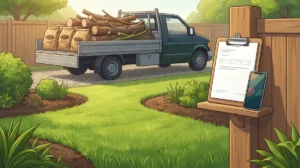
- Confirm authorization and scope. The owner or manager approves the work in writing and explains what stays and what goes.
- Document the property. The crew takes photos of the condition before work begins.
- Set aside items to keep. Papers, valuables, and anything the owner flags are separated first.
- Sort reusable and recyclable goods. Items in good shape may be donated, and metal and other materials may be recycled where possible.
- Remove approved debris. The crew hauls out furniture, appliances, trash, and outdoor clutter.
- Sweep and finish. The site is left swept and ready for its next use.
Photos and an itemized work record are very helpful. They show what was done and when, which gives landlords peace of mind.
Where Landscaping and Junk Removal Meet
Here is something many owners forget. The mess is not always inside. Tenants often leave dumped furniture in the yard, piles of branches, broken fencing, and overgrown shrubs. A unit with a messy yard will not rent quickly, even if the inside is spotless.
That is why a company that offers both services is so handy. Wayne & Sons Landscaping & Junk Removal has served Brandon and nearby communities for over 15 years. One crew can clear the interior and then handle the outside. That may include junk removal in Brandon, hauling green waste, and cleaning up overgrown beds.
After the clear-out, many owners want curb appeal restored. Our landscaping services can trim back shrubs, shape hedges, and tidy up palms so the home looks welcoming to the next resident. If branches or limbs are down, we also offer down tree removal in Brandon.
Handle Hazards the Safe Way
Left-behind belongings can hide surprises. Before work begins, a careful crew assesses the space for risks. Workers may run into mold, dust, sharp objects, pests, bodily fluids, or unknown chemicals.
Household Hazardous Waste
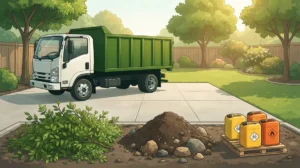
Many homes contain items that should never go in a normal trash load. The U.S. EPA lists paints, solvents, household cleaners, drain openers, pesticides, motor oil, and car batteries as examples of household hazardous waste. The EPA advises against pouring these materials down drains, onto the ground, or into storm sewers.
Local and state collection rules vary, so check the options in your area. If you spot these items, tell your crew up front so they can plan the right handling.
Mold and Other Hazards
Mold needs extra care. OSHA’s mold cleanup guidance separates areas smaller and larger than 100 square feet when it discusses minimum respirator recommendations. Larger areas, heavy mold, or lots of dust call for stronger precautions and may need a specialist.
A responsible crew uses proper training and protective gear. If conditions go beyond what the crew can safely handle, they should stop and refer the work to a qualified specialist. That is not a failure. That is good judgment.
What Should a Written Estimate Cover?
A clear estimate keeps surprises away. Before you approve anything, make sure it spells out the details. Pricing depends on the location and the job, so be wary of anyone who claims one universal rate.
| Estimate Item | Why It Matters |
|---|---|
| What is included and excluded | Prevents confusion about the scope of work |
| Labor and hauling charges | Shows how the crew’s time is billed |
| Disposal or facility fees | Clarifies costs that may come from drop-off sites |
| Access and scheduling | Confirms keys, gate codes, and arrival windows |
| Handling of items to retain | Protects papers, valuables, or flagged belongings |
| Hazardous or heavy materials | Sets the plan for items that need special care |
At Wayne & Sons, we believe in transparent pricing with detailed upfront estimates and no surprises. You should always know what you are getting before the work begins.
What Happens to the Stuff?
Many owners worry that everything just ends up in a landfill. A good crew sorts items first. Usable furniture and appliances may be set aside for donation or reuse where appropriate. Metal, cardboard, and other materials may be recycled. What is left goes to an approved disposal site.
This is another reason sorting matters. It helps the environment, and it can reduce what goes to disposal. Ask any company you hire how they handle reusable and recyclable goods.
Who Needs Eviction Clean Out Help?
This service helps many kinds of owners and managers. Here are a few common situations:
- Property managers who need units turned around fast so they can be shown and re-rented
- Landlords with one or two rentals who do not have the time or truck to haul everything away
- Real estate agents preparing a former rental for sale who need clutter gone and a tidy yard
- Small business owners who rent out commercial space and need it cleared out
If you are working on a larger project, our furniture removal in Brandon and junk hauling in Brandon services can lighten the load. If walls or fixtures need to come out too, ask about demolition cleanup in Brandon.
Tips for a Smooth Eviction Clean Out
A little prep goes a long way. Here are some simple tips to keep your project on track:
- Get your paperwork and legal approvals in order before you call
- Take your own photos of every room and the yard
- Tell the crew about any hazardous items, pests, or mold you know about
- Mark anything that must be kept or set aside
- Ask for a written estimate and read it closely
- Plan access ahead of time, including keys and gate codes
- Schedule yard work right after the clear-out so the whole property looks ready
Brandon is a busy, growing community, and good rentals move quickly. You can learn more about the area on the Brandon, Florida page. Getting a unit ready fast helps you avoid long gaps between tenants.
How to Choose the Right Crew
Not every hauler is a good fit for this kind of work. Look for a local company with real experience, clear pricing, and honest communication. Read reviews, ask about licensing, and make sure they will wait for your written go-ahead.
You can see what neighbors say on our reviews page, browse our project gallery, or see what customers say about Wayne & Sons on Thumbtack. You can also read Wayne & Sons Landscaping & Junk Removal reviews on Google. Seeing real work from real neighbors helps you feel confident.
Want to learn more about who we are? Visit our About page to meet the team. We have served Apollo Beach, Brandon, FishHawk, Gibsonton, Riverview, Ruskin, Seffner, Sun City Center, Valrico, and Wimauma, and we treat every property like our own.
Ready for a Fresh Start?
An eviction clean out does not have to be a headache. With the right legal steps, a careful crew, and a clear estimate, you can turn a cluttered unit into a clean, ready-to-rent property. Add a tidy yard, and the whole place feels brand new.
Wayne & Sons Landscaping & Junk Removal is here to make it effortless. Our crew brings over 15 years of experience, transparent pricing, and friendly service that is backed by our satisfaction promise. Contact us for a free estimate, or call us at 813-452-1570 to talk through your project. You can also text us at 813-452-1570 if that is easier. We would love to help you get your property back on the market.
FAQs
Q: What is an eviction clean out?
A: An eviction clean out is the removal, sorting, and lawful disposal or transfer of belongings left at a rental property after an eviction or move-out. It can include furniture, appliances, bagged goods, and yard debris. The goal is a swept, empty property that is ready for its next use.
Q: Can a landlord throw away a tenant’s belongings after an eviction?
A: It depends on your state and local rules, so always check first. Florida landlords should confirm required notices, storage periods, and retrieval access before authorizing any removal. When in doubt, a licensed Florida attorney can point you in the right direction.
Q: What does an eviction clean out service include?
A: A typical job covers documenting the property, setting aside items to keep, sorting reusable and recyclable goods, hauling away approved debris, and sweeping up. Many jobs also include yard debris and dumped items outside. Your written estimate should spell out exactly what is included and excluded.
Q: How should hazardous waste or mold be handled during a clean out?
A: Tell your crew about paints, solvents, cleaners, pesticides, motor oil, or batteries up front so they can plan safe handling. These items need local collection or disposal, not the regular trash. If mold or other hazards go beyond what the crew can safely handle, the work should be referred to a qualified specialist.
Q: What happens to usable furniture and appliances removed during a clean out?
A: A careful crew sorts items first, so usable pieces may be set aside for donation or reuse where appropriate. Metal and other materials may be recycled, and the rest goes to an approved disposal site. Ask your crew how they handle sorting before you book.
Our Service Area