Key Takeaways
-
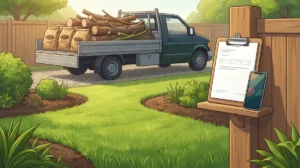
Check with your local building department and HOA before demolition, since permit requirements vary by shed size, foundation type, and utility connections, with fees ranging roughly $50 to $450.
-
Have a licensed electrician disconnect power and identify water or gas lines before any work begins, as this step protects both your crew and your home.
-
Older sheds may contain lead paint or asbestos; do not cut, grind, or break suspected materials, and get a qualified assessment first.
-
Hire a pro for large, old, rotted, or cluttered sheds, since DIY removal demands heavy physical effort and hazard handling; DIY works best only for small, newer, easily reached sheds.
-
Empty the shed, check for wasps, rodents, and snakes, and clear vehicles and furniture from the path to speed up the job and lower costs.
-
Decide early whether to keep, remove, or re-grade the concrete foundation, since foundation removal is usually a separate charge and should be confirmed in a written quote.
That old shed in the back corner of your yard probably started out as a great idea. Maybe it held your lawn tools, holiday boxes, or a few weekend projects. Now the door sticks, the roof leaks, and the whole thing leans a little more each year. Sound familiar? You are not alone, and the good news is that shed demolition and removal is a lot more manageable than most people think.
Whether you are a busy homeowner, a landlord with a tired rental yard, a real estate agent prepping a listing, or a senior simplifying life, this guide walks you through the whole process in plain English. We cover permits, safety, hidden hazards, disposal, and how to decide between DIY and hiring a pro. Along the way, we will share what we have learned from more than 15 years of serving Brandon, Florida, and the surrounding communities. Grab a cold drink, and let’s get that yard back in shape.
What Does Shed Demolition and Removal Actually Include?
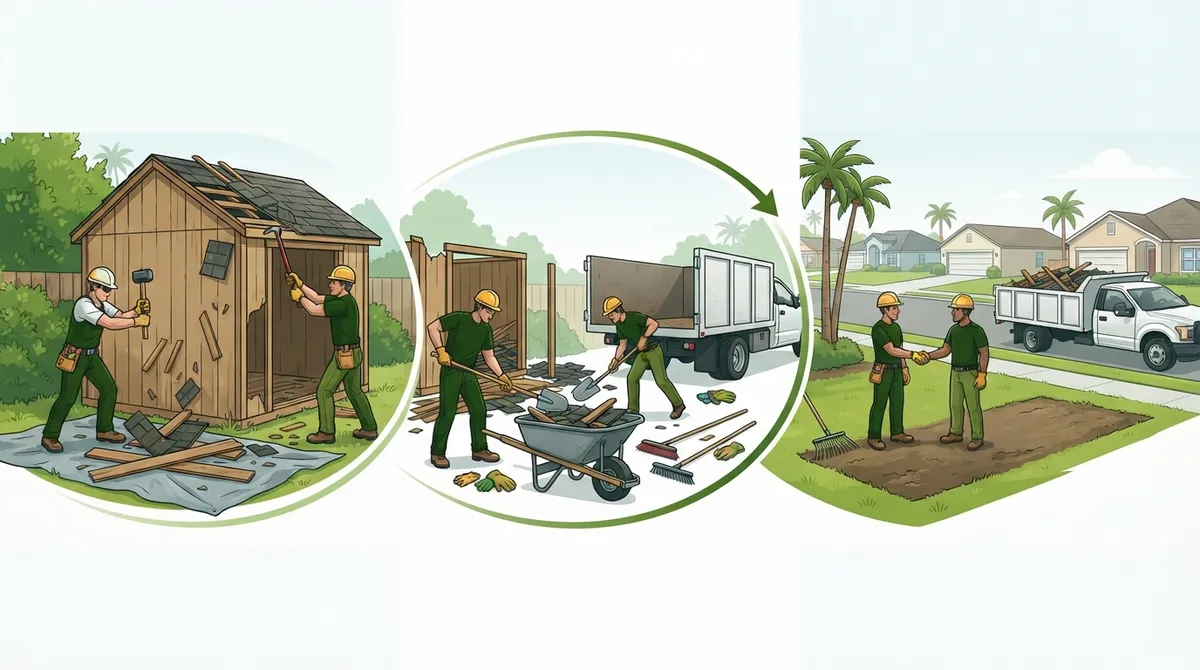
Shed demolition and removal is a small-structure teardown service paired with debris hauling. It is not just knocking down walls. A complete job usually covers these steps:
- Site check: Look at the shed, the access path, nearby fences, trees, and utility lines.
- Clearing out contents: Remove tools, boxes, and old items so the structure is safe to take apart.
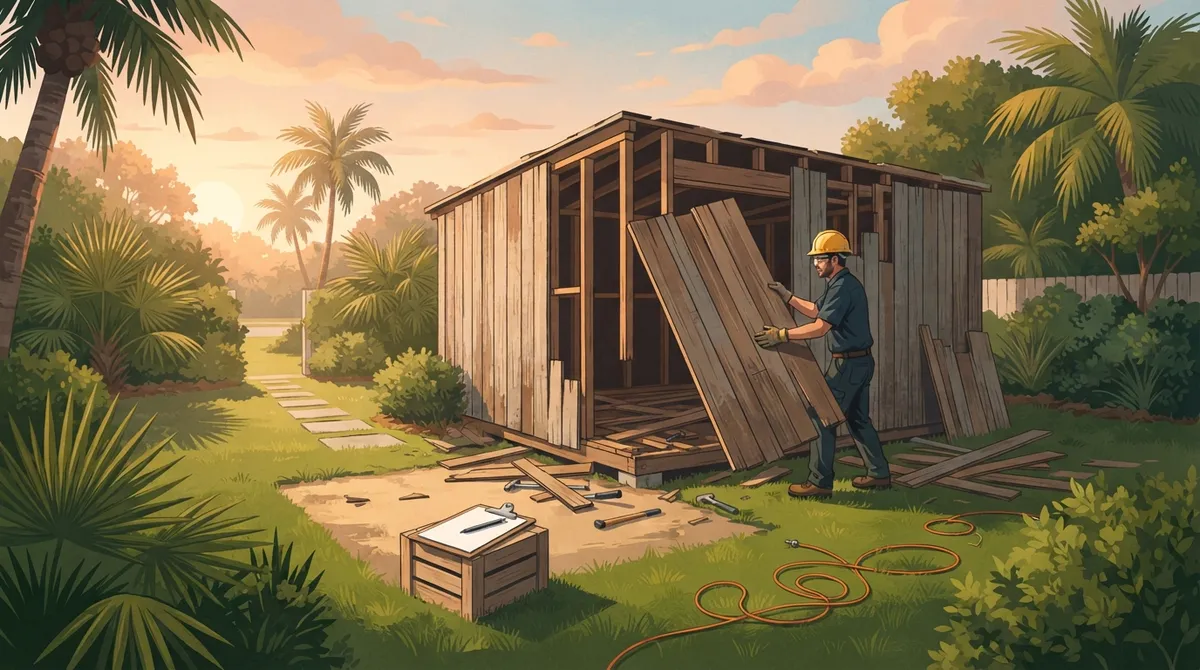
- Dismantling or demolishing: Take the shed down piece by piece or in controlled sections.
- Loading and hauling: Carry all debris away to the right disposal or recycling facility.
- Final cleanup: Leave the area clear, raked, and ready for its next use.
Some extras, such as foundation removal, grading, and utility disconnection, are often separate services. That is why a clear, written quote matters so much. We will get to that in a moment.
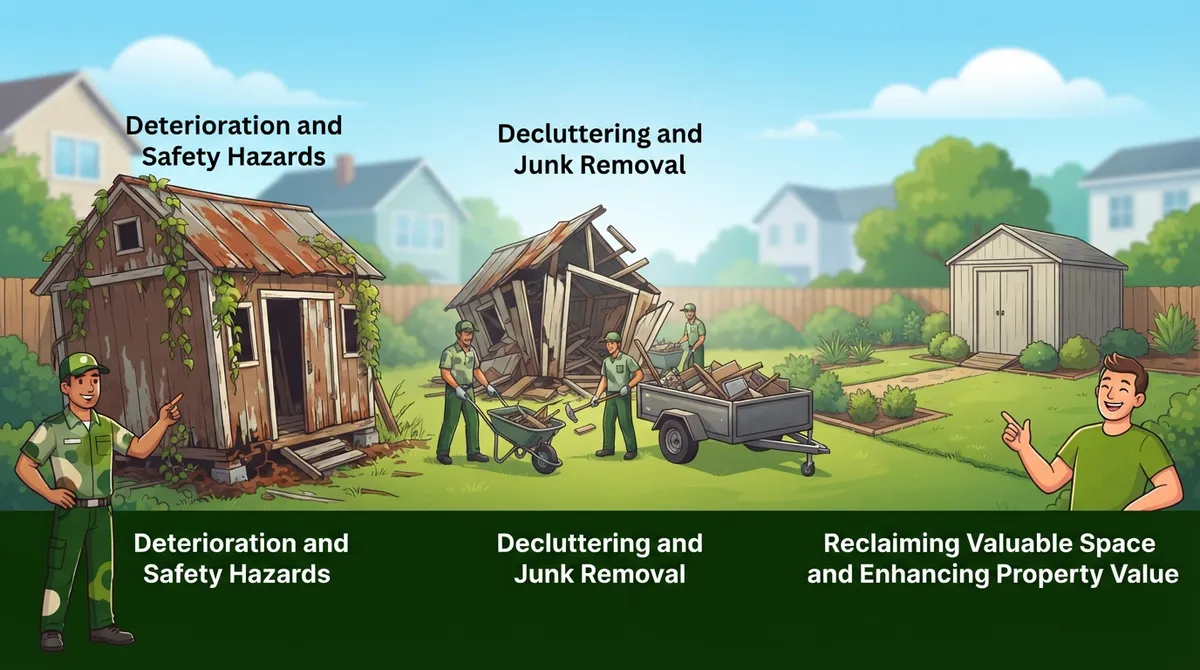
Why Homeowners and Property Pros Remove Sheds
People take down sheds for many good reasons. Here are the most common ones we see around Brandon, Valrico, Riverview, and Seffner:
- Safety: Rotted floors, loose roofing, and pest nests can turn a shed into a hazard.
- Curb appeal: A weathered shed can drag down an otherwise beautiful yard. Real estate agents often flag this before listing photos.
- New projects: Pools, patios, gardens, and additions all need open space.
- Storm damage: Florida weather can leave sheds twisted, torn, or partly collapsed.
- Rental turnover: Property managers often need a quick cleanup to meet standards.
- Downsizing: Seniors and families clearing an estate often want the yard simplified too.
If your yard is already dealing with storm leftovers, our storm debris removal in Brandon service can handle fallen limbs and wreckage alongside the shed.
Do You Need a Permit to Demolish a Shed?
This is one of the most common questions we hear, and the honest answer is: it depends. Permit rules are local. They can change based on shed size, location, foundation type, and whether the shed has electricity or other utilities.
Some places exempt small accessory structures. Others require a demolition permit even for a modest backyard shed. Online estimates put permit fees anywhere from about $50 to $450, which shows how much the cost varies by area. The safest move is to call your local building department before any work begins.
If you live in an HOA community, it is also smart to check your rules. Some associations want notice before a structure comes down or goes up.
Safety First: Utilities and Hidden Hazards
Disconnect the Utilities
Before any tool touches your shed, make sure the power is off. If the shed has electricity, have a qualified electrician disconnect it. Also identify any water, gas, or other service lines running to or near the building. Never guess on this step. It protects you, your crew, and your home.
Watch for Asbestos and Lead Paint
Older sheds can hide materials that are unsafe to disturb. The U.S. EPA notes that many homes built before 1978 may contain lead-based paint, and the same logic can apply to older outbuildings. The EPA also advises that suspected asbestos-containing materials should not be cut, ground, or broken.
Here are a few warning signs that an older shed needs extra care:
- Peeling or chalky paint on very old siding or trim
- Old corrugated panels, roofing sheets, or flooring tiles of unknown material
- A shed that has been on the property for many decades
If you suspect either hazard, stop and get a qualified assessment before moving forward. Safe handling and disposal rules can be very different for these materials.
Control Dust and Protect People
Good demolition practice includes dust control, proper protective gear, and a clear work zone. Keep kids and pets away. Also skip the idea of burning the shed. Open burning can be unsafe and may be illegal in your area.
DIY vs. Hiring a Pro: What Is the Better Call?
Plenty of handy folks can take apart a small, simple shed. But the work is heavier, dustier, and more time-consuming than it looks. Here is a quick comparison to help you decide:
| Factor | DIY Removal | Professional Removal |
|---|---|---|
| Time | Often a full weekend or more | Usually completed in a short visit |
| Tools Needed | Pry bars, saws, safety gear, truck or trailer | Crew brings everything |
| Hauling | You arrange trips or a dumpster | Included in the job |
| Hazard Handling | You must spot and manage risks | Crew follows safe practices and flags concerns |
| Physical Effort | High | Minimal for you |
| Cleanup | Up to you | Site left clear |
If your shed is small, newer, and easy to reach, DIY can work. If it is large, old, rotted, leaning, or packed with stuff, hiring help is usually the smarter and safer path. For a deeper look at this choice, check out our post on DIY vs. pro shed demolition and our shed removal comparison for Brandon.
How to Prepare Your Shed for Demolition
A little prep makes the whole job go faster and cost less. Follow these steps:
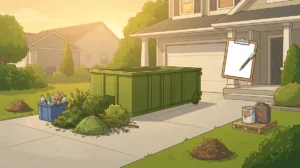
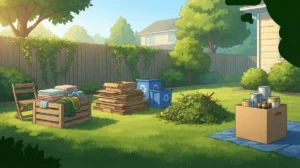
- Empty the shed. Remove tools, chemicals, paint cans, fuel, and storage boxes. Sort what you want to keep, donate, or toss.
- Check for wildlife. Wasps, rodents, and snakes love old sheds. Take care before opening doors wide.
- Confirm utilities are off. Have power disconnected by a licensed pro if needed.
- Clear the path. Move vehicles, patio furniture, and planters so the crew can reach the shed.
- Mark what stays. Point out plants, irrigation heads, or fences you want protected.
- Confirm permit needs. Make that call to the building department and note any HOA rules.
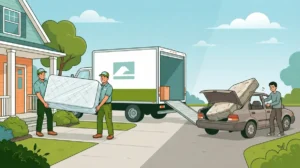
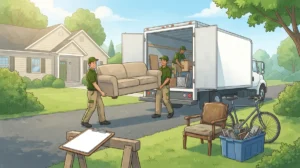
If the shed is full of old furniture, appliances, or clutter, our junk removal in Brandon and furniture removal in Brandon services can clear it all in the same visit.
What Happens to the Foundation?
Many sheds sit on a concrete slab, concrete blocks, or a gravel pad. Taking down the walls and roof is only part of the story. You will need to decide what to do with the base.
- Leave it: A slab can become a small patio, grill pad, or garden platform.
- Remove it: Breaking up and hauling concrete costs extra and takes more effort.
- Re-grade the area: If you plan to plant grass or add a garden, the soil may need leveling.
Foundation removal is usually a separate line item from the shed teardown. Ask about it up front so there are no surprises. Once the ground is clear, our landscaping services can help you turn that bare spot into something beautiful, with fresh sod, new planting beds, or a hardscape feature.
Recycling and Disposal: Where Does It All Go?
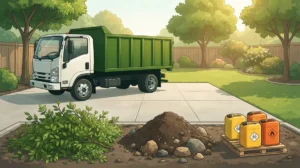
Where your shed debris ends up matters. Disposal rules vary by state, city, and facility. In general, demolition debris should go to an authorized recycling facility, a construction-and-demolition landfill, or a proper hazardous waste site when needed. It should never be buried or dumped on the property.
Many materials can be sorted for reuse or recycling:
- Clean, untreated wood: May have recovery options.
- Metal roofing and fasteners: Often accepted for scrap recycling.
- Concrete and masonry: Sometimes crushed and reused.
Painted, treated, contaminated, or mixed debris can have different rules. A professional crew knows which facilities take what, which saves you time and avoids fines.
What Does Shed Demolition and Removal Cost?
Cost is usually the first thing people ask about. One 2026 online cost guide reports a wide professional range of about $200 to $2,000 for shed demolition and hauling, with a cited national average near $650. It also estimates DIY removal at roughly $170 to $500 and a 10-yard dumpster rental at about $300 to $500. These are secondary-source estimates, not fixed prices, so treat them as a rough guide only.
Here are the main factors that change the final cost:
| Cost Factor | Why It Matters |
|---|---|
| Shed size and material | Bigger or heavier sheds mean more labor and more debris |
| Access to the shed | Tight gates or long carry distances take more time |
| Foundation type | Slabs and piers add work and disposal weight |
| Contents inside | Extra junk adds hauling volume |
| Hazardous materials | Asbestos or lead paint may require specialists |
| Permits and fees | Rules and costs differ by local jurisdiction |
The best way to get a true number is a written estimate based on your actual shed. At Wayne & Sons Landscaping & Junk Removal, we believe in transparent, upfront quotes with no surprises, and our pricing is very affordable for the quality you receive.
What to Ask Before You Hire Anyone
A good quote should be clear about what is and is not included. Before you say yes, ask these questions:
- Does the price include hauling and disposal fees?
- Who handles permits, if one is needed?
- Is utility disconnection included or separate?
- Is foundation removal part of the job?
- How are hazardous materials handled if they turn up?
- Will the site be raked and cleaned afterward?
- Is the company licensed and experienced?
You can also check what neighbors say by reading our customer reviews or our listing on Thumbtack. Seeing real feedback is one of the easiest ways to feel confident in your choice.
Tips for Different Property Needs
For Busy Homeowners and Seniors
You should not have to haul splintered boards in the Florida heat. Hiring a crew means you can stay inside, stay safe, and simply approve the result. It is also a great step when downsizing or preparing a home for a move.
For Real Estate Agents and Property Managers
A damaged or cluttered shed can hurt first impressions and tenant satisfaction. A quick teardown and cleanup can boost curb appeal and help properties meet standards. Pair it with shrub care or hedge trimming for a polished finish.
For Contractors and Renovators
Job sites move fast. Having one crew handle teardown, hauling, and cleanup keeps your schedule on track. Our demolition cleanup in Brandon service is built for exactly that kind of work.
Why Choose Wayne & Sons for Your Shed Removal?
Brandon is a growing community, and you can learn more about the area on the Brandon, Florida page. For more than 15 years, Wayne & Sons Landscaping & Junk Removal has helped neighbors across Brandon, Valrico, Riverview, Apollo Beach, FishHawk, Gibsonton, Ruskin, Seffner, Sun City Center, and Wimauma. We bring together teardown, junk hauling, and landscaping so you do not have to juggle several companies.
Here is what you can expect from us:
- Effortless convenience: Prompt, hassle-free service from start to finish.
- Transparent pricing: Detailed upfront estimates with no surprises.
- Exceptional customer service: Satisfaction guaranteed.
Want to see what we have done for others? Take a peek at our project gallery, or visit us on Google — Wayne & Sons Landscaping & Junk Removal to read what our neighbors say.
Ready to Reclaim Your Yard?
Taking down an old shed does not have to be a headache. With the right plan, a quick permit check, safe handling, and the right crew, your yard can go from cluttered to clean in no time. Then you can enjoy that open space for whatever comes next, whether it is a garden, a patio, or just a bigger lawn for the kids and pups to run around.
Ready for a stress-free teardown? Contact us for a free, upfront estimate, call us at (813) 452-1570, or text us at 813-452-1570. We would love to help you get your yard looking its best in 2026.
FAQs
Q: Do I need a permit to demolish and remove a shed?
A: It depends on where you live. Some areas exempt small sheds, while others require a demolition permit based on size, foundation, or utility connections. A quick call to your local building department (and a check of your HOA rules) will give you a clear answer before you start.
Q: How much does shed demolition and removal cost?
A: Costs vary based on shed size, materials, access, foundation, and disposal fees. Online guides show a wide range, so the best way to know for sure is a written estimate for your actual shed. Wayne & Sons offers transparent, upfront quotes with no surprises.
Q: How can I tell if an old shed contains asbestos or lead paint?
A: You usually cannot tell by looking, especially with older sheds. If your shed is very old or has unusual panels, flooring, or flaking paint, stop and get a qualified assessment before disturbing anything. Safety comes first, and special disposal rules may apply.
Q: Can shed materials be recycled or reused?
A: Yes, often! Clean, untreated wood, metal roofing, and some concrete or masonry may have recovery options. Painted, treated, or mixed debris can have different rules, so a pro who knows local facilities can save you time and hassle.
Q: What happens to the concrete foundation after the shed is gone?
A: You have a few options. You can leave the slab to use as a patio or grill pad, have it broken up and hauled away, or re-grade the area for grass or a garden. Foundation removal is usually priced separately, so ask about it when you request your quote.
Our Service Area