Key Takeaways
-
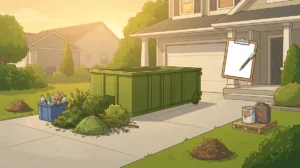
Separate organic yard waste from trash and treated materials before pickup; clean, sorted piles increase chances of composting over landfill disposal and move faster through waste programs.
-
Storm debris requires special handling with quicker turnaround and more manpower than routine yard work; check for safety hazards, photograph damage for insurance, and call professionals experienced in storm cleanup.
-
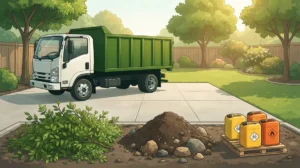
Hazardous materials like pesticides, fuels, and solvents must never mix with regular yard debris and require separate disposal through household hazardous-waste programs, not standard junk removal services.
-
Professional debris removal services handle disposal logistics and know local facility rules, saving time and safety risks compared to DIY hauling, which often requires multiple hours and personal research on where materials go.
Pile of branches taking over your yard? Storm left a mess you can’t handle alone? You’re not alone. Every week, homeowners across Brandon, Florida wonder what to do with leaves, limbs, old fencing, and yard clutter that just keeps piling up. Debris removing doesn’t have to be a headache. With the right plan (and the right team), you can clear your property fast and feel good about where the waste actually goes.
This guide walks you through everything you need to know about debris removing for your yard or job site. We’ll cover what counts as debris, how to sort it, what’s safe to toss versus what needs special handling, and how local rules affect your options. Whether you’re a busy homeowner, a property manager juggling multiple units, or a contractor wrapping up a big project, this article has answers you can use today.
What Counts as Debris Removing in Landscaping and Junk Removal
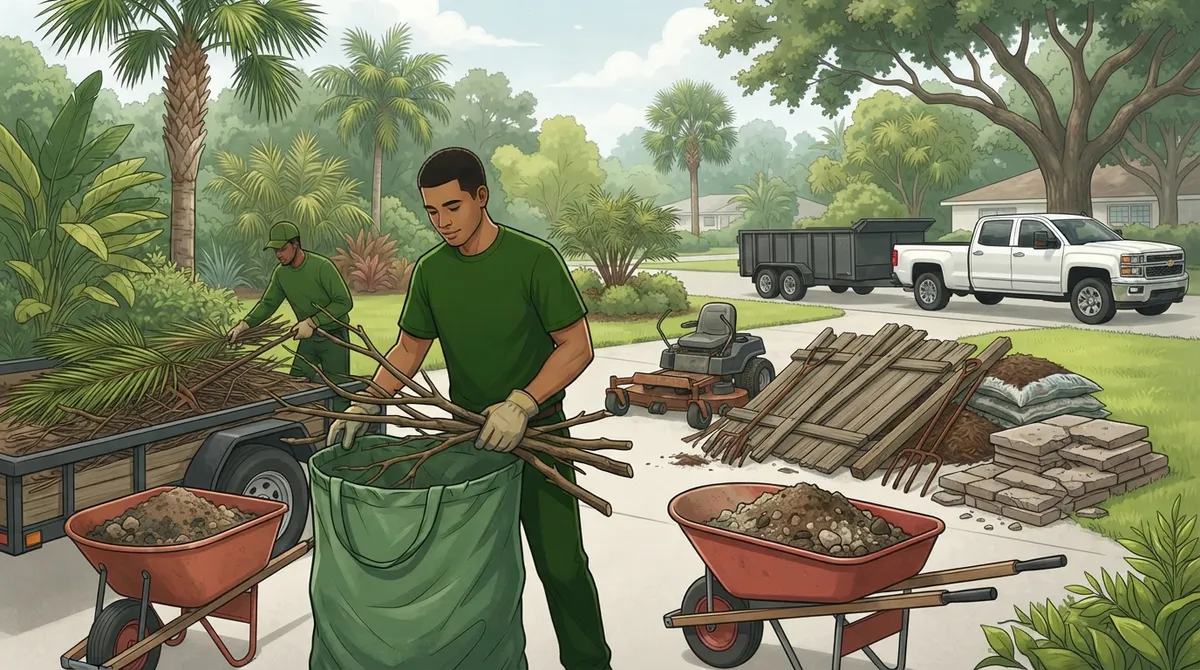
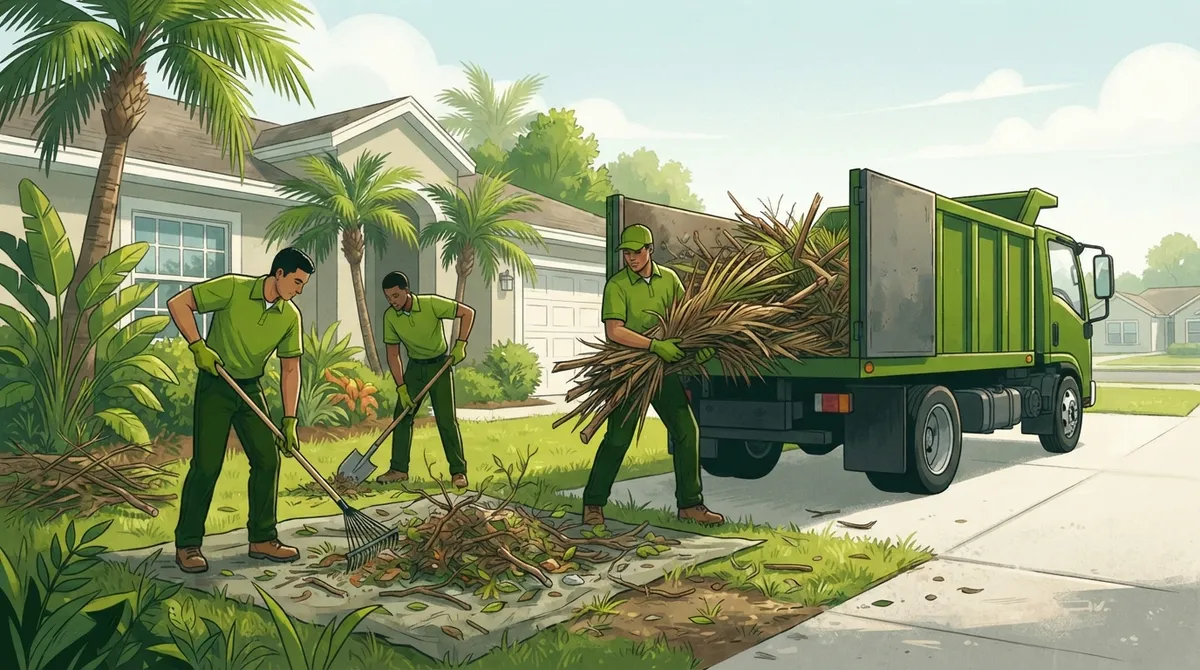
Debris removing covers a lot more than just raking leaves. In the landscaping and junk removal world, it means collecting, loading, hauling, and properly disposing of yard waste and other unwanted outdoor items.
Here’s what typically falls under debris removing:
- Leaves, grass clippings, and small yard trimmings
- Branches, brush, and fallen limbs
- Storm debris after high winds or heavy rain
- Old fencing, outdoor furniture, and bulky yard items
- Construction leftovers like scrap wood and drywall pieces
Not every provider handles every type of debris. Some jobs need special tools or extra care. For example, down tree removal often requires heavier equipment than a simple brush pickup. Always check what a company accepts before you book a job, so there are no surprises on pickup day.
What’s Usually Excluded or Needs Special Handling
Some materials look like yard waste but actually need separate treatment. Soil, rocks, concrete, and tree stumps often require different equipment and pricing. Oversized limbs from a fallen tree might also need special gear to move safely.
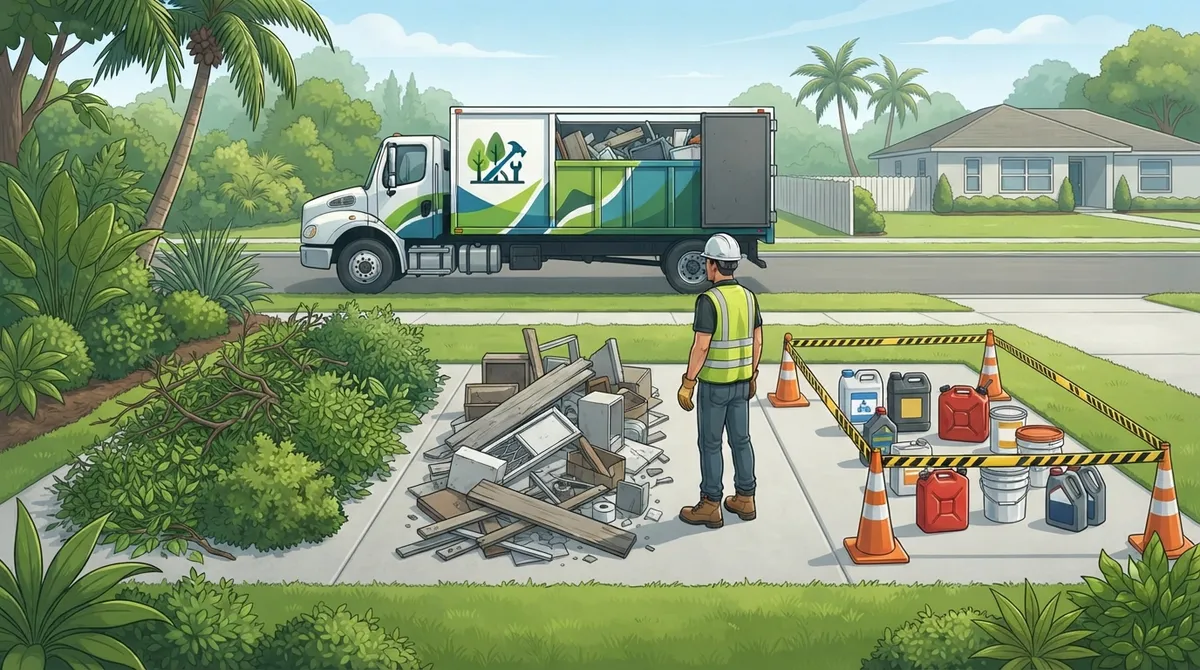
Hazardous items are a whole different story. Pesticides, herbicides, fuels, and solvents should never get mixed into regular yard debris. These chemicals need careful handling through your local household hazardous-waste program. A general junk removal crew usually can’t accept these items, so it’s smart to ask first.
| Material Type | Typically Accepted | Needs Special Handling |
|---|---|---|
| Leaves and grass clippings | Yes | No |
| Branches and brush | Yes | Sometimes for large limbs |
| Storm debris | Yes | Often, depending on size |
| Soil, rocks, concrete | Sometimes | Yes, usually extra cost |
| Tree stumps | Sometimes | Yes, needs equipment |
| Pesticides, fuels, chemicals | No | Yes, hazardous waste program |
How to Prepare Your Yard for Debris Pickup
Getting ready for a pickup doesn’t need to be complicated. A little prep work goes a long way toward a smooth, fast job.
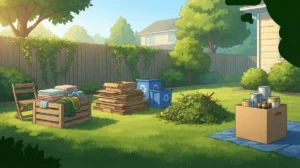
- Separate organic yard waste from trash and treated materials.
- Stack branches neatly, cut to manageable lengths if possible.
- Bag loose leaves and grass clippings when required by local rules.
- Move bulky items like old furniture to an accessible spot near the driveway.
- Keep hazardous chemicals, paint cans, and fuel containers completely separate.
This sorting step matters more than most people realize. Yard-waste programs and composting facilities often reject loads that include plastic, painted wood, or mixed trash. Clean, separated piles move faster through disposal and give your yard waste a better shot at composting instead of a landfill.
Why Sorting and Composting Matter
Here’s something worth knowing: according to the EPA’s most recent national data, yard trimmings made up 35.4 million tons of municipal solid waste in 2018, or about 12.1% of everything thrown away. The good news? About 22.3 million tons of that waste got composted or mulched instead of dumped in a landfill. That’s a 63% recovery rate.
When you separate clean, green material from trash, you help boost that number even more. Leaves and clippings often become new mulch. Chipped branches turn into ground cover for garden beds. It’s a simple way to reduce waste while giving your yard something useful back. If you want to see how proper trimming feeds into this cycle, check out this piece on why professional tree trimming services are worth it.
Local Rules That Affect Your Debris Removing Plan
Every city and county has its own rules for yard waste. Some allow curbside pickup on set days. Others require special bags or bins. A few even restrict burning debris altogether.
Before you haul anything to the curb, it helps to check your local guidelines. Rules can cover:
- Collection schedules and accepted materials
- Bag or bundle size limits
- Drop-off locations for larger loads
- Whether burning yard debris is allowed
Since Brandon, Florida sits in a region prone to storms and heavy rain, local debris rules can shift quickly after severe weather. That’s one more reason it helps to work with a company that already knows the ropes. Wayne & Sons Landscaping & Junk Removal has spent over 15 years learning exactly what Brandon-area rules require, so you don’t have to guess.
Storm Debris: A Special Kind of Mess
Storms bring their own headaches. Downed branches, torn-up shrubs, and scattered debris can pile up fast after a bad system rolls through Tampa Bay. Storm cleanup often needs quicker turnaround and more manpower than routine yard work.
If you’re staring at a yard full of storm damage, here’s what to do first:
- Check for safety hazards like broken branches hanging in trees.
- Avoid touching downed power lines or damaged structures.
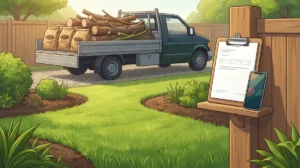
- Photograph the damage for insurance purposes before cleanup starts.
- Call a professional crew experienced in storm debris removal.
- Clear pathways first, then tackle larger piles.
For homeowners dealing with storm aftermath, our guide on storm debris removal in Brandon walks through the full process step by step. Property managers juggling multiple rental units should also check out tips on smart steps for storm debris removal to keep tenants safe and happy.
Debris Removing for Different Property Needs
For Homeowners and Busy Families
Life gets busy. Nobody wants to spend a Saturday hauling branches to the dump. A professional debris removing service saves time and keeps your yard looking sharp without the sweat equity.
For Real Estate Agents Prepping a Listing
Curb appeal sells homes. Overgrown shrubs, dead branches, and yard clutter can turn buyers away before they even step inside. Quick debris removal paired with hedge trimming and shrub care makes a listing photo-ready fast. Learn more about boosting appeal in our post on curb appeal landscaping tips.
For Contractors and Builders
Job sites generate plenty of leftover material. Scrap wood, packaging, and construction debris need to clear out before a project wraps. A dependable demolition cleanup partner keeps your site professional and ready for final walkthroughs.
For Seniors and Downsizing Families
Clearing out a family home or estate often means dealing with years of accumulated yard waste and clutter at once. A trustworthy crew that handles both landscaping debris and household junk makes the transition much easier.
Safety Tips for Handling Yard Debris
Branches can be sharper and heavier than they look. Lifting bulky yard waste the wrong way causes real injuries every year. Keep these safety basics in mind:
- Wear gloves and closed-toe shoes when handling branches or brush
- Never overload a vehicle or trailer beyond its weight limit
- Get help lifting heavy limbs or bulky furniture
- Avoid working near downed power lines
- Leave large tree removal to trained professionals
A standard lawn mower and basic yard tools work fine for everyday clippings. But bigger jobs, like clearing a fallen tree or a full storm cleanup, call for trained crews with the right equipment.
Why Choose a Professional Debris Removing Service
DIY hauling sounds simple until you’re stuck with a truck full of branches and no idea where to take them. Professional crews already know which facilities accept what, and they handle the heavy lifting so you don’t have to.
Wayne & Sons Landscaping & Junk Removal has served Brandon and surrounding communities like Apollo Beach, Riverview, Ruskin, and Sun City Center for more than 15 years. The team handles everything from routine yard cleanup to full storm debris hauling, all with transparent pricing and no hidden fees. Check out real feedback from neighbors on our reviews page, or visit us on Google — Wayne & Sons Landscaping & Junk Removal to see what customers are saying.
You can also browse independent reviews on Thumbtack to get a feel for how the team handles real jobs across the Tampa Bay area.
Quick Comparison: DIY vs Professional Debris Removing
| Factor | DIY Debris Removing | Professional Service |
|---|---|---|
| Time required | Several hours to a full weekend | Usually completed same day |
| Equipment needed | Truck, trailer, tools | Provided by the crew |
| Disposal knowledge | You research local rules | Crew already knows facility rules |
| Safety risk | Higher for heavy or large debris | Lower, trained handling |
| Recycling and composting | Depends on your effort | Often prioritized automatically |
Bringing It All Together
Debris removing doesn’t have to feel overwhelming. Whether you’re clearing storm damage, prepping a listing, or just tackling an overgrown yard, sorting your materials and knowing local rules makes the whole process smoother. And when the pile gets too big or the branches too heavy, calling in a professional crew saves your back and your weekend.
Ready to clear out that yard for good? Contact us today to get a straightforward quote, or call us to talk through your debris removing needs. Prefer texting? Just text us at 813-452-1570 and we’ll get you scheduled fast. Wayne & Sons Landscaping & Junk Removal is proud to serve Brandon and the greater Tampa Bay area with honest pricing and dependable service, every single time.
FAQs
Q: What does a landscaping debris removal service take?
A: Most services handle leaves, branches, brush, storm debris, and even bulky items like old fencing or outdoor furniture. Some jobs need extra equipment, like tree stumps or heavy concrete, so it’s always smart to ask what’s included before you book.
Q: How much does yard debris removal cost?
A: Costs vary based on how much debris you have and what type it is. The friendly folks at Wayne & Sons offer upfront, transparent estimates so you know exactly what to expect, no surprise fees ever.
Q: Can landscaping debris be composted or turned into mulch?
A: Absolutely, and it happens more than you might think. EPA data shows over 60% of yard trimmings nationwide get composted or mulched instead of landfilled, giving your old leaves and branches a second life in someone’s garden.
Q: Can junk removal companies take soil, rocks, concrete, or tree stumps?
A: Sometimes, but these materials often need special equipment and pricing since they’re heavier and trickier to haul. It’s best to mention these items upfront so your crew comes prepared with the right tools.
Q: What yard waste is considered hazardous or not accepted?
A: Things like pesticides, herbicides, fuel, and solvents should never mix in with regular yard debris. These need to go through a household hazardous-waste program instead, so keep them separate from your yard waste pile.
Our Service Area