Key Takeaways
-
Full-service landscaping companies handling both groundskeeping and junk removal reduce coordination headaches and provide faster emergency response times compared to hiring separate mowing contractors and debris hauling vendors.
-
HOA boards should require weekly mowing during growing season, bi-weekly to monthly hedge trimming, quarterly mulch refreshes and irrigation checks, plus documented monthly safety inspections to create a performance paper trail.
-
Landscaping contracts must clearly specify scope of work, service frequency, emergency response times, pricing structure, insurance details, and communication processes to protect the HOA and prevent disputes.
-
Switching to drought-tolerant native plants, mulched beds instead of large turf areas, and bundling services with one provider can significantly reduce landscaping costs without compromising curb appeal.
-
Local experience matters in Florida climates—contractors familiar with Tampa Bay hurricane seasons, humidity, and fast-growing plants deliver more consistent results than those from different regions.
-
HOA boards should establish written landscaping standards covering lawn height, watering restrictions, approved plant lists, and equipment storage rules to maintain property values and reduce neighbor disputes.
If you sit on an HOA board in the Brandon area, you already know landscaping can turn into a full-time headache. One week it’s a resident complaining about overgrown shrubs, the next it’s a pile of storm debris nobody claimed. Choosing the right approach to hoa landscape maintenance can mean the difference between a community that looks sharp year-round and one that’s always playing catch-up. In this guide, we’ll compare two common paths HOAs take: hiring a large landscaping crew that only mows and trims, versus partnering with a full-service company that handles both groundskeeping and junk hauling. We’ll break down what each option really covers, what it costs you in time and hassle, and how to pick the setup that keeps your community looking its best. Grab a coffee, and let’s dig in together.
What Does HOA Landscape Maintenance Actually Cover?
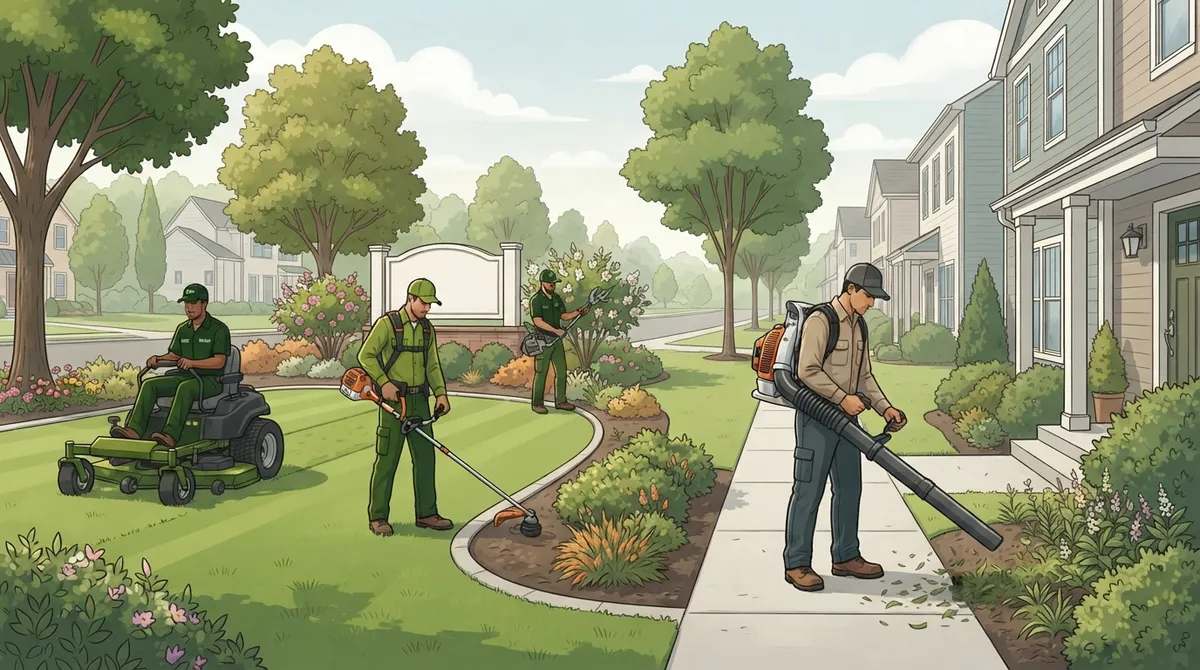
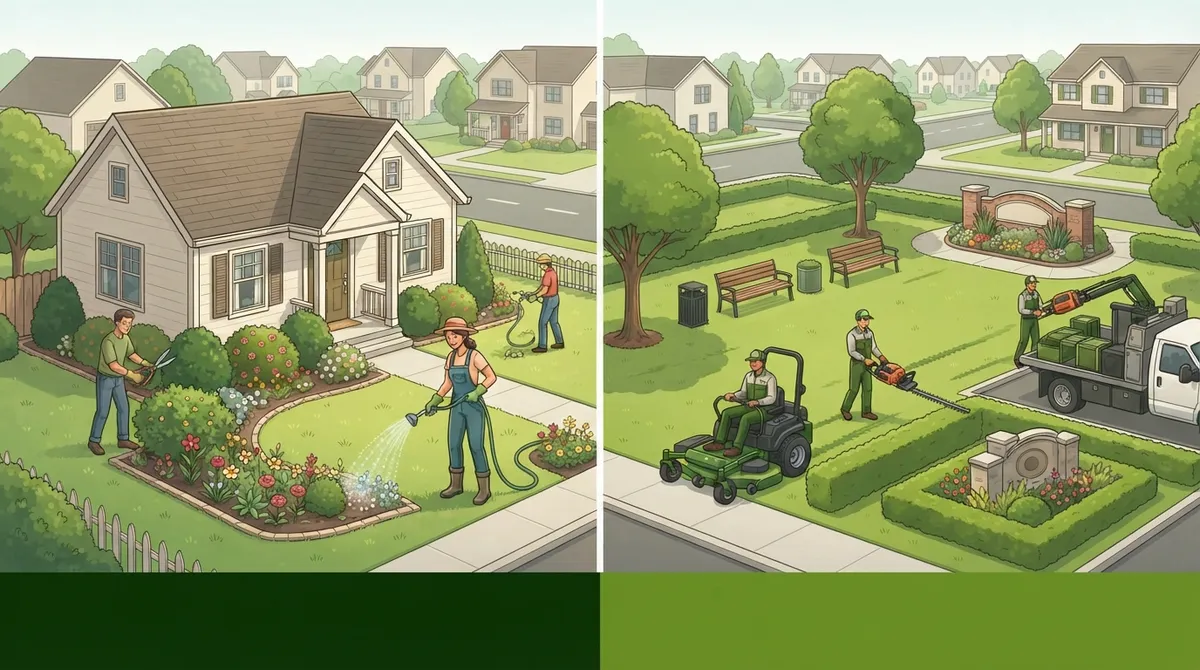
HOA landscape maintenance is the ongoing care of shared spaces in a community. This includes lawns, trees, shrubs, irrigation systems, and mulch beds. It typically applies to common areas, while homeowners often handle their own yards depending on the community’s governing documents.
Here’s what a solid maintenance plan usually includes:
- Mowing, edging, and trimming grass on a set schedule
- Pruning trees and shrubs to keep sightlines clear and safe
- Weed control in beds, walkways, and common areas
- Mulching to hold moisture and stop weeds from spreading
- Irrigation checks to catch leaks or broken sprinkler heads early
- Seasonal plantings that keep entrances and common areas colorful
- Debris removal after storms, trimming jobs, or renovations
Some HOAs also want help with palm tree upkeep, since palm tree trimming is a specialty task that requires proper tools and training. Skipping it can lead to falling fronds, which is a real safety issue for walkers and cars parked below.
Who Is Responsible: The HOA or the Homeowner?
This question comes up constantly, and the answer depends on your community’s rules. Generally, HOAs manage common areas like entrances, clubhouse grounds, and shared green spaces. Homeowners are usually responsible for their own lots, including any “exclusive-use” areas tied to their property.
State laws and governing documents like CC&Rs spell out these boundaries. It’s smart for boards to review these documents yearly, especially before signing a new maintenance contract. A good landscaping services provider can also help clarify what’s typically included in commercial-style contracts, so there’s no confusion later.
Common HOA Lawn Care Rules and Restrictions
Most HOAs set written standards to keep the whole neighborhood looking consistent. These rules protect property values and reduce disputes between neighbors. Common restrictions include:
- Maximum lawn height, usually enforced through regular mowing schedules
- Watering restrictions tied to local drought or water conservation rules
- Approved plant lists to keep landscaping consistent throughout the community
- Limits on exterior modifications, like adding raised garden beds without approval
- Rules around storing yard equipment or debris piles in view of the street
According to guidance cited by Yellowstone Landscape, some Texas HOAs even limit rock coverage to 20-30 percent of a landscape bed, encouraging a better mix of plants and hardscaping. It’s a good reminder that landscaping rules aren’t just about looks. They’re about long-term sustainability too.
How Often Should HOA Landscape Maintenance Be Scheduled?
Frequency depends on the season and the size of your community. During peak growing months, weekly mowing is standard. Industry guides, including Level Green Landscaping’s HOA maintenance recommendations, suggest weekly mowing in season and two to three dedicated fall cleanup visits.
Here’s a simple breakdown many HOAs follow:
- Weekly: Mowing, edging, and litter pickup
- Bi-weekly to monthly: Hedge trimming and bed weeding
- Quarterly: Mulch refresh and irrigation system checks
- Seasonally: Storm cleanup, leaf removal, and seasonal plantings
- Annually: Tree pruning and larger palm maintenance
ManageCasa’s 2026 HOA maintenance checklist also recommends quarterly board reviews of maintenance records, and keeping documentation for at least seven years. That might sound like overkill, but it protects your board if a resident ever disputes how funds were spent.
Solo Landscaper vs. Full-Service Provider: A Side-by-Side Look
Many HOAs start out hiring a single mowing crew, then realize they need more support as the community grows. Here’s how the two approaches stack up.
| Feature | Solo Mowing Contractor | Full-Service Landscaping & Junk Removal Company |
|---|---|---|
| Routine mowing and trimming | Yes | Yes |
| Tree and palm care | Rarely | Yes |
| Storm debris hauling | No, usually subcontracted | Yes, included in service |
| Renovation or construction cleanup | No | Yes |
| Single point of contact | No, multiple vendors needed | Yes |
| Emergency response time | Often slow | Typically faster |
The biggest difference is convenience. When your board has one company handling both landscaping and debris removal, there’s less coordination headache. That matters a lot when a storm rolls through Brandon and you need storm debris removal fast, not two weeks from now.
Why Junk Removal Matters for HOA Landscaping
Landscaping isn’t just about mowing and mulch. Communities generate a surprising amount of waste from regular upkeep and unexpected events. Here’s where a company that also offers junk removal really shines:
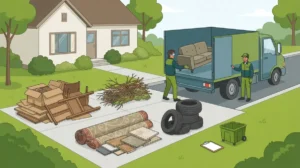
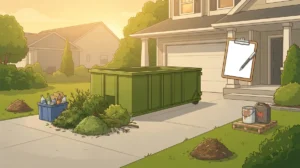
- Hauling away green waste after major pruning or tree trimming
- Clearing storm debris like broken branches and downed limbs
- Removing old mulch before a fresh seasonal layer goes down
- Disposing of leftover materials after a landscaping renovation
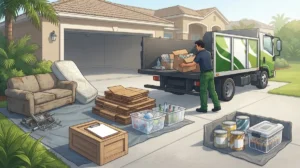
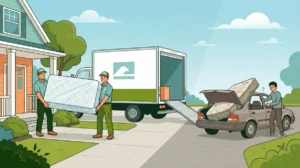
- Cleaning up bulk trash or furniture left behind in common areas
Wayne & Sons Landscaping & Junk Removal handles both sides of this equation for communities throughout Brandon, Apollo Beach, Riverview, and surrounding areas. That means your board isn’t stuck juggling separate vendors for lawn care and cleanup. For projects involving old fencing, playground equipment, or clubhouse renovations, our demolition cleanup and junk hauling services fill that gap nicely.
What Should Be Included in an HOA Landscaping Contract?
A strong contract protects both the HOA and the contractor. Before signing anything, boards should confirm these details are spelled out clearly:
- Exact scope of work, including which areas are covered
- Service frequency for mowing, trimming, and seasonal tasks
- Response time guarantees for storm cleanup or emergencies
- Pricing structure and what counts as an add-on service
- Insurance and licensing information for the contractor
- Communication process for resident complaints or special requests
- Cancellation terms and contract length
Documented inspections are also worth requiring. ManageCasa’s checklist suggests monthly safety checks in addition to weekly landscaping tasks. This creates a paper trail that helps boards track performance and justify budget decisions to residents.
Best Low-Maintenance Plants for HOA Communities
Sustainability is a growing priority for HOAs, and it’s easier to achieve than most boards think. Choosing the right plants reduces water use, cuts down on labor, and keeps common areas looking sharp with less effort. Consider these options:
- Native grasses that thrive in Florida’s climate with minimal watering
- Drought-tolerant shrubs grouped by similar water needs
- Mulched beds instead of large turf areas to reduce mowing
- Palms and hardy trees that need less frequent pruning
- Groundcover plants that suppress weeds naturally
The Virginia Cooperative Extension’s landscaping guide for HOAs recommends watering deeply but infrequently, about one inch per week when rainfall isn’t enough. This approach encourages deeper root growth and healthier plants overall, while saving on water bills.
How HOAs Can Reduce Landscaping Costs Without Hurting Curb Appeal
Budgets are always tight, but cutting corners on landscaping can backfire fast. Here are practical ways to save money the smart way:
- Bundle landscaping and junk removal with one provider to reduce vendor fees
- Switch to drought-tolerant plants that need less water and care
- Schedule bulk mulch orders once or twice a year instead of monthly top-offs
- Set clear resident guidelines to prevent costly rule violations and cleanup
- Review contractor performance quarterly to avoid paying for missed work
Small changes add up. A community that plans ahead, rather than reacting to problems, almost always spends less over time.
Signs Your Community Needs a New Landscaping Partner
Sometimes the writing is on the wall, but boards wait too long to make a change. Watch for these warning signs:
- Frequent resident complaints about overgrown grass or shrubs
- Slow response times after storms or major weather events
- Inconsistent scheduling or missed service visits
- No clear communication process for special requests
- Rising costs without any improvement in service quality
If any of these sound familiar, it might be time to explore other options. A company with a strong local reputation, like the reviews you can find for Wayne & Sons Landscaping & Junk Removal, can offer peace of mind that your community is in good hands.
Why Local Experience Matters
Landscaping needs in Brandon, Florida look different than in cooler, drier climates. Humidity, seasonal storms, and fast-growing plants all mean local knowledge really counts. A contractor familiar with Tampa Bay weather patterns will know when to prep for hurricane season and how to keep lawns healthy through Florida’s hot summers.
Wayne & Sons has spent over 15 years serving communities across Brandon, Riverview, Apollo Beach, and beyond. That kind of experience means fewer surprises for your HOA board and more consistent results for residents. You can also check out our Thumbtack profile to see verified feedback from local customers.
A Simple Checklist for HOA Boards
Before your next board meeting, run through this quick checklist to evaluate your current landscaping setup:
- Do we have a written scope of work with our current contractor?
- Are storm debris and junk removal included, or handled separately?
- Is our irrigation system checked regularly for leaks or waste?
- Do we have a plan for seasonal plantings and mulch refreshes?
- Are resident complaints addressed within a reasonable timeframe?
If you answered “no” or “not sure” to any of these, it’s worth reaching out for a fresh quote. Even something as simple as a properly maintained lawn, cut with a well-adjusted lawn mower, can make a noticeable difference in how your community looks every single week.
Bringing It All Together
Choosing between a basic mowing crew and a full-service landscaping and junk removal partner isn’t just about price. It’s about reliability, convenience, and knowing your community will always look its best, storm or shine. HOA landscape maintenance done right protects property values, keeps residents happy, and saves your board countless headaches down the road.
Wayne & Sons Landscaping & Junk Removal is proud to serve HOA communities throughout Brandon, Apollo Beach, Riverview, FishHawk, Gibsonton, Ruskin, Seffner, Sun City Center, Valrico, and Wimauma. We handle everything from routine lawn care and hedge trimming to storm cleanup and full junk hauling, all with transparent pricing and no surprises. If your board is ready for a landscaping partner that actually makes life easier, reach out to our team today for a straightforward quote. You can also give us a call or send us a text at 813-452-1570 to get started. And if you’d like to hear directly from other satisfied communities, visit us on Google — Wayne & Sons Landscaping & Junk Removal to read real reviews from your neighbors.
FAQs
Q: What does HOA landscape maintenance include?
A: It typically covers mowing, trimming, pruning, weed control, mulching, irrigation checks, and seasonal plantings in common areas. Many communities also include debris removal after storms or renovations, since keeping shared spaces tidy is a big part of the job.
Q: Who is responsible for HOA landscaping, the HOA or the homeowner?
A: It really depends on your community’s governing documents. Generally, the HOA maintains common areas while homeowners handle their own lots, but it’s always worth double-checking your CC&Rs to be sure.
Q: How often should HOA landscape maintenance be scheduled?
A: Most communities need weekly mowing during peak growing season, plus monthly bed maintenance and seasonal cleanups. Storm-prone areas like Brandon also benefit from having a provider on call for quick debris removal after bad weather.
Q: How do HOA landscaping rules affect junk removal and debris hauling?
A: Many HOA rules require prompt cleanup of yard waste, storm debris, and renovation materials to avoid unsightly piles in common areas. That’s exactly why a lot of communities prefer working with a company that handles both landscaping and junk removal together.
Q: What should be included in an HOA landscaping contract?
A: A solid contract should spell out the scope of work, service frequency, response times, pricing, and insurance details. It’s also smart to include a clear communication process so residents know how to report concerns to the board.
Our Service Area