Key Takeaways
-
Regular hedge trimming in Tampa is essential because the warm, humid climate causes plants to grow rapidly—hedges can become overgrown in weeks—and professional maintenance prevents safety hazards, controls pests, and significantly boosts curb appeal and property value.
-
Most Tampa hedges should be trimmed at least once per year, with fast-growing species like ficus requiring monthly or bi-monthly service; the specific frequency depends on plant species and your goals for curb appeal or property staging.
-
Before hiring a landscaping company, assess your hedges’ height, density, species, shape requirements, debris volume, and access points to communicate needs clearly and receive accurate estimates.
-
Always verify that debris removal is included in your hedge trimming quote, as a single trimming session can produce substantial green waste; bundle services like lawn mowing, tree trimming, and junk removal to save time and reduce overall costs.
-
Schedule hedge trimming during Tampa’s dry season (November through April) and avoid extreme summer heat; trim before hurricane season to reduce wind resistance and plan increased frequency during spring’s rapid growth period (March-May).
-
Choose a local landscaping company with experience in Tampa’s climate, transparent upfront pricing, proper insurance and licensing, and proven expertise in both basic maintenance and artistic decorative trimming.
Your hedges say a lot about your property. Overgrown, uneven shrubs make even a well-kept home look neglected. On the other hand, neatly trimmed hedges instantly boost curb appeal and add real value to your property. Whether you are a busy homeowner in Brandon, a property manager overseeing multiple units, or a real estate agent prepping a listing, knowing how to get quality hedge trimming in Tampa is essential. This guide walks you through everything you need to know — from choosing the right service provider to understanding trimming frequency and managing the green waste that comes with the job. Follow these steps and your hedges will always look their best.
Why Hedge Trimming Matters in Tampa
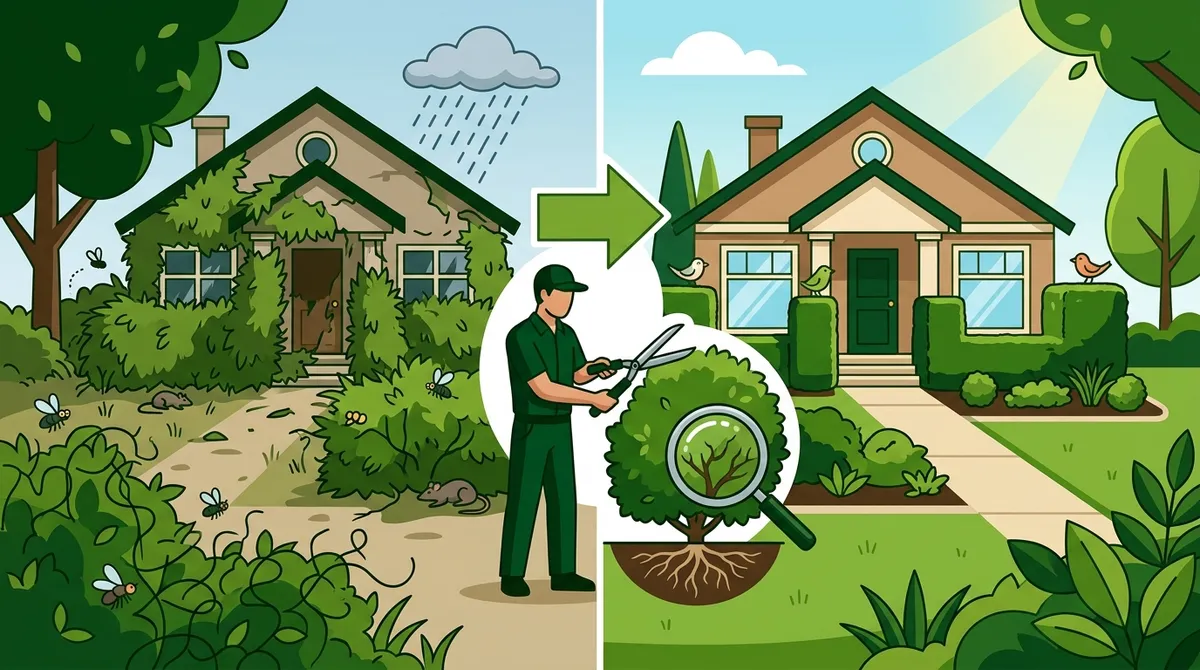
Tampa’s warm, humid climate means plants grow fast — sometimes too fast. Hedges can go from neat to unruly in a matter of weeks during the rainy season. Regular trimming keeps your shrubs healthy, encourages dense growth, and prevents branches from becoming safety hazards. It also helps control pests and disease, which thrive in overgrown, densely tangled foliage.
Beyond plant health, well-maintained hedges improve the overall look of your property. This matters whether you are trying to impress neighbors, attract tenants, or close a real estate deal. According to local landscaping professionals, hedges and shrubs should be trimmed at least once per year, with many Tampa properties benefiting from monthly or bi-monthly service schedules. You can learn more about professional landscaping options through landscaping services offered in the area.
Step 1 — Assess Your Hedges Before Calling a Pro
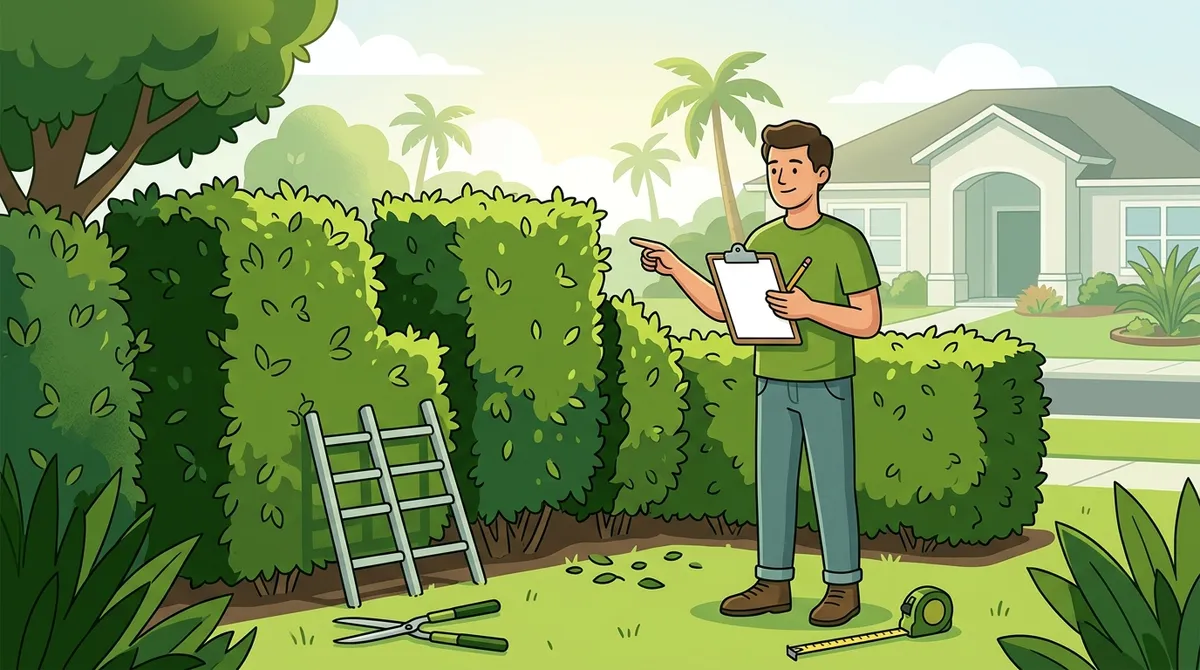
Before you contact a landscaping company, take a close look at your hedges. This helps you communicate your needs clearly and get an accurate estimate. Walk around your property and take note of the following:
- Height and density: How tall are your hedges? Are they thick and overgrown or just slightly out of shape?
- Species: Different shrubs have different growth rates and trimming needs. Ficus, podocarpus, and viburnum are all common in Tampa yards.
- Shape requirements: Do you want basic maintenance trimming or a more precise, decorative shape?
- Debris volume: Heavy overgrowth creates a lot of clippings. Factor in debris removal when planning the job.
- Access points: Are the hedges near fences, walls, or structures that require careful maneuvering?
Knowing these details before you call a landscaping company saves time and helps the crew prepare properly. For properties with significant overgrowth, consider pairing hedge trimming with shrub care services for a complete refresh.
Step 2 — Understand Your Trimming Options
Not all hedge trimming is the same. Tampa landscaping companies typically offer two main types of service. Understanding the difference helps you choose what your property actually needs.
| Trimming Type | Description | Best For |
|---|---|---|
| Basic Maintenance Trimming | Removes new growth to restore the existing shape | Routine upkeep, monthly or bi-monthly service |
| Artistic/Decorative Trimming | Shapes hedges into formal designs or defined geometric forms | Curb appeal projects, staging homes for sale |
| Reduction Trimming | Cuts hedges back significantly to reduce overall size | Overgrown hedges, property boundary concerns |
| Health Pruning | Removes dead, diseased, or crossing branches | Improving plant health and preventing pest issues |
For most residential properties, basic maintenance trimming on a recurring schedule delivers the best results. If you are preparing a home for sale, artistic shaping can make a significant visual difference. Real estate agents and homeowners staging properties often find that decorative hedge work pairs well with curb appeal landscaping strategies to maximize first impressions.
Step 3 — Determine the Right Trimming Frequency
One of the most common questions Tampa property owners ask is: how often should hedges be trimmed? The honest answer depends on the plant species and your goals. Here is a practical guide to help you decide.
| Hedge Type | Growth Rate | Recommended Frequency |
|---|---|---|
| Ficus (Strangler Fig) | Fast | Monthly to bi-monthly |
| Viburnum | Moderate to fast | Every 6–8 weeks |
| Podocarpus | Moderate | 2–4 times per year |
| Clusia | Moderate | 3–4 times per year |
| Ligustrum | Fast | Monthly during growing season |
Property managers handling multiple rental units often benefit most from a recurring maintenance plan. Signing up for regular service eliminates the need to monitor each property individually. It also keeps costs predictable. Hedge care in Brandon follows similar seasonal patterns, making it easy to coordinate service across multiple properties in the greater Tampa area.
Step 4 — Choose the Right Hedge Trimming Company
Selecting the right landscaping company in Tampa makes all the difference. Here are the key factors to evaluate before you hire anyone.
Verify Experience and Local Knowledge
Tampa’s plant varieties and climate conditions are unique. A company with local experience understands the growth patterns of Florida shrubs and the best times to trim without stressing the plants. Look for a provider with a proven track record in the Tampa Bay area. You can visit Wayne & Sons Landscaping & Junk Removal on Google to read verified customer reviews and see the quality of work firsthand.
Ask About Debris Removal
Hedge trimming generates a substantial amount of green waste. Many homeowners are surprised by the volume of clippings left behind after a major trim. Always ask whether debris hauling is included in the service. A full-service provider handles both the trimming and the cleanup, leaving your property spotless. This is especially important for larger jobs involving heavy overgrowth. Junk hauling services can handle green waste removal as part of a broader yard cleanup package.
Request Transparent Pricing
Pricing for hedge trimming in Tampa varies based on hedge height, length, density, and accessibility. Always request a detailed estimate before work begins. Reputable companies provide upfront pricing with no hidden charges. Avoid providers who refuse to give written quotes. According to Wayne & Sons on Thumbtack, transparent pricing is one of the most important factors customers consider when choosing a landscaping service.
Check Insurance and Licensing
Any reputable landscaping company operating in Florida should carry proper liability insurance and business licensing. This protects you in the event of property damage or accidents during the job. Always verify credentials before hiring.
Step 5 — Plan for Debris and Yard Waste
One aspect of hedge trimming that property owners often overlook is what happens after the cutting stops. A single afternoon of heavy trimming can produce bags upon bags of clippings, branches, and green waste. Here is how to plan for it effectively.
- Include debris removal in your service quote. Make it clear from the start that you expect all clippings and branches to be hauled away.
- Bundle with yard cleanup services. If your property also needs leaf removal, lawn cleanup, or storm debris cleared, schedule everything together to save time and money.
- Consider a recurring maintenance plan. Regular trimming produces smaller, more manageable amounts of waste that are easier and less expensive to dispose of.
- Ask about green waste disposal methods. Professional companies should dispose of clippings responsibly, either through mulching, composting, or proper waste facilities.
For properties that have suffered storm damage or gone without maintenance for a long time, the amount of debris can be significant. Storm debris removal services are available for larger cleanup projects that go beyond routine trimming.
Step 6 — Bundle Services for Better Value
Smart property owners in Tampa bundle their landscaping services to save time and reduce overall costs. Many companies offer package deals that combine hedge trimming with other maintenance tasks. Here are the most popular combinations:
- Hedge trimming + lawn mowing and edging
- Hedge trimming + palm tree trimming and cleanup
- Hedge trimming + shrub care and fertilization
- Hedge trimming + junk removal and yard waste hauling
- Hedge trimming + tree trimming and debris removal
Bundling services is particularly valuable for property managers and contractors overseeing larger sites. It minimizes the number of vendors you need to coordinate and ensures consistent results across the property. Explore how palm tree trimming can be combined with hedge work to give your entire landscape a clean, cohesive look.
Step 7 — Schedule Service at the Right Time
Timing matters when it comes to hedge trimming in Tampa. Florida’s climate is unlike most of the country, so standard seasonal advice does not always apply. Here are the best practices for scheduling:
- Avoid trimming during extreme heat. Cutting during the hottest part of summer can stress plants. Early morning appointments are ideal during July and August.
- Take advantage of the dry season. November through April is Tampa’s dry season. This is an excellent time for reduction trimming and major reshaping projects.
- Schedule before and after hurricane season. Trim hedges before the June–November storm season to reduce wind resistance, and schedule cleanup after storms pass.
- Plan for faster growth in spring. March through May sees rapid growth. Increasing trimming frequency during this period keeps hedges looking tidy.
For property owners near Brandon, Florida and surrounding communities, scheduling flexibility is important. Working with a local provider who knows the area’s seasonal patterns ensures your hedges always look their best year-round.
What to Expect on Service Day
Knowing what to expect on the day of your hedge trimming appointment helps the job go smoothly. A professional crew will typically follow this process:
- Walk the property with the homeowner or property contact to confirm the scope of work.
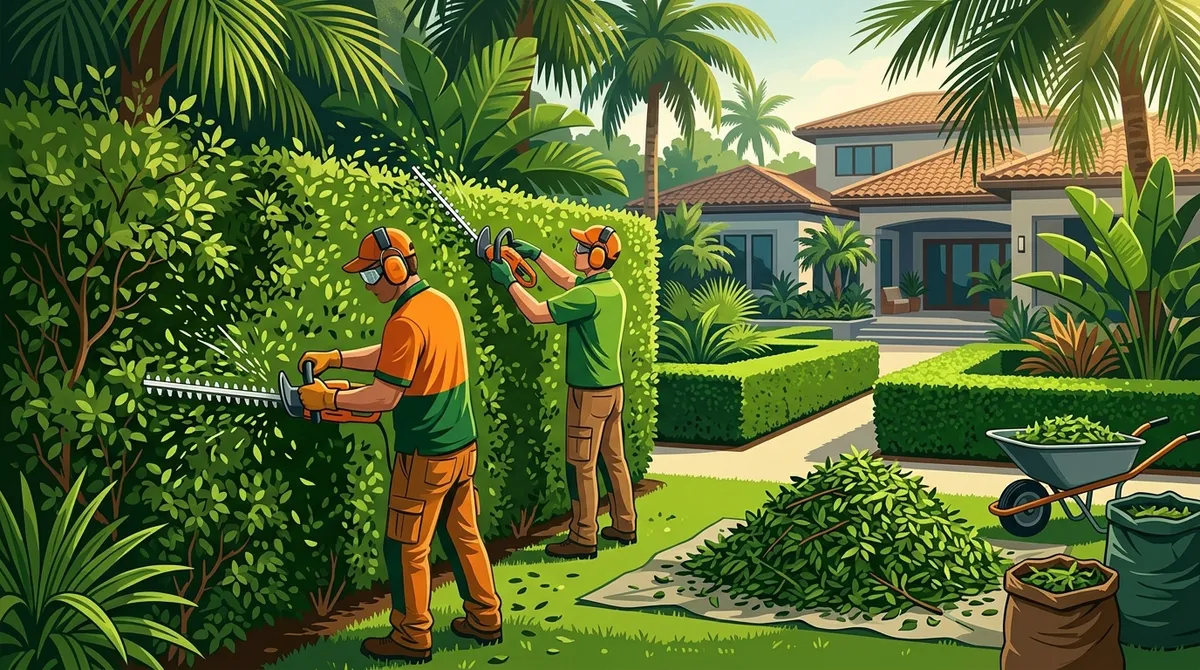
- Set up protective tarps or barriers to catch clippings if working near driveways or flower beds.
- Begin trimming from the top down using professional-grade equipment.
- Collect all clippings and debris from the work area.
- Perform a final walkthrough to confirm the homeowner is satisfied before leaving.
Professional equipment, like commercial-grade hedge trimmers and debris blowers, makes the job faster and cleaner than DIY attempts. This is especially true for tall or dense hedges. The tools used in professional lawn and landscape maintenance are designed to handle large-scale jobs that would take a homeowner most of a weekend to complete manually.
Common Hedge Trimming Mistakes to Avoid
Whether you are managing the process yourself or overseeing a contractor, understanding common mistakes helps you get better results. Review hedge trimming mistakes to avoid for a detailed breakdown of what can go wrong and how to prevent it.
- Over-trimming (topping): Cutting too much at once shocks the plant and slows recovery.
- Wrong timing: Trimming during a heat wave or immediately before a cold snap can damage plants.
- Ignoring the base: Hedges trimmed wider at the top than the bottom will eventually thin out at the base due to lack of sunlight.
- Skipping cleanup: Leaving clippings on the ground promotes fungal growth and pest activity.
- Using dull blades: Dull equipment tears instead of cuts cleanly, leaving ragged edges that invite disease.
A professional landscaping company avoids these mistakes through training, proper equipment, and experience. If you are weighing your options between doing it yourself and hiring a pro, review the comparison between DIY vs. professional lawn care services to make an informed decision.
Why Choose Wayne & Sons for Hedge Trimming in Tampa
With over 15 years of experience serving Brandon, Florida and the greater Tampa Bay area, Wayne & Sons Landscaping & Junk Removal brings expertise, reliability, and transparent pricing to every job. The company specializes in both basic and artistic hedge trimming, and offers comprehensive debris removal so your property is left clean when the crew departs. Their service area covers Tampa, Brandon, Riverview, Seffner, Valrico, and surrounding communities — making them a convenient choice for homeowners and property managers throughout the region.
What sets Wayne & Sons apart is the combination of landscaping expertise and junk removal capability. When a major trim generates more waste than expected, the same crew can handle hauling it all away. Read verified customer feedback and explore Wayne & Sons reviews to see what other Tampa-area property owners have experienced.
Conclusion
Getting quality hedge trimming in Tampa does not have to be complicated. Start by assessing your hedges, understand what type of trimming you need, and choose a reputable local company with transparent pricing and debris removal included. Schedule service at the right time of year, consider bundling with other landscaping tasks, and plan ahead for the yard waste that comes with the job. Following these steps ensures your property always looks well-maintained, whether you are a homeowner building curb appeal, a property manager keeping tenants happy, or a real estate professional closing your next deal.
Ready to give your hedges the professional attention they deserve? Get in touch with the Wayne & Sons team today for a detailed, no-surprise estimate on hedge trimming and landscaping services throughout the Tampa Bay area.
FAQs
Q: How much does hedge trimming cost in Tampa?
A: The cost of hedge trimming in Tampa varies depending on hedge height, length, density, and the complexity of the job. Always request a detailed, written estimate before work begins. Reputable companies like Wayne & Sons Landscaping & Junk Removal provide transparent, upfront pricing with no hidden fees.
Q: How often should hedges be trimmed in Florida?
A: Most hedges in Tampa and the greater Florida area should be trimmed at least once per year, though fast-growing species like ficus and ligustrum may require monthly or bi-monthly service. Florida’s warm, humid climate accelerates plant growth, making regular maintenance essential for keeping hedges neat and healthy.
Q: Do landscapers remove hedge clippings and debris after trimming?
A: Many professional landscaping companies in Tampa include debris removal as part of their hedge trimming service, but it is important to confirm this before the job begins. Full-service providers will collect all clippings and haul away green waste, leaving your property clean and tidy.
Q: What is the best time of year to trim hedges in Tampa?
A: The dry season — November through April — is generally the best time for major hedge trimming and reshaping projects in Tampa. Scheduling trims before and after hurricane season (June through November) is also recommended to reduce wind resistance and address storm damage promptly.
Q: Can hedge trimming be combined with junk removal or yard waste hauling?
A: Yes, many Tampa landscaping companies offer bundled services that combine hedge trimming with yard waste hauling and junk removal. This is an efficient and cost-effective option, especially for larger properties or projects involving significant amounts of green waste and debris.