Key Takeaways
-
Professional cleanup crews use proper safety equipment and techniques to minimize health risks from silica dust and sharp debris, which DIY approaches often fail to address adequately.
-
Post construction cleanup involves specialized knowledge of local disposal regulations and hazardous material identification that most homeowners lack, making legal compliance easier with professionals.
-
Professional services typically complete projects in one visit with equipment and trained staff, while DIY cleanup can consume several days or weeks plus rental costs for trucks and tools.
-
Comprehensive cleanup includes follow-up landscaping work like grading, raking, and soil preparation that improves curb appeal and property value, especially important for real estate sales.
-
Construction debris requires careful sorting into categories like wood, metal, concrete, and recyclables to reduce landfill waste and potentially lower disposal costs through proper recycling.
-
Materials like asbestos, lead-based paint, contaminated soil, and certain chemicals require licensed specialists and cannot be safely handled by standard junk removal services or DIYers.
So your builder just finished that dream addition, or maybe your contractor wrapped up a kitchen remodel last week. Now you’re staring at a yard full of leftover lumber, drywall scraps, and a driveway covered in dust. Sound familiar? You’re not alone. Every year, homeowners and contractors across Brandon, Florida face the same question: should you tackle post construction cleanup yourself, or call in the professionals? Let’s dig into this together, friend, because your answer could save you time, money, and a whole lot of backache.
Post construction cleanup is the process of removing debris, dust, and leftover materials after a building, renovation, or demolition project wraps up. It’s what stands between a messy job site and a property ready for move-in, sale, or fresh landscaping. For folks in Tampa Bay, this often means clearing lumber, concrete chunks, roofing scraps, and excess dirt from yards, driveways, and walkways. We’ll compare the DIY route against hiring a professional crew, so you can pick what fits your project best.
What Exactly Is Post Construction Cleanup?
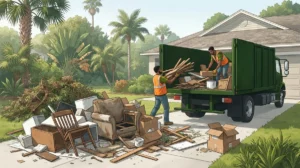
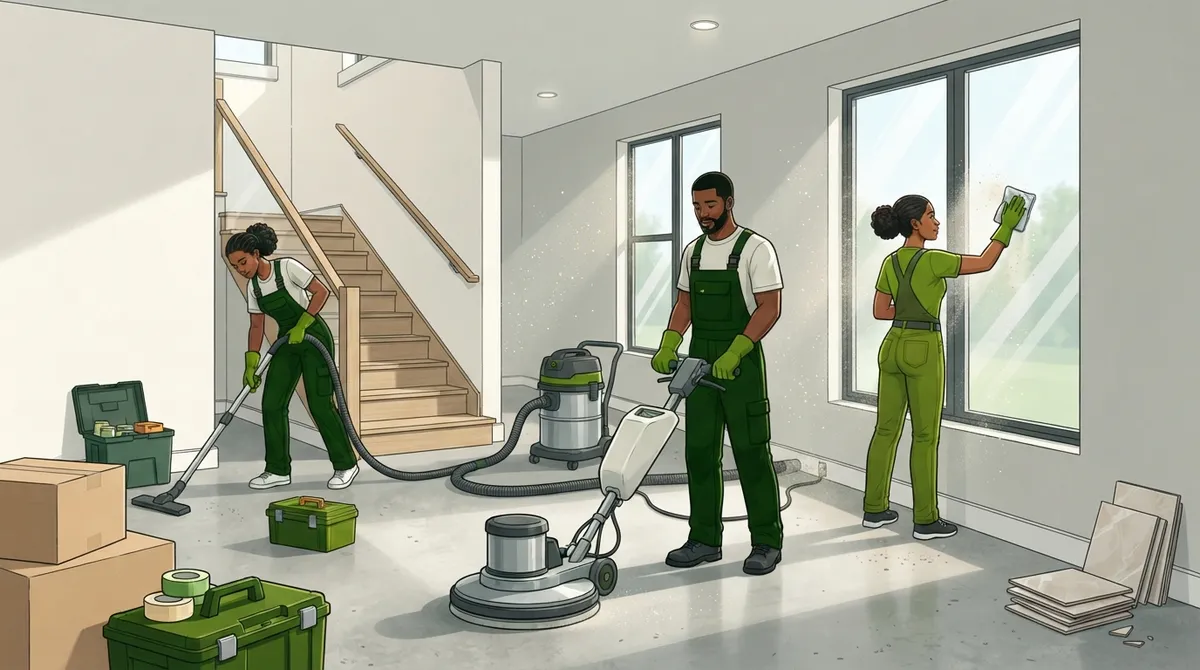
Post construction cleanup covers everything needed to prepare a property after construction, remodeling, or demolition work ends. This isn’t just sweeping floors. It often includes removing lumber, drywall, concrete, brick, roofing materials, pallets, fencing scraps, and leftover soil from yards and driveways.
According to the U.S. Environmental Protection Agency, the country generated roughly 600.33 million tons of construction and demolition debris in 2018 alone. That’s more than double the amount of regular household trash generated that same year. This debris has to go somewhere, and doing it right matters for your property and the environment.
Common Materials Found On a Job Site
Before we compare cleanup methods, let’s look at what typically needs hauling away after a project wraps up:
- Lumber scraps and broken pallets
- Drywall pieces and plaster chunks
- Concrete, brick, and masonry rubble
- Roofing shingles and underlayment
- Excess dirt, rocks, and fill material
- Old fencing, packaging, and temporary landscaping materials
- Metal scraps, wiring, and pipe cutoffs
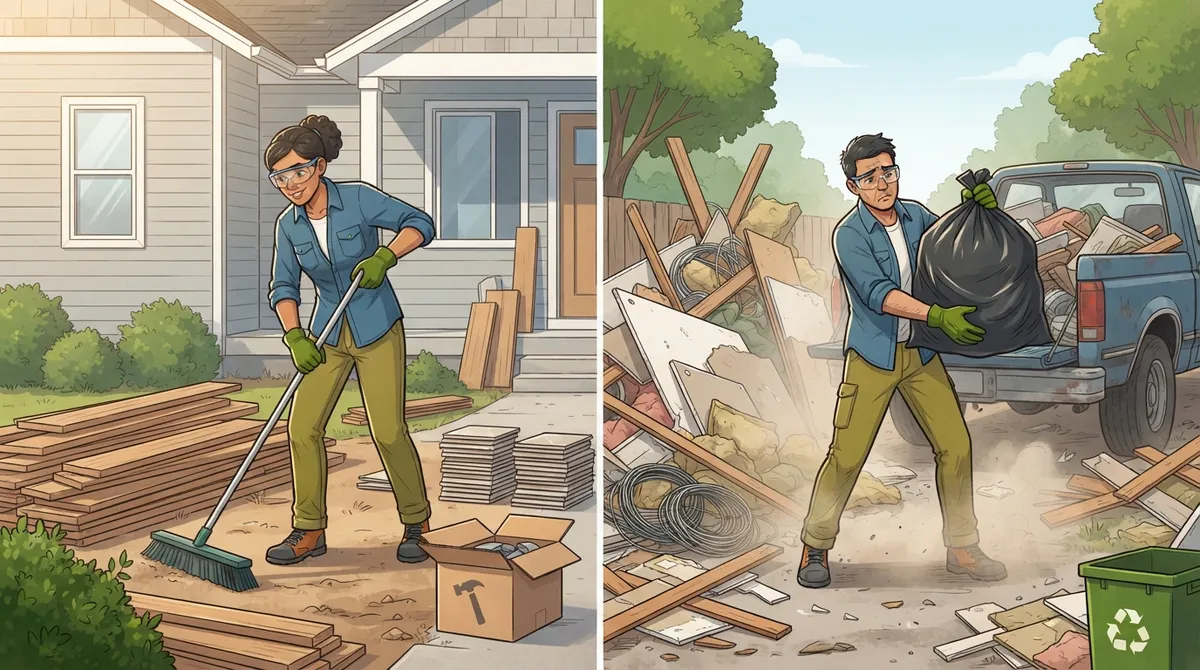
DIY Post Construction Cleanup: The Pros and Cons
Rolling up your sleeves and doing it yourself sounds tempting, especially if you’re trying to save a few bucks. But before you grab those work gloves, let’s be honest about what you’re getting into.
Why Some Homeowners Choose DIY
- You control the timeline and can work at your own pace
- No need to coordinate schedules with an outside crew
- You might feel more comfortable sorting through your own belongings or materials
- Small jobs, like a single room remodel, may feel manageable alone
The Hidden Challenges of Doing It Yourself
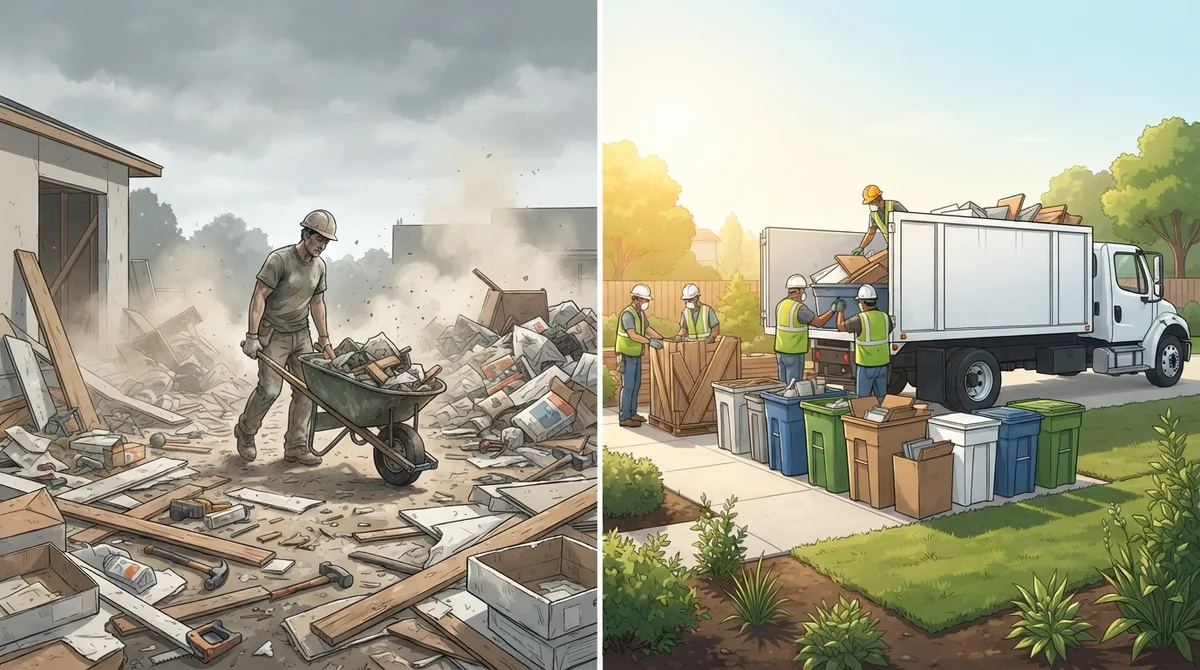
Construction debris isn’t like regular household trash. It can hide nails, sharp metal edges, broken glass, and heavy rubble. OSHA guidance recommends using carts, dollies, and teams of two or more people when lifting heavy materials. Doing this alone increases your risk of injury significantly.
There’s also the dust problem. Materials like concrete, brick, tile, and some drywall can release fine silica dust when disturbed. OSHA’s silica standard sets strict exposure limits because this dust can cause serious respiratory issues over time. Dry sweeping actually makes this worse by kicking dust into the air. Without proper wet-cleaning methods or HEPA vacuums, DIY cleanup can expose you and your family to health risks you didn’t sign up for.
Then there’s disposal. Many local landfills and recycling centers have rules about what construction and demolition waste they’ll accept. You’ll need to know local regulations, rent a truck or dumpster, and make multiple trips. That “quick weekend project” can easily eat up several days.
Professional Post Construction Cleanup: What You Get
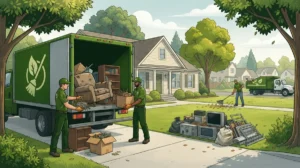
Hiring a professional crew changes the entire experience. Here’s what a trusted team, like Wayne & Sons Landscaping & Junk Removal, typically brings to the table.
A Typical Professional Cleanup Sequence
- Site assessment to identify hazards and debris volume
- Hazard identification, including checking for asbestos, lead, or chemical materials
- Sorting debris into categories like wood, metal, concrete, and trash
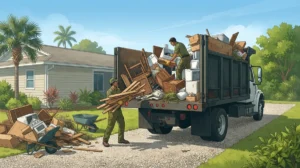
- Removal and loading using proper equipment
- Sweeping, blowing off, or wet-cleaning surfaces to control dust
- Soil and landscape area cleanup, including grading and raking
- Optional pressure washing for driveways and walkways
- Recycling or donating usable materials when possible
- Legal disposal following local rules
- Final walkthrough with the customer to confirm satisfaction
This isn’t just about hauling junk away. It’s about doing it safely, legally, and thoroughly. A professional crew knows how to separate reusable wood, recyclable metal, and clean concrete from general trash, which can reduce landfill waste and sometimes lower disposal costs.
Safety Equipment Professionals Use
Reputable cleanup crews don’t just show up with a broom and a truck. They come prepared with proper safety gear, including:
- Heavy-duty gloves to protect against sharp debris
- Steel-toe boots for stability on uneven ground
- Eye protection against flying particles
- High-visibility clothing for job site safety
- Respiratory protection when dust or fine particulates are present
- Hearing protection when using loud equipment
DIY vs. Professional: Side-by-Side Comparison
| Factor | DIY Cleanup | Professional Cleanup |
|---|---|---|
| Time Investment | Several days to weeks | Often completed in one visit |
| Safety Risk | Higher, especially with sharp or heavy debris | Lower, with trained crews and proper gear |
| Equipment Needed | Truck rental, tools, PPE you must buy | Included with service |
| Disposal Knowledge | You research local rules yourself | Crew handles legal disposal and recycling |
| Hazardous Material Handling | Risky without training | Trained to identify and stop work if needed |
| Yard and Landscape Prep | Often overlooked or done poorly | Includes grading, raking, and soil cleanup |
Why Landscaping Cleanup Matters After Construction
Here’s something many homeowners forget. Post construction cleanup isn’t only about hauling debris out of the house. Your yard often takes a beating during a build too. Trucks compact soil, workers leave scraps in the grass, and excess dirt piles up near your foundation.
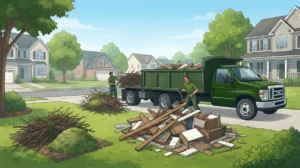
A full-service company can handle both the debris removal and the follow-up landscaping work. This might include removing excess fill dirt, raking disturbed areas, clearing sidewalks and drainage paths, and spreading fresh topsoil or mulch to prepare for new plants or sod. If you’re rebuilding your outdoor space after a renovation, check out our guide on landscaping services to see how a fresh start can transform your property.
Real estate agents preparing a home for sale know this well. A construction site look, even after the building is done, can scare off buyers. Combining demolition cleanup with tree trimming, hedge shaping, and lawn care creates that polished, move-in-ready feel buyers want to see.
Materials That Require Special Handling
Not everything can go straight into a regular junk removal truck. Some materials need licensed specialists or designated disposal channels. Here’s what to watch for:
- Asbestos-containing materials, common in older homes
- Lead-based paint chips or dust
- Contaminated soil from spills or old storage tanks
- Chemicals, solvents, and paint cans
- Fluorescent lamps and batteries
- Propane cylinders and refrigerant-containing equipment
A professional company will stop work immediately if they suspect any of these materials are present. This protects everyone involved and keeps your project compliant with local and federal guidelines.
What Should Be Included In Your Cleanup Estimate
Whether you go DIY or hire a pro, a clear plan avoids surprises. A written estimate from a cleanup company should spell out:
- What debris types are included in the price
- Estimated debris volume and labor hours
- Whether interior cleaning is part of the service
- How oversized or hazardous items will be handled
- Access constraints, like narrow driveways or gated communities
- Recycling or donation options for usable materials
Getting this in writing protects both you and the crew doing the work. It also helps you compare quotes fairly if you’re shopping around.
How Different Property Owners Benefit From Professional Cleanup
Post construction cleanup looks a little different depending on who you are and what you need.
For Contractors and Builders
Wrapping up a job site quickly matters for your bottom line. Partnering with a reliable junk hauling team means your crew can focus on the next project instead of debris removal.
For Real Estate Agents
A clean, staged property sells faster. Pairing debris removal with palm tree trimming and shrub care creates instant curb appeal for showings.
For Homeowners Renovating Their Own Property
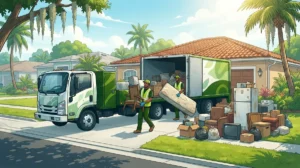
DIY renovators often underestimate how much scrap material piles up. A furniture removal and junk hauling service can clear old appliances, cabinetry, and construction leftovers in one visit.
For Property Managers
Rental turnovers after renovations require fast, reliable cleanup to get units ready for new tenants without losing rental income.
Post Construction Cleanup Statistics You Should Know
Understanding the scale of construction waste helps explain why proper disposal matters so much. Here are some figures worth knowing:
| Statistic | Detail |
|---|---|
| US C&D Debris (2018) | Approximately 600.33 million tons generated nationwide |
| Concrete and Mixed Rubble | Roughly 40-50% of building-related debris |
| Wood Waste | Approximately 20-30% of building-related debris |
| OSHA Silica Exposure Limit | 50 micrograms per cubic meter over an 8-hour period |
These numbers show why separating and properly disposing of debris matters, both for safety and for reducing landfill impact.
Getting Your Property Ready For Cleanup
Before any crew arrives, whether it’s you or a hired team, a few steps make the process smoother:
- Confirm all major construction work is fully complete
- Make sure utilities are safe and structures are stable
- Verify any required inspections or hazardous material checks are done
- Clear a path for trucks and equipment to access the site
- Separate valuable or reusable materials you want to keep
Taking these steps ahead of time saves everyone time and reduces the chance of delays on cleanup day.
So, Which Option Really Wins?
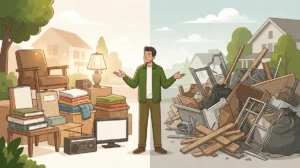
Honestly, it depends on your project size and comfort level. Small jobs, like clearing a few boards from a weekend patio project, might be fine for a DIY approach. But for anything involving heavy debris, dust, or a full renovation, professional post construction cleanup wins nearly every time.
The safety benefits alone make it worth considering. Add in the time savings, proper disposal knowledge, and follow-up landscaping work, and you’ve got a service that pays for itself in peace of mind. Many homeowners in the Brandon area have discovered this firsthand after trying to tackle debris removal solo and realizing how much time and effort it actually takes.
Wayne & Sons Landscaping & Junk Removal has served Brandon, Florida and surrounding communities for over 15 years, handling everything from storm debris removal to full construction site cleanup. Our team knows local disposal rules, handles hazardous material identification carefully, and always leaves your property looking better than before we arrived. You can even check out real feedback from neighbors on Thumbtack to see how our team performs in the field.
Final Thoughts: Making Your Decision
Post construction cleanup doesn’t have to be overwhelming. Whether you choose to handle small tasks yourself or bring in a professional crew, the goal is the same: a safe, clean property ready for its next chapter. Just remember that heavy debris, dust exposure, and disposal rules can turn a simple weekend project into a bigger headache than expected.
If you’re weighing your options, why not let the experts handle the heavy lifting? Wayne & Sons Landscaping & Junk Removal offers transparent pricing, prompt service, and a satisfaction guarantee from start to finish. We’d love to help transform your job site back into a beautiful, usable space. Contact us today to get your free estimate, or give us a call to talk through your project details. You can also text us at 813-452-1570 for a quick response.
Curious what your neighbors are saying? Visit us on Google — Wayne & Sons Landscaping & Junk Removal to read real reviews from Brandon homeowners just like you. We’re proud to be a trusted name in this community, and we’d be honored to help with your next post construction cleanup project.
FAQs
Q: What is included in post construction cleanup?
A: It typically covers removing lumber, drywall, concrete, and other debris, sweeping surfaces, and prepping yards or driveways. Many companies, including Wayne & Sons, also handle grading, raking, and light landscaping so your property looks its best. Think of it as the final step that turns a messy job site into a finished, move-in-ready space!
Q: Can a junk removal company haul away concrete, drywall, lumber, and dirt?
A: Yes, most professional junk removal teams can handle these materials, though heavy loads like concrete may involve extra planning. Wayne & Sons has the equipment and experience to sort and haul these materials safely and legally. Just give us a call and we’ll walk you through what we can take.
Q: How long does post construction cleanup take?
A: It really depends on the size of your project. A small renovation might take just a few hours, while a full home construction cleanup could take a full day or more. The good news is a professional crew usually finishes much faster than tackling it solo!
Q: What construction materials cannot be removed by a regular junk removal service?
A: Materials like asbestos, lead-based paint, contaminated soil, and certain chemicals require licensed specialists rather than standard junk hauling. A trustworthy company will always flag these items and guide you toward proper disposal channels. Safety always comes first, friend!
Q: Is post construction cleanup different from regular house cleaning?
A: Absolutely, it’s a whole different ballgame. Regular cleaning handles dust and everyday mess, while post construction cleanup deals with heavy debris, sharp materials, and sometimes hazardous substances. That’s why it takes specialized equipment and trained crews to do it safely and thoroughly.
Our Service Area