Key Takeaways
-
Even small structures like sheds, decks, and fences may require a permit, so confirm with your local office, check utility disconnections, and review HOA rules before any work begins.
-
Older sheds, decks, and slabs can contain asbestos, lead-based paint, or treated wood; if you suspect hazardous materials, bring in a qualified professional rather than mixing them with ordinary junk.
-
Get a written scope and estimate that spells out what is included, what is excluded, and how disposal fees are charged to avoid surprises.
-
Verify that a contractor carries insurance, holds required licensing, and can explain where the debris will go, since recyclers should follow state and local rules.
-
Clean concrete, asphalt, metal, and untreated wood can often be recycled into aggregate, paving material, or mulch, but results depend on local facilities and material condition.
-
Prep the yard by clearing vehicles and furniture, marking what stays and what goes, flagging buried lines, and keeping pets and kids away from the work zone.
Picture this: that old backyard shed has been leaning for three summers, the rotted deck boards are a trip hazard, and the cracked patio is just plain sad. You know it all has to go. But where do you start? And who hauls away the mess once it comes down?
That is exactly where demolition and junk removal come together. If you live in Lutz, FL, this one-two punch can turn a tired, cluttered yard into a clean slate in a single day. In this guide, we will walk through what small-scale demolition really means, what gets hauled away, what to check before work begins, and how to pick the right crew. We will keep it simple and friendly, just like a chat over the fence.
Whether you are a busy homeowner, a landlord, a real estate agent prepping a listing, or a contractor wrapping up a job site, you will find helpful tips here. Let’s dig in!
What Does Demolition and Junk Removal Mean for Your Yard?
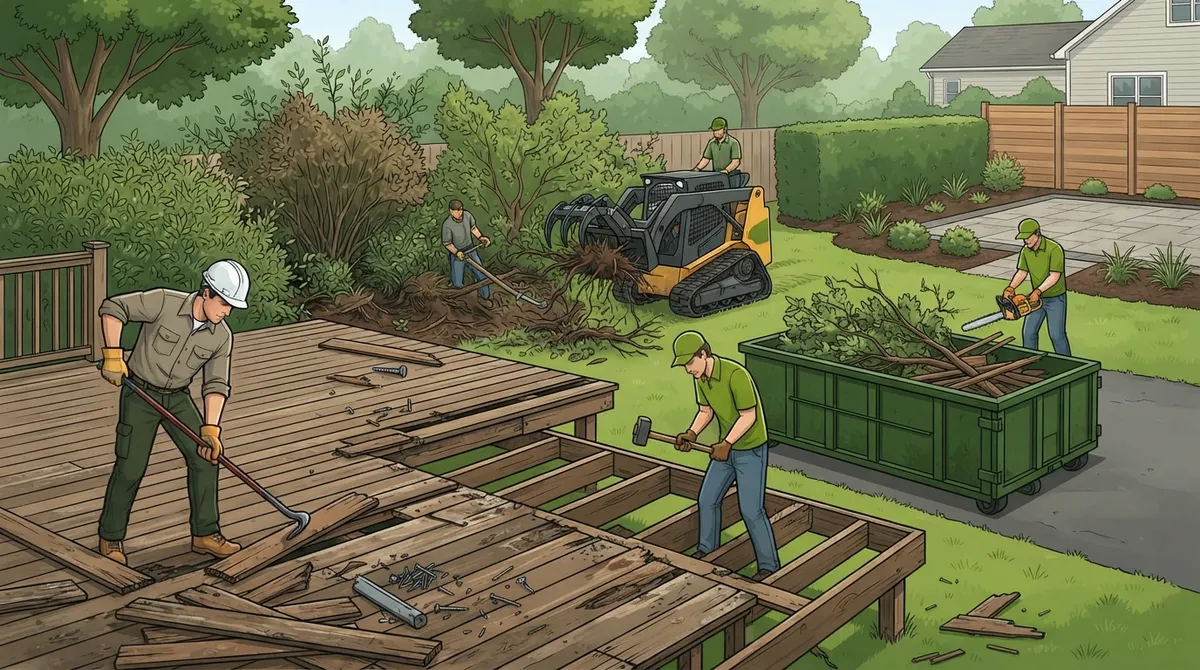
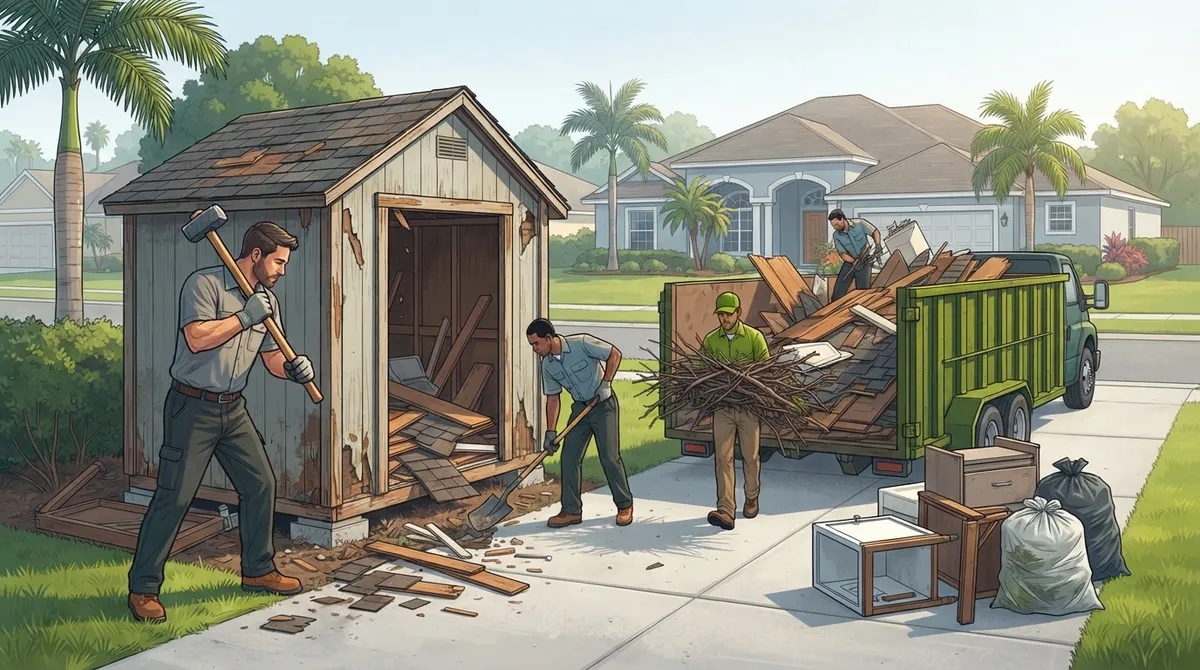
When most people hear “demolition,” they imagine a wrecking ball swinging into a skyscraper. In the landscaping and junk removal world, it is much smaller and a lot friendlier. It usually means taking down and clearing outdoor features on your property, then hauling the debris away.
Common examples include:
- Old sheds, playhouses, and play structures
- Worn-out decks and wooden steps
- Broken fences and gates
- Cracked patios, walkways, and slabs
- Hot tubs and above-ground pools
- Retaining walls and landscape hardscape
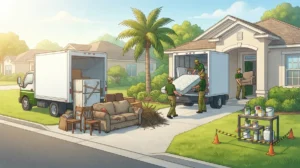
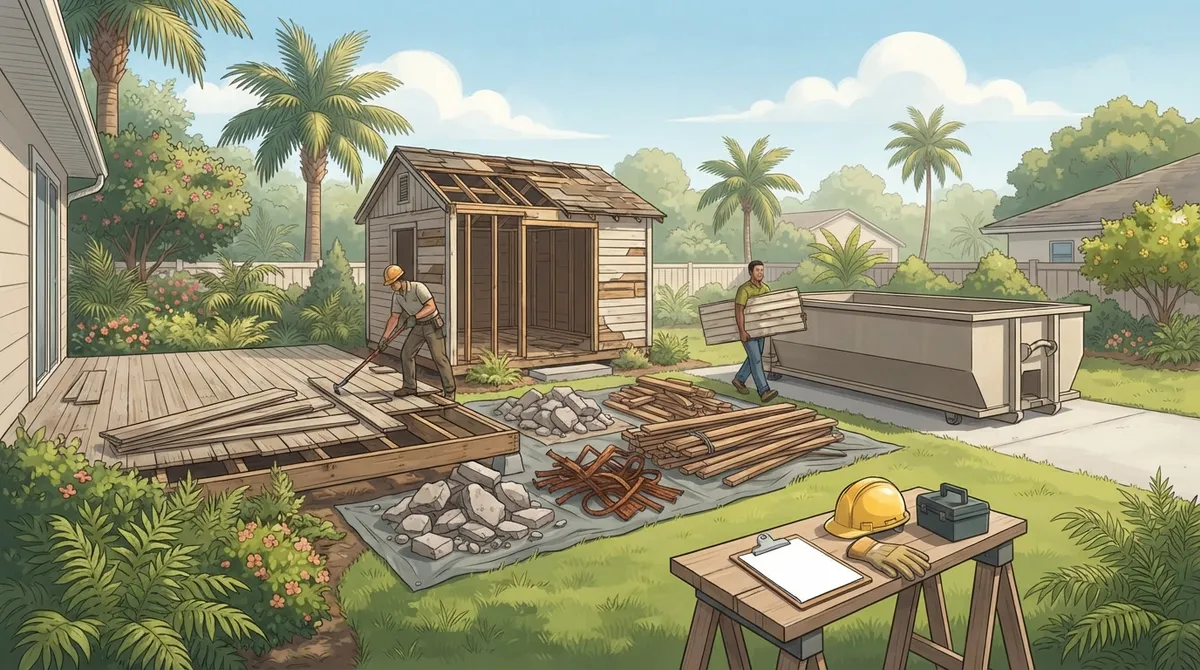
The “junk removal” half is what makes the project feel easy. Instead of leaving you with a giant pile of boards, concrete chunks, and rusty metal, a good crew loads it up and takes it off your property. Our demolition cleanup service is built around that idea: you point at what needs to go, and we handle the rest.
What Is Included in a Typical Service?
Every project is a little different, but most small-scale demolition and junk removal jobs follow the same basic path. Knowing the steps helps you feel confident and prepared.
- Site assessment: The crew looks at what needs to come down, checks access, and spots anything tricky like overhead lines or buried utilities.
- Protection: Nearby plants, walls, irrigation, and your lawn get protected so the job does not create new problems.
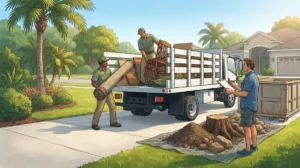
- Dismantling or breaking up: The structure is taken apart carefully, or concrete is broken into manageable pieces.
- Sorting: Wood, metal, concrete, and reusable items are separated where practical.
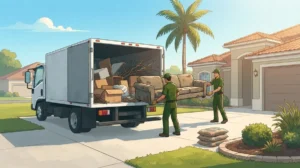
- Loading and hauling: Everything is loaded and driven away.
- Final cleanup: Nails, screws, and small debris are swept up so your yard is safe again.
The best practice is to agree on the scope in writing. That includes what is part of the job, what is not, and how disposal fees are handled. A clear estimate should explain labor, equipment, the amount of debris, and any access challenges. No surprises means no stress.
Why Demolition and Junk Removal in Lutz, FL Is Worth a Pro
Lutz is full of beautiful lots, mature trees, and homes with plenty of outdoor features. That is great for lifestyle, but it also means plenty of sheds, decks, and fences that age in Florida’s heat, humidity, and summer storms. Wood softens, metal rusts, and concrete cracks over time.
A DIY teardown can sound fun until you realize you need a truck, a dump run (or three), safety gear, and a free weekend. For many folks in Lutz, the better deal is calling a pro. If you are comparing options, our breakdown of DIY vs. pro demolition cleanup shows how the two stack up.
Here is how the different audiences benefit:
- Busy homeowners: Get your weekend back and skip the dump line.
- Real estate agents: Clear eyesores fast so the listing photos shine.
- Property managers: Keep rental units safe and up to standard between tenants.
- Contractors and builders: Hand off debris haul-away so your crew stays on the real work.
- Downsizing seniors: Skip the heavy lifting and enjoy an easier transition.
- Small business owners: Present a clean, welcoming property to customers.
Permits, Utilities, and Local Rules
Here is a point that surprises many people: even a small structure may need a permit. Rules vary by city, county, and state, so never assume a shed or deck is exempt. Before work starts, it helps to confirm:
- Whether a demolition or building permit is needed
- Whether utilities such as electric, water, or gas need to be disconnected
- Whether any right-of-way approval is required
- Whether special waste handling rules apply
If your property is in an HOA community, it is also smart to check their guidelines before anything comes down. A quick phone call can save a lot of headaches later. Wayne & Sons can help you think through what to ask so nothing gets missed.
Safety First: Hazards Hiding in Older Structures
Older sheds, decks, and slabs can hide more than rusty nails. Depending on age and materials, you may run into hazards that deserve extra care:
- Asbestos-containing products: Found in some older siding, roofing, and flooring materials.
- Lead-based paint: Common on structures built decades ago.
- Treated wood: Often used in decks and fences and should be handled properly.
- Sharp or unstable debris: Broken glass, exposed nails, and sagging roofs.
- Buried or overhead utilities: Lines you cannot always see.
If you suspect a hazardous material, stop and speak with a qualified professional. Hazardous items should be assessed and handled the right way, not tossed in with ordinary junk. A trustworthy contractor will tell you honestly what falls under regular hauling and what needs specialized help.
Where Does All That Debris Go?
Great question, and one more homeowners should ask! Demolition debris is a big deal nationally. According to the EPA, about 600 million U.S. short tons of construction and demolition debris were generated in 2018, and demolition made up more than 90 percent of that total. Those are the latest national figures in the EPA sources we reviewed, so think of them as helpful context rather than this year’s totals.
The good news? A lot of that material gets a second life. EPA estimates show just over 455 million tons went to a next use, while just under 145 million tons went to landfills. Here is a quick look at what that debris is made of:
| Material | Share of C&D Debris (2018, by weight) | Possible Next Use |
|---|---|---|
| Concrete | 67.5% | Aggregate and base material |
| Asphalt concrete | 17.8% | Recycled paving material |
| Wood products | 6.8% | Mulch, compost, or fuel |
| Other materials | 7.9% | Varies by material and facility |
Keep in mind these are national numbers. Whether a specific item can be recycled depends on local facilities and the condition of the material. Still, sorting clean concrete, metal, and untreated wood from regular trash makes recycling far more likely. We love knowing a busted-up patio might end up as the base under someone else’s driveway!
How Do Costs Work for Demolition and Junk Removal?
Everyone wants to know about cost, and the honest answer is: it depends. Rather than guessing, here are the factors that usually shape an estimate:
- Type and size of the structure: A small fence is quicker than a large deck.
- Materials: Concrete is heavy and takes more effort than light wood.
- Amount of debris: Volume or weight affects hauling and disposal.
- Access: Tight gates, slopes, or soft ground can add time.
- Disposal and recycling fees: These vary by facility and material.
- Permits and utility coordination: Who handles these should be spelled out up front.
At Wayne & Sons, we believe in transparent estimates with no surprises, and we work hard to keep our service affordable for our neighbors. If you want a closer look at how hauling works, check out our guide to junk hauling.
How to Choose a Licensed and Insured Contractor
Not every company that owns a truck is ready to take on demolition. Before you say yes, run through this quick checklist:
- Ask about insurance. You want a crew that is properly insured in case something goes wrong.
- Check licensing. Confirm that the company is licensed or registered where required.
- Ask where the debris goes. EPA recommends checking that a recycler follows state and local rules and holds any required licensing or registration.
- Get the scope in writing. Know what is included, what is excluded, and how disposal is charged.
- Look at reviews. Real customer feedback tells you a lot about reliability.
You can read what neighbors say on our reviews page, or see what our customers share on Thumbtack. With over 15 years of experience in the Tampa Bay area, Wayne & Sons Landscaping & Junk Removal has built its name on honest work and friendly service. You can also visit us on Google — Wayne & Sons Landscaping & Junk Removal to see our profile.
Ordinary Hauling vs. Regulated Demolition Work
Here is a helpful distinction. Ordinary junk hauling means picking up items that are already out and ready to go, like old furniture, appliances, or a pile of scrap. Regulated demolition or hazardous-material work involves tearing down structures that may need permits or specialty handling.
A trustworthy provider will tell you which side of the line your project falls on. If you just have loose debris, our junk removal service may be all you need. If you have storm damage, our storm debris removal and down tree removal services can help with limbs and trunks. Honest guidance up front keeps your project safe and your budget on track.
How to Prepare Your Lutz Yard for the Crew
A little prep makes the day go faster and smoother. Try these simple steps:
- Clear the path. Move vehicles, bikes, toys, and patio furniture out of the way.
- Mark what stays and what goes. Painter’s tape or flags work great.
- Point out hazards. Share the location of sprinkler lines, pet fences, or buried cables if you know them.
- Secure pets and kids. Keep them inside or away from the work zone.
- Confirm gate access. Make sure the crew can get equipment and a truck close to the work area.
- Remove valuables. Pull anything personal or sentimental out of sheds before work begins.
That is really all it takes. The crew handles the heavy lifting from there.
What Comes After the Clean Slate?
This is the fun part! Once the old shed, deck, or slab is gone, you have open space to dream. Maybe it is fresh sod, a new flower bed, a hardscape patio, or neat shrubs and hedges. Because Wayne & Sons offers both junk removal and landscaping, we can handle the cleanup and help you plan what comes next. Explore our landscaping services for inspiration, or browse the gallery to see finished projects.
Ready to Clear the Way in Lutz, FL?
Demolition and junk removal does not have to be a headache. With the right crew, a clear plan, and a little prep, you can say goodbye to that old structure and hello to a cleaner, safer, more useful yard. Remember to check permits and utilities, watch for hazards in older materials, ask where debris will go, and get your estimate in writing.
If you are in Lutz, FL and ready to get started, we would love to hear from you. Contact us for a clear, upfront estimate, call us directly, or text us at 813-452-1570. Wayne & Sons Landscaping & Junk Removal is here to make it easy.
FAQs
Q: What does demolition and junk removal include for landscaping projects?
A: It usually covers a site check, protecting nearby plants and structures, taking down or breaking up the feature, loading the debris, hauling it away, and cleaning up. The exact scope should always be agreed on in writing so there are no surprises.
Q: Do I need a permit to demolish a shed, deck, fence, or patio?
A: It depends on where you live, since rules vary by city, county, and state. Never assume a small structure is exempt, so check with your local permitting office and confirm any utility or right-of-way needs before work begins.
Q: Can concrete, wood, and metal from demolition be recycled?
A: Often, yes! Clean concrete, asphalt, metal, and untreated wood can find a next use as aggregate, mulch, or recycled material. Whether it actually gets recycled depends on local facilities and the condition of the material.
Q: What hazards should be checked before demolishing an older structure?
A: Older structures can contain asbestos products, lead-based paint, treated wood, sharp debris, and hidden utilities. If you suspect a hazardous material, pause and bring in a qualified professional instead of mixing it with ordinary junk.
Q: How do I choose a licensed and insured demolition and junk removal contractor?
A: Ask for proof of insurance, confirm licensing where required, and find out where the debris will be taken. Reading reviews and getting a written estimate that spells out labor, disposal, and exclusions will help you hire with confidence.
Our Service Area