Key Takeaways
-
Construction junk removal covers collecting, hauling, sorting, and properly disposing of debris from building, remodeling, demolition, and outdoor projects, so ask your hauler what they accept before booking.
-
Hazardous materials such as asbestos, lead-related waste, paint, chemicals, and fluorescent lamps are usually excluded, so flag suspect items early, especially in older homes.
-
Heavy materials like concrete, brick, and soil may have separate load limits and pricing, so keep them separate from light debris to make loading and planning smoother.
-
Much construction debris can be recycled: concrete and asphalt become aggregate, wood can become mulch or reused, and metals can be recovered and sold.
-
Rules on permits, waste plans, diversion targets, and receipts vary by city, county, and state, so check local requirements before loading anything.
-
Choose a hauler that gives written estimates, explains exclusions, uses permitted disposal facilities, and provides receipts for disposal or recycling.
Picture this: your renovation is finally done. The new kitchen looks fantastic. But out back, there’s a mountain of old drywall, broken tile, scrap lumber, and torn-up carpet. Sound familiar? You’re not alone, and the good news is that you don’t have to haul it all yourself.
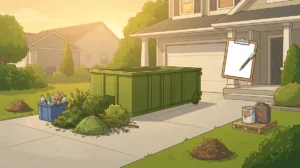
Construction junk removal is the hauling, sorting, and proper disposal of debris left behind by building, remodeling, repair, demolition, and outdoor projects. It’s one of those jobs nobody dreams of doing, but everyone needs done. Whether you’re a busy homeowner, a contractor racing a deadline, a property manager turning over a unit, or a real estate agent prepping a listing, this guide walks you through what to expect. We’ll cover what counts as construction debris, what can’t go in a regular load, how recycling fits in, and how to pick a trustworthy crew. Let’s clear things up, literally.
What Does Construction Junk Removal Include?
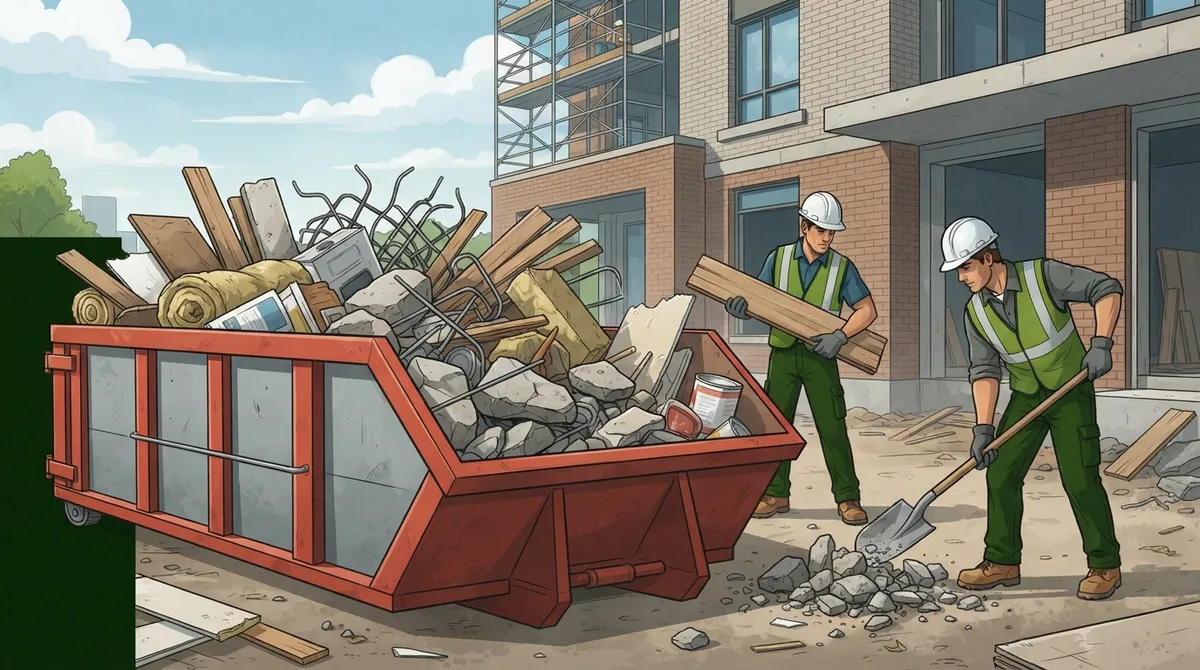
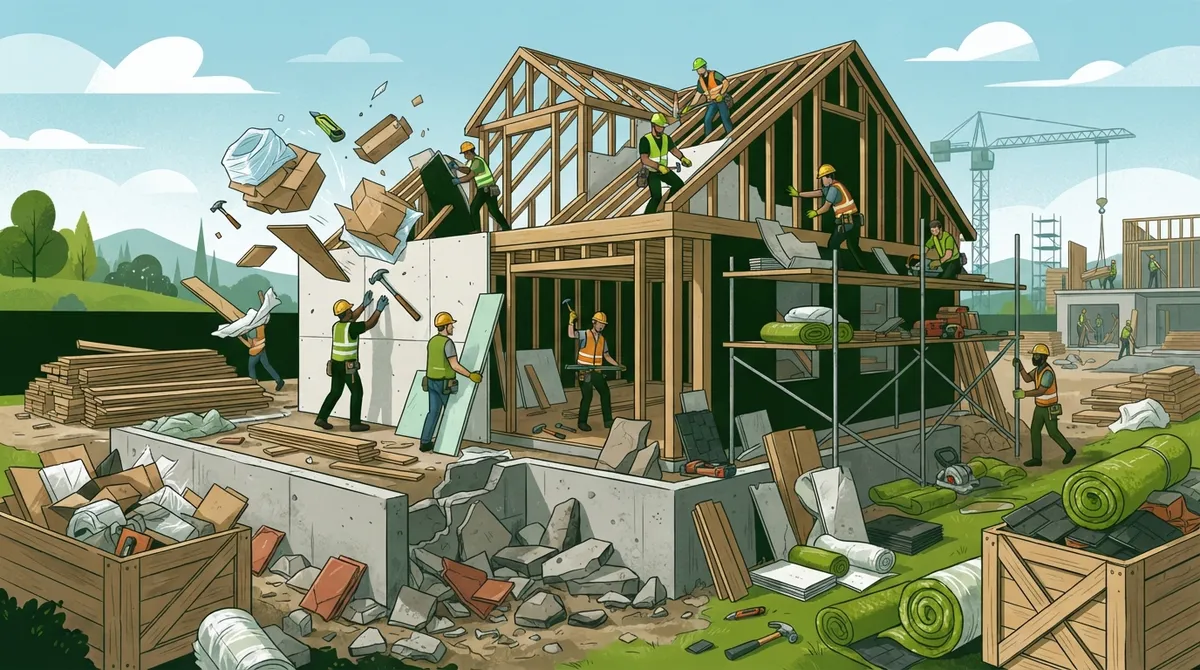
Construction junk removal covers the waste created when something is built, fixed, torn down, or reshaped. The U.S. EPA calls this broader waste stream construction and demolition (C&D) materials. That includes indoor remodeling debris and outdoor project waste.
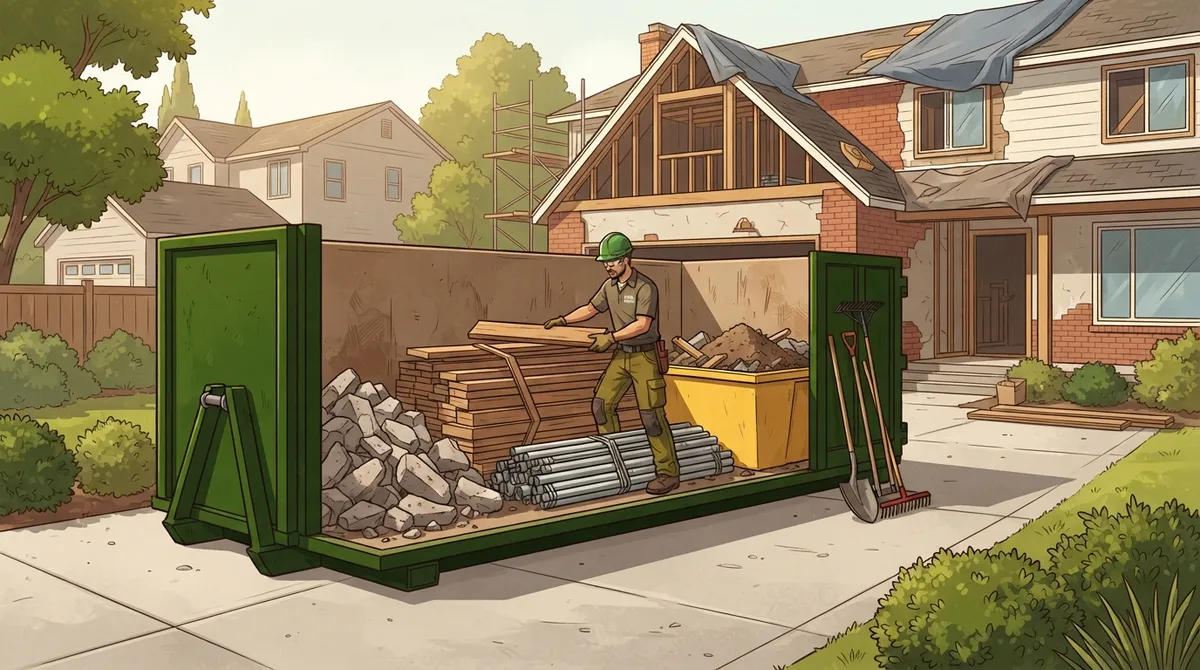
A good crew does more than toss things in a truck. The process usually includes collecting, hauling, sorting, and delivering debris to the right reuse, recycling, or disposal facility. Here are the most common materials:
- Lumber and wood scraps from framing, decks, and fences
- Drywall from walls and ceilings
- Roofing shingles and underlayment
- Flooring such as tile, laminate, carpet, and hardwood
- Bricks, concrete, and masonry from patios, walkways, and walls
- Metals like pipes, flashing, and framing
- Glass, plastics, and cardboard from packaging and fixtures
- Soil, sod, and green waste from yard work
What a hauler accepts can vary by provider and by local facility. So it always pays to ask before you book.
Why Does Construction Debris Pile Up So Fast?
Here’s a fun fact that isn’t so fun: the EPA estimates that 600 million tons of C&D debris were generated in the United States in 2018. That’s more than twice the amount of regular municipal solid waste produced that same year. Demolition made up more than 90% of it, while new construction made up less than 10%.
The same math applies on a smaller scale at your home. A single bathroom remodel can fill a pickup bed. A deck teardown can fill a trailer. A patio removal can fill several loads, because concrete is heavy. Debris adds up quickly, and it’s rarely something you can stuff into your regular trash bin.
If your project is a big tear-down, our demolition cleanup in Brandon service is built for exactly that kind of mess.
Is Landscaping Waste Considered Construction Debris?
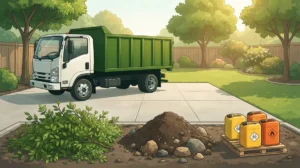
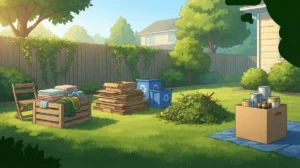
Great question, and it’s one we hear a lot. Landscaping and construction often overlap. When you install a new patio, build a retaining wall, or redo your yard, the leftovers look a lot like construction debris. Common outdoor project waste includes:
- Branches, brush, and stumps
- Old sod and extra soil
- Broken pavers and leftover stone
- Old fencing and wood posts
- Concrete chunks from removed walkways
This is where a company that handles both landscaping and junk removal really shines. At Wayne & Sons Landscaping & Junk Removal, we’ve spent over 15 years serving Brandon, Florida, and nearby communities. We can handle the building debris and the yard waste in one visit, so you aren’t juggling two different companies.
If a storm has dropped limbs across your property, our storm debris removal in Brandon and down tree removal in Brandon services can help too.
What Can’t Go in a Construction Junk Removal Load?
This part matters for your safety and for the law. Some materials are hazardous or specially regulated, so they usually can’t be mixed into a regular junk removal load. Common exclusions can include:
- Asbestos-containing materials
- Lead-related waste
- Paint, solvents, and other chemicals
- Fluorescent lamps and mercury-containing items
- Certain treated materials
If you suspect a material might be hazardous, speak up early. Older homes, especially those built decades ago, can contain materials that need a professional assessment before anyone touches them. It’s far better to ask a question than to mix a risky item into general debris.
A responsible hauler will tell you what they accept, what they don’t, and whether any extra charges apply. That kind of honesty is a good sign you’ve found the right crew.
Heavy Materials vs. Light Materials: Why It Matters
Not all junk is created equal. A truck full of old cardboard is very different from a truck full of concrete. Heavy materials like soil, concrete, and masonry can have separate load limits, pricing, and disposal arrangements. Here’s a quick comparison:
| Material Type | Examples | What to Know |
|---|---|---|
| Light debris | Drywall, carpet, cardboard, scrap wood | Takes up space but weighs less; usually easy to load |
| Heavy debris | Concrete, brick, soil, pavers | May have load limits and separate disposal arrangements |
| Green waste | Branches, brush, sod | Often processed into mulch or compost where facilities allow |
| Metals | Pipes, flashing, framing | Can often be recovered and recycled |
| Regulated items | Paint, chemicals, suspect asbestos | Usually excluded; needs specialized handling |
A quick tip: if you keep heavy materials separate from light ones, loading goes smoother and the crew can plan better. Just mention it when you call.
Can Construction Debris Be Recycled?
Yes, a lot of it can! Recycling options depend on local markets and facility rules, but here’s what the EPA points out:
- Concrete and asphalt are often recycled into aggregate or new paving products.
- Wood may be reused or processed into mulch, compost, or engineered wood products.
- Metals can be recovered and sold as commodities.
The EPA’s numbers back this up. Of the 600 million tons of C&D debris in 2018, just over 455 million tons went to a next use, while just under 145 million tons went to landfills. Those figures cover the whole U.S. waste stream, not only what junk haulers handle, but they show how much material gets a second life.
A good crew sorts and diverts recoverable materials where practical. That’s better for the planet, and sometimes better for your wallet too. You can read more about the national picture on the EPA’s page on sustainable management of construction and demolition materials.
Do You Need a Permit or Waste Plan?
This one depends on where you live and what kind of project you’re doing. Disposal and recycling rules vary by state and by city. Some places require project waste plans, approved haulers or facilities, diversion targets, receipts, or other documentation.
For example, San Diego’s C&D Debris Deposit Ordinance requires a 65% diversion rate by weight for covered projects with permits issued on or after July 1, 2016. That’s one city, though. Your local rules may be very different. Florida also has its own solid waste laws, which you can browse in the Florida Statutes on solid waste management.
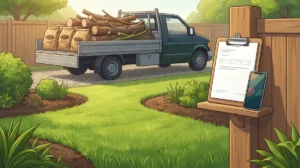
Our friendly advice: check with your city or county before you load anything. Confirm facility acceptance, and ask your hauler about receipts. If you’re a contractor, this step can save you from headaches down the road.
How to Prepare for a Construction Junk Removal Visit
A little prep goes a long way. Here’s a simple step-by-step plan:
- Walk the site. Make a quick list of what’s being removed, including indoor and outdoor items.
- Separate suspect materials. Set aside paint, chemicals, or anything you think might be hazardous, and tell the crew about them.
- Group heavy items. Keep concrete, brick, and soil in their own pile if you can.
- Clear a path. Make sure the crew can reach the debris and the truck can get close.
- Ask for a written estimate. Get the scope, any exclusions, and any extra charges in writing.
- Request receipts. Ask for disposal or recycling receipts, especially for larger jobs.
Illinois EPA also suggests making sure a recycler is legitimate and keeping your receipts. That’s smart advice no matter where you live.
Who Needs Construction Junk Removal the Most?
Different people need this service for different reasons. Here’s how it plays out:
- Homeowners: After a remodel, you want your space back without the dust and the dump runs.
- Contractors and builders: A clean job site keeps clients happy and projects moving. Fast haul-away means your crew can focus on the work.
- Real estate agents: Clearing leftover debris helps a property show beautifully and sell faster.
- Property managers: Unit turnovers often leave behind flooring, fixtures, and scrap that need quick removal.
- Downsizing seniors and families: When a house is being updated or prepped, removing the old and the broken makes the transition easier. We’re happy to take the heavy lifting off your hands.
- Small business owners: A tidy storefront or lot makes a great first impression on customers.
Our junk removal in Brandon and junk hauling in Brandon teams work with all of these folks regularly.
How Do You Choose a Reliable Construction Junk Removal Company?
Not every hauler is the same. Here’s what to look for:
- Clear explanations. They should tell you what they accept and what they don’t.
- Written estimates. No surprises. You should know the scope before the work begins.
- Permitted facilities. A responsible crew uses appropriate, permitted disposal and recycling sites.
- Sorting and diversion. They should recycle or donate what they reasonably can.
- Receipts and documentation. Especially important for contractors and larger projects.
- Local reputation. Check reviews and ask neighbors. You can see what customers say on our reviews page or on Thumbtack.
At Wayne & Sons, we focus on three things: effortless convenience, transparent pricing with detailed upfront estimates, and exceptional customer service. We’re also licensed (License #G21000055178) and very affordable. Curious about our local roots? We proudly serve Brandon, Florida, plus Apollo Beach, FishHawk, Gibsonton, Riverview, Ruskin, Seffner, Sun City Center, Valrico, and Wimauma.
You can also read Wayne & Sons Landscaping & Junk Removal reviews on Google to see how we treat our neighbors.
The Perks of One Crew for Both Cleanup and Yard Work
Here’s where things get really convenient. Many construction projects don’t end when the building work ends. After the debris is gone, your yard often needs love. Maybe the lawn got trampled, the hedges are overgrown, or the beds need fresh mulch.
Because we handle both junk removal and landscaping, you can go from messy job site to beautiful outdoor space with one call. Our landscaping services include everything from lawn care and sod installation to hardscaping and garden design. Once the debris is hauled away, we can help you finish the job and boost your curb appeal.
Want some inspiration? Check out our project gallery, or read our tips on 12 curb appeal landscaping tips to transform your yard in 2026.
Ready to Clear Out Your Construction Mess?
Construction junk removal doesn’t have to be stressful. When you know what counts as debris, what’s off-limits, and what questions to ask, you’re already ahead of the game. Sort what you can, tell your crew about anything suspicious, check your local rules, and keep your receipts.
If you’re in Brandon or the surrounding area, we’d love to help. Contact us for a detailed, upfront estimate, or give us a ring at 813-452-1570. You can also text us at 813-452-1570 with a quick photo of your pile. We’ll take it from there, and you can finally enjoy your finished project.
FAQs
Q: What does construction junk removal include?
A: It covers collecting, hauling, sorting, and properly disposing of debris from building, remodeling, repair, demolition, and outdoor projects. That can mean lumber, drywall, flooring, roofing, concrete, metal, and even yard waste like branches and soil. Just ask your hauler what they accept before you book!
Q: What construction materials can’t go in a junk removal truck?
A: Hazardous or specially regulated items are usually excluded, such as asbestos-containing materials, lead-related waste, paint, chemicals, and fluorescent lamps. If you’re unsure about something, tell your crew up front so it can be handled safely and the right way.
Q: Can construction debris be recycled or donated?
A: Often, yes! Concrete and asphalt can become aggregate, wood can be turned into mulch or reused, and metals can be recovered. What’s possible depends on local facilities and markets, so a good crew will sort and divert what they reasonably can.
Q: Do I need a permit or waste plan for construction debris removal?
A: It depends on your city, county, and project type. Some places require waste plans, approved haulers, diversion targets, or receipts. It’s smart to check your local rules first and ask your hauler for disposal documentation.
Q: How do I choose a reliable construction junk removal company?
A: Look for a crew that gives clear, written estimates, explains what they accept, uses permitted facilities, and provides receipts. Local reviews and a long track record help too. Wayne & Sons has over 15 years of experience serving Brandon, FL, and we’re always happy to answer your questions.
Our Service Area