Key Takeaways
-
In Clearwater’s coastal climate, trim hedges in late winter through early spring and early fall to avoid stress from summer heat and UV damage to exposed branches.
-
Never remove more than one-third of a hedge’s volume in a single trimming session, as over-pruning weakens photosynthesis and causes dead sections and poor regrowth.
-
Shape hedges wider at the base and narrower at the top (keystone shape) to allow sunlight to reach lower branches; avoid box shapes that block light and cause branch dieback.
-
Sterilize trimming tools between plants using a 1:9 bleach-to-water solution to prevent spreading fungal, bacterial, and viral diseases across your entire landscape.
-
Establish a consistent trimming schedule every 6-10 weeks during growing season to maintain hedge health and appearance; inconsistent trimming creates stress cycles and gaps.
-
Hire professional services for large hedges, tall shrubs near power lines, or significant restoration work—DIY mistakes on established hedges often cost more to fix than professional service would have cost initially.
Keeping your hedges neat and well-shaped is one of the best things you can do for your property. In Clearwater, Florida, the warm coastal climate means hedges grow fast — and problems grow just as quickly when trimming is done wrong. Whether you manage a waterfront home, a rental property, or a commercial space near the Gulf Coast, getting hedge trimming right matters for both curb appeal and plant health.
With over 190 BBB-listed hedge trimming providers serving the Clearwater area, the options can feel overwhelming. But choosing the right service — and understanding common trimming errors — can save you time, money, and the health of your landscaping. This guide covers the 10 most damaging hedge trimming mistakes made by Clearwater property owners, so you can avoid them and enjoy thriving, beautiful hedges year-round.
Why Hedge Trimming Matters in Clearwater’s Coastal Climate
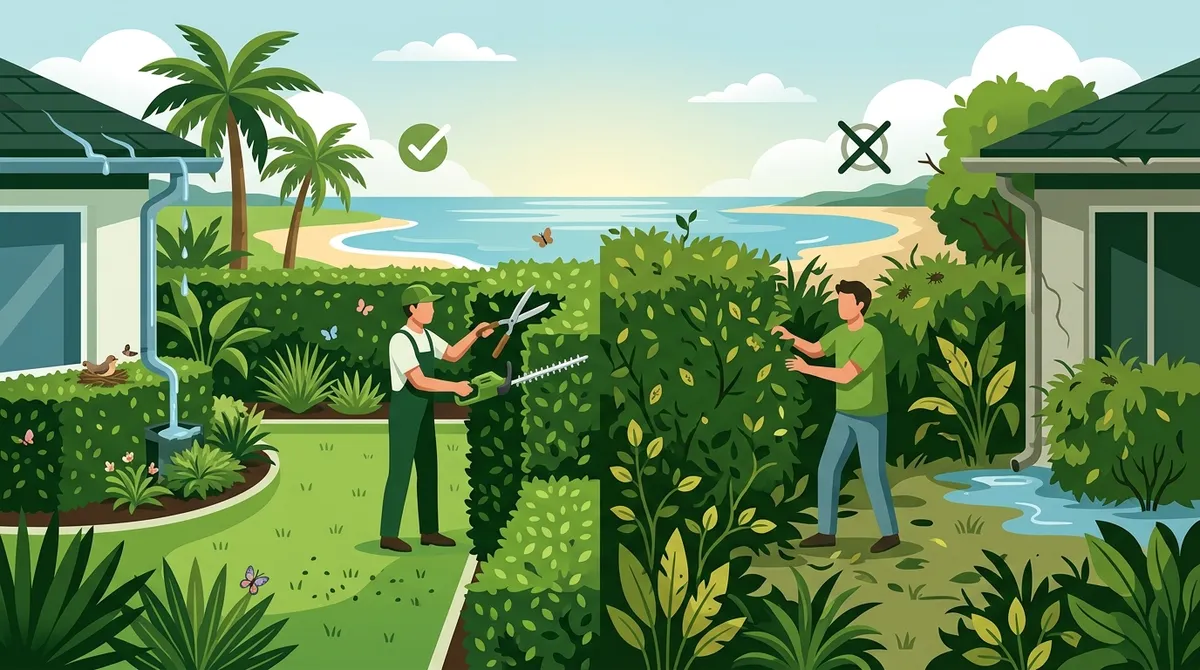
Clearwater’s humidity, salt air, and intense sun create a unique environment for shrubs and hedges. Plants grow aggressively during Florida’s long growing season, which means neglecting trimming even briefly can lead to overgrown, leggy, or structurally weak hedges. Regular hedge maintenance encourages dense growth, better air circulation, and stronger root systems.
Coastal properties also face added stress from wind and salt spray. Improperly shaped hedges are more vulnerable to storm damage, which can add debris cleanup costs on top of landscaping repairs. For property managers and homeowners alike, proactive trimming is far more cost-effective than reactive restoration after neglect or storm damage. You can explore professional landscaping services that keep your entire property in top shape throughout the year.
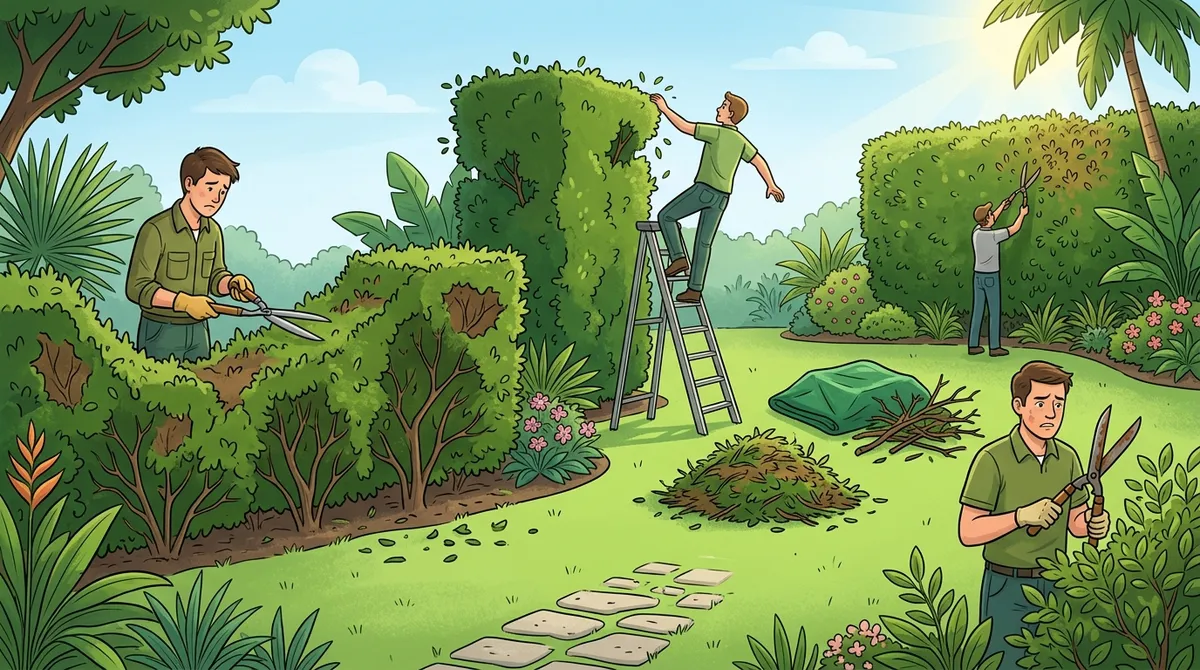
The 10 Hedge Trimming Clearwater Mistakes to Avoid
Mistake 1: Trimming at the Wrong Time of Year
Many homeowners trim hedges whenever they feel like it, without considering the plant’s growth cycle. In Clearwater, the best trimming periods are late winter through early spring, and again in early fall. Trimming during intense summer heat or right before a cold snap can stress plants significantly.
Heavy trimming in summer exposes interior branches to harsh UV rays. This can cause sunscald, browning, and dieback. Always time your hedge trimming around the plant’s active growth periods for the healthiest results. Learn from our hedge trimming tips for nearby homeowners to understand seasonal timing better.
Mistake 2: Cutting Too Much at Once
Removing more than one-third of a hedge’s total volume in a single session is a serious mistake. This over-pruning, sometimes called “topping” or “shearing shock,” weakens the plant’s ability to photosynthesize and recover. The result is often dead sections, poor regrowth, and an unhealthy appearance.
Professional hedge trimming in Clearwater follows the one-third rule strictly. If your hedges are severely overgrown, a qualified landscaper will spread the restoration across multiple sessions to protect plant health.
Mistake 3: Using Dull or Wrong Tools
Dull blades tear plant tissue rather than making clean cuts. Torn stems are more vulnerable to disease, fungal infections, and pest infestations — all of which are especially common in Florida’s humid environment. Using the wrong tool for the hedge type makes this problem worse.
Hand shears work well for light shaping. Electric or gas-powered hedge trimmers handle larger volumes efficiently. Each tool must be sharp, clean, and properly maintained. Lawn and garden equipment maintenance is essential to ensure tools perform correctly and safely on every job.
Mistake 4: Ignoring the Taper (Wrong Shape)
One of the most visually obvious and structurally damaging mistakes is trimming hedges into a box shape that is wider at the top than at the bottom. This blocks sunlight from reaching lower branches, causing them to thin out and die off over time.
The correct shape is slightly wider at the base and narrower at the top — sometimes called a keystone or trapezoid shape. This allows sunlight to reach all levels of the hedge evenly. See why keystone hedge trimming is the best shape for healthy hedges in Florida’s sun-heavy climate.
Mistake 5: Skipping Debris Cleanup After Trimming
Leaving trimmings and clippings on the ground or inside the hedge is a mistake many DIY trimmers make. Decaying debris creates a breeding ground for pests and fungal diseases. In Clearwater’s warm, moist climate, this problem accelerates quickly.
Always remove clippings promptly after every trim session. Many professional landscaping companies bundle debris removal with their trimming services, which saves time and ensures a clean result. Wayne & Sons Landscaping & Junk Removal, serving the greater Tampa Bay area, provides complete cleanup after every hedge trimming job — leaving your property spotless.
Mistake 6: Neglecting Storm Preparation Trimming
Florida storm season runs from June through November. Overgrown hedges act like sails in high winds, increasing the risk of branch breakage, root stress, and even plant loss during storms. Trimming before storm season reduces wind resistance and protects your landscaping investment.
After storms pass, hedge debris can pile up quickly and must be removed efficiently. Pairing hedge trimming with professional storm debris removal ensures your property recovers fast. Having a plan in place before storm season starts is always the smarter approach.
Mistake 7: Not Sterilizing Tools Between Plants
Using the same cutting tools on multiple hedges without sterilizing them is a fast way to spread plant disease across your entire landscape. Fungal spores, bacterial infections, and viral plant diseases can transfer from one shrub to another on contaminated blades.
Between each plant, wipe blades with a solution of one part bleach to nine parts water, or use isopropyl alcohol. This simple step prevents the spread of disease and protects your entire hedge line from infection. It is a standard practice for any professional landscaping crew.
Mistake 8: Cutting Into Dead Wood Without a Plan
When hedges have dead sections, it can be tempting to cut straight into them. However, cutting into dead wood without understanding the cause of the dieback often makes things worse. Dead sections may indicate root disease, pest infestation, or drought stress that needs to be addressed first.
A professional landscaper will assess the cause of dead wood before making cuts. Sometimes the hedge needs treatment, not just trimming. Other times, selective removal and replanting is the better solution for long-term property health. Visit our shrub care page to learn more about healthy shrub management strategies.
Mistake 9: Inconsistent Trimming Schedule
Trimming hedges once a year — or only when they look obviously overgrown — creates a cycle of stress and recovery for the plant. Inconsistent trimming also leads to uneven growth, gaps, and a generally unkempt appearance that reduces curb appeal.
Most hedges in the Clearwater area benefit from trimming every 6 to 10 weeks during the active growing season. A consistent schedule keeps hedges manageable, healthy, and visually appealing all year. If you’re unsure how often your specific hedge species needs trimming, consult a local landscaping professional for a personalized maintenance plan.
Mistake 10: Attempting Large Jobs Without Professional Help
Large hedges, tall shrubs near power lines, or hedges requiring significant restoration are not suitable DIY projects. Working at height with power tools is dangerous, and improper cuts on large established hedges can cause irreversible damage. DIY trimming mistakes can cost far more to fix than the original professional service would have cost.
Platforms like Thumbtack make it easy to find and hire qualified, top-rated landscaping professionals in the Tampa Bay and Clearwater area. Our guide on DIY vs. professional lawn care breaks down exactly when it makes more sense to call in the experts.
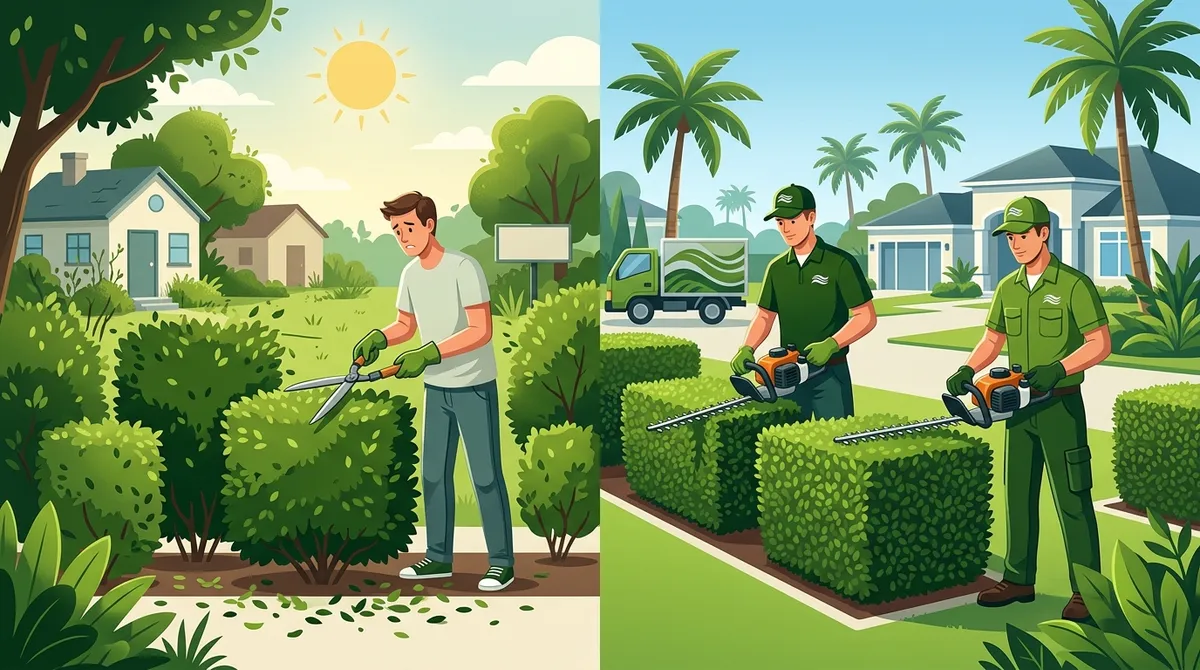
Comparing DIY vs. Professional Hedge Trimming in Clearwater
Understanding the difference between handling hedge trimming yourself and hiring a professional can help you make a smarter, more cost-effective decision for your property.
| Factor | DIY Trimming | Professional Trimming |
|---|---|---|
| Tool Quality | Consumer-grade, often dull | Commercial-grade, sharp and maintained |
| Knowledge of Plant Species | Variable | High — species-specific expertise |
| Debris Cleanup | Homeowner responsible | Included in most service packages |
| Risk of Plant Damage | Higher | Lower — trained technique |
| Time Investment | Several hours per session | Minimal — crew handles everything |
| Storm Prep Coordination | Rarely considered | Built into service scheduling |
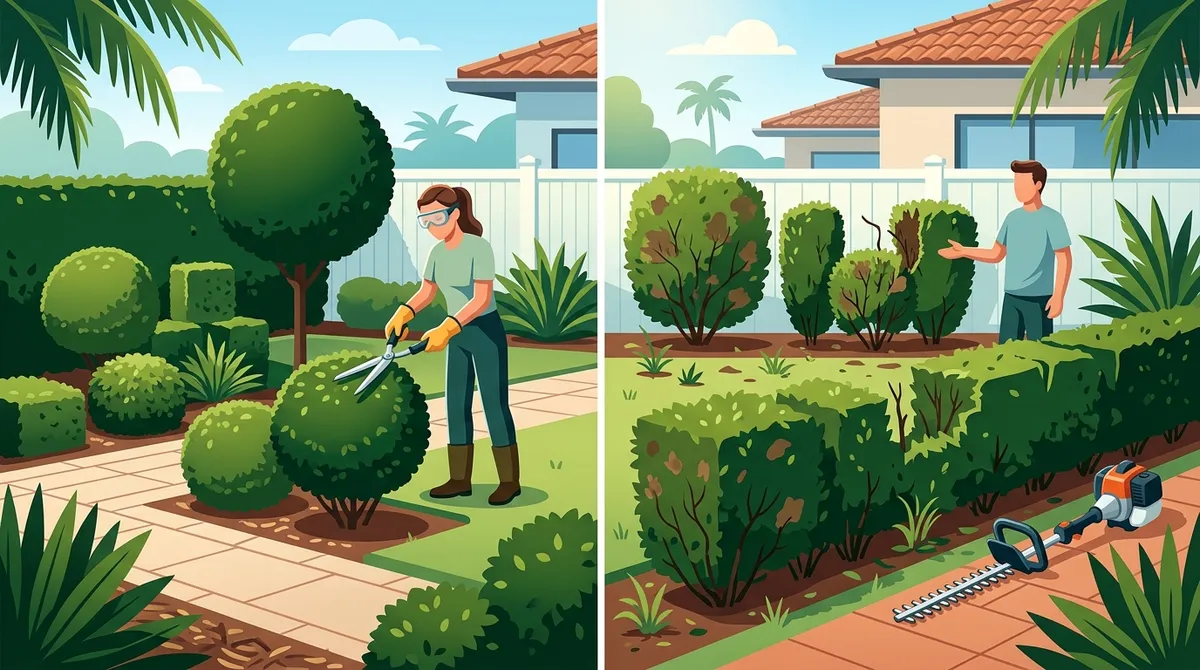
Hedge Trimming Service Options in the Clearwater Area
Clearwater and the surrounding Pinellas County region have a robust landscaping services market. Here is a quick overview of what professional hedge trimming packages typically include in this area.
| Service Component | What It Includes | Why It Matters |
|---|---|---|
| Hedge Shaping | Precision cuts for uniform appearance | Enhances curb appeal immediately |
| Debris Removal | Collection and hauling of all clippings | Prevents disease and pests |
| Edging | Clean lines along walkways and borders | Defines landscape structure |
| Shrub Assessment | Evaluation of plant health | Catches problems before they worsen |
| Mulching (add-on) | Mulch applied around hedge bases | Retains moisture and suppresses weeds |
| Storm Prep Trim | Pre-season reduction cuts | Reduces storm damage risk |
Signs Your Clearwater Hedges Need Immediate Professional Attention
Not every hedge situation calls for routine maintenance. Some warning signs indicate your hedges need urgent professional care. Watch for these issues:
- Brown or yellowing sections that are spreading
- Visible pest activity such as webbing, holes, or visible insects
- Hedges leaning or pulling away from their base
- Branches growing into power lines or structures
- Significant storm damage or broken limbs
- Hedges more than 30% taller or wider than their intended shape
If you notice any of these signs, acting quickly prevents further damage and reduces restoration costs. A qualified crew can assess the situation and provide a transparent estimate with no hidden fees. Reach out to our team to schedule a professional assessment of your hedges today.
Hedge Species Common in Clearwater and Their Trimming Needs
Different hedge species have different trimming requirements. Here is a quick reference for the most common hedges found in Clearwater-area landscapes.
| Hedge Species | Trimming Frequency | Special Considerations |
|---|---|---|
| Viburnum | Every 6–8 weeks | Responds well to heavy shaping |
| Podocarpus | Every 8–10 weeks | Slow grower; avoid over-trimming |
| Ligustrum | Every 6 weeks | Fast grower; needs consistent trimming |
| Clusia | Every 8 weeks | Salt-tolerant; good for coastal areas |
| Firebush | Every 8–12 weeks | Native Florida plant; drought-tolerant |
Pairing Hedge Trimming With Other Landscaping Services
Hedge trimming works best as part of a comprehensive landscaping plan. Many Clearwater property owners combine hedge care with other services for a complete, polished result. The most effective combinations include:
- Hedge trimming and lawn care — A manicured lawn and neatly trimmed hedges together create a dramatic curb appeal improvement.
- Hedge trimming and palm tree maintenance — Clearwater properties often feature both hedges and palm trees. Scheduling both together is more efficient. Learn about professional palm tree trimming services that complement hedge care.
- Hedge trimming and debris removal — Combining trimming sessions with junk removal services keeps the entire property clean and organized.
- Hedge trimming and storm cleanup — After a Florida storm, hedges often need both shaping and surrounding debris cleared. Bundling these services saves time and money.
- Hedge trimming and mulching — Adding fresh mulch around hedge bases after trimming retains moisture and supports healthier growth during dry periods.
What to Look for When Hiring a Hedge Trimming Service in Clearwater
With so many providers in the area, selecting the right company requires some due diligence. Keep these factors in mind when evaluating your options:
- Verified licensing and insurance coverage
- Experience with Florida’s specific plant species and coastal conditions
- Transparent, written estimates before any work begins
- Positive reviews on Google and independent platforms
- Availability of bundled services including debris removal
- Clear communication and reliable scheduling
Wayne & Sons Landscaping & Junk Removal has over 15 years of experience serving the Tampa Bay and surrounding areas, including communities throughout Pinellas County. The team offers honest pricing, dependable scheduling, and a commitment to customer satisfaction on every job. Visit our Google Business Profile to read verified customer reviews and see our work firsthand.
For homeowners curious about how professional hedge trimming compares to DIY for neighboring communities, our in-depth article on professional hedge trimming in Dunedin provides helpful context. You can also explore our professional hedge trimming in Brandon guide for additional insights applicable to the broader Tampa Bay region.
Businesses in Brandon, Florida and surrounding communities have trusted Wayne & Sons for reliable, high-quality landscaping and junk removal services for over a decade. That same trusted expertise extends throughout the Tampa Bay area.
Key Steps for Getting the Best Hedge Trimming Results
Whether you hire a professional or handle some maintenance yourself, following a structured approach leads to better outcomes. Here is a recommended process:
- Assess your hedges — Identify the species, current health, and growth level before any trimming begins.
- Choose the right timing — Schedule trimming during appropriate growing seasons for your specific plants.
- Select qualified professionals — Choose licensed, experienced landscaping crews with strong local reviews.
- Plan for debris disposal — Confirm debris removal is included in your service package or arrange separate pickup.
- Establish a recurring schedule — Set up a consistent maintenance plan to keep hedges healthy and manageable year-round.
Conclusion
Hedge trimming in Clearwater is not a task to take lightly. Florida’s coastal climate, fast plant growth rates, and storm season demands mean that hedges require consistent, expert care to stay healthy and attractive. Avoiding the 10 mistakes outlined in this article will protect your landscaping investment, improve your property’s curb appeal, and reduce long-term maintenance costs.
From cutting at the wrong time to skipping debris cleanup, each error has real consequences for your plants and your property’s appearance. The good news is that professional help is readily available and more affordable than most homeowners expect. Whether you need routine trimming, storm prep, or a full landscape refresh, working with experienced professionals makes a significant difference. Contact our team today to schedule a free estimate and take the first step toward healthier, better-looking hedges.
FAQs
Q: How often should hedges be trimmed in Clearwater, FL?
A: Most hedge species in Clearwater benefit from trimming every 6 to 10 weeks during the active growing season, which spans much of the year in Florida’s warm climate. Consistent scheduling prevents overgrowth, maintains plant health, and keeps your property looking its best. A professional landscaper can recommend a precise schedule based on your specific hedge species.
Q: What is the best time of year for hedge trimming in Clearwater?
A: The optimal trimming windows in Clearwater are late winter through early spring, and again in early fall. Trimming during extreme summer heat or immediately before cold weather can stress plants and slow recovery. Scheduling around a plant’s natural growth cycle produces the healthiest, most uniform results.
Q: Do professional hedge trimming services in Clearwater include debris cleanup?
A: Most reputable professional landscaping companies in the Clearwater area include debris removal and cleanup as part of their hedge trimming service. Removing clippings promptly is essential in Florida’s humid climate to prevent fungal growth and pest infestations. Always confirm debris disposal is included when requesting a service estimate.
Q: Can hedge trimming help protect my property during Florida storm season?
A: Yes, trimming hedges before Florida’s storm season — which runs June through November — significantly reduces wind resistance and the risk of storm damage. Well-maintained hedges are structurally stronger and less likely to break or uproot during high winds. Pairing pre-season trimming with a storm debris removal plan provides comprehensive protection for your landscaping.
Q: How do I find a reliable hedge trimming service in Clearwater?
A: Look for licensed, insured landscaping professionals with verified positive reviews on platforms like Google and Thumbtack. Prioritize companies that offer transparent, written estimates and have experience with Florida’s specific plant species and coastal climate conditions. Bundled services that include debris removal, edging, and shrub assessment provide the best overall value.
Our Service Area