Key Takeaways
-
The Keystone shape (wider at base, narrower at top) solves thin, bare hedges by allowing sunlight to reach lower branches, preventing leaf death and maintaining full density from ground to top.
-
Use guide strings and stakes to mark the exact Keystone angle (e.g., 36 inches base to 24 inches top) before trimming to ensure straight, even cuts that maintain the shape between sessions.
-
Trim fast-growing hedges every 4-6 weeks, moderate-growing every 6-10 weeks, and slow-growing only 2-3 times yearly to maintain the Keystone shape without stressing plants or exposing woody interiors.
-
Avoid common mistakes: never trim flat or vertical, never remove more than one-third of growth at once, always use sharp blades, and always clean up debris to prevent pest breeding and grass damage.
-
Professional Keystone trimming improves curb appeal, property value, privacy screening, and storm resilience while reducing pest and disease risk through better air circulation and sunlight distribution.
-
Essential tools include power hedge trimmers for large sections, hand shears for details, guide strings for accuracy, and safety gear; professional landscapers deliver cleaner, more precise results that last longer.
If your hedges look thin at the bottom or bare in the middle, the problem might be the shape. Many homeowners trim hedges straight up and down — but this blocks sunlight from reaching the lower branches. Over time, the base becomes weak and sparse. The solution? The Keystone shape. This professional technique is widely used in landscaping to keep hedges full, healthy, and attractive from top to bottom. Whether you manage a rental property, are preparing a home for sale, or simply want your yard to look its best, understanding hedge trimming Keystone style can make a big difference. This article explains exactly what the Keystone shape is, why it works, and how professional landscapers use it to get lasting results for homeowners across Brandon, Florida and surrounding communities.
What Is the Keystone Shape in Hedge Trimming?
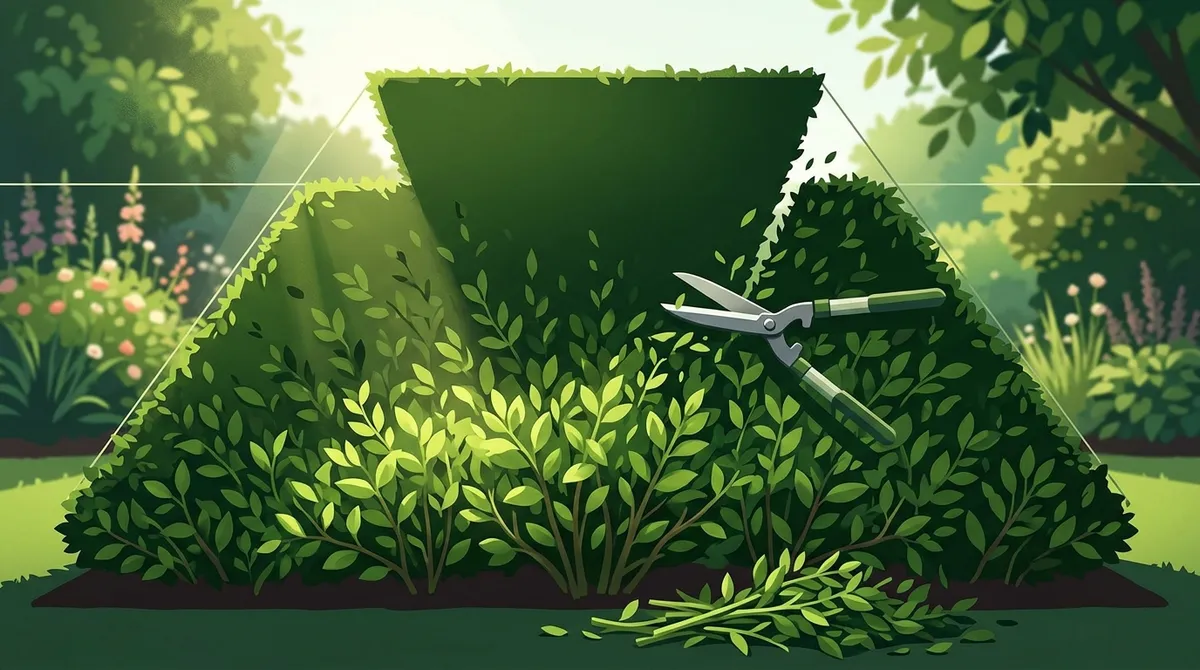
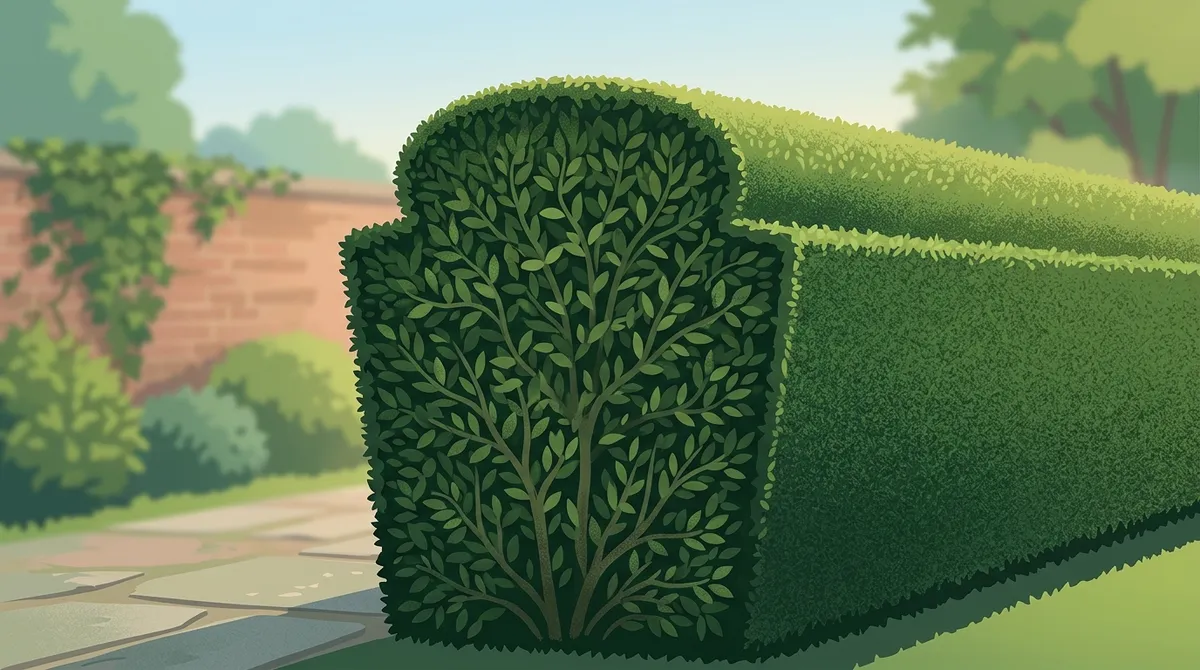
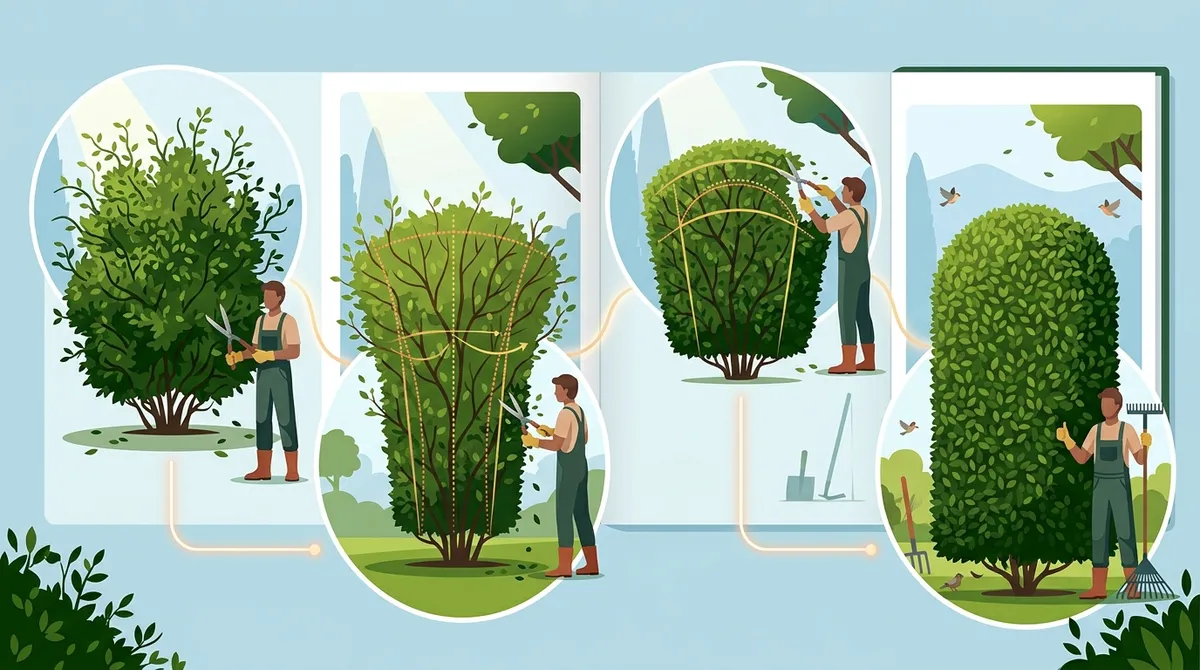
The Keystone shape is a trimming style that makes hedges wider at the base and narrower at the top. Think of it as an inverted trapezoid — broader at the bottom, tapering toward the top. A standard Keystone hedge might measure 36 inches across at the base and 24 inches across at the top.
This angled form is not just about looks. It is a practical design choice rooted in plant science. When the top of a hedge is narrower, sunlight can reach the lower branches. Without this access, lower leaves die off, leaving gaps and bare spots near the ground.
For homeowners in Florida’s sunny climate, this shape is especially beneficial. You can explore professional hedges in Brandon services to see how skilled crews use this technique across a variety of hedge species.
Why Sunlight Distribution Matters for Hedges
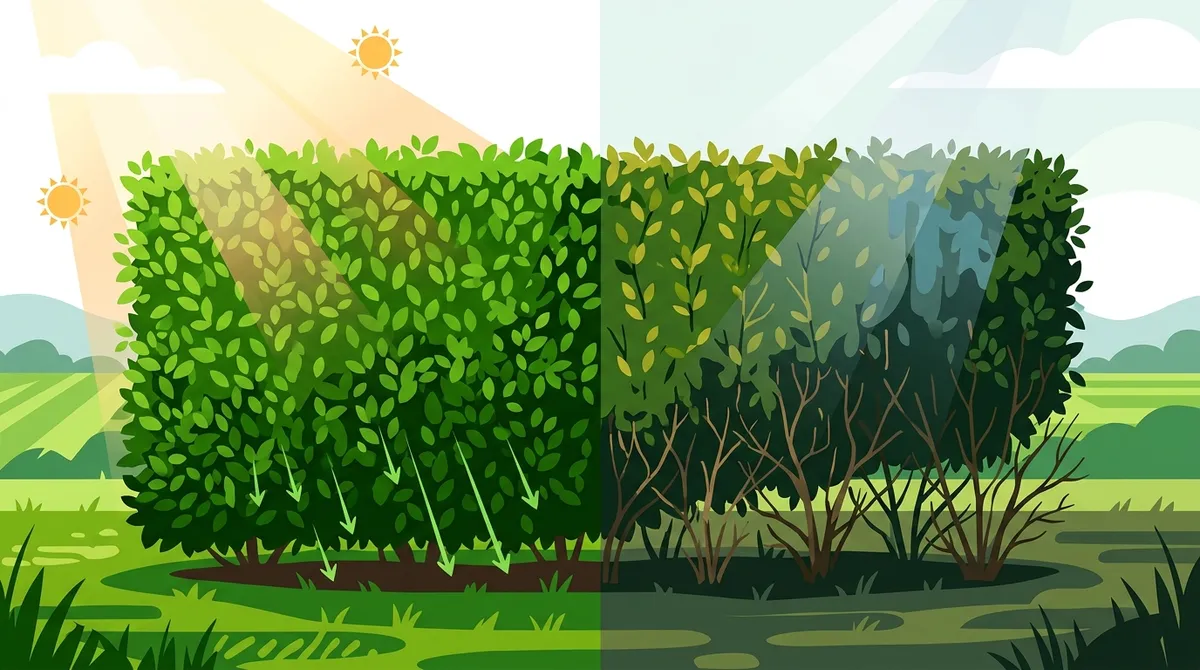
Plants need sunlight to produce energy through photosynthesis. When the top of a hedge grows wide and bushy, it acts like an umbrella — shading the lower branches. Those lower branches slowly weaken, drop their leaves, and eventually die back.
The Keystone shape solves this problem directly. By keeping the top narrower, sunlight filters down to all parts of the hedge. Here is why this matters for long-term plant health:
- Lower branches stay green and dense
- The hedge maintains an even, full appearance
- Plants develop stronger root systems
- Air circulates more freely, reducing disease risk
- Hedges are more resistant to storm damage
Regular trimming using this shape also encourages new growth. When you cut back the tips of branches, the plant responds by producing more lateral shoots, making the hedge thicker over time.
Step-by-Step Guide to Keystone Hedge Trimming
Professional landscapers follow a clear process when trimming hedges into the Keystone shape. Here is how it is done:
- Measure the hedge: Determine the desired base width (e.g., 36 inches) and top width (e.g., 24 inches). Mark these measurements clearly.
- Set your stakes: Drive garden stakes into the ground at each end of the hedge. Place additional stakes every 6 to 12 inches for longer hedges to ensure even lines.
- Run your guide strings: Tie string between the stakes at the correct height and angle to represent the Keystone outline. These lines act as a cutting guide.
- Trim the top first: Using a power hedge trimmer, cut along the top guide line to achieve the desired width. Work in smooth, sweeping motions.
- Shape the sides: Follow the angled string guides to cut the sides at the correct inward taper from base to top.
- Check your work: Step back frequently to assess the shape from a distance. Make small adjustments as needed.
- Clean up debris: Remove all clippings from the lawn and garden beds. Leaving debris behind can smother grass and encourage pests.
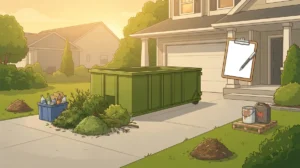
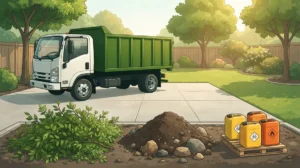
Debris cleanup is an important final step. If you have a large volume of clippings and green waste, junk removal in Brandon services can handle the haul-away quickly and efficiently.
Best Tools for Professional Keystone Trimming
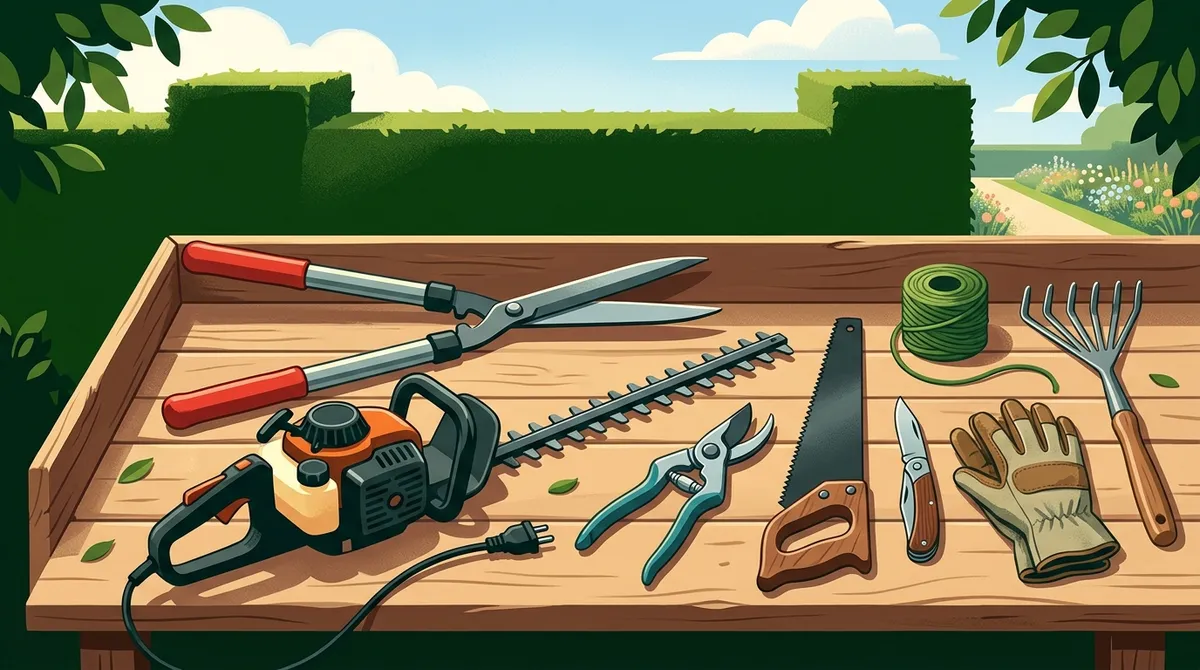
Using the right tools makes a significant difference in the quality of the finished hedge. Below is a summary of the essential equipment for this technique:
| Tool | Purpose | Best For |
|---|---|---|
| Power Hedge Trimmer | Fast, even cutting of large sections | Long hedges and thick growth |
| Hand Hedge Shears | Precision trimming of fine details | Small hedges and touch-up work |
| Garden Stakes | Anchor guide strings at each end | All hedge trimming projects |
| String/Twine | Visual cutting guide for straight lines | Ensuring Keystone angle accuracy |
| Measuring Tape | Confirm base and top widths | Setting precise Keystone dimensions |
| Safety Glasses & Gloves | Personal protection during cutting | All trimming tasks |
Safety is non-negotiable during hedge trimming. Always wear protective gloves and eye protection. Keep bystanders — especially children — away from the work area while power tools are in use.
How Often Should You Trim Hedges?
Trimming frequency depends on the hedge species and its growth rate. Some hedges need attention every two weeks during peak growing season; others only require trimming once or twice a year. Getting the timing right is key to maintaining the Keystone shape without stressing the plants.
| Hedge Type | Growth Rate | Recommended Trimming Frequency |
|---|---|---|
| Fast-growing species (e.g., Podocarpus) | High | Every 4–6 weeks during growing season |
| Moderate-growing species (e.g., Viburnum) | Medium | Every 6–10 weeks |
| Slow-growing species (e.g., Boxwood) | Low | 2–3 times per year |
| Formal privacy hedges | Varies | Monthly during peak season |
Avoid letting hedges go too long without trimming. When overgrowth becomes severe, the woody interior becomes exposed and the plant takes much longer to recover. The landscaping services team at Wayne & Sons can help establish a consistent maintenance schedule that keeps your hedges looking their best year-round.
Benefits of Keystone Hedge Trimming for Your Property
The advantages of professional hedge trimming Keystone style extend beyond plant health. Here is what property owners gain from maintaining properly shaped hedges:
- Improved curb appeal: Clean, well-shaped hedges instantly elevate the look of any property
- Better privacy screening: Full, dense hedges provide effective barriers from neighbors and street traffic
- Increased property value: Attractive landscaping is a proven factor in real estate appraisals
- Safer sightlines: Properly trimmed hedges near driveways and pathways improve visibility for safety
- Reduced pest risk: Good air circulation through open canopy shapes deters insects and fungal disease
- Storm resilience: Hedges trimmed into a stable shape are less likely to suffer wind damage
For real estate agents preparing listings or property managers maintaining rental units, consistently trimmed hedges send a strong message to potential buyers and tenants. First impressions matter, and well-maintained landscaping sets the right tone from the moment someone arrives at the property.
Common Mistakes to Avoid When Trimming Hedges
Even experienced DIY enthusiasts make avoidable errors when trimming hedges. Here are the most common mistakes — and why they matter:
- Trimming too flat or vertical: This shades the base, causing die-back at the bottom of the hedge.
- Cutting too much at once: Removing more than one-third of a hedge’s growth at one time stresses the plant significantly.
- Skipping the guide strings: Without a guide, it is nearly impossible to cut a straight, even line — especially on long hedges.
- Using dull blades: Dull hedge trimmer blades tear branches rather than cutting cleanly, leaving ragged edges that invite disease.
- Ignoring debris cleanup: Leaving clippings on the lawn can smother grass and create a breeding ground for pests.
If you are unsure about tackling hedge trimming on your own, hiring a professional is always the smarter choice. You can reach out to our team for a straightforward consultation and upfront estimate with no surprises.
Pairing Hedge Trimming With Comprehensive Yard Services
Hedge trimming does not exist in isolation. A well-maintained yard requires attention to many elements working together. After a major trimming session, large volumes of green waste often need to be removed from the property. This is where junk hauling in Brandon services come in handy.
Similarly, trimming near trees may reveal limbs that need attention. Down tree removal in Brandon services handle fallen branches and hazardous limbs safely. For properties with palm trees nearby, palm tree trimming should be scheduled at the same time to keep the entire yard looking cohesive and neat.
Storm season in Florida can also leave behind significant debris. If a storm has disrupted your hedges and landscaping, storm debris removal in Brandon services can clear the property quickly so you can get back to normal. You can also read verified reviews on Thumbtack to see what others in the community say about the quality and reliability of the work.
Why Choose a Professional for Hedge Trimming Keystone Work
Professional landscapers bring tools, training, and experience that DIY trimming simply cannot match. They know how to read plant health, identify early signs of disease, and apply the Keystone technique consistently across complex hedge layouts. The result is a cleaner, more precise finish that lasts longer between sessions.
Wayne & Sons Landscaping & Junk Removal has served Brandon, Florida and surrounding communities for over 15 years. The team brings a commitment to effortless service, clear pricing, and lasting results to every property they work on. You can visit the Google Business Profile to see firsthand what local customers say about the quality of work delivered. To learn more about the full range of services available, visit the shrubs in Brandon page or browse the complete project gallery for examples of past work.
Conclusion
The Keystone shape is one of the most effective hedge trimming techniques in professional landscaping. By keeping the base wider than the top, it allows sunlight to reach every level of the plant — resulting in fuller, healthier, and more attractive hedges over time. Whether you are a homeowner looking to boost curb appeal, a property manager maintaining rental units, or a real estate professional preparing a listing, proper hedge trimming makes a visible difference. Do not let overgrown or poorly shaped hedges detract from your property’s potential. Contact our team today or call us at (813) 452-1570 to schedule professional hedge trimming and landscaping services across Brandon, Tampa, Riverview, Valrico, and the surrounding area.
FAQs
Q: What is the Keystone shape in hedge trimming?
A: The Keystone shape is a trimming technique where the hedge is cut wider at the base and narrower at the top, forming an inverted trapezoid. A standard Keystone hedge measures approximately 36 inches at the base and 24 inches at the top, allowing sunlight to reach the lower branches and promote even, healthy growth.
Q: Why should hedges be wider at the bottom when trimming?
A: Trimming hedges wider at the bottom ensures that sunlight can reach all levels of the plant, including the lower branches. Without this light access, lower leaves die off and the hedge develops bare, woody patches near the ground that are difficult to recover.
Q: How often should hedge trimming be performed to maintain the Keystone shape?
A: Trimming frequency depends on the species and its growth rate. Fast-growing hedges may require trimming every four to six weeks during peak season, while slow-growing varieties may only need attention two to three times per year. Consistent trimming prevents overgrowth and keeps the Keystone shape well-defined.
Q: What tools are needed for professional Keystone hedge trimming?
A: Professional Keystone hedge trimming requires a power hedge trimmer for large sections, hand shears for detail work, garden stakes and string for guide lines, a measuring tape for accurate dimensions, and protective gear such as gloves and safety glasses. Using sharp, well-maintained tools ensures clean cuts that reduce stress on the plant.
Q: Can I pair hedge trimming with other landscaping or junk removal services?
A: Yes — hedge trimming is often combined with other services such as shrub care, palm tree trimming, and green waste removal for a complete yard transformation. After a major trimming session, junk hauling services can handle the removal of clippings and debris, leaving your property clean and ready to enjoy.