Key Takeaways
-
Over-trimming palms (hurricane cutting) severely damages trees by removing too many fronds, causing nutrient loss, trunk narrowing, and vulnerability to disease—retain a full canopy and only remove dead or damaged fronds.
-
Professional palm trimming should occur in late spring through early summer (April-May) before hurricane season to reduce storm damage risk and protect property from falling debris and structural failure.
-
Using proper sterilized, specialized equipment is essential to prevent ragged cuts that invite disease like Fusarium wilt, which spreads between trees via contaminated tools—DIY tools cause significant damage.
-
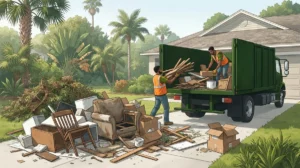
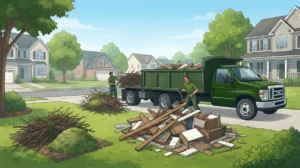
Always include professional debris cleanup after trimming, as piled fronds and seed pods attract pests, create tripping hazards, reduce curb appeal, and can violate HOA guidelines in Clearwater communities.
-
Hire professionals for tall palms (20-50 feet) to avoid serious safety risks from ladder falls and falling debris; improper DIY cuts leave trees vulnerable to disease and structural damage.
-
Most Clearwater palms need trimming once or twice yearly depending on species—Queen Palms require 2-3 times annually, Sabal Palms once yearly, and Washingtonia Palms 1-2 times to prevent pest nesting in dead frond skirts.
Palm trees are one of the most iconic features of Clearwater’s landscape. They line streets, frame properties, and add undeniable curb appeal to homes and businesses alike. But when it comes to maintaining them properly, many property owners make costly errors that can damage or even kill their palms. If you own palm trees in Clearwater, understanding what not to do is just as important as knowing the right approach. This guide covers the five most common palm tree trimming mistakes made in the Clearwater area — and what to do instead to keep your palms healthy, safe, and looking their best year-round.
Why Palm Tree Trimming Matters in Clearwater
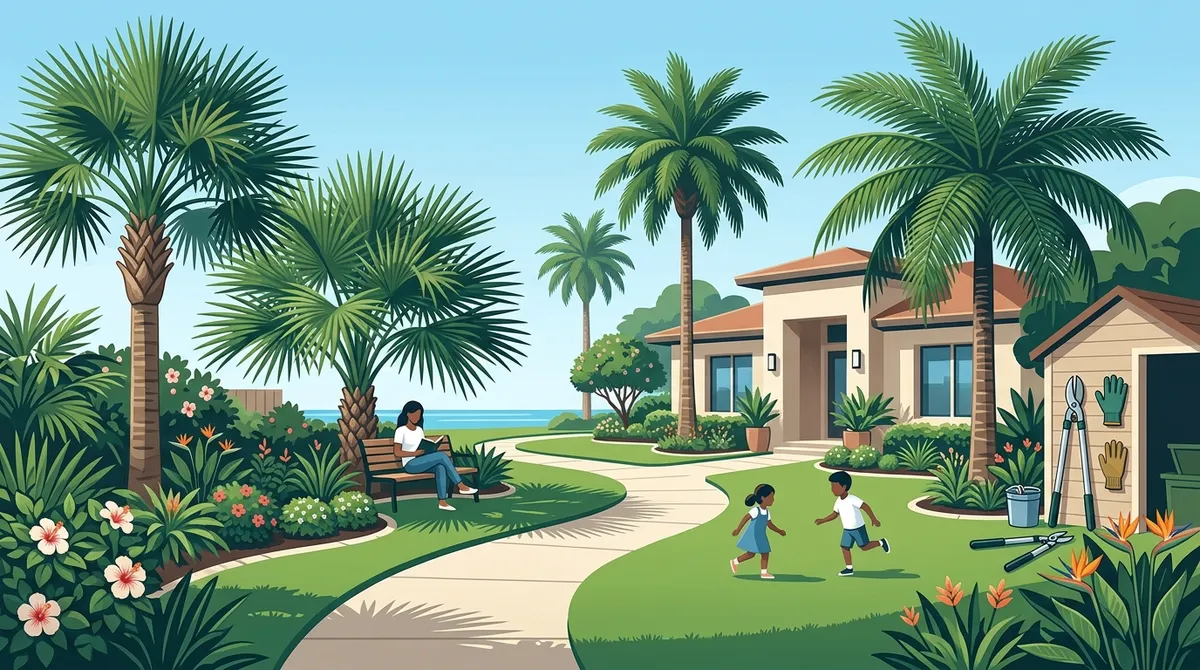
Clearwater’s warm, humid climate is ideal for palm trees. Varieties like Sabal Palms, Queen Palms, and Washingtonia Palms thrive here. However, the same coastal environment that helps them grow also exposes them to tropical storms and hurricanes. Routine palm tree trimming in Clearwater reduces the risk of falling fronds, flying debris, and storm damage to your property. It also keeps trees visually appealing and structurally sound throughout the year.
Beyond storm preparedness, regular maintenance protects the long-term health of each tree. Neglected palms can develop pest infestations, fungal issues, and structural weakness. Proper trimming removes dead fronds, seed pods, and hazardous material before they become a serious problem. For property managers and homeowners alike, this kind of proactive care is a smart investment. You can browse our full range of landscaping services to see how palm maintenance fits into a complete property care plan.

Common Palm Tree Varieties in Clearwater
Before diving into the mistakes, it helps to understand what types of palms are most common in the Clearwater area. Each variety has its own trimming requirements.
| Palm Variety | Common Features | Trimming Frequency | Special Notes |
|---|---|---|---|
| Sabal Palm (Cabbage Palm) | Florida’s state tree; fan-shaped fronds | Once per year | Avoid removing green fronds |
| Queen Palm | Tall, feathery fronds; fast-growing | 2–3 times per year | Remove seed pods regularly |
| Washingtonia Palm | Large skirt of dead fronds | 1–2 times per year | Dead frond skirts attract pests |
| Bismarck Palm | Silver-blue fronds; ornamental | Once per year | Minimal trimming needed |
Knowing your palm variety helps you set the right maintenance schedule. If you are unsure which species you have, a professional landscape crew can identify it quickly and recommend the correct care plan.

Mistake 1: Over-Trimming (Hurricane Cutting)
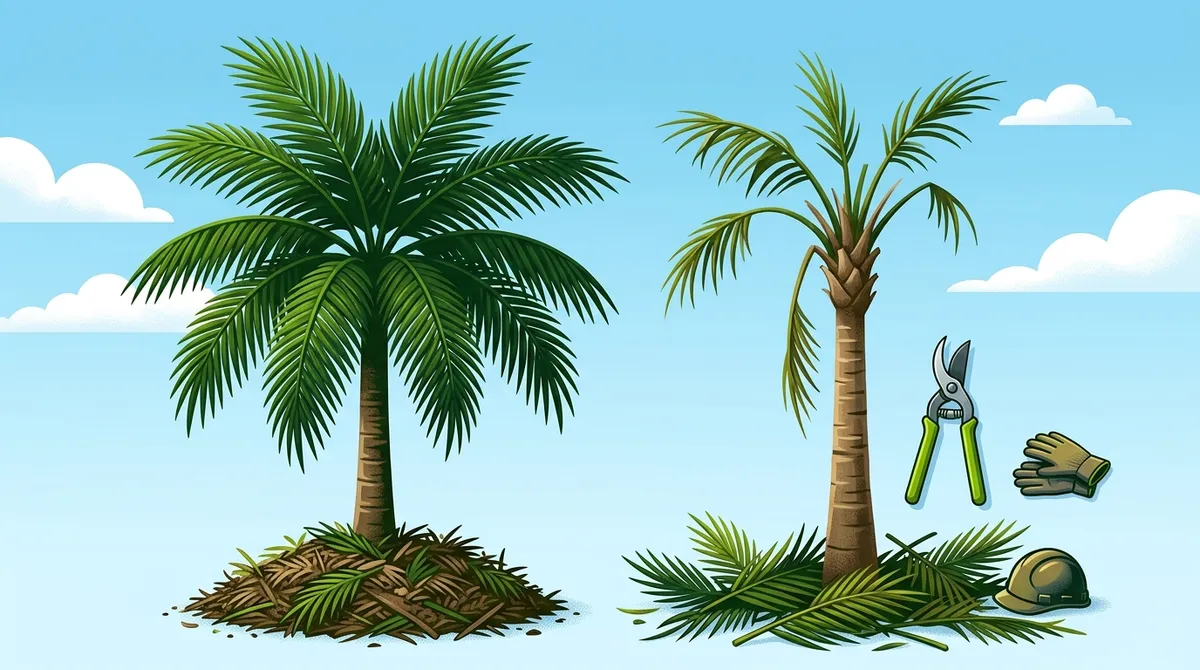
This is the single most damaging mistake property owners make. “Hurricane cutting” refers to removing nearly all of a palm’s fronds in an attempt to storm-proof the tree. In reality, this practice does the opposite — it severely stresses the palm and weakens it over time.
Palm trees store nutrients in their fronds. When too many are removed at once, the tree cannot feed itself properly. This leads to a condition called “penciling,” where the trunk narrows at the top due to lack of nutrients. Over-trimmed palms become vulnerable to disease, pest infestation, and in severe cases, death. A well-maintained palm should always retain a full, rounded canopy of healthy green fronds. Only dead, brown, or clearly damaged fronds should be removed during each service visit.
For guidance on best practices, the reasons to hire palm tree trimming pros article explains why professional judgment makes a critical difference in these situations.
Mistake 2: Using the Wrong Tools
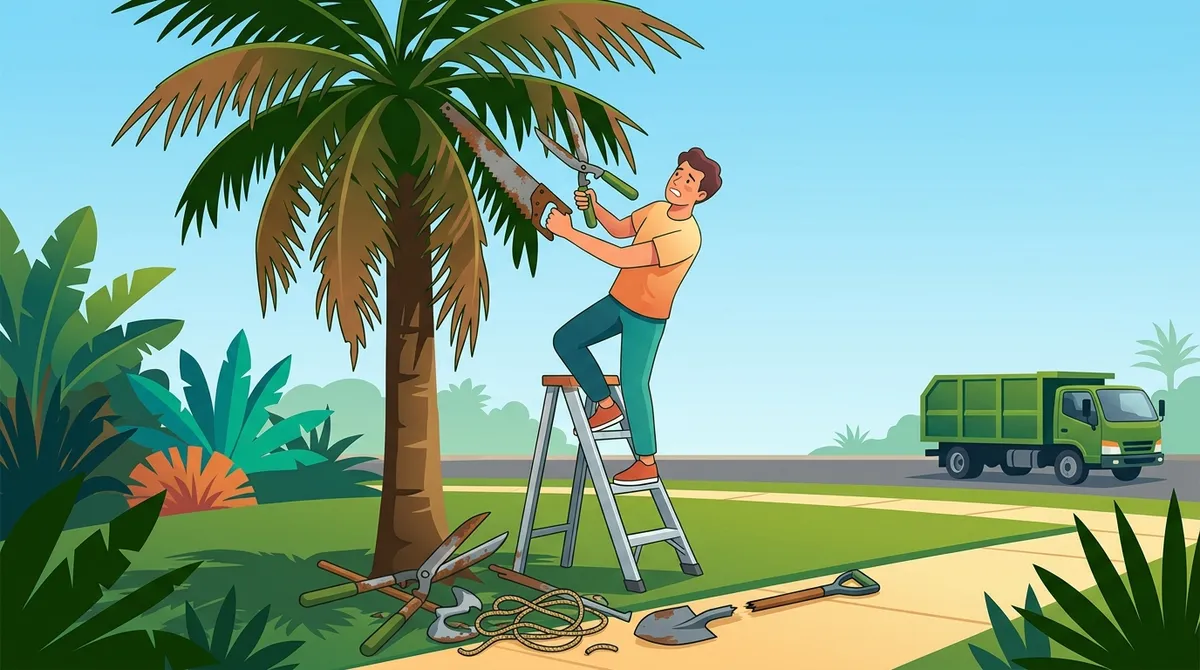
Using dull, dirty, or incorrect equipment is another common error. Many DIY attempts involve household tools like regular saws or hedge trimmers that are not designed for palm frond removal. This creates ragged cuts that invite disease and pests into the tree.
Professional trimmers use sharp, sterilized cutting tools designed specifically for palm maintenance. Sterilization between trees is essential because certain diseases — like Fusarium wilt — spread from tree to tree via contaminated blades. Here is what proper palm trimming equipment typically includes:
- Sharp pruning saws rated for thick palm frond stems
- Pole saws for reaching higher fronds safely
- Sterilized blades to prevent disease transfer
- Protective gear including helmets and gloves
- Aerial lift equipment for very tall specimens
Improper tools not only harm the tree — they also create serious safety risks for anyone attempting the work without training. This is a key reason why professional palm tree trimming in Clearwater is strongly recommended over DIY attempts, especially for tall or heavily loaded trees.
Mistake 3: Trimming at the Wrong Time of Year
Timing matters more than most people realize. Trimming too early or too late in the season can expose palms to cold stress or interfere with their natural growth cycle. In Florida, the best general window for palm trimming is late spring through early summer, just before hurricane season begins in June.
| Season | Trimming Recommendation | Reason |
|---|---|---|
| Spring (April–May) | Ideal timing | Prepares trees before hurricane season |
| Early Summer (June) | Acceptable | Storm prep window; active growth |
| Late Summer (July–August) | Avoid heavy trimming | Active storm season; stress risk |
| Fall (September–October) | Light cleanup only | Allow recovery before cooler months |
| Winter (November–February) | Minimal trimming | Cold stress risk; reduced growth |
Trimming palms right before a storm can also be beneficial by reducing wind resistance. However, this should only be done by experienced professionals who know how much material to safely remove. Experienced crews serving the Brandon, Florida area and beyond understand local seasonal patterns and can advise on the best schedule for your specific trees.
Mistake 4: Ignoring Green Waste Cleanup After Trimming
A trimming job is not complete until the debris is cleared. Many property owners — and even some inexperienced crews — leave palm fronds, seed pods, and cut material scattered around the base of the tree. This is not just an eyesore. It creates real problems.
Piled palm debris can:
- Attract pests like rodents, roaches, and fire ants
- Create tripping hazards on walkways and driveways
- Block drainage and cause moisture buildup
- Reduce curb appeal and property value
- Violate HOA guidelines in many Clearwater communities
A professional landscaping crew will haul away all green waste as part of the service, leaving your property completely clean after the job. This debris removal component is especially important for property managers overseeing multiple units or for real estate agents preparing homes for listing. If you also have other items to clear, pairing palm trimming with a junk removal in Brandon service is a highly efficient option. You can also confirm service quality by reviewing feedback on Thumbtack, where Wayne & Sons Landscaping & Junk Removal has earned strong customer reviews.
For storm-related debris specifically, our storm debris removal in Brandon service covers large-scale cleanup needs quickly and efficiently.
Mistake 5: Attempting to Trim Tall Palms Without Professional Equipment
This is arguably the most dangerous mistake on this list. Many palms in Clearwater grow to heights of 20, 30, or even 50 feet. Attempting to trim these trees without proper equipment and training is extremely hazardous. Falls from ladders account for thousands of serious injuries each year, and heavy falling fronds add another layer of risk.
Beyond personal safety, DIY trimming of tall palms frequently results in:
- Incorrect cuts that leave the tree vulnerable to disease
- Removal of too many or too few fronds
- Damage to nearby structures from falling debris
- Injury to bystanders on the ground
- Incomplete removal of hazardous seed pods
Professional crews bring the right aerial equipment, safety protocols, and years of hands-on experience to handle tall palms correctly and safely. If you are curious about why professional service makes such a significant difference, the article on why professional tree trimming services are worth it provides excellent insight. You may also find the piece on DIY vs. professional lawn care services helpful when weighing your options.
What Professional Palm Tree Trimming in Clearwater Includes
When you hire a qualified landscaping crew for palm tree trimming in Clearwater, you should expect a thorough, professional process from start to finish. Here is a step-by-step overview of what a quality service visit typically involves:
- Property assessment: The crew evaluates the tree’s height, species, condition, and surrounding structures before any cuts are made.
- Tool preparation: Sharp, sterilized cutting equipment is selected based on the size and variety of the palm.
- Dead frond removal: Only brown, dying, or clearly damaged fronds are removed. Healthy green fronds are left intact.
- Seed pod and fruit removal: Seed pods and fruit clusters are cleared to prevent falling hazards and unwanted seedlings.
- Debris hauling: All trimmed material is collected and removed from the property.
- Final inspection: The crew checks the tree’s appearance and the surrounding area to confirm a clean, professional result.
This process is consistent whether the job involves a single residential palm or a row of trees on a commercial property. Reliable professionals — like those at Wayne & Sons Landscaping & Junk Removal on Google — bring this level of care to every visit, ensuring results you can see and trust.
Comparing DIY vs. Professional Palm Trimming
| Factor | DIY Trimming | Professional Trimming |
|---|---|---|
| Safety | High risk, especially for tall palms | Trained crews with proper safety gear |
| Tool Quality | Often inadequate or unsterilized | Specialized, sterilized equipment |
| Tree Health Outcome | Risk of over-trimming or disease | Correct cuts that support growth |
| Debris Cleanup | Homeowner responsibility | Included in professional service |
| Time Required | Hours of labor and planning | Efficient, scheduled service |
| Cost Efficiency | Hidden costs from mistakes | Transparent, upfront pricing |
The data above makes a clear case for professional service. When factoring in the risks, tools, time, and potential tree damage, professional palm trimming delivers significantly better value. For insurance-related questions about your property and landscaping work, resources like Helpinghands-insurance LLC can help you understand coverage considerations for tree services on your property.
How Often Should Palm Trees Be Trimmed in Clearwater?
Most palms in the Clearwater area benefit from professional trimming once or twice per year. Queen Palms, which produce heavy seed pods, may require more frequent attention. Sabal Palms, Florida’s state tree, are relatively low-maintenance and typically need trimming once annually. Washingtonia Palms often develop a large skirt of hanging dead fronds that should be cleared annually to prevent pest nesting.
Your specific schedule should be based on the variety, age, height, and location of each tree on your property. A professional crew can assess your palms and recommend a maintenance calendar tailored to your situation. For additional guidance on related tree care topics, the resource on why palm tree trimming in Tampa is so important outlines many of the same regional factors relevant to Clearwater properties. You can also explore more tips in the palm tree trimming and pruning tips guide for a deeper dive into best practices.
The Connection Between Palm Trimming and Hurricane Preparedness
Clearwater sits directly in Florida’s hurricane zone. Properly trimmed palms are significantly more resistant to storm damage than neglected ones. Well-maintained palms have less wind resistance because there is no excess dead material to catch gusts. This means fewer falling fronds and reduced risk of the tree toppling entirely during a storm.
Scheduling a professional trim before hurricane season — ideally in late April or May — is one of the smartest steps any Clearwater property owner can take. It reduces storm damage liability, protects adjacent structures, and keeps your landscape looking clean and well-kept heading into the summer months. If storm damage does occur, our team is equipped to handle storm debris removal quickly and thoroughly. You can explore our gallery to see the quality of results our crews deliver on real properties.
Understanding the broader scope of landscape maintenance can help you plan ahead. The article on what landscape maintenance really includes is a great starting point for building a comprehensive year-round care strategy. For additional context on professional equipment used in lawn and landscape care, the Lawn Mower Wikipedia page provides helpful background on the types of tools involved in maintaining well-kept outdoor spaces.
Conclusion
Palm trees are a defining feature of Clearwater properties — but only when they are properly maintained. Avoiding these five common trimming mistakes will protect your investment, improve your property’s curb appeal, and reduce storm-related risks heading into hurricane season. Whether you manage a single home or a portfolio of rental properties, professional palm tree trimming is a service that pays for itself in safety, aesthetics, and long-term tree health.
Wayne & Sons Landscaping & Junk Removal brings over 15 years of experience to every job, delivering expert palm trimming, complete debris hauling, and transparent pricing throughout the greater Tampa Bay area. Ready to get your palms in top shape? Reach out to our team today to schedule your service and get a free, upfront estimate — or call us directly at (813) 452-1570 to speak with a landscaping professional right away.
FAQs
Q: How much does palm tree trimming cost in Clearwater?
A: Palm tree trimming costs in Clearwater vary based on the height, species, and number of trees being serviced. Professional companies typically offer free, transparent estimates so you know the full cost before any work begins. Wayne & Sons Landscaping & Junk Removal provides upfront pricing with no hidden fees.
Q: How often should palm trees be trimmed in Florida?
A: Most palm trees in Florida benefit from professional trimming once or twice per year. Queen Palms may require trimming up to three times annually due to heavy seed pod production, while Sabal Palms typically need attention just once per year. A professional can assess your specific trees and recommend the right schedule.
Q: Is it safe to trim palm trees yourself in Clearwater?
A: DIY palm trimming carries significant risks, particularly for taller varieties that can reach 30 to 50 feet in height. Without proper equipment, training, and sterilized tools, homeowners risk personal injury, property damage, and long-term harm to the tree. Professional trimming is strongly recommended for safety and best results.
Q: Does palm tree trimming help protect against hurricanes?
A: Yes, properly trimmed palms are more resistant to storm damage because excess dead fronds and seed pods are removed, reducing wind resistance. Scheduling a professional trim in late spring — before hurricane season — is one of the most effective ways to minimize storm-related risks on your Clearwater property.
Q: Do landscaping companies haul away palm fronds after trimming?
A: Reputable landscaping companies include full debris removal as part of their palm trimming service. This means all cut fronds, seed pods, and green waste are collected and hauled away, leaving your property clean and free of hazards after the job is complete.