Key Takeaways
-
Storm debris must be cleared within 24-72 hours to prevent mold growth and pest attraction like mosquitoes, termites, and rodents that thrive in damp organic material.
-
Professional storm debris removal includes hauling and disposing of fallen branches, uprooted shrubs, leaves, and brush piles, but excludes full tree felling and stump removal which require separate services.
-
Dunedin residents should choose providers with same-day or next-day availability, proper equipment, transparent upfront pricing, and knowledge of Pinellas County’s specific green waste disposal regulations.
-
Delayed debris removal directly damages property value and curb appeal, particularly concerning for homeowners selling, landlords renting units, or real estate agents listing storm-affected properties.
-
Professional storm debris removal follows EPA guidelines by separating and recycling organic yard waste to approved facilities, reducing environmental impact compared to DIY disposal methods.
-
Blocked driveways, slippery walkways, and decaying debris create immediate safety hazards; Florida’s hurricane-prone status makes professional post-storm cleanup a recurring necessity for Tampa Bay area residents.
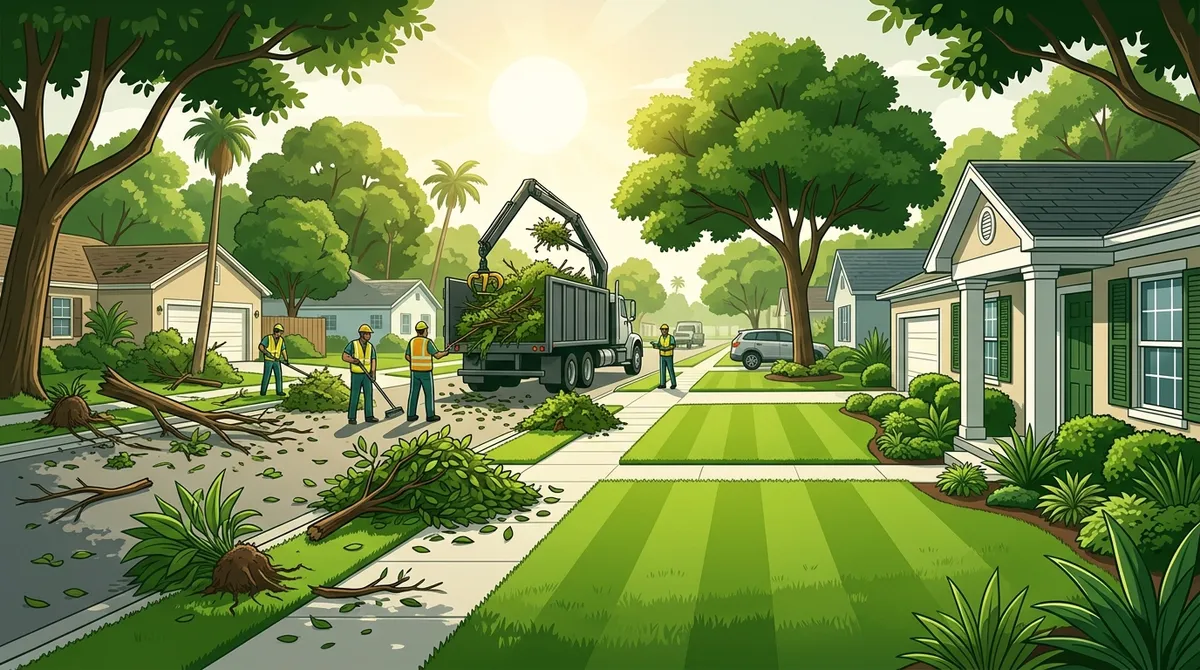
When a storm tears through Dunedin, it leaves behind more than just rain and wind. Fallen branches, scattered leaves, uprooted shrubs, and broken limbs pile up fast. For homeowners, property managers, and businesses alike, the aftermath can feel overwhelming. That mess is not just an eyesore — it is a genuine safety hazard. Blocked driveways, slippery walkways, and decaying organic matter can quickly become dangerous. Getting the right team in place for storm debris removal in Dunedin is not optional — it is essential. Florida is the most hurricane-prone state in the country, according to NOAA historical records, so the need for fast, professional post-storm cleanup is a recurring reality for residents of the greater Tampa Bay area. This article explains what storm debris removal covers, why it matters, and how to get your property back to its best condition as quickly as possible.
What Storm Debris Removal Actually Covers
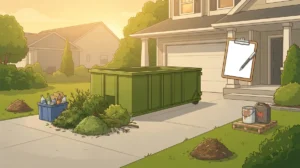
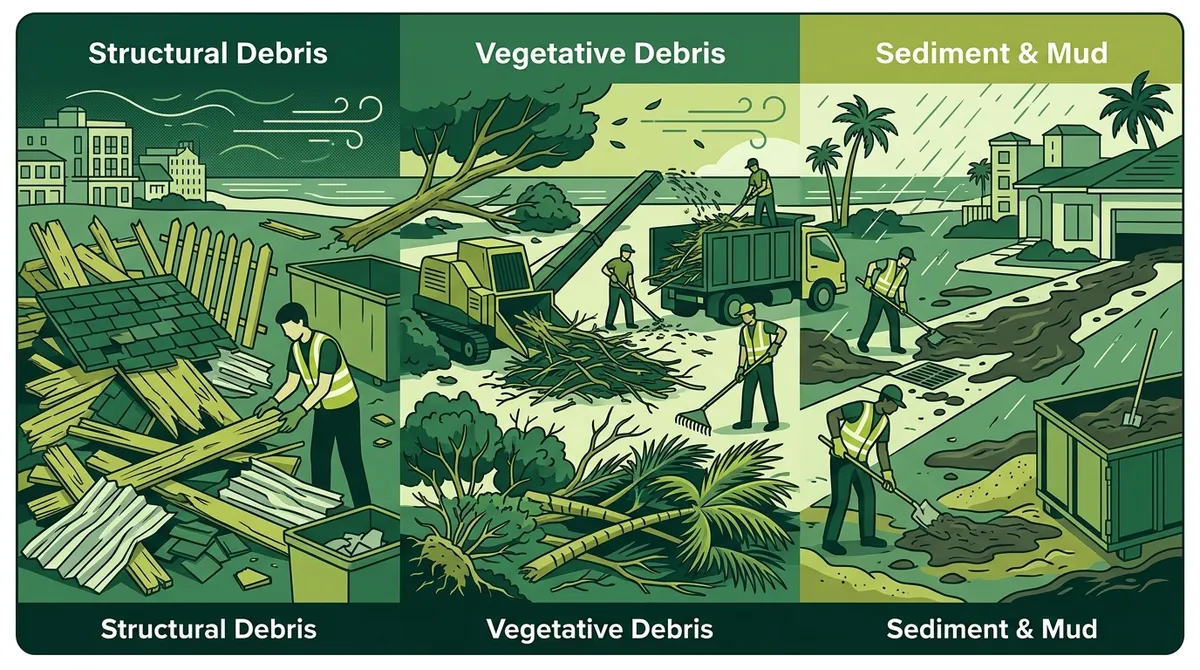
Many people assume storm debris removal is simply picking up a few branches. In reality, it is a structured process that involves hauling, loading, and properly disposing of a wide range of organic yard waste. Understanding what is included helps you plan your cleanup more effectively and set the right expectations for your service provider.
Most professional storm debris removal services handle the following types of material:
- Fallen tree branches and large limbs
- Piles of leaves and ground-level debris
- Uprooted shrubs and damaged bushes
- Brush piles and yard clippings left by storm winds
- Small fallen trees (not full tree-felling or stump grinding)
- Storm-damaged landscaping material such as mulch, edging, and ground cover
It is important to distinguish storm debris removal from full down tree removal in Brandon. If a large tree has fallen and requires cutting, sectioning, and heavy equipment, that is a separate service. Storm debris removal focuses on clearing the debris that is already loose, scattered, or broken — not on felling standing trees or removing stumps.
Why Dunedin Homeowners Need Fast Cleanup After Storms
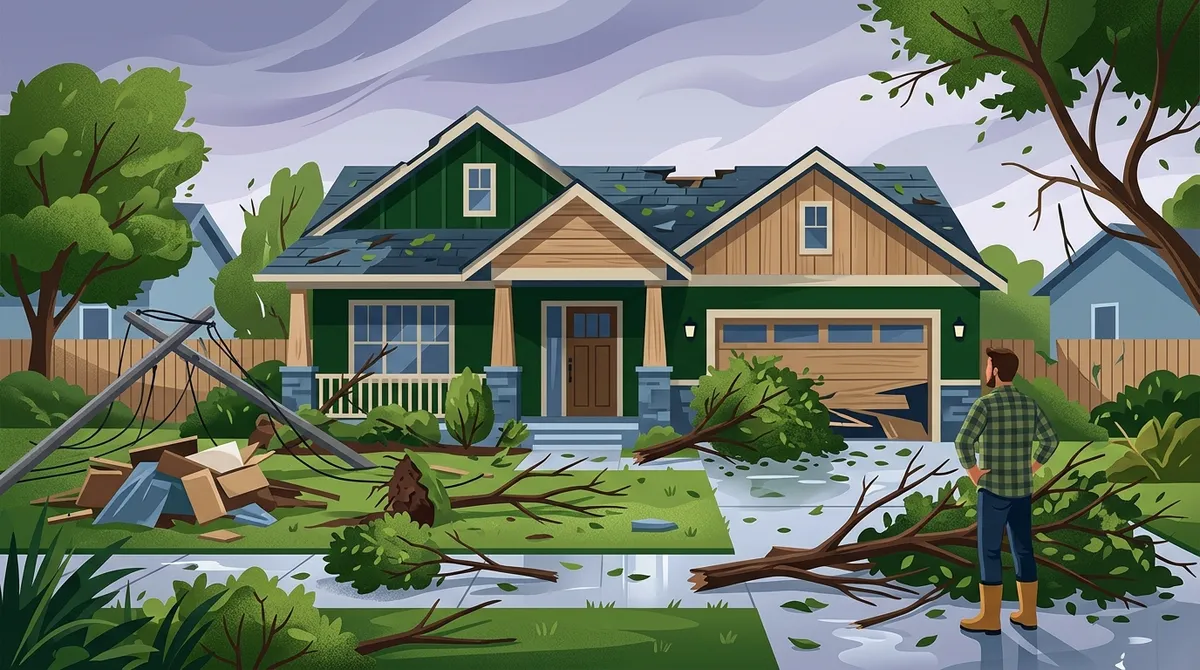
Speed matters after a storm. The longer debris sits on your property, the more problems it creates. Wet organic material like leaves and branches can develop mold within days. Pests — including mosquitoes, termites, and rodents — are attracted to piles of damp wood and rotting vegetation. Blocked driveways and walkways create trip hazards and restrict access to your home or business.
According to FEMA, debris management is one of the most time-sensitive parts of disaster recovery. Clearing blocked access and unsafe conditions must happen quickly to protect both people and property. For Dunedin residents, this rings especially true after hurricanes, tropical storms, and the severe thunderstorms that regularly roll through the Tampa Bay area during summer months.
Here is a quick look at the risks of delayed storm debris removal:
| Risk | Cause | Timeframe |
|---|---|---|
| Mold growth | Wet organic debris sitting in place | 24–72 hours |
| Pest attraction | Damp wood and rotting vegetation | 48–96 hours |
| Trip and fall hazards | Branches and debris on walkways | Immediate |
| Curb appeal damage | Visible yard waste and disorder | Immediate and ongoing |
| Property value impact | Neglected appearance after storm events | Days to weeks |
If you manage rental properties or are preparing a home for sale, this timeline matters even more. A debris-covered property signals neglect to prospective tenants and buyers. Prompt cleanup protects your investment and maintains the professional image your property deserves. For more insight on related services, see storm debris removal in Brandon and the variety of approaches available in the greater Tampa Bay region.
Step-by-Step: How Professional Storm Debris Removal Works
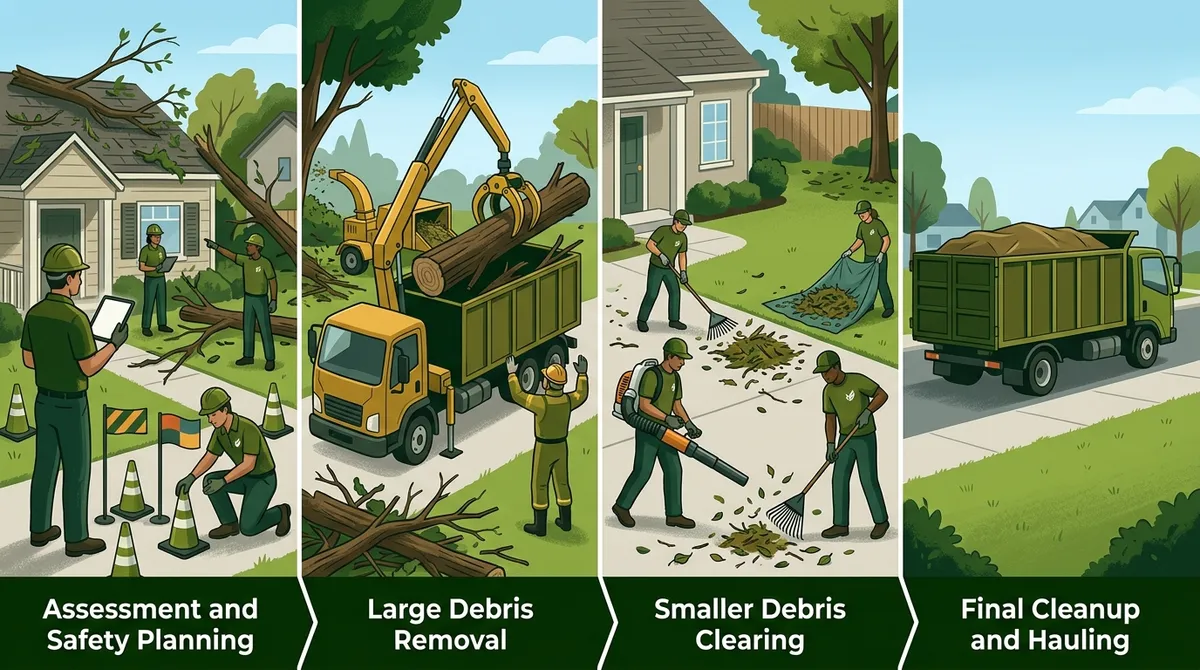
Knowing what to expect from the process makes it easier to prepare your property and communicate your needs clearly. Here is how a professional team typically handles a post-storm cleanup job:
- Initial assessment: The crew walks the property to identify the volume, type, and location of all debris before beginning work.
- Separation by material type: Organic yard waste is separated from non-organic material, because Florida disposal rules often require different handling for green waste and mixed junk. The EPA notes that yard trimmings and similar organic debris are commonly recyclable or compostable.
- Loading and hauling: Debris is loaded onto a truck or trailer for transport. Heavy or oversized material may require special handling equipment.
- Disposal at designated facilities: Material is taken to approved yard-waste facilities or recycling centers, following local Pinellas County and state disposal guidelines.
- Final site walkthrough: The crew checks the property to ensure all visible debris has been cleared and the yard is safe and accessible.
This structured approach is what separates a professional service from a basic haul-away. It ensures compliance with local regulations, minimizes environmental impact, and leaves your property genuinely clean — not just tidier. You can see examples of completed work in our gallery to understand the standard of cleanup we deliver.
Storm Debris Removal vs. Related Landscaping Services
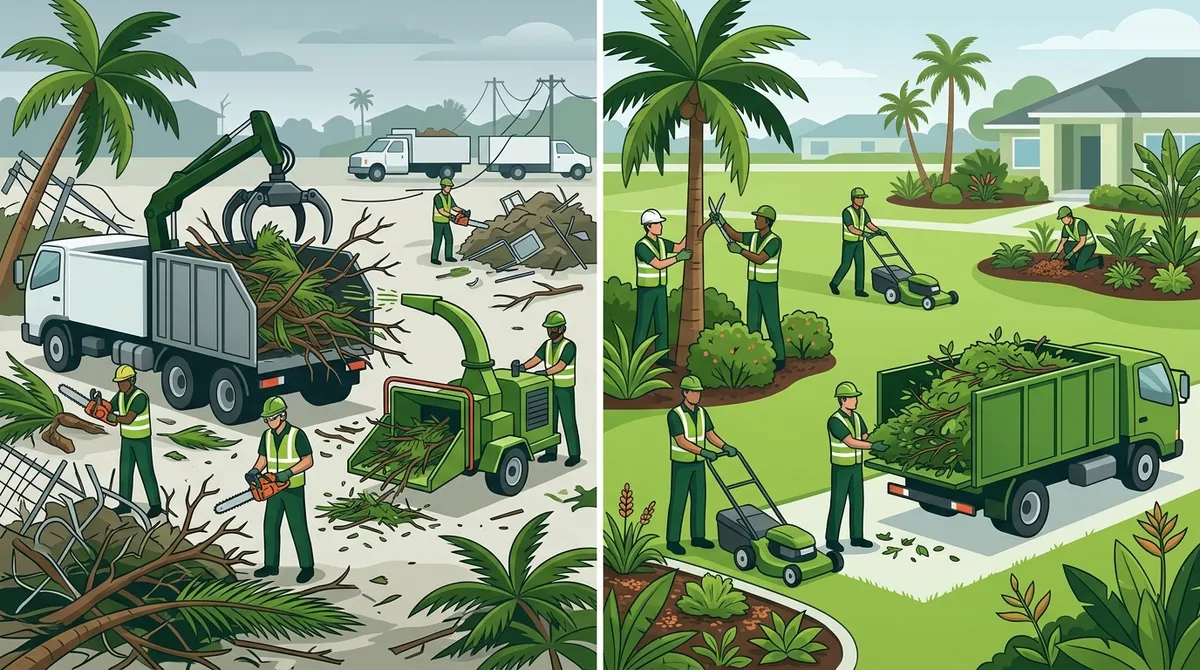
After a storm, it is common for property owners to realize that their landscaping needs more than just debris cleared. Storm damage can reveal underlying issues with shrubs, hedges, and palm trees that require follow-up care. Here is how storm debris removal compares to some closely related services:
| Service | What It Covers | When You Need It |
|---|---|---|
| Storm Debris Removal | Hauling and disposing of loose yard waste after a storm | Immediately after a storm event |
| Down Tree Removal | Cutting and removing fallen or damaged trees | When a tree has fallen or poses a structural hazard |
| Palm Tree Trimming | Pruning fronds and maintaining palm health after storm exposure | After storms loosen or damage palm fronds |
| Hedge and Shrub Care | Reshaping and restoring shrubs damaged by storm winds | When hedges are bent, broken, or misshapen |
| Junk Removal | Clearing non-organic waste such as fencing, furniture, or fixtures | When storms damage outdoor structures or items |
Understanding these distinctions helps you request the right service and avoid paying for more than you need. A reputable provider will assess your property and recommend a clear plan that addresses your specific situation.
Choosing the Right Provider for Storm Debris Removal in Dunedin
Not every junk removal or landscaping company is equipped for post-storm work. Some providers handle light yard waste but cannot manage large volumes or heavy debris. Here are the key factors to evaluate when selecting a service provider:
- Experience with storm cleanup: Ask how many post-storm jobs the provider has completed. Experience with high-volume debris makes a significant difference in efficiency and safety.
- Same-day or next-day availability: After a storm, speed is critical. Look for providers who offer rapid-response scheduling.
- Proper equipment: Trucks, trailers, and crew size should match the scale of your debris load.
- Transparent pricing: A reliable provider will give you a clear upfront estimate before any work begins, with no hidden fees.
- Licensed and insured: Always verify that the company carries appropriate licensing and insurance for the work.
- Knowledge of local disposal rules: In Pinellas County, debris disposal rules vary by event and municipality. Your provider should know how to handle green waste correctly.
Wayne & Sons Landscaping & Junk Removal brings over 15 years of experience serving the Brandon, Florida area and the greater Tampa Bay region, including Dunedin. The company is known for prompt scheduling, transparent pricing, and exceptional customer service — exactly what you need when storm debris is piling up and time is short. You can verify their reputation through customer feedback at Visit us on Google — Wayne & Sons Landscaping & Junk Removal and browse verified reviews on Thumbtack.
What to Do Immediately After a Storm Hits Your Property
Taking the right steps right after a storm can reduce risk and make the cleanup process faster. Follow this sequence to protect your property and prepare for professional service:
- Stay safe first: Do not walk the property until the storm has fully passed and there are no downed power lines or unstable trees overhead.
- Document the damage: Take photos and video of all debris for your insurance records before anything is moved or removed.
- Call your service provider early: Post-storm demand for cleanup crews is high. Calling early gets you on the schedule before availability fills up.
- Separate what you can safely move: If it is safe, move small loose debris away from walkways and driveways to improve access before the crew arrives.
- Check local disposal guidance: Pinellas County may issue specific curbside or collection instructions after major storm events. Follow local government guidance carefully.
For additional guidance on how to handle common mistakes during storm cleanup, the resource on 7 Storm Debris Removal Mistakes Lake Magdalene Homeowners Make is a helpful reference that applies equally well to Dunedin property owners.
How Storm Debris Removal Supports Curb Appeal and Property Value
A storm-damaged yard does not just create safety risks — it directly affects how your property looks and what it is worth. For homeowners trying to maintain their investment, real estate agents preparing a listing, or property managers keeping rental units attractive, curb appeal matters deeply. Research consistently shows that exterior appearance influences buyer perception, rental interest, and neighborhood property values.
Professional storm debris removal restores your property’s presentation quickly and completely. Once debris is cleared, follow-up landscaping services like shrub care, palm tree trimming, and lawn maintenance can bring your yard back to its best condition. For ideas on improving your yard’s appearance after cleanup, see these 12 curb appeal landscaping tips for 2026.
Storm debris removal is also relevant for contractors and builders working on properties in storm-affected areas. Clearing debris before resuming site work is essential for safety compliance and project timelines. The junk hauling services offered by Wayne & Sons can extend to light outdoor waste from storm-damaged job sites as well.
Debris Disposal and Environmental Responsibility
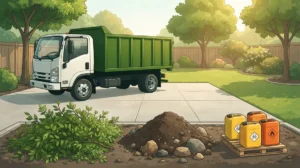
Responsible disposal is a key part of professional storm debris removal. Florida has specific rules about how organic green waste must be separated from general trash and mixed junk. Most yard waste from storm cleanup — including branches, leaves, and plant material — qualifies as compostable or recyclable material under EPA guidelines.
Choosing a provider who understands and follows these rules protects you from potential violations and ensures that debris is handled in an environmentally responsible way. Green waste sent to proper yard-waste facilities can be turned into mulch or compost, reducing landfill impact. This is a benefit that goes beyond your property — it supports the broader Dunedin and Pinellas County community.
For related services that touch on responsible waste handling, see our demolition cleanup in Brandon and how to handle demolition cleanup in Dunedin the right way for guidance on larger-scale debris and waste removal projects.
Comparing DIY Storm Cleanup to Professional Service
Some homeowners consider handling storm debris themselves to save money. While minor cleanup — like raking a few leaves — is manageable, larger debris loads are a different story. Here is an honest comparison:
| Factor | DIY Cleanup | Professional Service |
|---|---|---|
| Speed | Slow — limited by personal time and tools | Fast — experienced crew with proper equipment |
| Safety | Higher risk of injury with large limbs or unstable debris | Trained crew handles heavy and awkward material safely |
| Disposal | Limited options — personal vehicle hauls small loads only | Full haul-away with proper disposal at approved facilities |
| Cost | Lower upfront — but time and injury risk add hidden cost | Affordable flat or transparent estimate — no hidden fees |
| Result quality | Varies — often misses debris in corners or under shrubs | Thorough — full site walkthrough ensures complete cleanup |
For a deeper look at this comparison, the article on DIY vs. Professional Storm Debris Removal in Citrus Park walks through the decision-making process in detail. The conclusions apply directly to Dunedin homeowners and property managers as well.
Conclusion: Act Fast, Choose Right, and Restore Your Property
Storm debris removal in Dunedin is not a task to delay or underestimate. From safety hazards and pest risks to curb appeal and property values, the consequences of leaving debris in place grow with every passing hour. Florida’s storm season is long and active, and having a trusted cleanup provider ready to respond makes all the difference.
Whether you are a homeowner dealing with a pile of fallen branches, a real estate agent prepping a listing after a storm, a property manager keeping rental units in top condition, or a contractor clearing a job site — the right professional team handles the job faster, safer, and more thoroughly than any DIY effort can match. Learn more about the full range of services available by visiting the landscaping services page or reviewing what customers say about working with Wayne & Sons. You can also explore how Brandon, Florida and surrounding communities like Dunedin are served by regional landscaping and junk removal professionals across the Tampa Bay area.
Do not wait for the debris to become a bigger problem. Reach out to our team today to schedule your storm debris removal service in Dunedin, or call us directly at (813) 452-1570 for a prompt, no-obligation estimate. Fast response, transparent pricing, and over 15 years of experience — that is what Wayne & Sons Landscaping & Junk Removal delivers every time.
FAQs
Q: What does storm debris removal include in Dunedin?
A: Storm debris removal in Dunedin typically covers the hauling, loading, and disposal of fallen branches, tree limbs, leaves, uprooted shrubs, brush piles, and other organic yard waste left behind after a storm. It does not usually include full tree felling, stump removal, or structural repairs — those are separate services that require different equipment and expertise.
Q: How soon can I get post-storm cleanup service in Dunedin after a hurricane or storm?
A: Many professional providers offer same-day or next-day scheduling after storm events, though availability fills up quickly due to high demand. It is best to call your service provider as early as possible after the storm passes to secure a prompt appointment and minimize the risks associated with debris sitting on your property.
Q: What is the difference between storm debris removal and tree removal?
A: Storm debris removal focuses on clearing loose, scattered, or broken yard material — such as fallen branches, leaves, and shrub debris — that is already on the ground. Tree removal involves cutting, sectioning, and hauling away standing or fallen trees that require specialized equipment and trained arborists, and is typically a separate service with different pricing and logistics.
Q: Can storm debris be recycled or composted in Dunedin?
A: Yes — most organic storm debris, including branches, leaves, and plant material, qualifies as compostable or recyclable yard waste under EPA guidelines. Professional providers separate green waste from mixed junk and deliver it to approved yard-waste facilities, where it may be processed into mulch or compost rather than sent to a landfill.
Q: Do I need a permit for storm debris removal or hauling in Dunedin?
A: In most cases, residential storm debris removal does not require a special permit for hauling and disposal. However, local Pinellas County guidelines may vary by storm event, and some municipalities issue specific curbside or collection instructions after major weather events. A licensed and experienced service provider will be familiar with current local rules and handle disposal in compliance with all applicable regulations.